
Algorithms, Alliances, and Authentic Roots: Key Takeaways from PTM 2026- Part 2
Building on the shifts explored in our first blog, this section looks at how destinations and industry leaders are responding through stronger partnerships, purposeful growth, and community-centred tourism. If you haven’t read Part 1 yet, click here to explore the consumer, technology, and infrastructure shifts shaping the region before continuing.
4. Strategic Partnerships and Cross-Border Collaboration
Successful collaboration requires moving past symbolic MOUs. Translating sustainable vision into reality requires sustained commitment, mutual trust, clear, long-term value propositions, and most importantly, cross-sector alignment.

"When every touchpoint is co-planned—from ticket purchase to inflight service, ground handling, transfers, and hotel check-in—it works like a fine Swiss watch: beautiful on the outside, and functioning flawlessly on the inside." — Megat Ardian Wira Mohd Aminuddin, CEO, AirBorneo
Early Co-Planning: Dmitry Smolnikov (Center for Strategic Research / Discover Russia) and Megat Ardian Wira Mohd Aminuddin (AirBorneo) highlighted that airlines establishing new routes must co-plan product positioning, ground handling, hotel capacity, and local infrastructure up to a year in advance with DMOs.
Targeted Market Penetration: Discover Russia developed specialised cultural destination standards, naming "China Friendly" and "Muslim Friendly" certifications, to adapt hospitality services, language capabilities, and dietary options to target source markets. Meanwhile, the Oman Convention Bureau utilises MOUs alongside direct site inspections for corporate planners to drive MICE growth.
Aligning Objectives & Removing Friction: Public-private alignment occurs when private partners look beyond brand promotion to support broader destination marketing, and when the public sector actively supports the removal of travel frictions. To optimise the traveller journey, destinations must streamline entry barriers, such as Oman's instant arrival visas for over 100 nationalities or Russia's expanding e-visa system. Hoteliers can further integrate digital ecosystems in-room to showcase curated local cultural experiences, driving secondary spend.
5. Purposeful Growth, Community-Centred Tourism, and Cultural Governance
A recurring theme across the conference was the shift from high-volume mass tourism toward purposeful growth—evaluating success by community yield, cultural preservation, and environmental stewardship rather than raw visitor arrival numbers.
"While numbers matter, they are not the sole priority... The critical challenge is maintaining equilibrium: growth must never negatively impact the local population or make their own home unaffordable for them." — Dr. Sharzede Salleh Askor, CEO, Sarawak Tourism Board
What exactly makes travel meaningful?
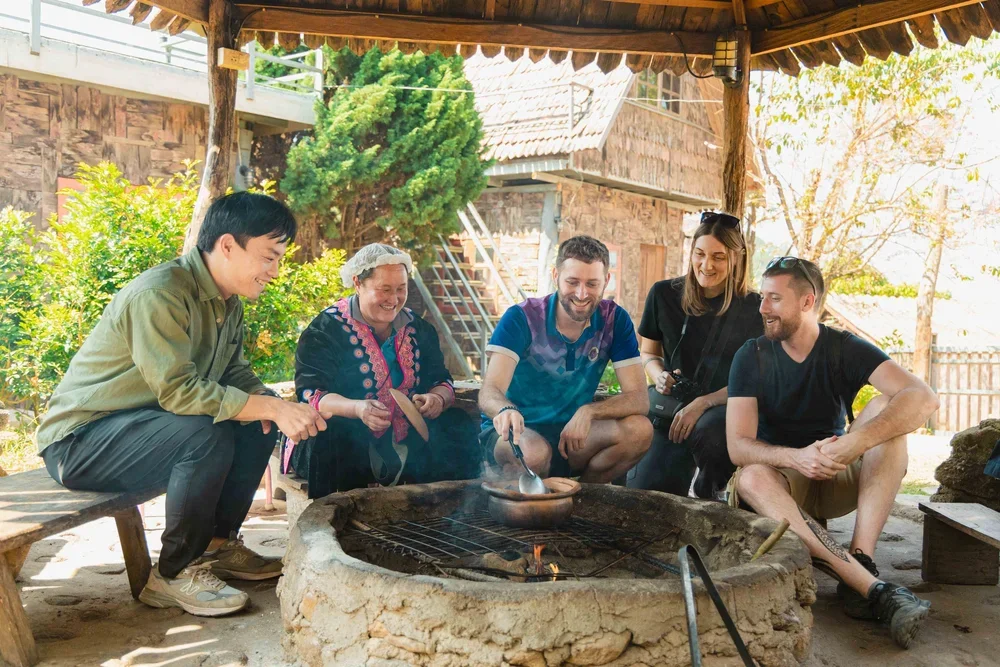
Foreign travellers exploring local life in a Chiang Mai hilltop village. Photo: LocalAlike
Retaining Local Value: Ensuring economic revenue stays in local hands, skills are developed, and ecosystems or heritage sites are left in a better state post-visit.
Free, Prior, and Informed Consent (FPIC): Indigenous and rural communities must retain absolute authority over how their culture is shared. Applying FPIC principles ensures that host communities choose whether to participate, engage in discussions prior to project start, fully understand economic/social impacts, and give explicit consent.
"When you start viewing community and culture purely as a product or an 'attraction,' that's when you lose authenticity." — Jessica Yew, Co-Founder & Director, Sticky Rice Travel
Quality of Life vs. Way of Life: Somsak Boonkam (Founder & CEO, LocalAlike) emphasised a critical operational distinction: modern infrastructure (such as clean water systems in remote mountain villages) improves physical health and quality of life while preserving traditional agricultural practices, identity, and ways of life intact.
Youth Leadership: To prevent rural-to-urban youth migration, community-based tourism must create viable local leadership roles, cultural events, and respectable social enterprise careers that encourage younger generations to remain in their villages.
Destination Case Studies: Sustainable Tourism in Action
Throughout the conference, real-world case studies illustrated how distinct destinations put these overarching principles into practice.
Case 1: Sarawak — Master Planning, Connectivity, and Purposeful Growth
In a fireside chat with Eugene Tang (South China Morning Post) alongside panel contributions from Permanent Secretary Morshidi Fredrick and STB CEO Dr. Sharzede Salleh Askor, Minister Dato Sri Haji Abdul Karim bin Rahman Hamzah detailed Sarawak’s comprehensive master planning strategy:
Cultural Governance: To manage the representation of Sarawak's 34 distinct ethnic groups, the state utilises structured bodies:
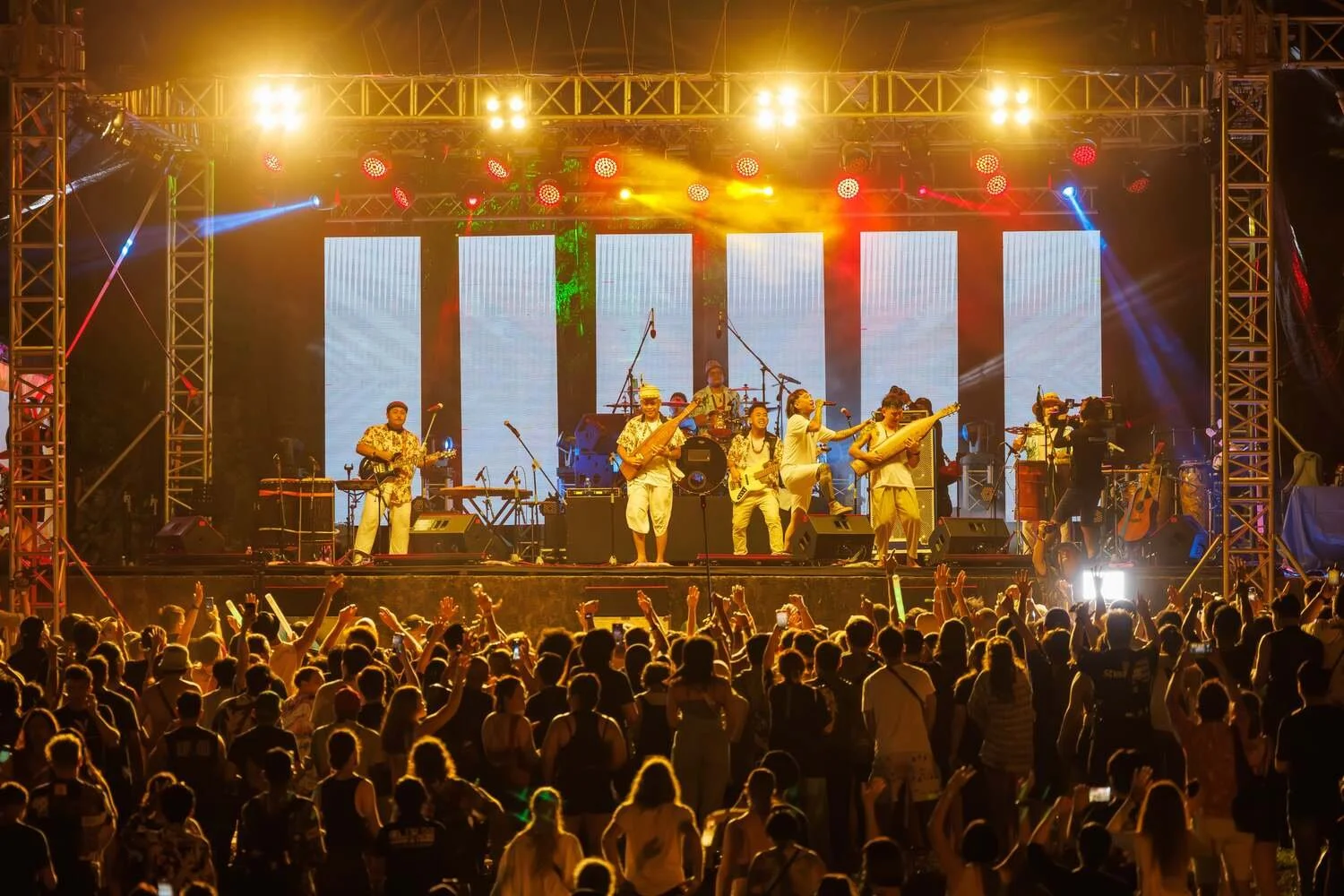
Rainforest World Music Festival. Photo: RWMF
Sarawak Arts Council (Majlis Seni Sarawak): Guarantees equitable promotion across all ethnic groups.
Borneo Cultures Museum: Showcases the traditions of all 34 ethnic groups so minor demographics retain an active voice.
Gastronomy Focus: Supported by Kuching's status as a UNESCO City of Gastronomy, a dedicated Gastronomy Centre is under construction to showcase local culinary heritage like Sarawak Laksa.
Environmental Enforcement: Sarawak has shifted away from historical logging licences to enforce strict river and forest conservation, directing investment into rural eco-tourism infrastructure. For events like the Rainforest World Music Festival, single-use plastic bottles are banned in favour of refill stations, and a portion of ticket sales directly funds native tree replanting schemes. (Read more about building credible sustainability in tourism)
Case 2: Thailand — Designated Area Management and Capacity Building
Represented by Director-General Siripakorn Cheawsamoot, Thailand's Designated Areas for Sustainable Tourism Administration (DASTA) outlined its management framework:
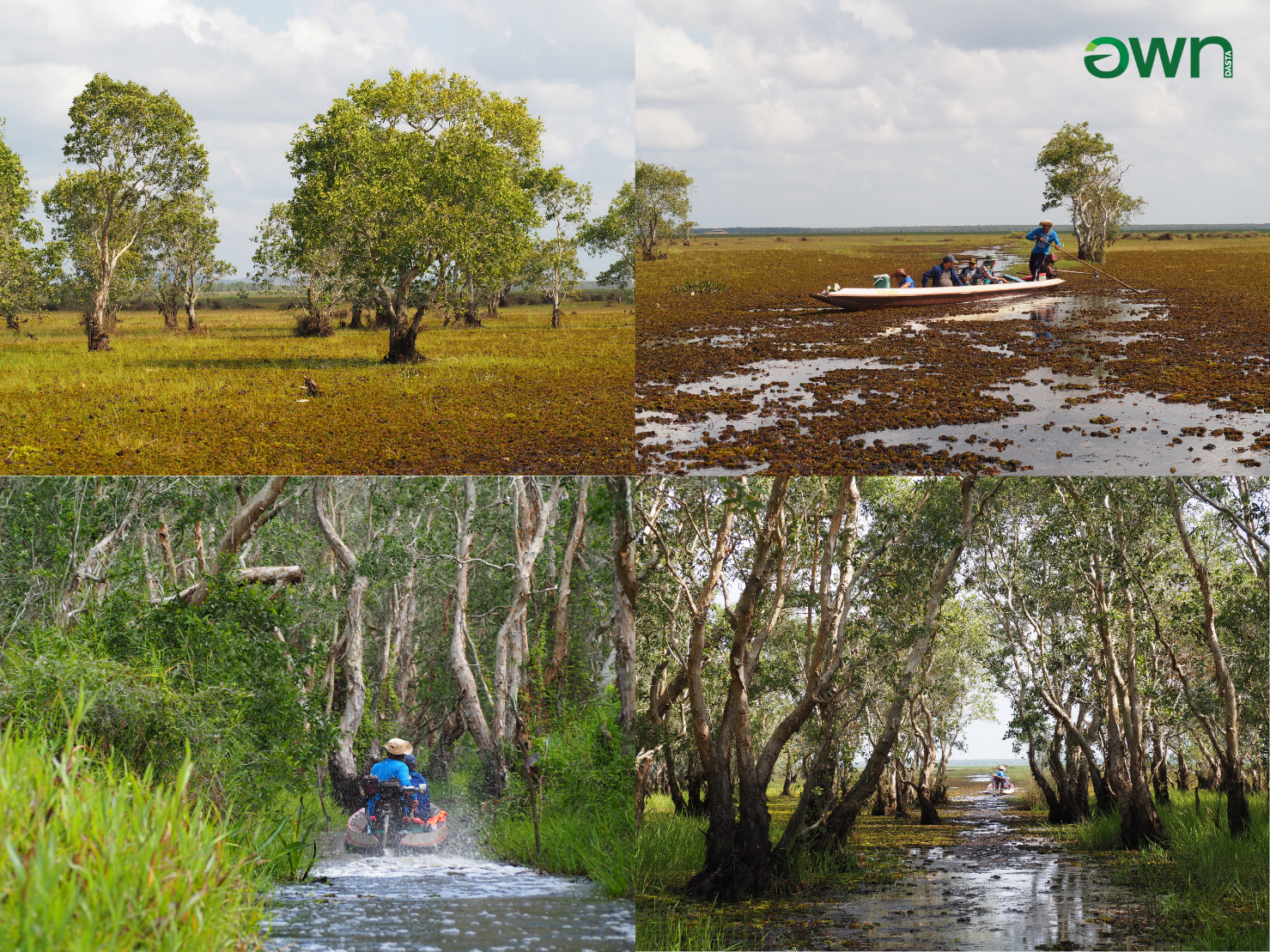
Phatthalung province’s Thale Noi Lake tour operated by local community. Photo: DASTA
Specialised Sustainable Zones: DASTA works directly with local authorities and rural communities to administer designated sustainable tourism zones.
Capacity Building & Market Readiness: By establishing clear operational criteria for community-based tourism, DASTA helps rural villages build market-ready products, manage visitor carrying capacities, and safeguard fragile ecosystems while ensuring economic value is retained locally.
Case 3: Macao — Urban Diversification and Sustainability Integration
Represented by MGTO Director Maria Helena de Senna Fernandes and Macau International Airport Marketing Director Eric Fong, Macao demonstrated how a high-density urban hub balances growth:
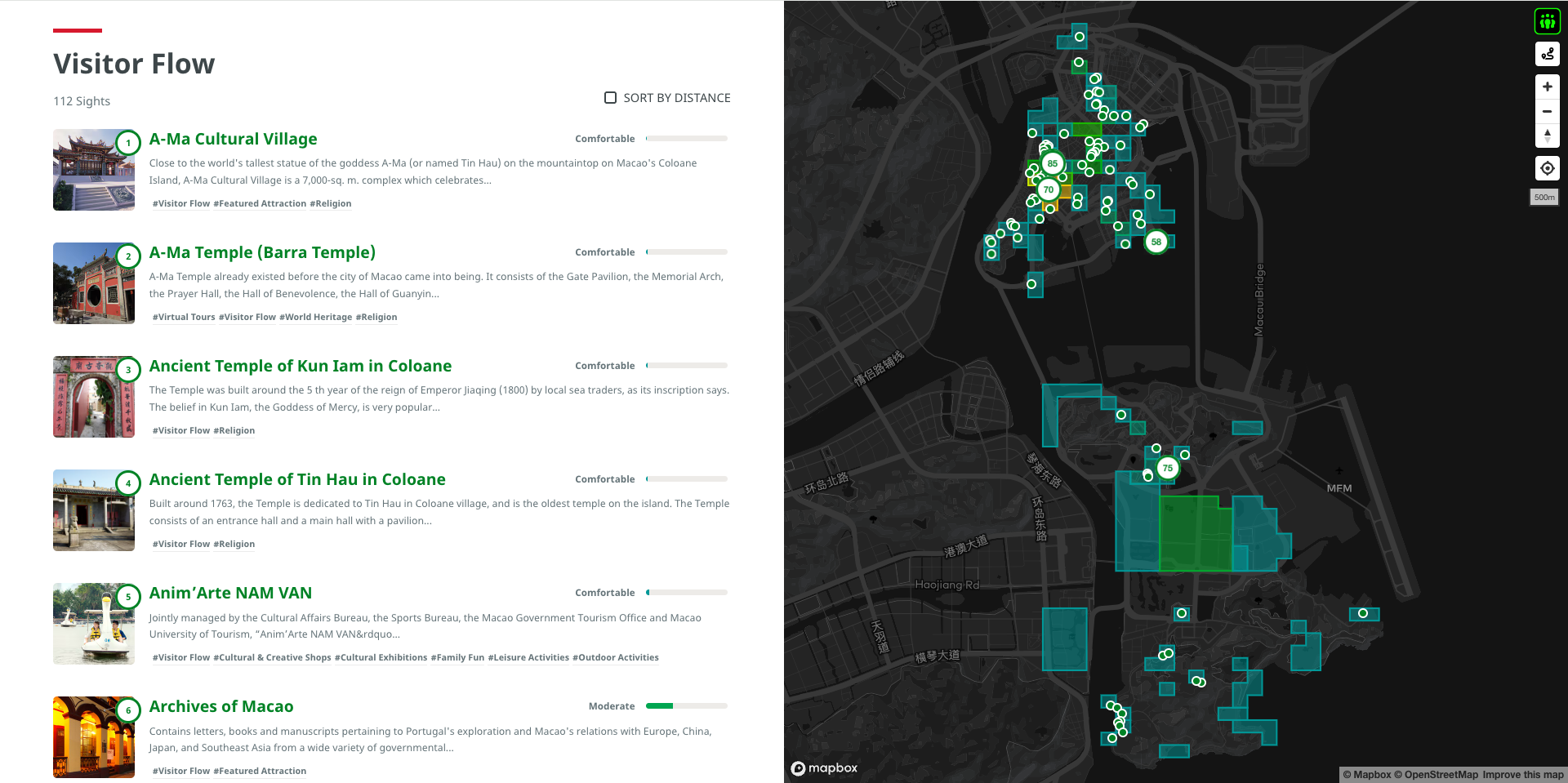
Diversification Beyond Gaming: Director Maria Helena de Senna Fernandes detailed how Macao is actively broadening its appeal by promoting UNESCO heritage sites, cultural events, and regional gastronomy.
Smart City Density Management: The destination integrates smart city technologies to track real-time pedestrian flows in historical areas, managing crowd density to preserve cultural heritage sites while maintaining visitor satisfaction.
Pearl River Delta Connectivity: Eric Fong emphasised how Macau International Airport prioritises multi-modal transport integration, expanding regional route networks and cross-border alliances with regional airlines to streamline passenger flows across the Pearl River Delta.
The overarching consensus from the conference is clear: the future of tourism in the Asia-Pacific region hinges on purposeful adaptation. Whether through adapting to macroeconomic swings, closing the trust gap in agentic AI, building cross-border aviation alliances, or empowering host communities through structured cultural governance, success will belong to those who measure yield over volume and community benefit over simple numbers.
