
Gyeongju 경주
In Gyeongju, history can be experienced while one sips coffee, shops, and explores. From relics of the time before ours and incredible sightseeing spots to traditional Hanok buildings that house modern cafés and more, the city is perfect for those who wish to spend their time exploring a facet of the Korean culture that spans 1,000 years until today.
The easiest way to explore the best of Gyeongju is via Korea’s famously convenient public bus! In this guide, we will be taking you for a ride on Bus 10 to see all the main attractions.
If you have extra time, check out nearby Pohang as well for a refreshing coastal change of scenery!
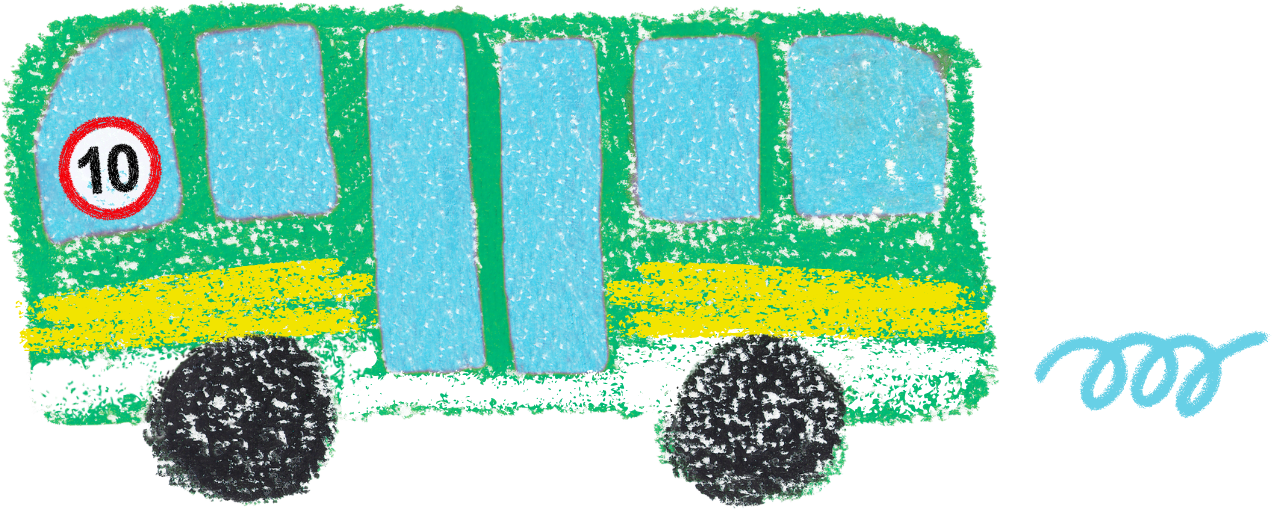
These are only some of the must-visit stops we handpicked for you (already arranged by their actual order). Bus 10 has many more stops for you to explore 😉

Wolseong-dong Community Service Center

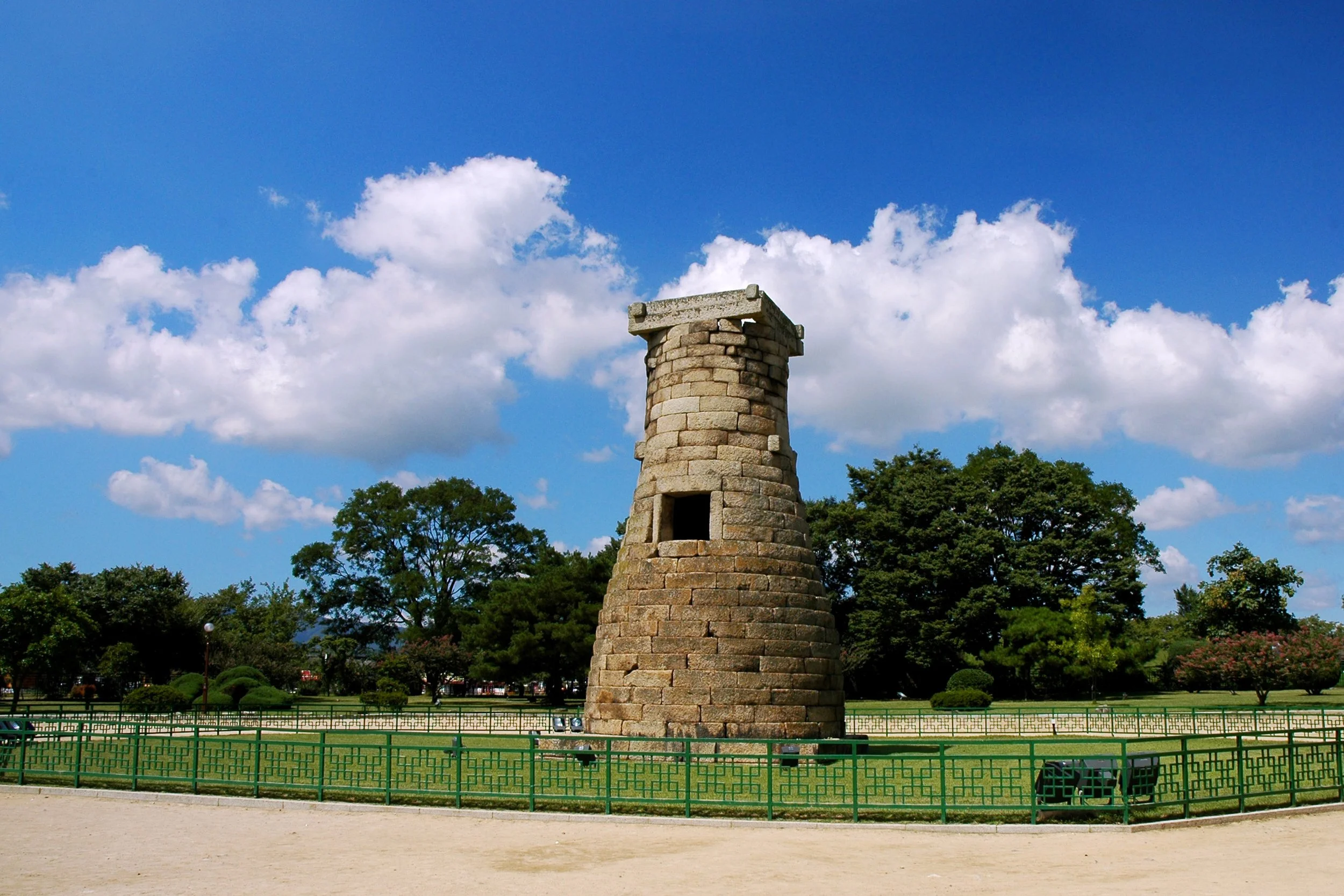
Cheomseongdae Observatory
Distance from Stop : 5-7 minutes
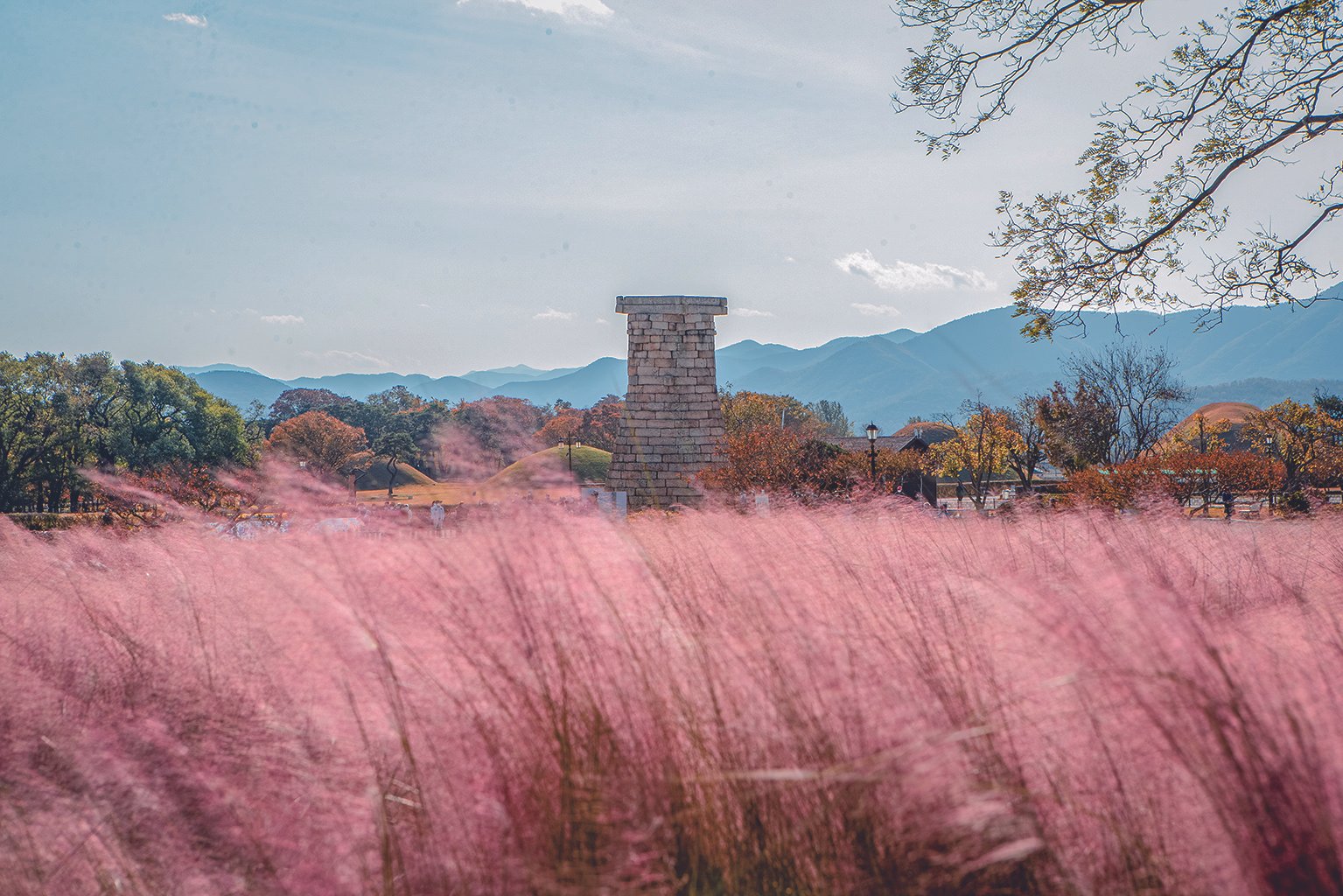
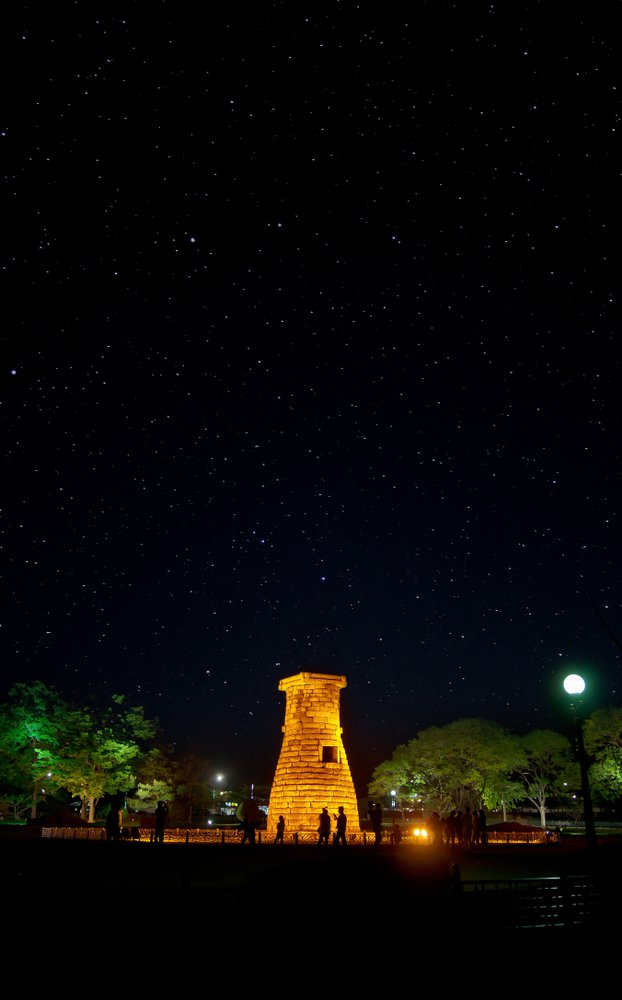
Recognised as the oldest astronomical observatory in Asia, Cheomseongdae is a prime example of Silla-era engineering. Every single one of its stone layers and blocks carries a hidden symbolic meaning—reflecting the sophisticated scientific mind of its creators.
Special visiting times: At night, Autumn (Oct-Nov), Winter
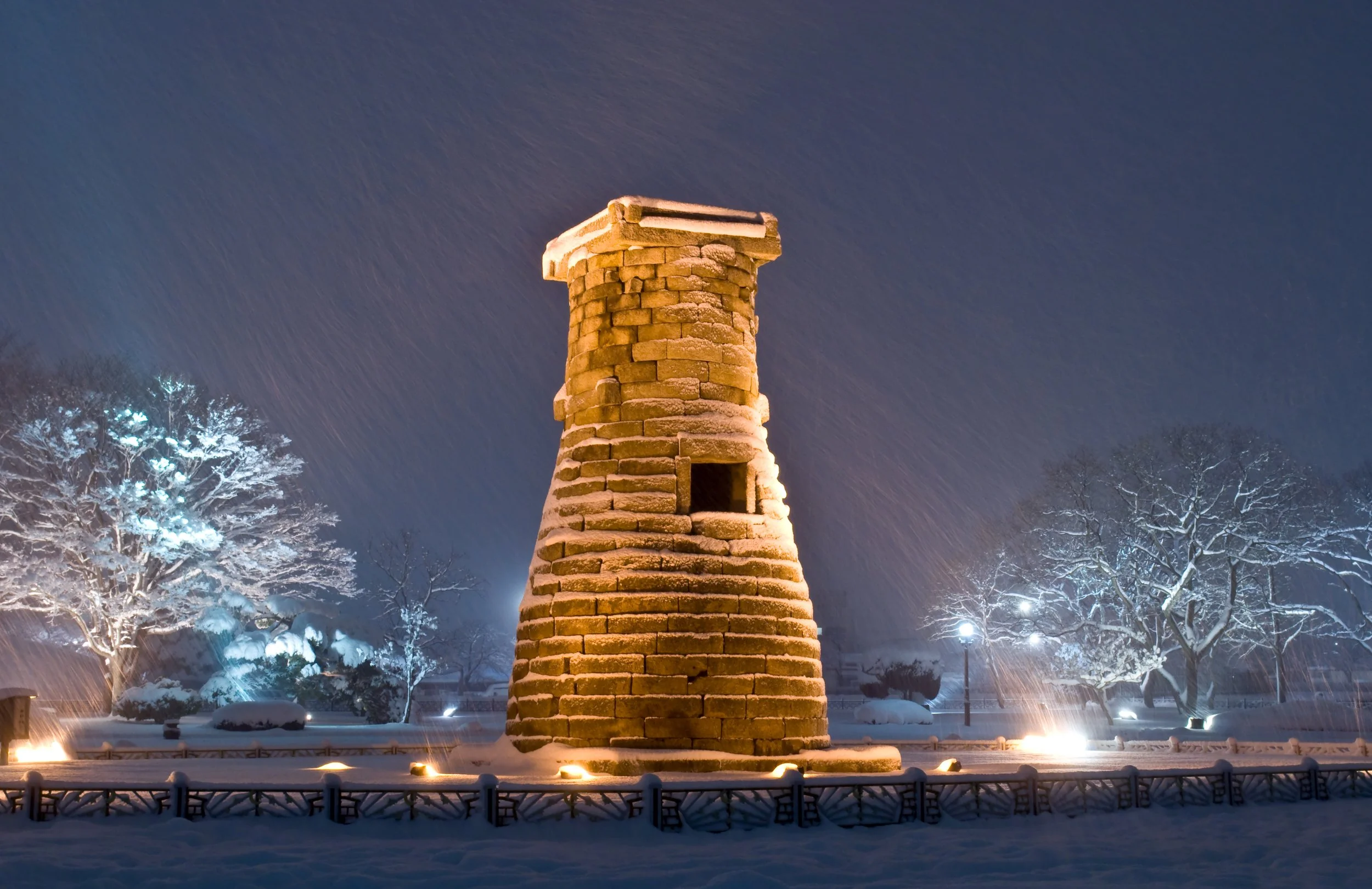
Fast fact: The Silla era is considered the Golden Age of Korean artistry. It was characterised by granite Buddhist images and pagodas, high-quality floral and animal designs, and bronze temple bells and Buddhist statues.
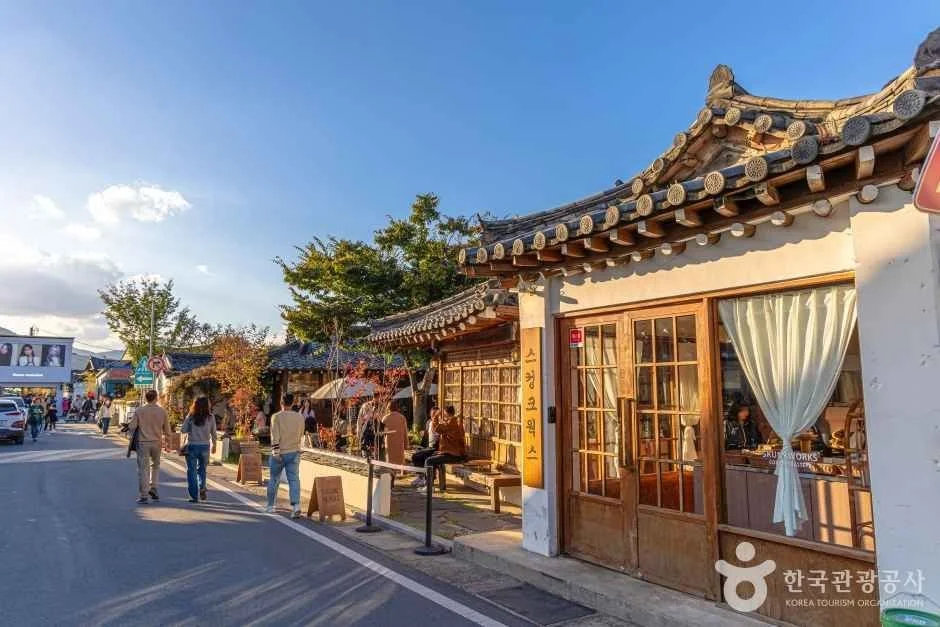
Nearby: Hwangridan-gil Street
Who would have thought the city’s trendiest hotspot would be right next door to one of its oldest historical sites? At the charmingly nostalgic Hwangridan-gil Street, buildings from the 1960s and 70s stand proud amongst modern ones. If shopping is your cup of tea, you wouldn’t want to miss browsing the stores housed under traditional Hanok roofs, and trying the famous 10 Won Bread (for that perfect cheese pull) or the addictive, spicy-sweet Hwangnam Jjondeugi!
✶ Bus 500 stops here too
Daereungwon Tomb Complex
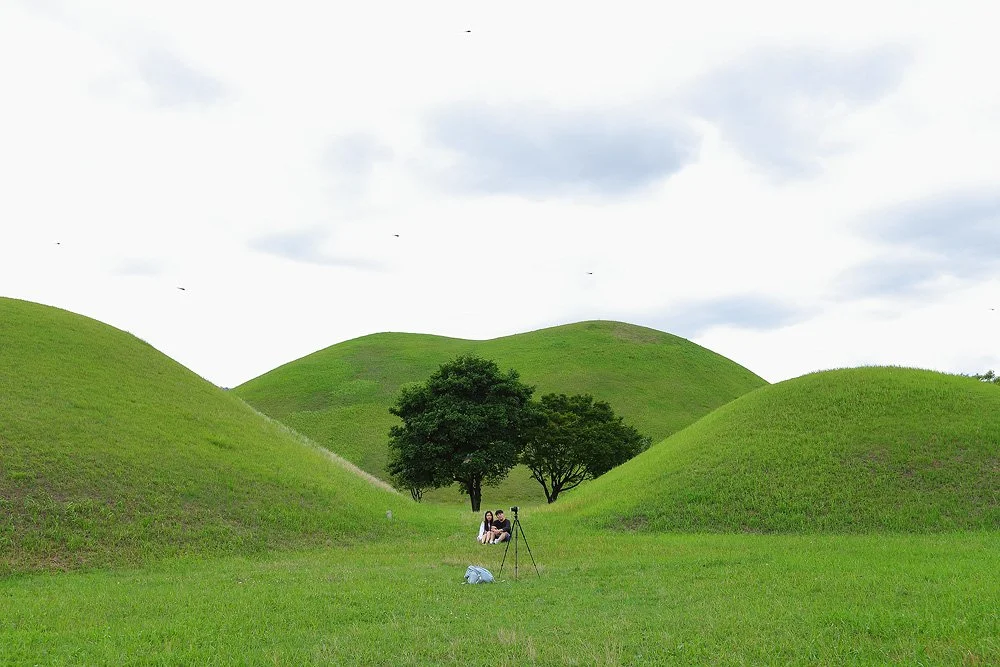
Distance from Stop : 5-7 minutes
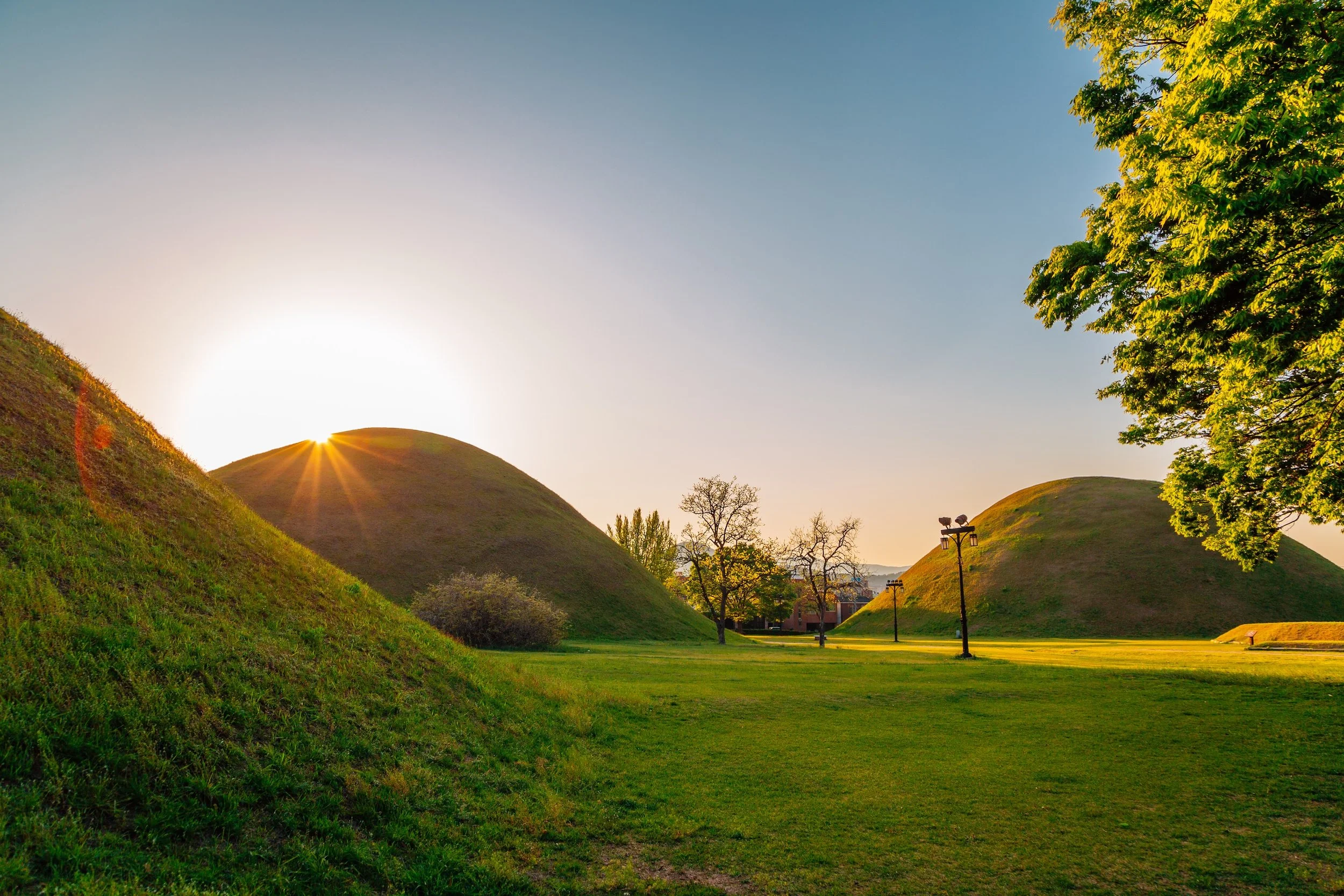
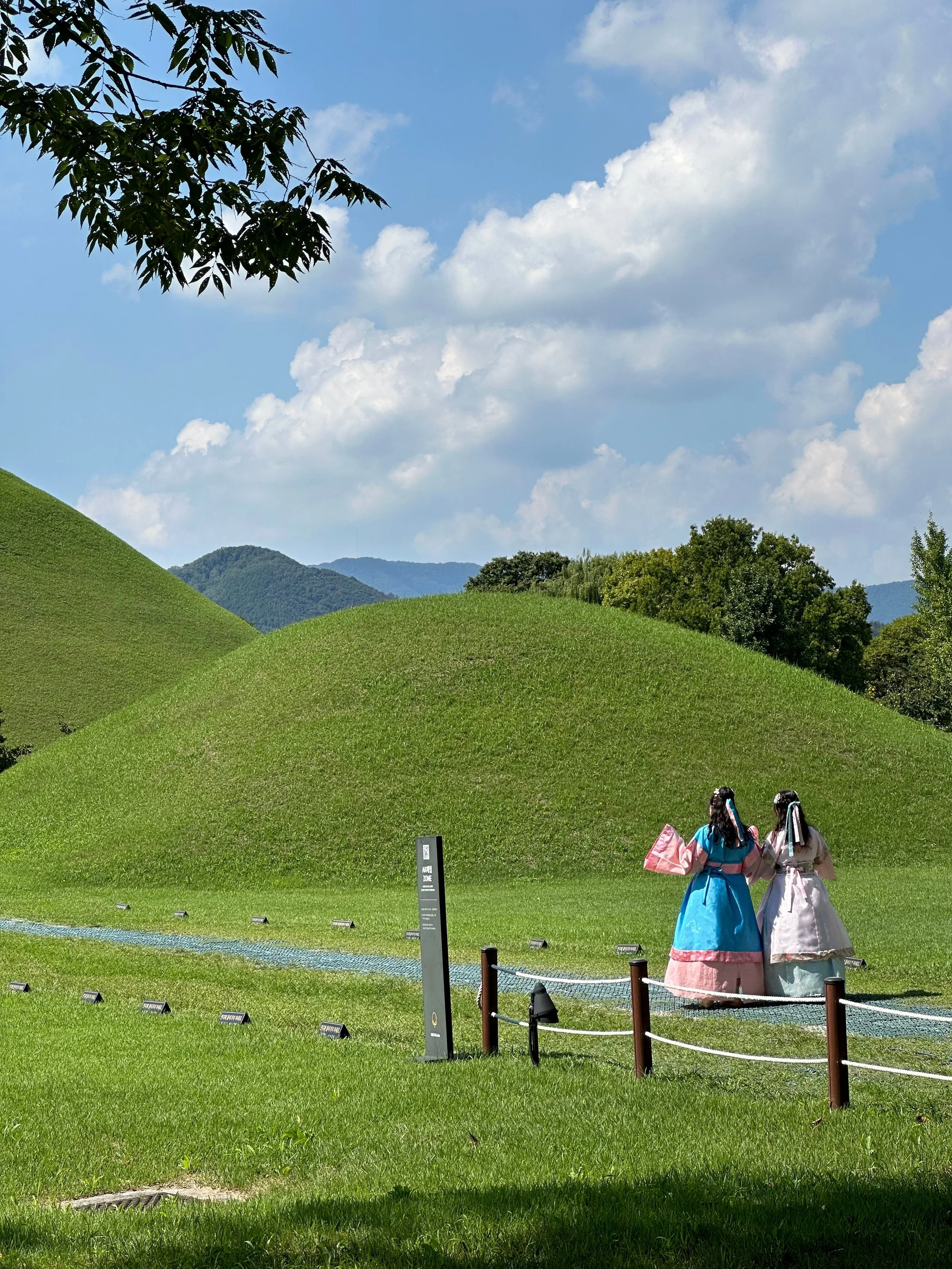
Daereungwon has a rather unique take on experiencing Gyeongju’s royal past: Instead of museum walls and glass cases, history takes the form of gentle green hills spread across an open park. These grassy mounds are actually royal tombs, yet today they have become a popular place for walks, photos, and quiet breaks. At Cheonmachong, the only tomb open to the public, visitors can step inside and see its hidden treasures from the past.
Special visiting times: Spring, during sunset
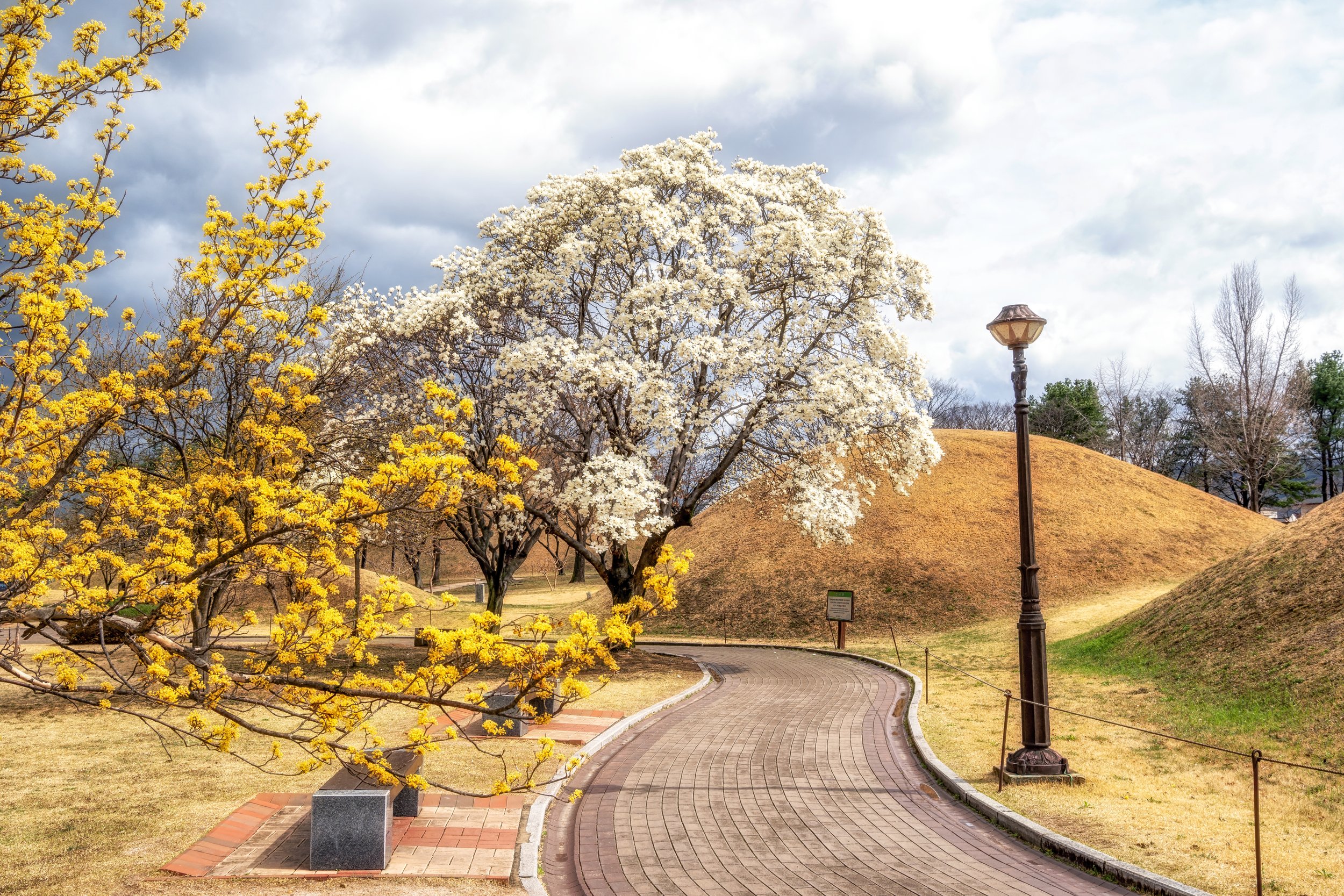
Nearby: Gyerim Forest
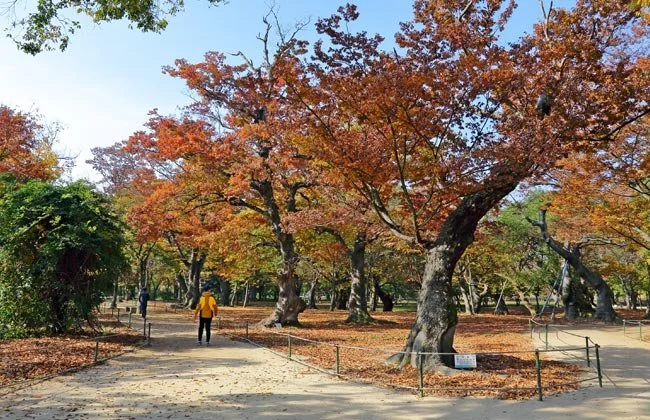
A mystical woodland with over 2,000 years of history, known as the birthplace of the legendary Kim Al-ji, the progenitor of the Gyeongju Kim clan who founded one of Silla’s most powerful royal lineages. Today, the forest’s ancient trees and tranquil atmosphere make it a peaceful escape for visitors.

Nearby: Woljeonggyo Bridge
As evening falls, lovers, families, friends, and lone travellers gather along the wide wooden structure or nearby riverbanks, waiting for the lights to turn on and stretch across the water slowly. Once connecting the royal palace to Namsan Mountain, Woljeonggyo Bridge is now a sightseeing spot where people pause to sit quietly for a while and take in the passing moment.
Donggung Palace and Wolji Pond
Distance from Stop : 8-10 minutes
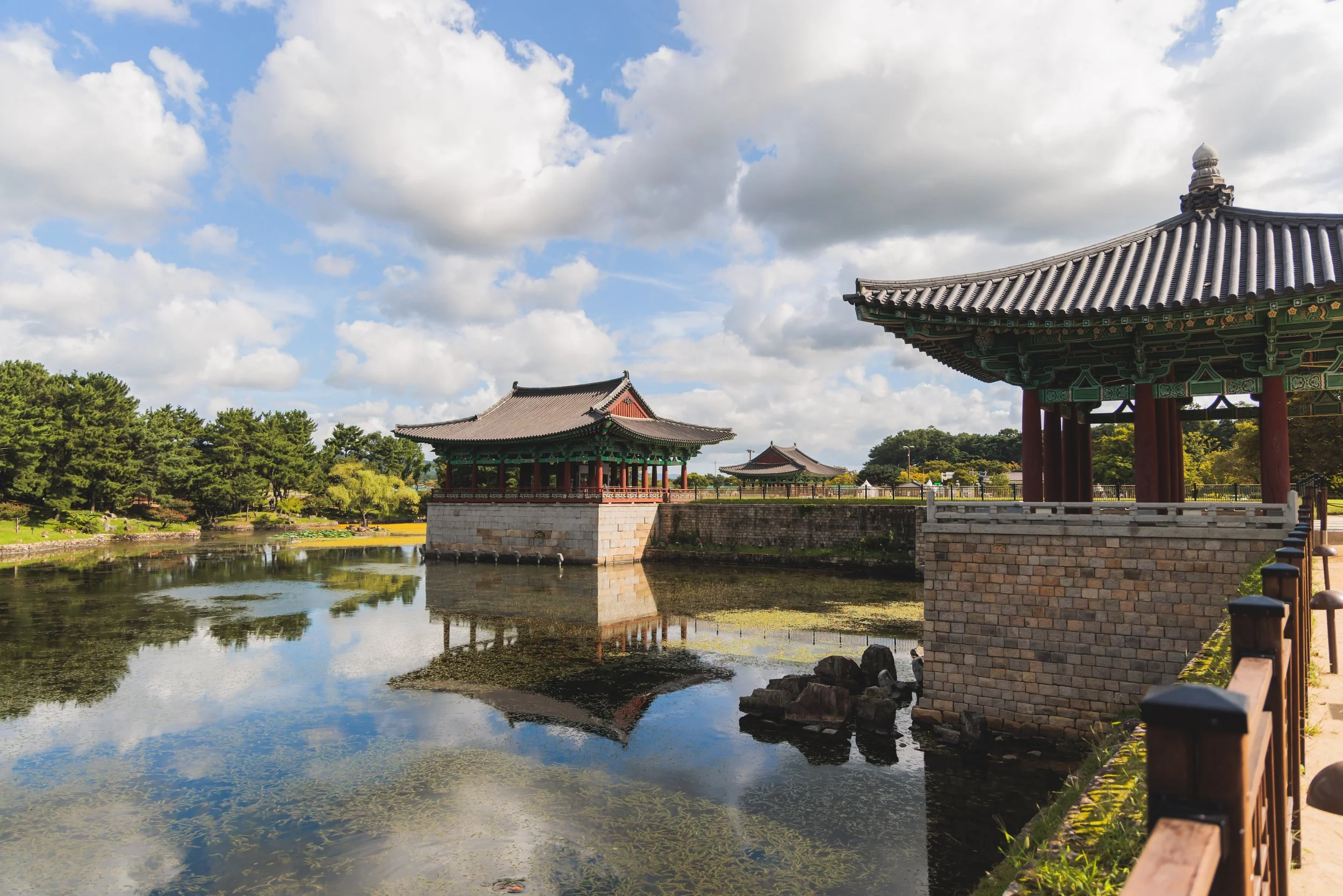
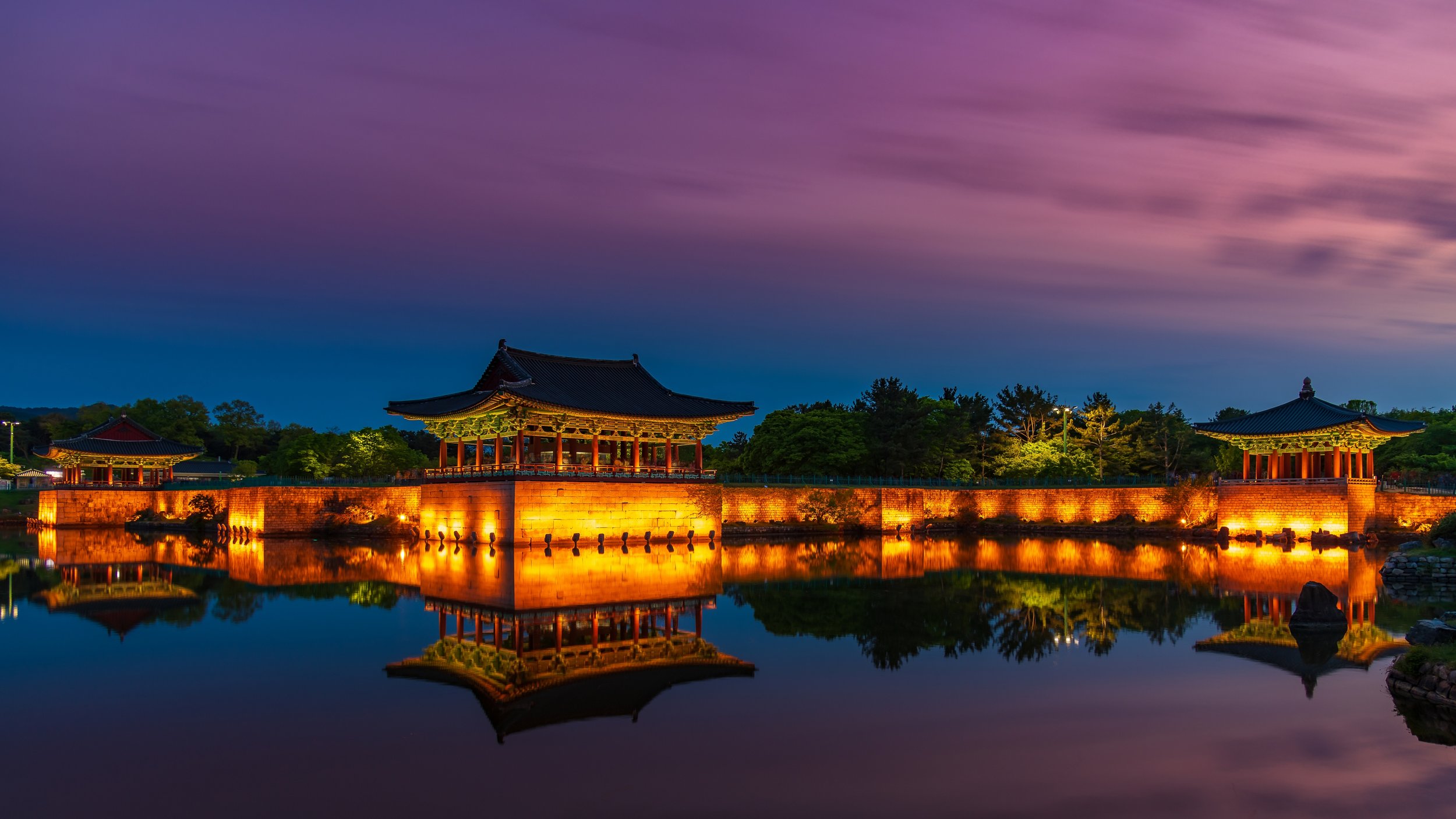
Donggung Palace once served as a secondary palace during the Silla Kingdom, where the crown prince resided. Today, the beautifully restored structures shine even more at night, thanks to soft LED lighting that creates a golden, cinematic visage. The reflection of the palace on Wolji Pond is especially stunning, making this spot one of the most photogenic places in Gyeongju. Check out the mirror effect that reflects the palace perfectly!
Special visiting time: At night 🌙

In Gyeongju, hanbok rental is a different experience from what you might have experienced. Here, many rental shops offer Silla-inspired hanbok, known for their simpler and more elegant designs compared to the familiar Joseon style. Dress up, take photos, and wander through the city.
Bunhwangsa Temple

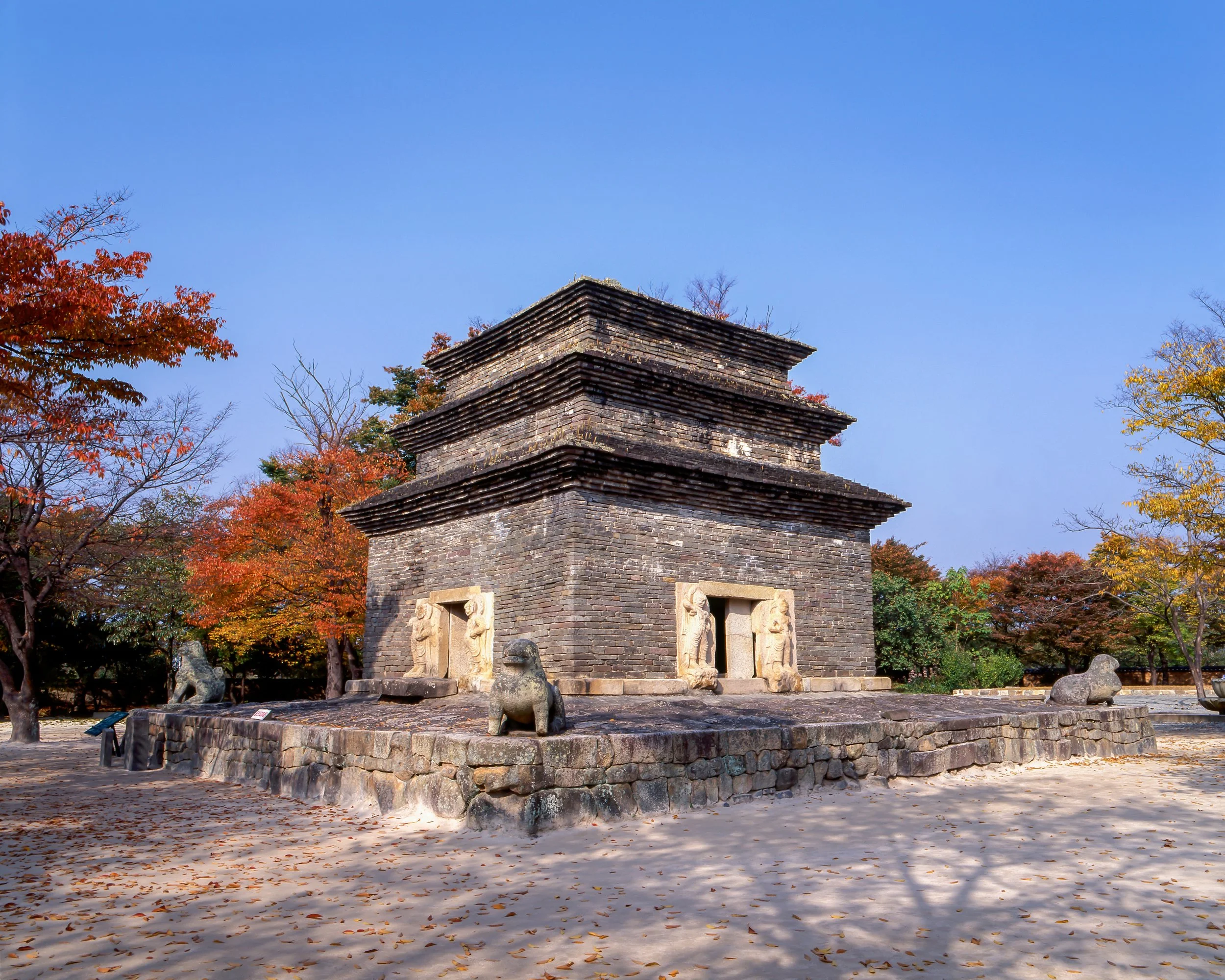
Bunhwangsa Temple
Distance from Stop : 2 minutes
Recognised as the oldest astronomical observatory in Asia, Cheomseongdae is a brilliant example of Silla-era engineering. Its design reflects the sophisticated scientific mind of the Silla people, where every stone layer and block carries a hidden symbolic meaning.
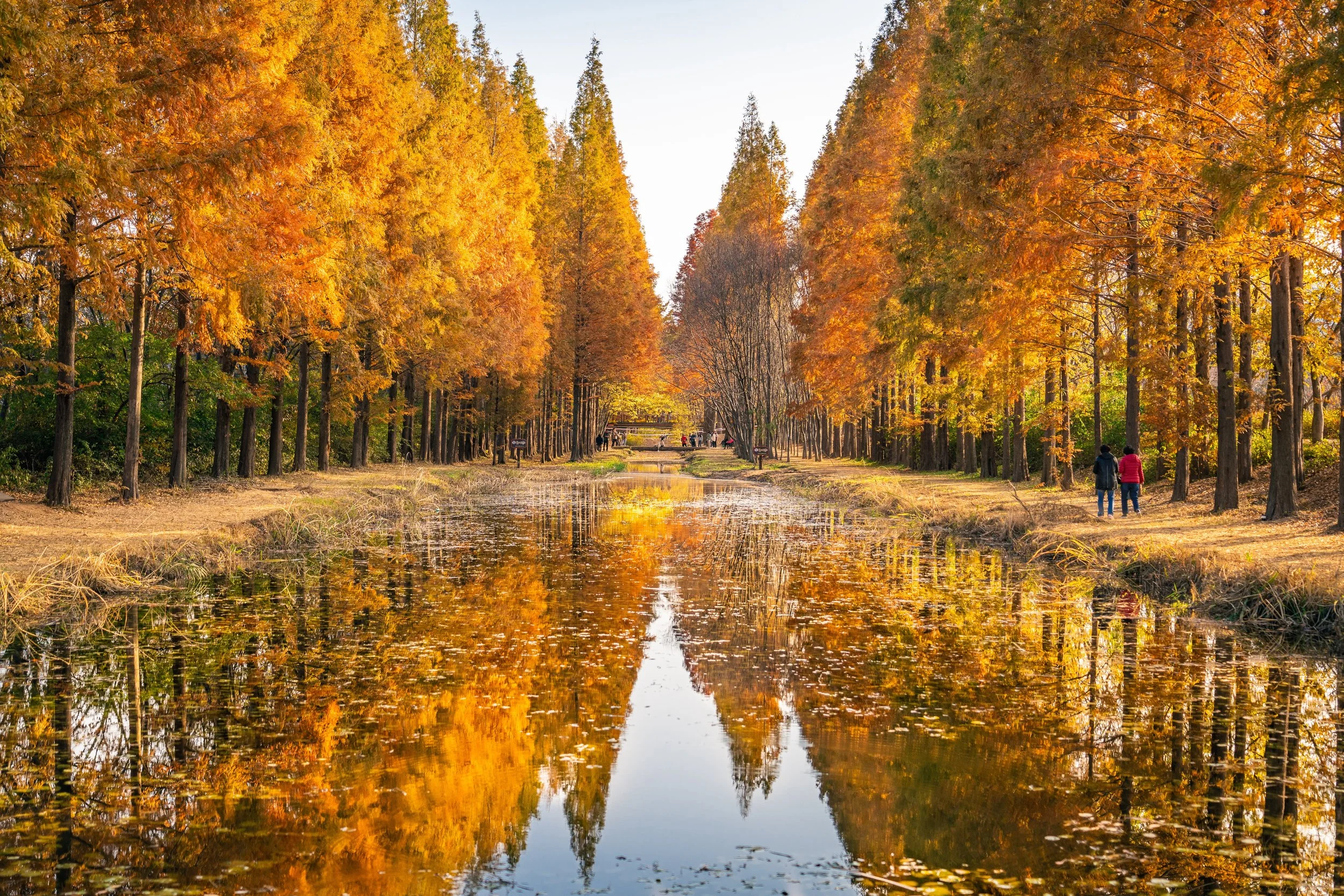
Nearby: Gyeongbuk Millennium Forest Garden
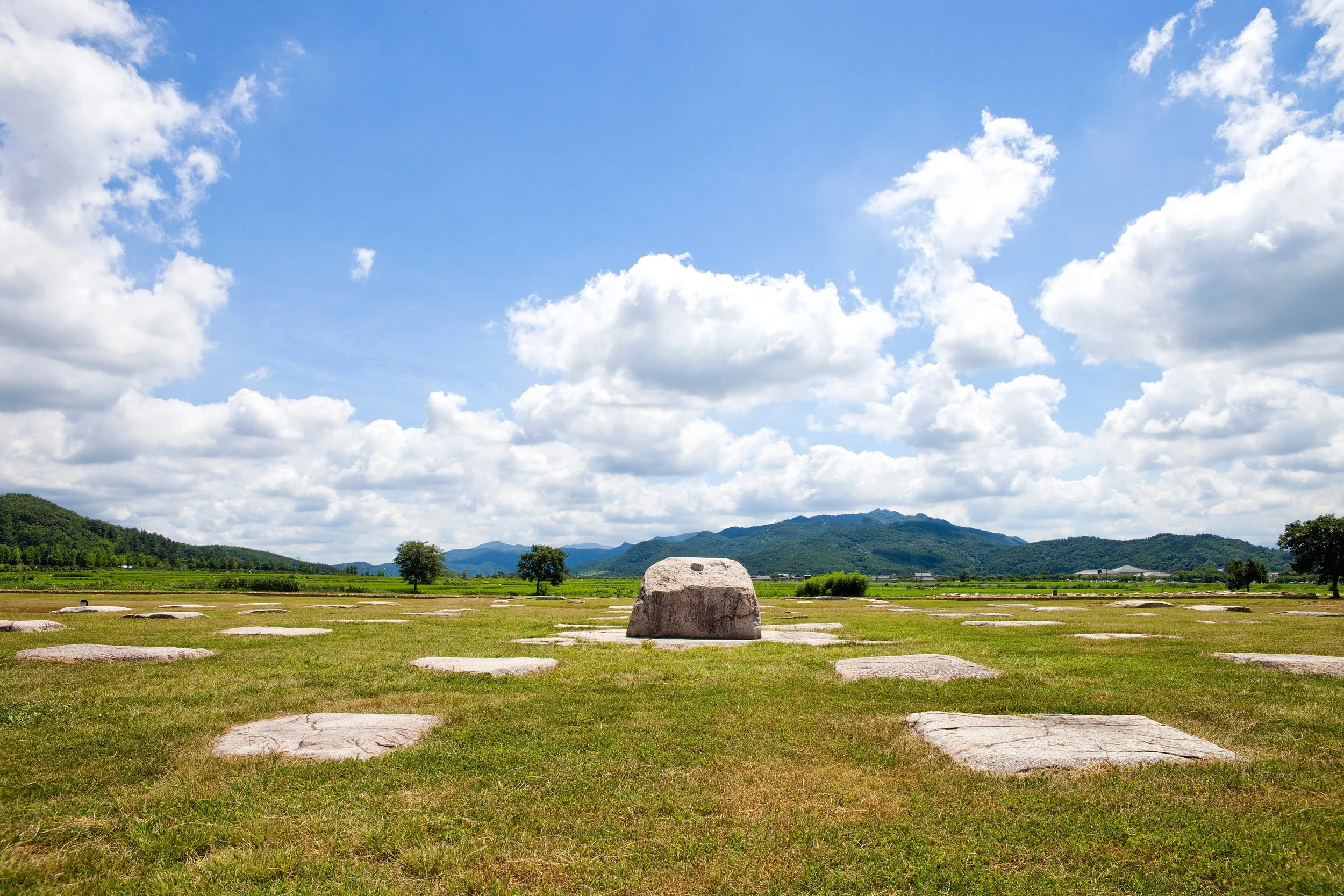
Nearby: Hwangnyongsa Temple Site
The Hwangnyongsa Temple Site was once Korea’s largest and most magnificent Buddhist sanctuary. It formerly housed two of Silla’s three greatest national treasures: the nine-story wooden pagoda and a sixteen-foot-high statue.
At the current time, the site still reflects the Silla belief that their kingdom was a sacred land of the Buddha.
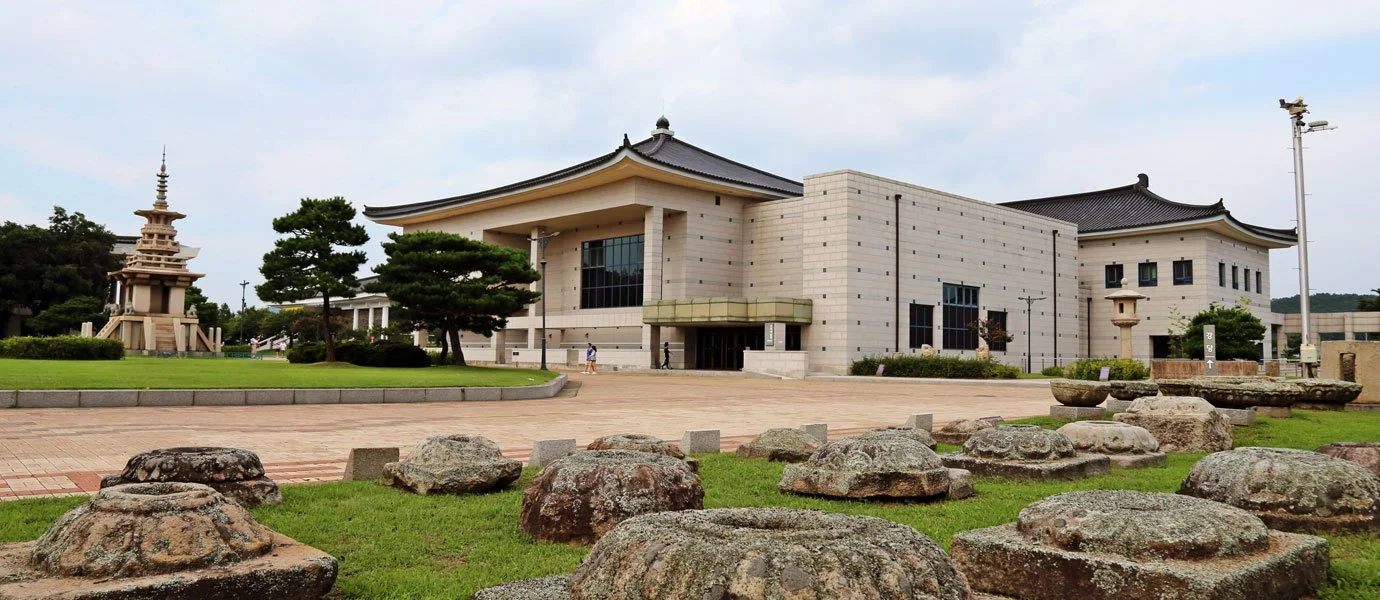
Nearby: Gyeongju National Museum
The museum displays over 3,000 relics unearthed around Gyeongju, including the Sacred Bell of Great King Seongdeok (also known as the Emille Bell), exquisite gold crowns, and Buddha statues. These treasures are showcased in the permanent exhibition galleries, outdoor displays, and special exhibitions.
(The bus will also stop directly at the museum in 10 stops. Look out for the stop “Gyeongju National Museum“)
Bukgun-dong Pension Village and Donggungwon

Gyeongju East Palace Garden
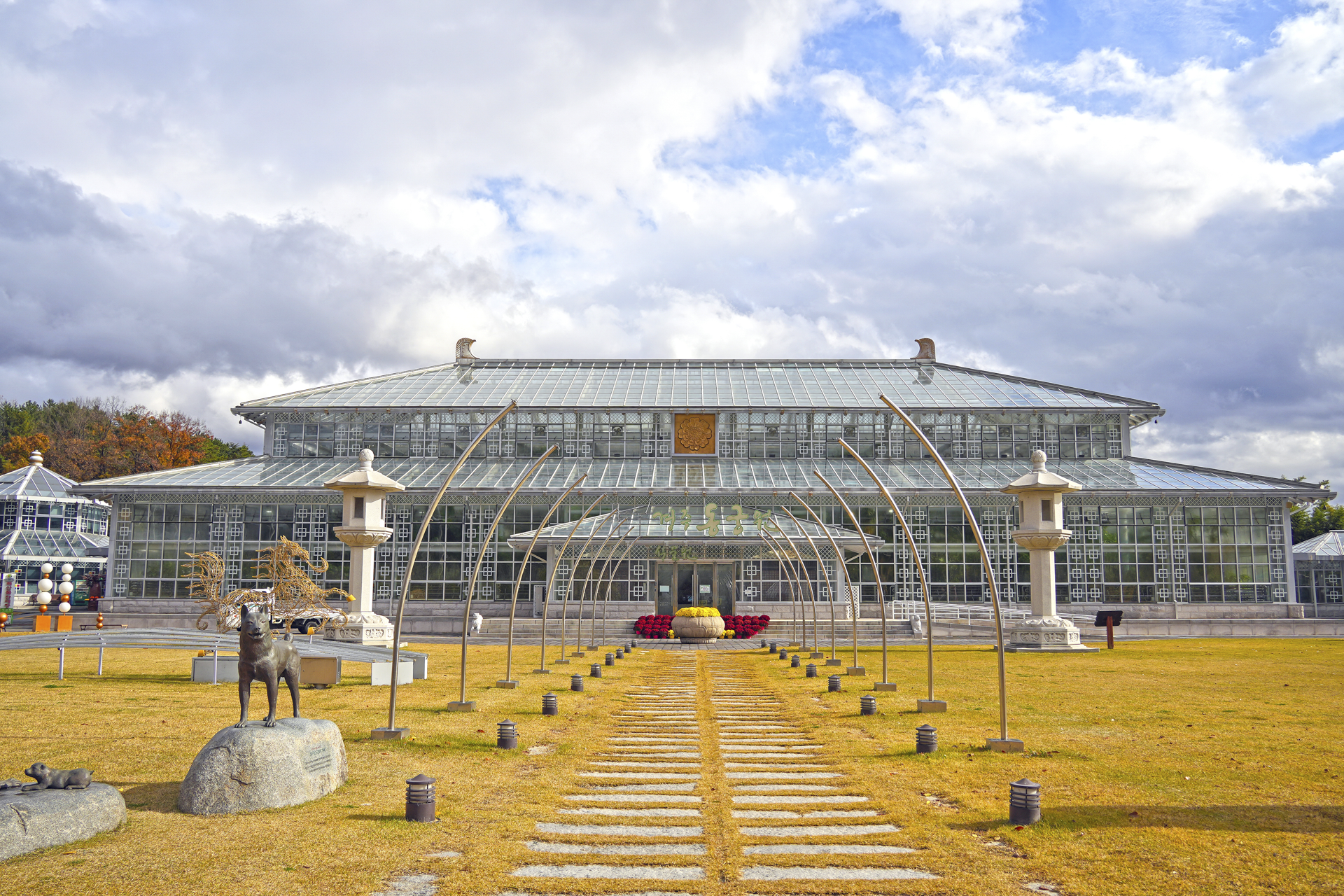
Distance from Stop : 2 min
The beautiful modern recreation of the Donggung Palace and Wolji Pond, Korea's first zoo and botanical garden. With an area of 64,830 m2, the garden also offers access to the Gyeongju Bird Park and an Agriculture Experience Space; it is a highly recommended place for families.
Bomun Lake Trail
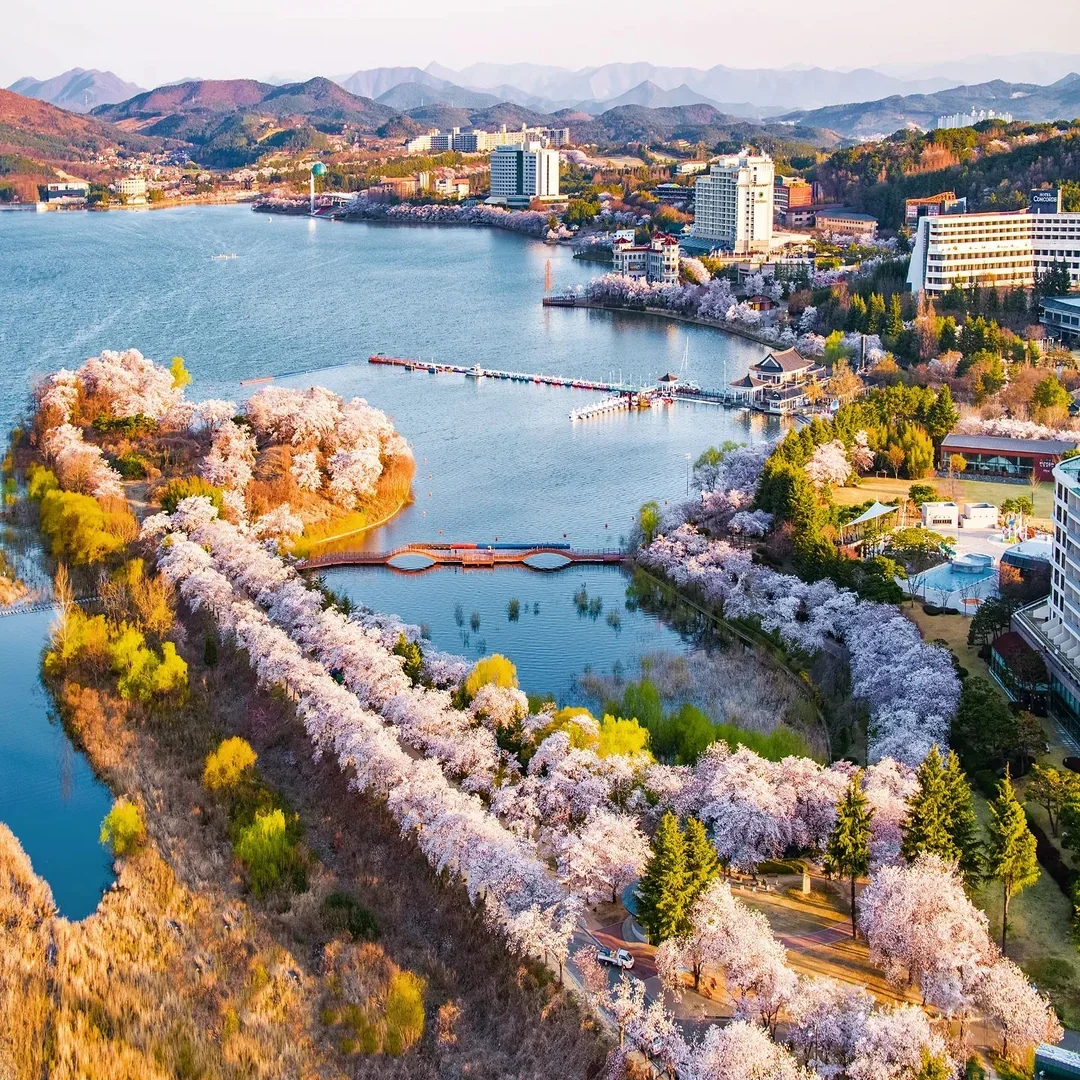
Distance from Stop : 2 min
Take an easy stroll along the path that stretches beside Bomun Lake, where the flat, continuous 8-kilometre trail offers a beautifully scenic and leisurely experience. You can enjoy a comfortable walk along the water’s edge, taking in the expansive lake views as you complete the full loop. For those who prefer a shorter excursion, the trail also accommodates a relaxed walk along the trail’s most picturesque section!
Hilton, The K Hotel, kT Training Center

Bomunjeong Pavilion
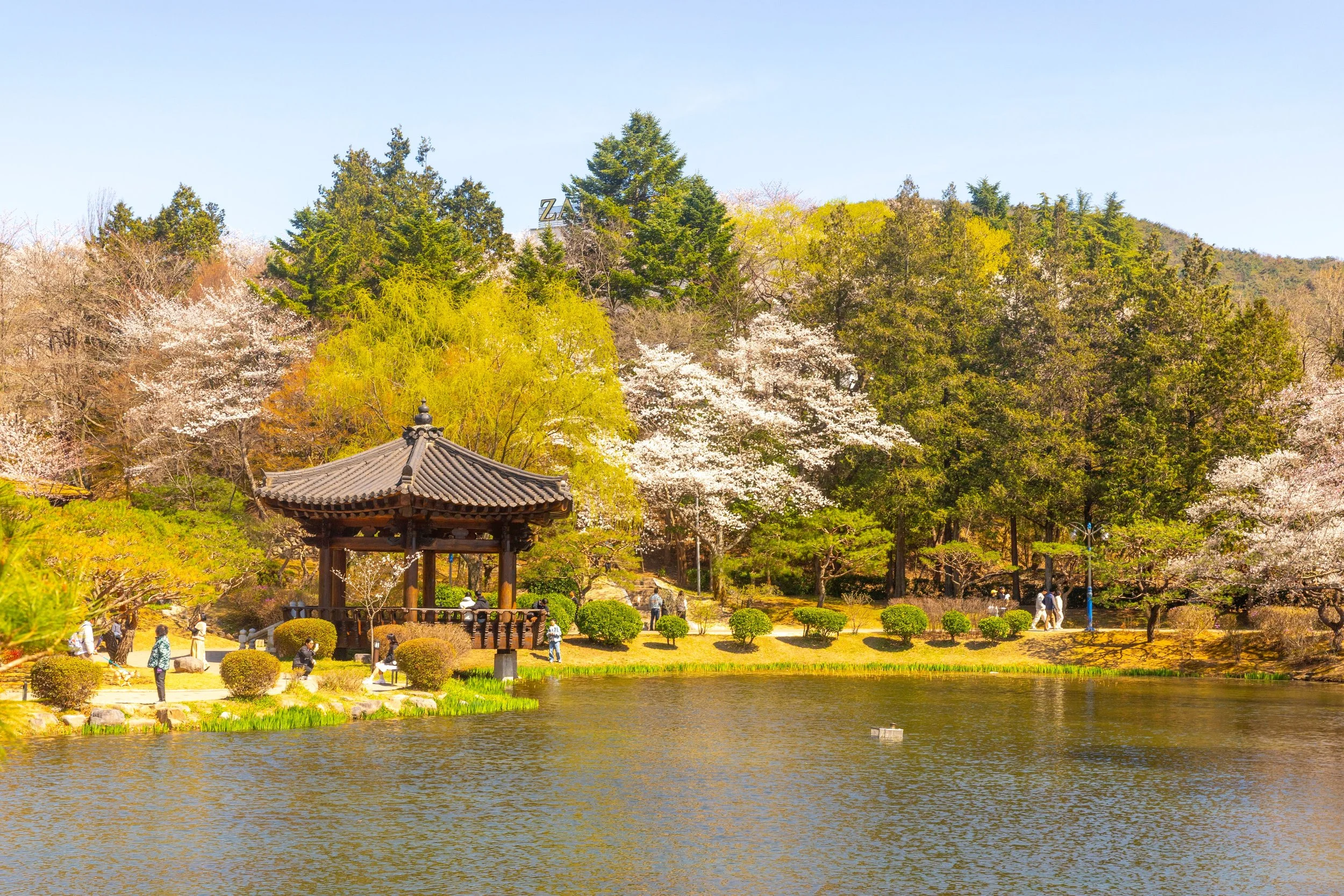
Listed on CNN’s “50 Beautiful Places to Visit in South Korea,” Bomunjeong Pavilion is a year-round masterpiece. This small octagonal structure sits between two ponds, creating a perfect mirror reflection that changes with the seasons. It’s a place where the scenery does most of the talking, leaving a quiet and lasting impression.
Hwangnyongwon
A reinterpretation of the Hwangnyongsa nine-story pagoda structure from the Silla period that now offers meditation programmes.
From simple one-hour programmes to overnight tours, you can find your peace at your own pace here.
Note : Courses are available through prior reservation.

World Culture Expo Park
Gyeongju Expo Grand Park
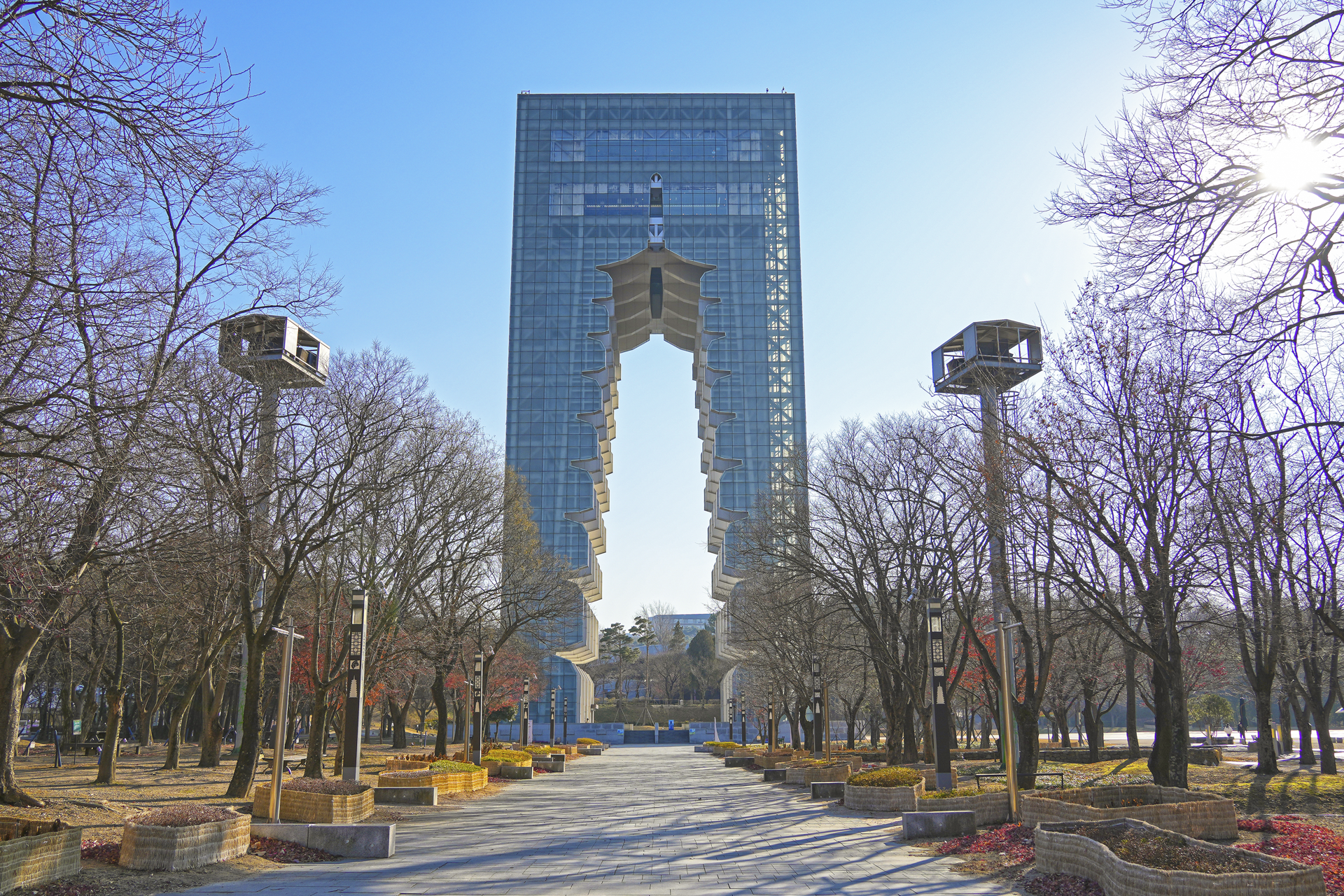
Distance from Stop : 2-3 min
Opened in 1998, Gyeongju World Culture Expo Park is a premier cultural experience ground designed to reach and connect with the world. This expansive site consistently draws a vast number of international visitors, as a permanent destination for relaxation, culture, and experience.
It is hailed as Korea’s Representative Culture Festival Ground and Korea’s Best Historical Culture Experience Park.
Golgulsa Temple
From World Culture Expo Park, take Bus 100 and drop off at Andong Station. Distance from stop: 20 min
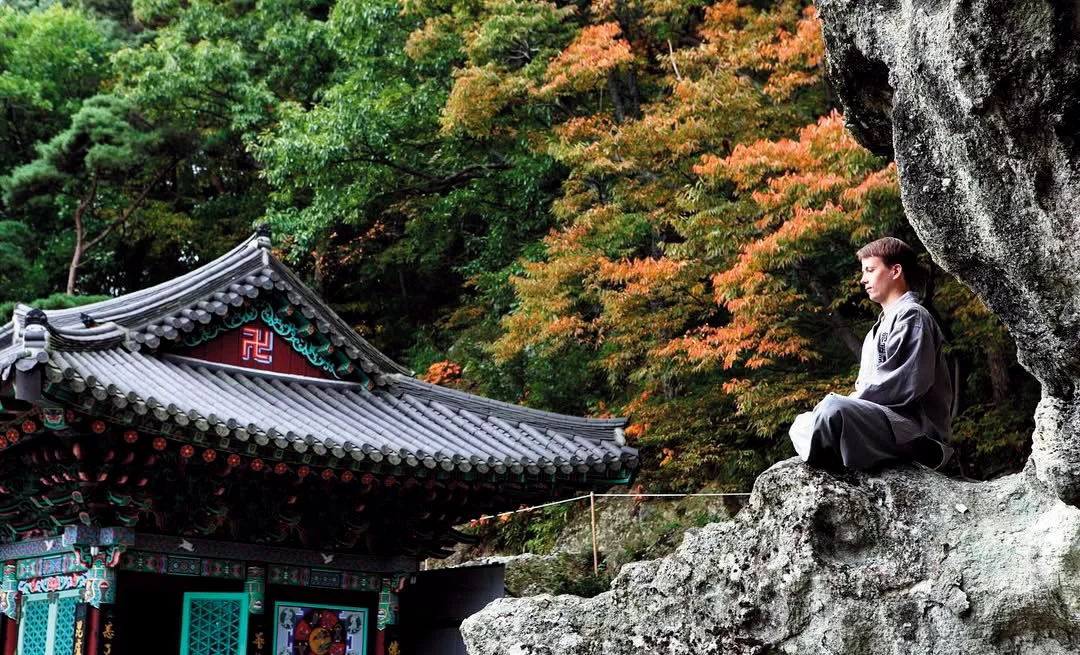
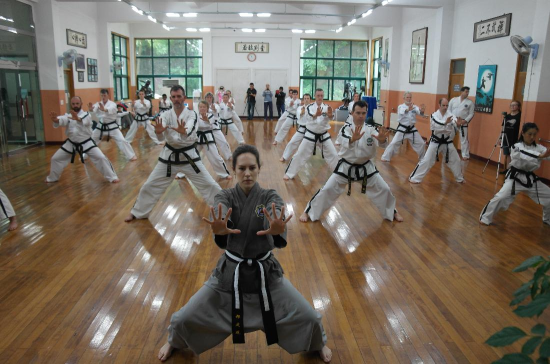
Here is where you find Gyeongju’s most unique experiences—’Golgulsa Temple Stay’. As the only temple in the world dedicated to Seonmudo, a form of moving meditation and martial art, Golgusa Temple is a sanctuary where travellers may fall into the silent embrace of Mother Nature and step away from the monotony of life.
Days here begin with temple bells, followed by meditation, gentle training, and simple meals shared with monks. Don’t miss out on this rare experience you won’t easily find elsewhere.
Bulguksa Temple
Bulguksa Temple
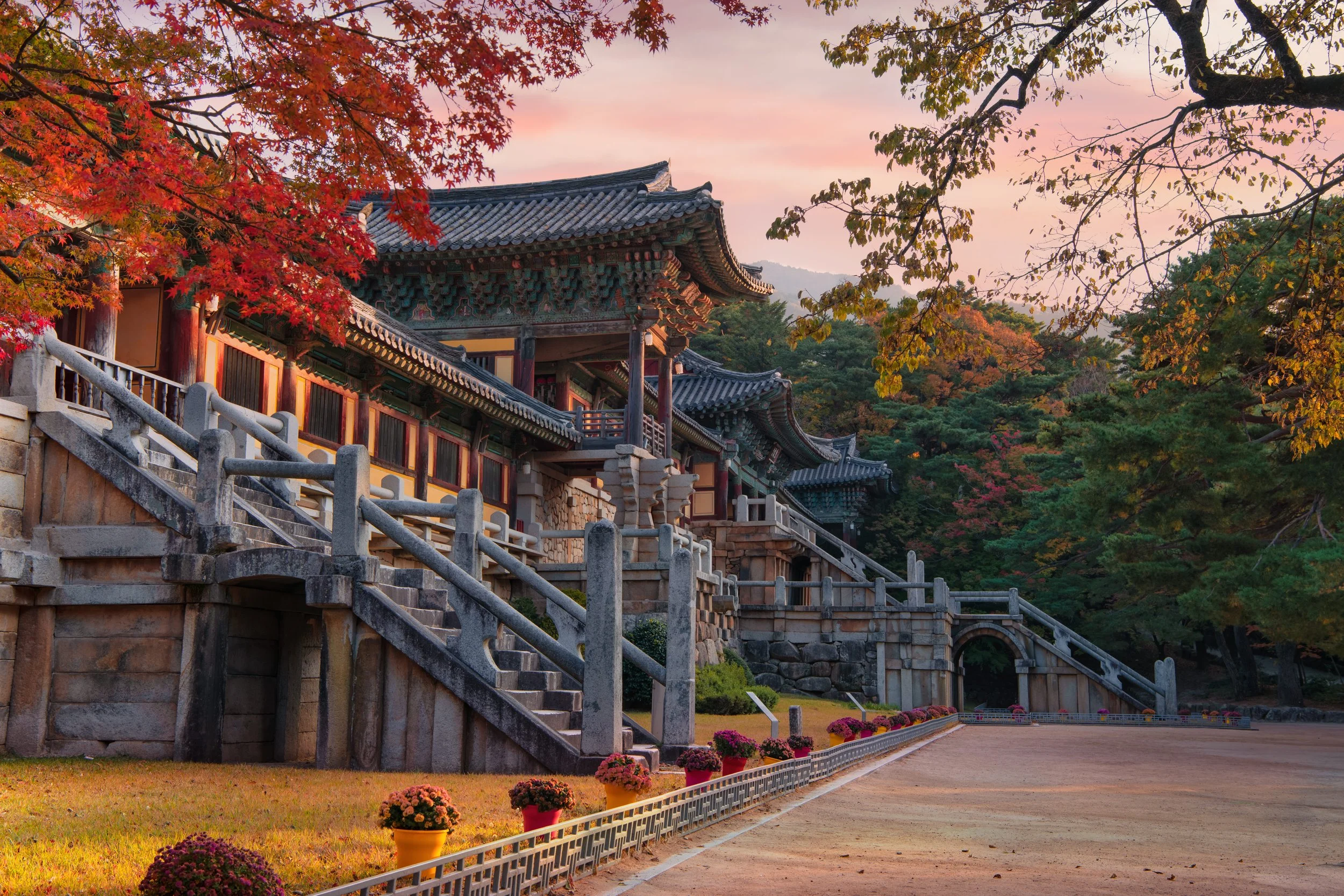
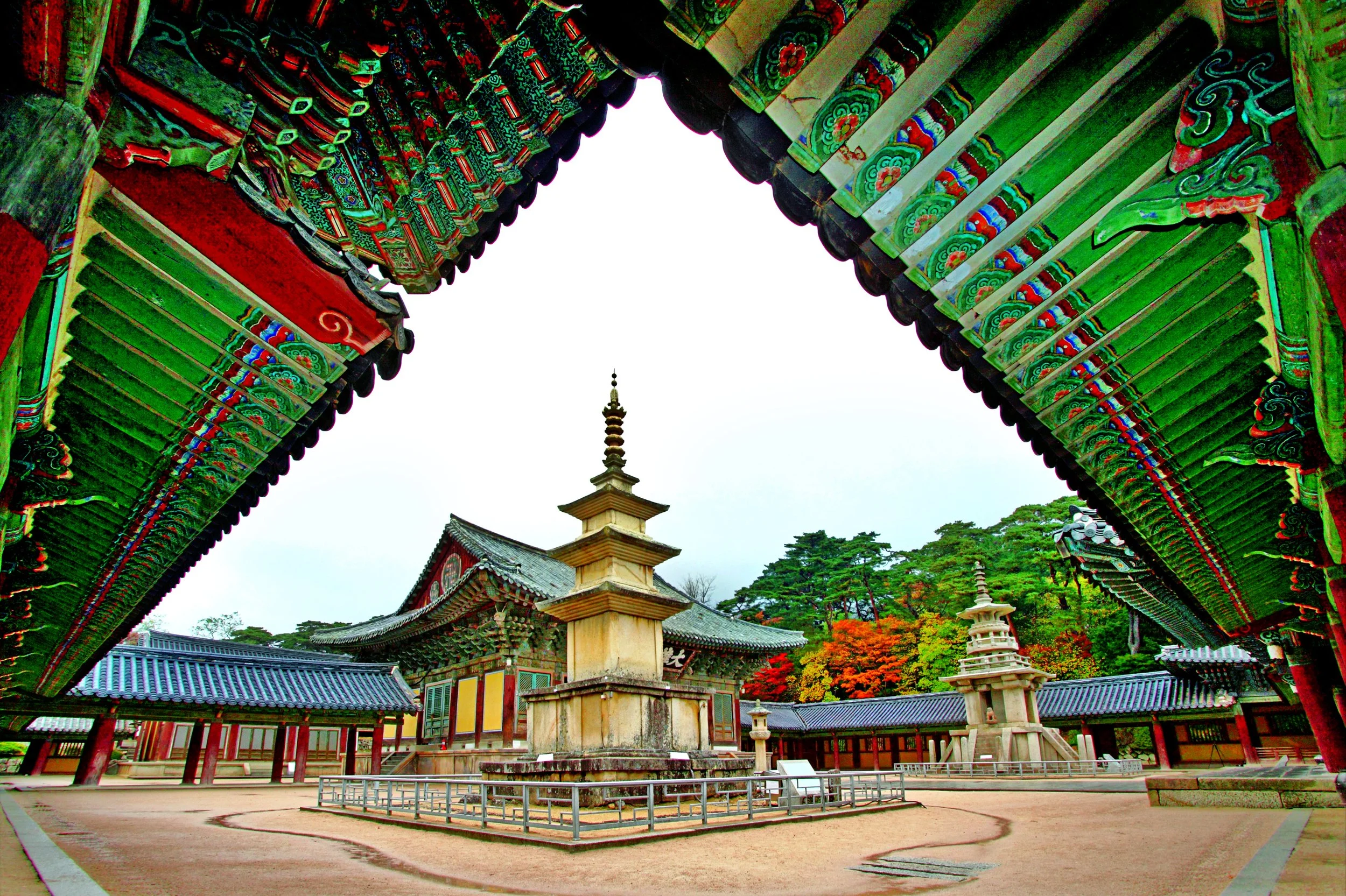
Distance from stop : 3-5 minutes
One of Gyeongju’s most iconic landmarks! Bulguksa Temple is a reflection of Korea’s spiritual heritage. Stone stairways, wooden halls, and peaceful courtyards guide visitors through time to the very heart of the Silla Kingdom.
While you’re here, admire the seven national treasures, especially the famous Dabotap Pagoda on the 10-won coin!
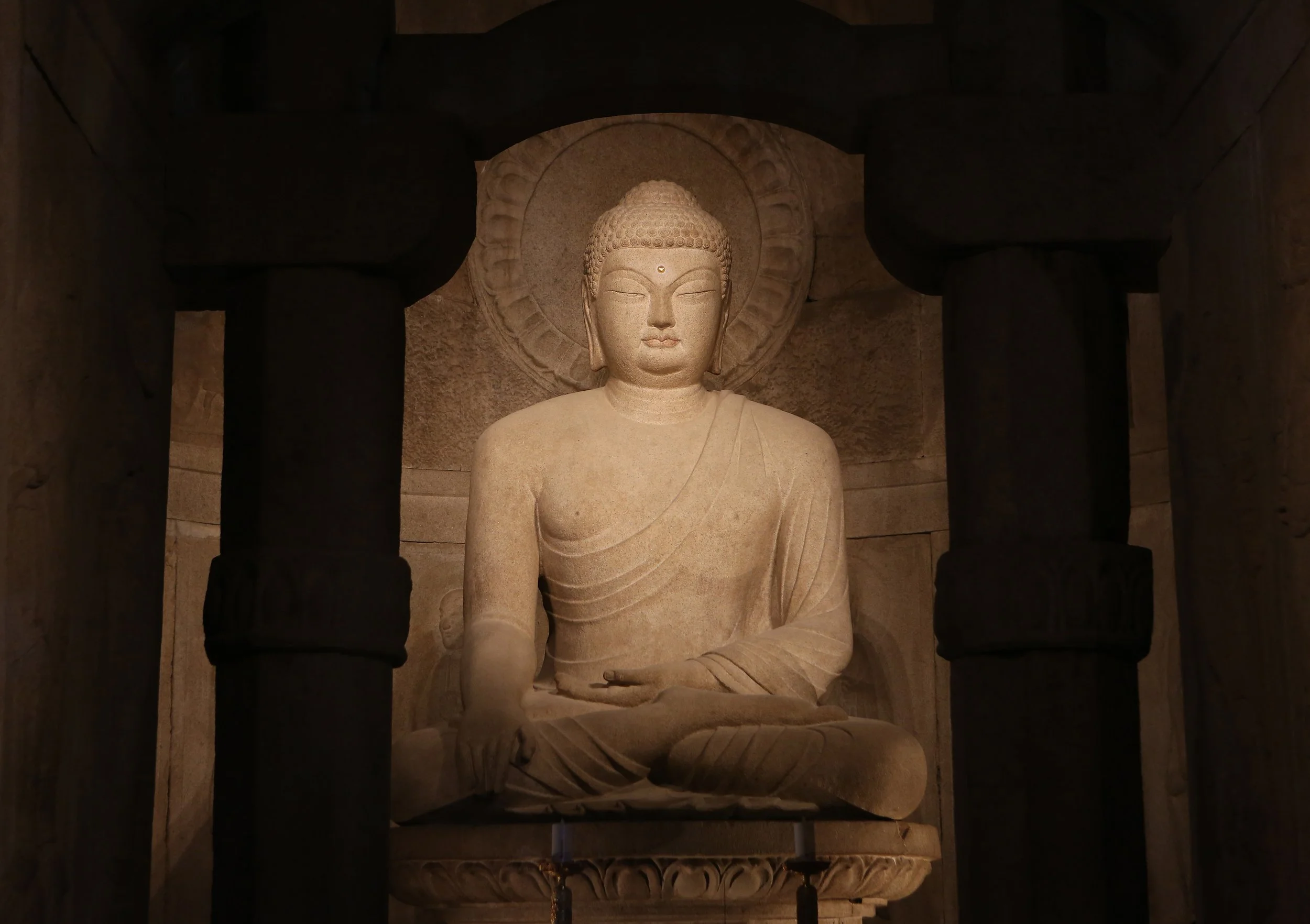
Nearby: Seokguram Grotto
Located on Mount Toham, Seokguram Grotto is home to a beautifully carved stone Buddha that is hundreds of years old. In the quiet of the mountain, visitors can fully admire the stone Buddha, which had been carved with great care and skill, a true relic to the deep beliefs and creativity of the Silla Dynasty from years past.
Tongiljeon
Tongiljeon
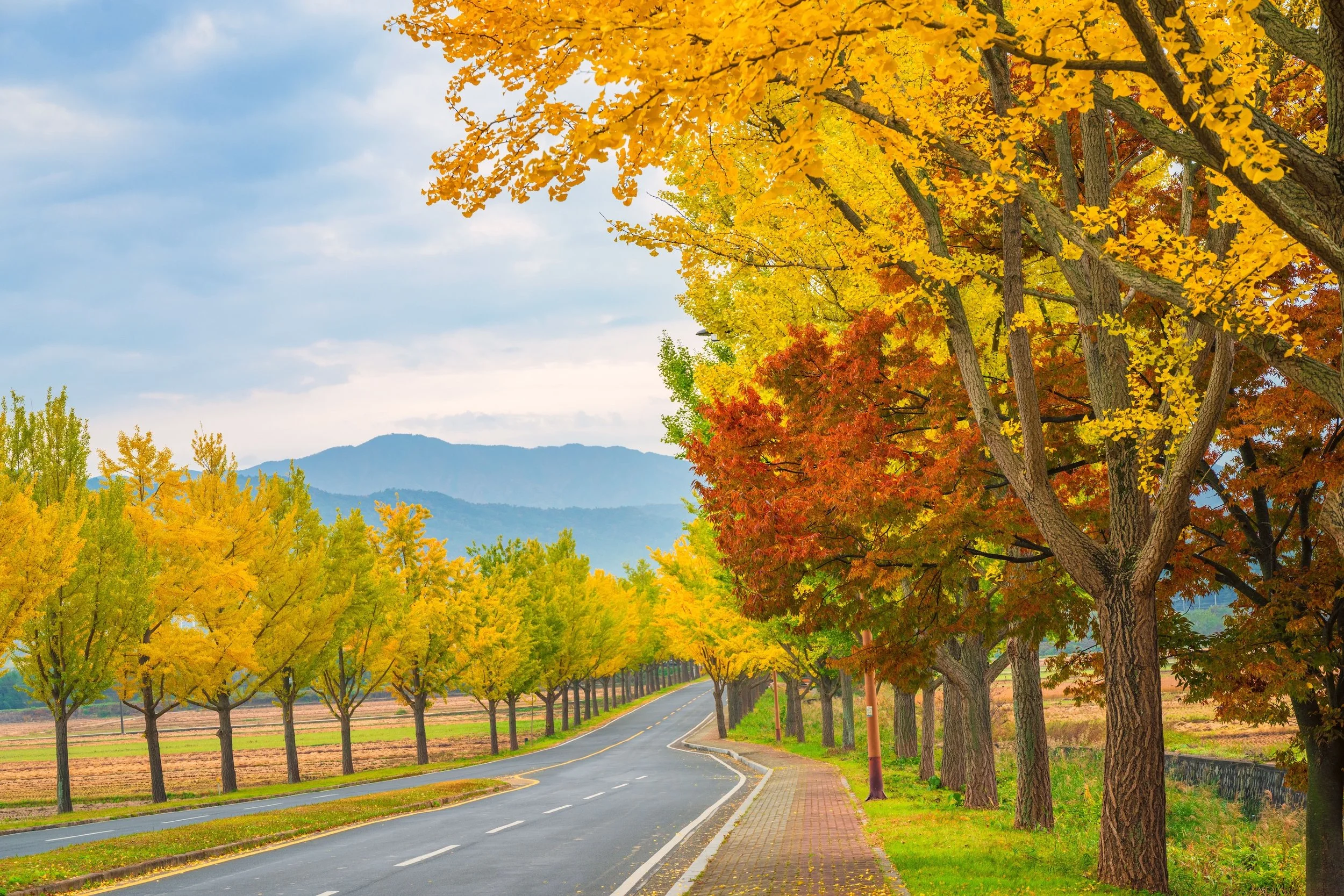
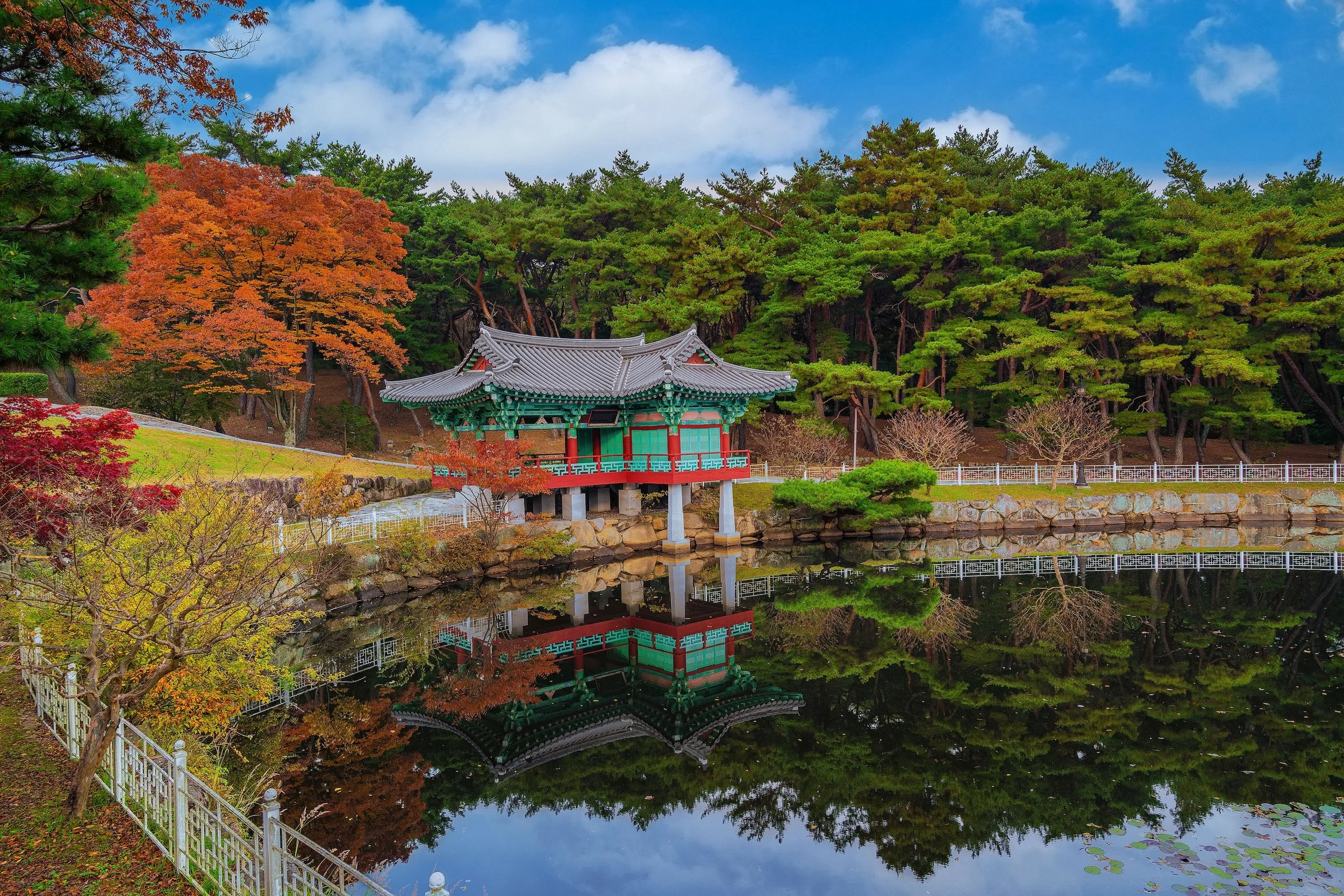
Distance from stop: 1-2 minutes
Enshrined here are the portraits of important figures who played major roles in the Unification of the Three Kingdoms, namely King Taejong Muyeol, General Kim Yu-sin, and King Munmu. Travellers can also learn the history by following along the record paintings that are exhibited alongside the corridors. Visit during autumn for an eyeful of the golden red foliage along the way and around the hall!
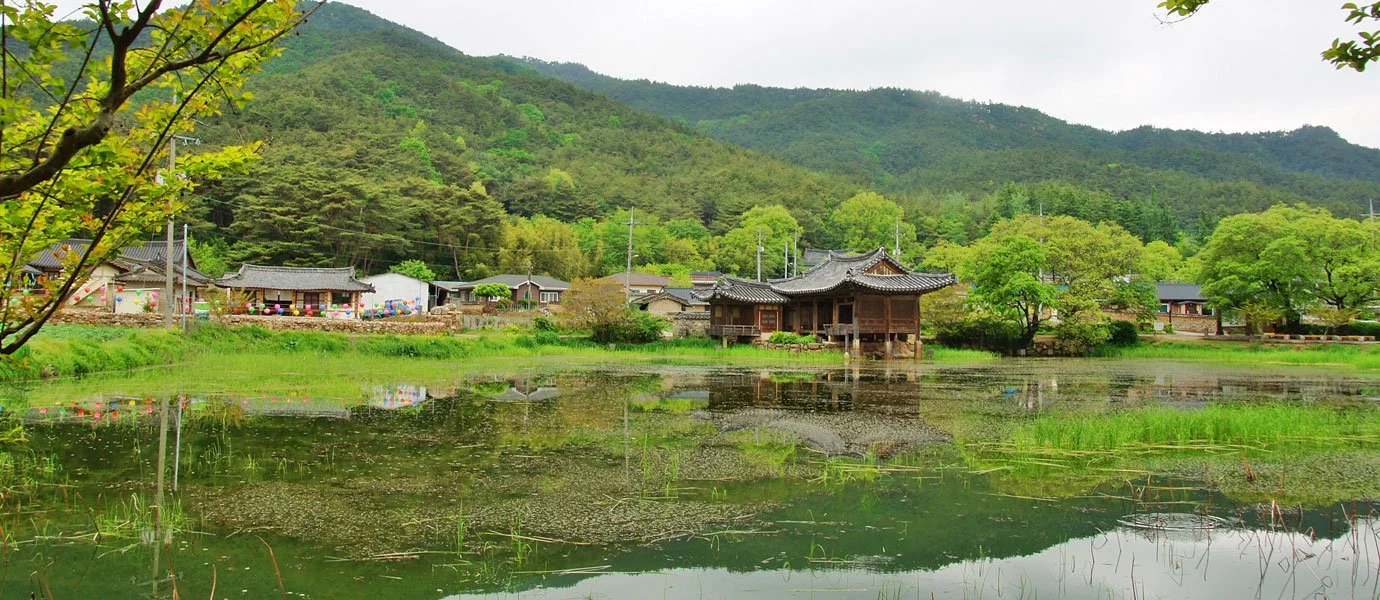
Nearby: Seochuji Pond
Flowing since the Silla Dynasty, Seochuji Pond is named for a miraculous letter that surfaced from the water and saved King Soji’s life. Standing on a stone column within the pond, Iyodang Pavilion is uniquely designed to appear as if it burst forth from the depths. Half of the pavilion gracefully floats above the surface, forming the shape of the Korean letter "ㄱ" (giyeok).
Follow the road/parking lot area to the right side of the Tongiljeon complex, you will find the trail that leads to Sinseonam and Chiburam.

Nearby: Rock-Curved Buddhas at Chiburam Heritage
40-50 minutes hike from trailhead
Elevated to National Treasure No. 312, the Rock-carved Buddhas at Chiburam Heritage stand out as the most representative ancient figures among the many Buddhas in Namsan Mountain.
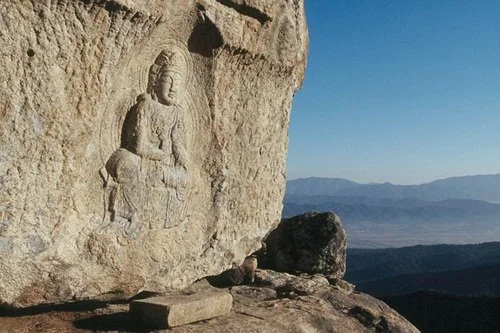
Nearby: Rock-Carved Pensive Bodhisattva at Sinseonam Heritage
10-15 minutes hike from Chiburam
Standing 1.4 metres high, the Rock-carved Pensive Bodhisattva at Sinseonam Heritage in Namsan Mountain appears to be descending from the cliff on a cloud. A three-sided bejewelled crown he’s wearing on his head, and a boundless smile plays upon his lips, as he glides down to the mundane world.
Rock-carved Buddha in Tapgok Valley
Chitbae-ban
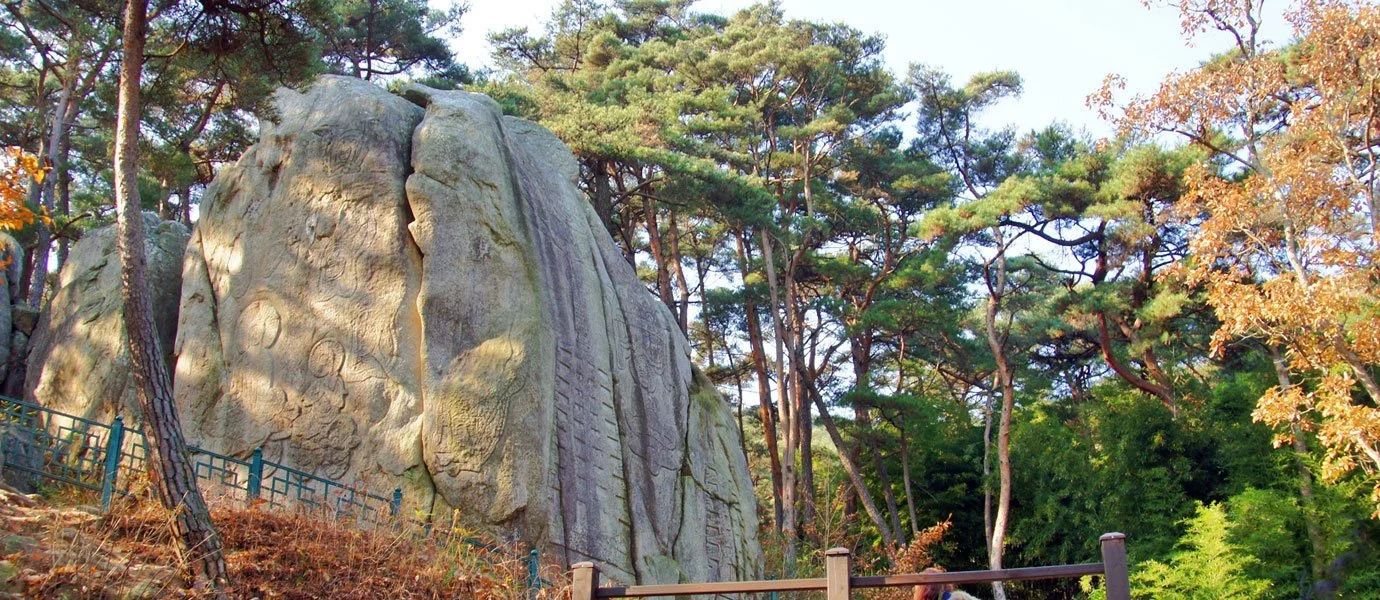
Distance from stop: 10-12 minutes
This nine-metre rectangular boulder stands on the former site of the Unified Silla-era Sinsinsa Temple. The rock’s north face features two unique carvings of seven and nine-story wooden pagodas, remarkably intact from base to tip. On the south and east faces, visitors can discover a Buddha Triad, independent Bodhisattvas, Buddhist monks, and a flying maid. This picturesque landmark serves as an essential resource for studying ancient Silla artistry.
To complete the full Namsan experience, take Bus 500 that takes you around the west side of Namshan- also a perfect ride back to downtown if you hiked the full way of the Chiburam and Sinseonam trail.
Poseokjeon
Poseokjeon Pavilion Site
Distance from stop: 2 minutes
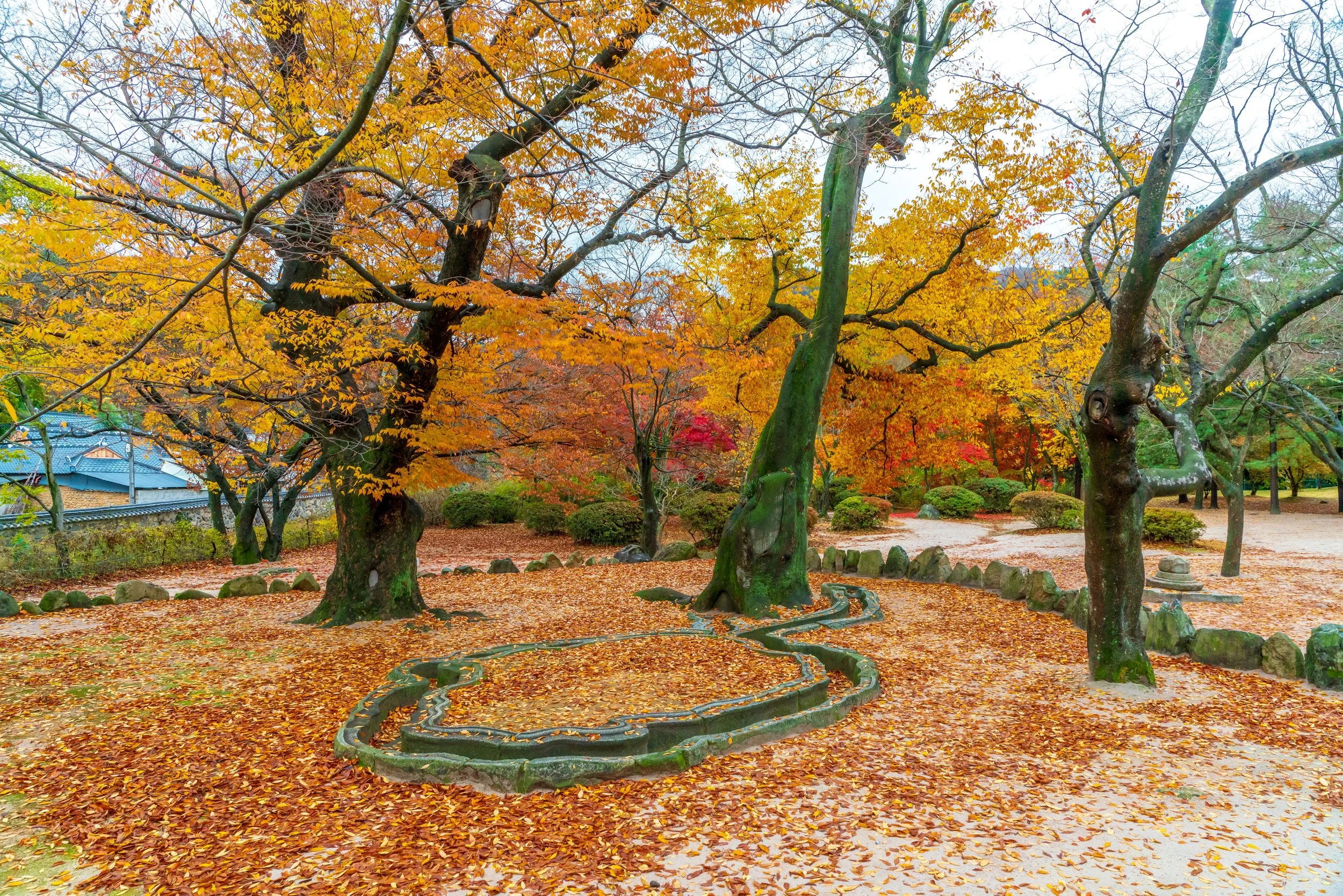
The Poseokjeong Pavilion was once a significant site where the Silla royal family performed their ancestral rites. Now, almost none of its original appearance remains except for a 22-metre water canal used for ‘Yusanggoksuyeon’. It is marked as the historic location where King Gyeongae met his end at the hands of Gyeon Hwon, the founder of the Later Baekje kingdom.
Nearby: Changnimsa Temple Site
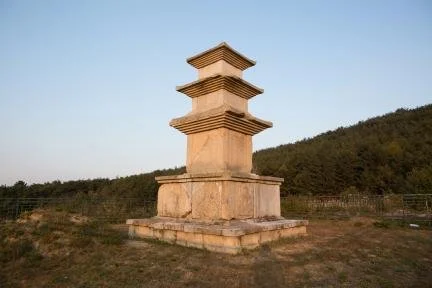
Though believed to be the location of Silla's very first palace, the site now quietly preserves only traces of Changnimsa Temple. Visitors can discover intriguing turtle-shaped monument bases alongside the largest three-story stone pagoda in Gyeongju's Namsan. In the stylobate, four of the eight Buddhist guardian deities remain preserved, highlighted by a remarkably prominent Asura statue.
Samneung
Samneung Forest
Distance from stop: 0 minutes
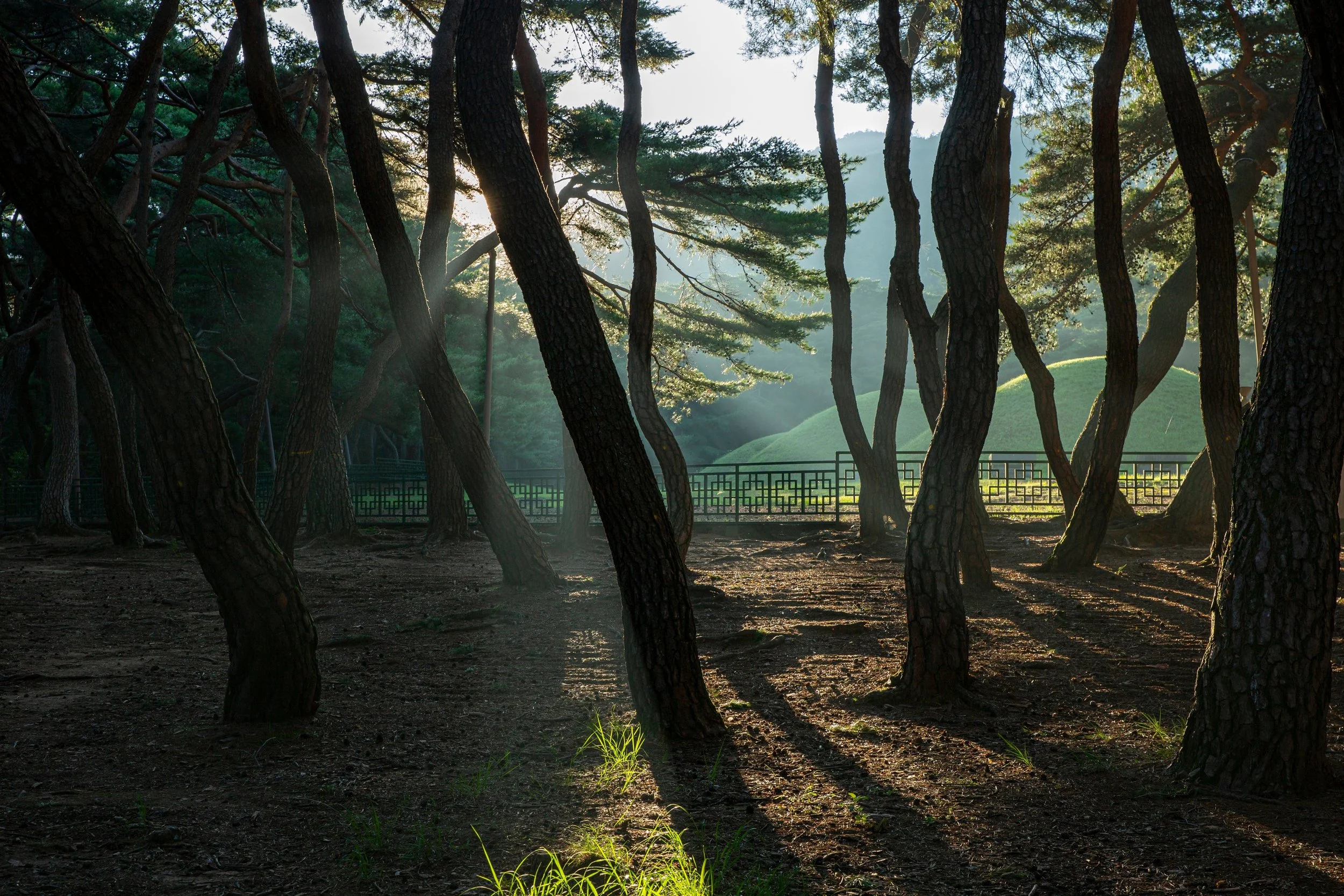
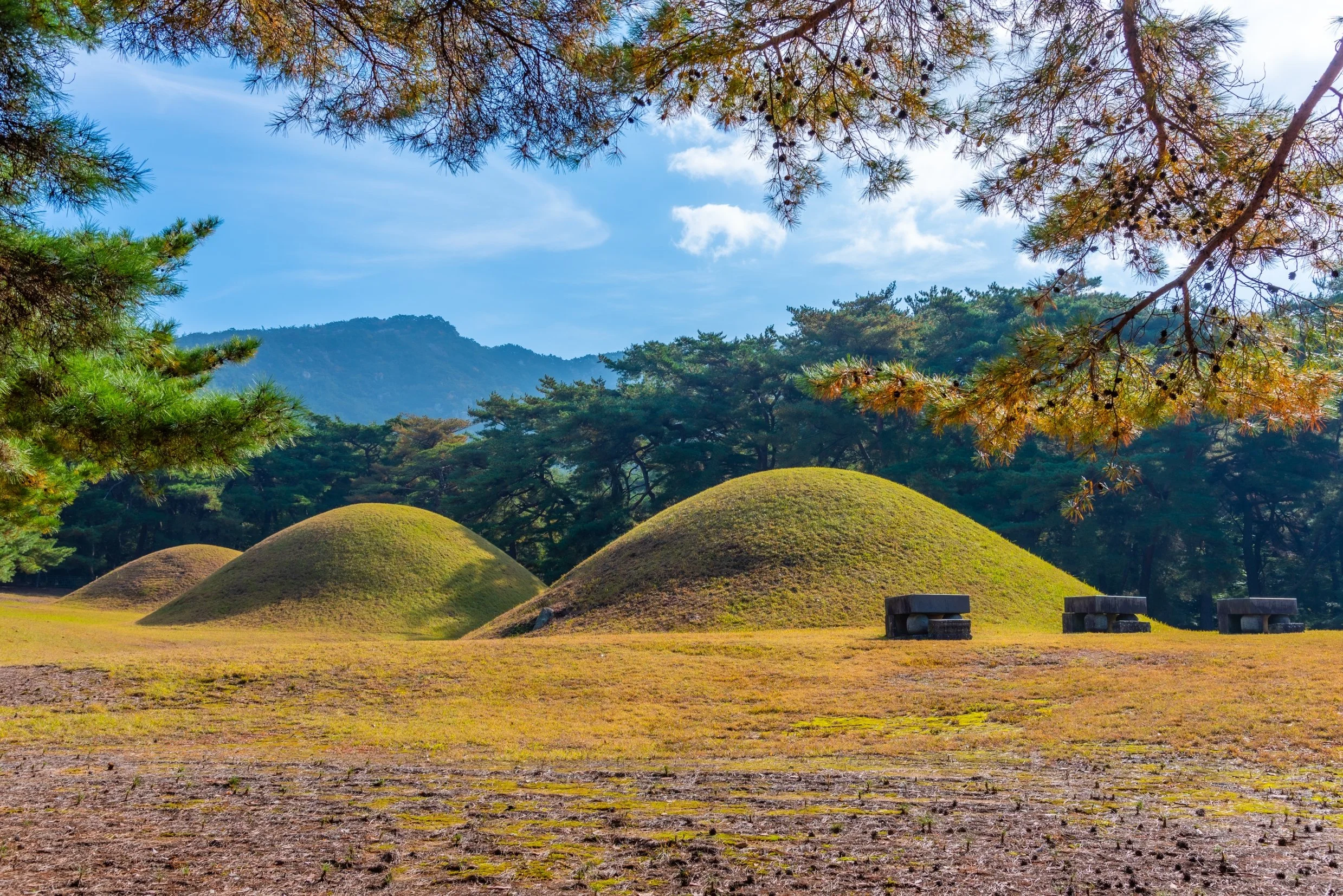
Situated west of Namsan Mountain, this majestic pine forest peacefully surrounds the three royal tombs known as Samneung. Each of the trees surrounding the sights leans and bends slightly to the side, creating the enchanting illusion of a graceful group dance.
Nearby: Samneung Royal Tombs
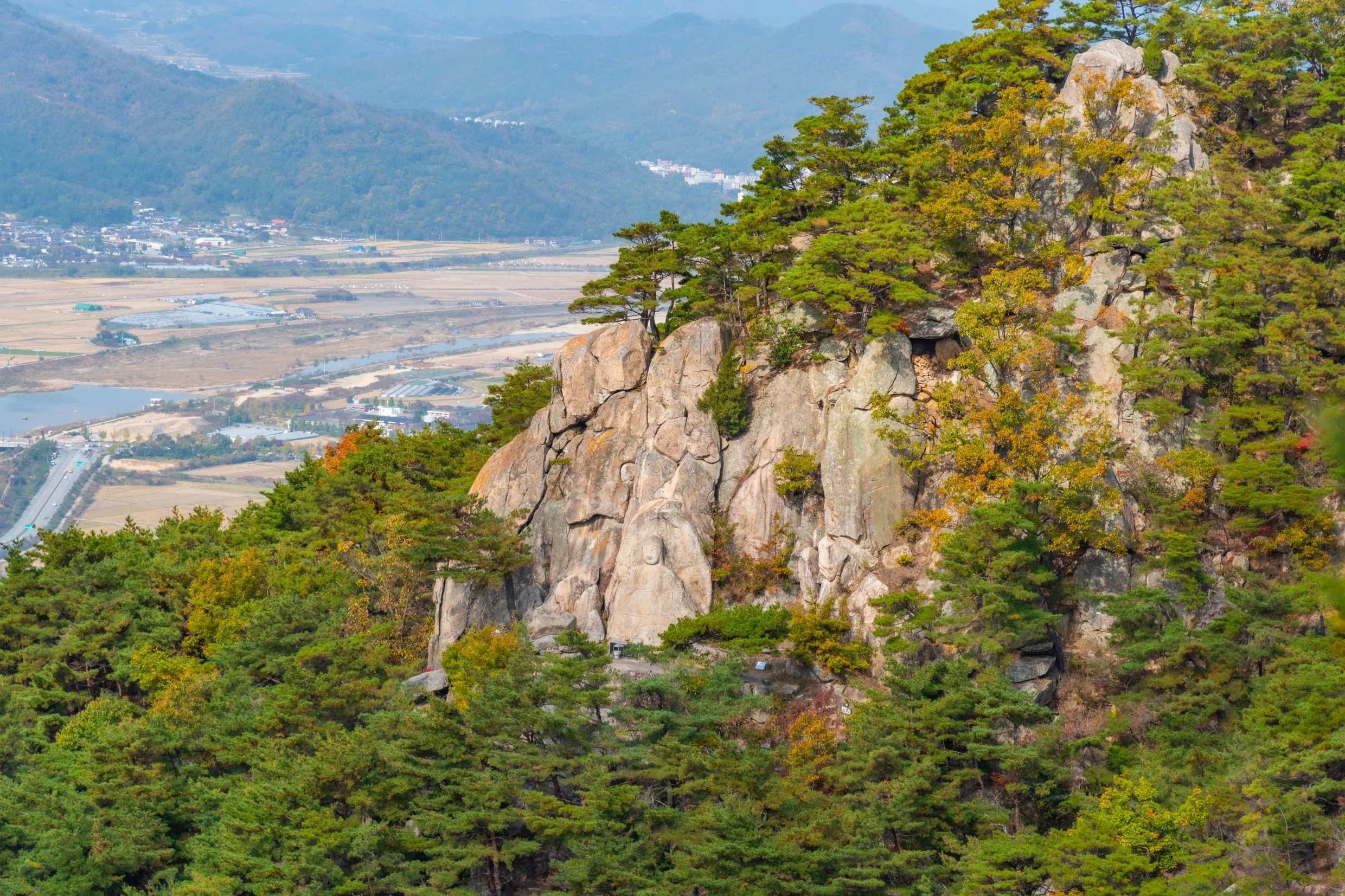
Nearby: Samneunggol Valley
Just past the tombs, you’ll find a path around the stream bed where the valley begins (approx. 300m into the forest). Samneunggol Valley holds the highest concentration of Buddhist relics among the 40 valleys of Namsan Mountain. Its rich collection of historical monuments includes seated stone statues of Buddha, the Yukjonbul Carved Rock Surface, and the Stone Seated Buddha.
Of course, Gyeongju is more than just the Gyeongju Daeureunggwon Ancient Tomb Complex and the Bomun Tourist Complex—you can also find perfectly charming coastal attractions by the sea in this town.
Let’s hop onto Bus 100 for a ride to the blue coast!
Jeonchon Port / Jeonchon Pine Beach
Jeonchon Bridge
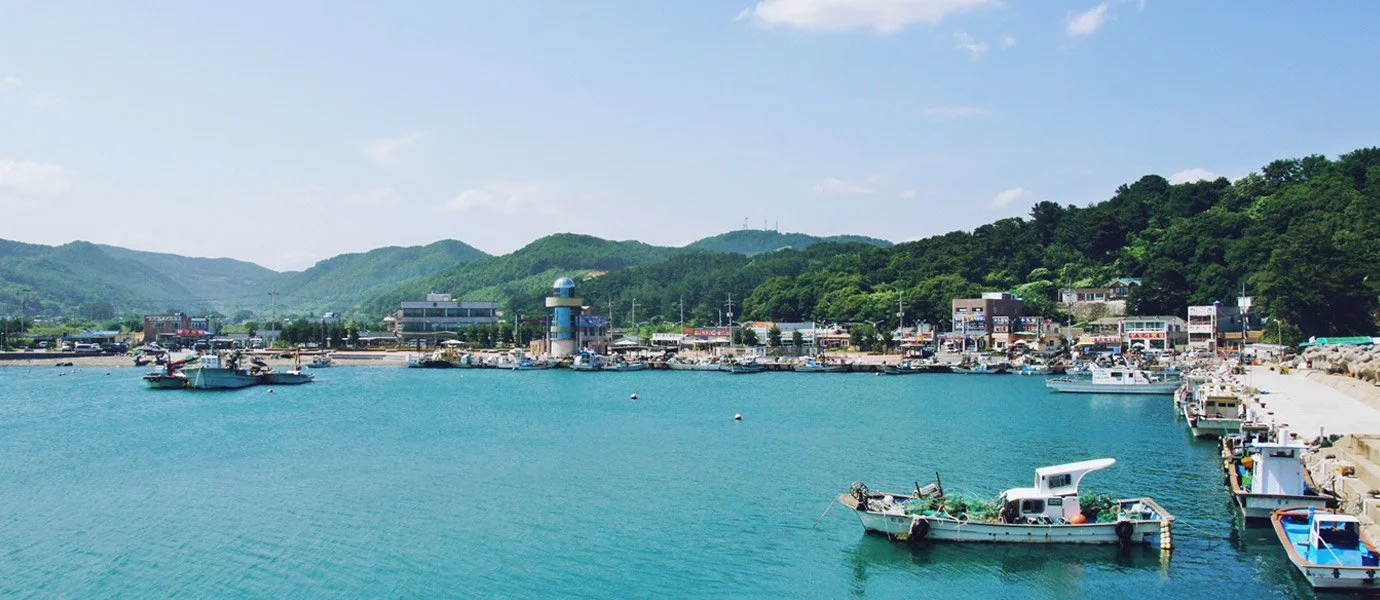
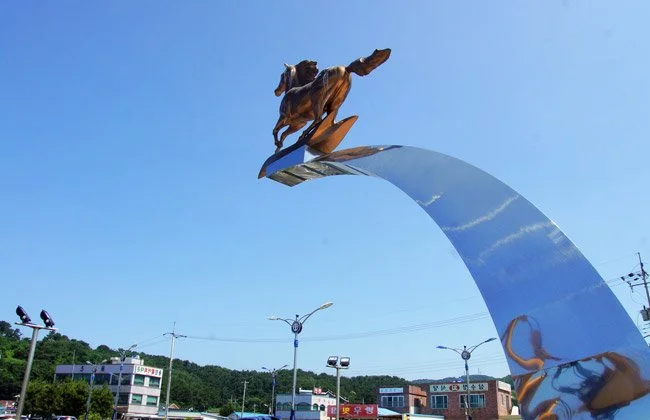
Distance from stop: 5-8 minutes
Jeonchon Port, slightly south to Gampo Port, is a fishing village where you can find plaza, fountain, pergola, gazebo, decked trails, and an observation deck. It is also home to the ‘Great Horse Stables Village’!
Not far from Jeonchon Port is Jeonchon Pine Beach. Along the shoreline, there is also a Black Pine forest where travellers can take a relaxing stroll along the blue and green.
The peaceful harbour view from the observatory, in particular, is a must-have experience, so don’t miss out!
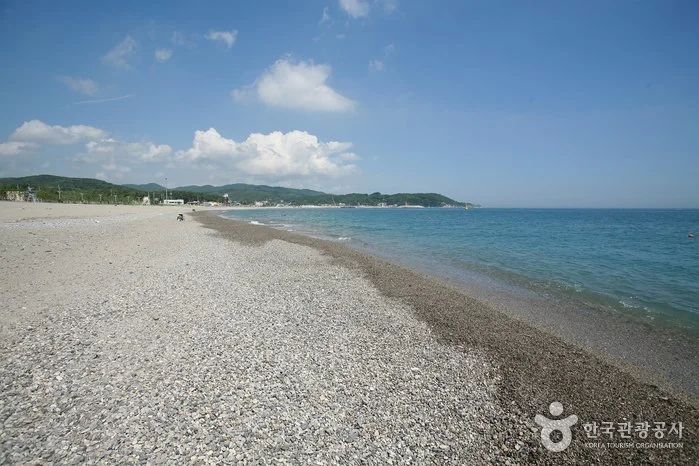
Nearby: Najeong Beach
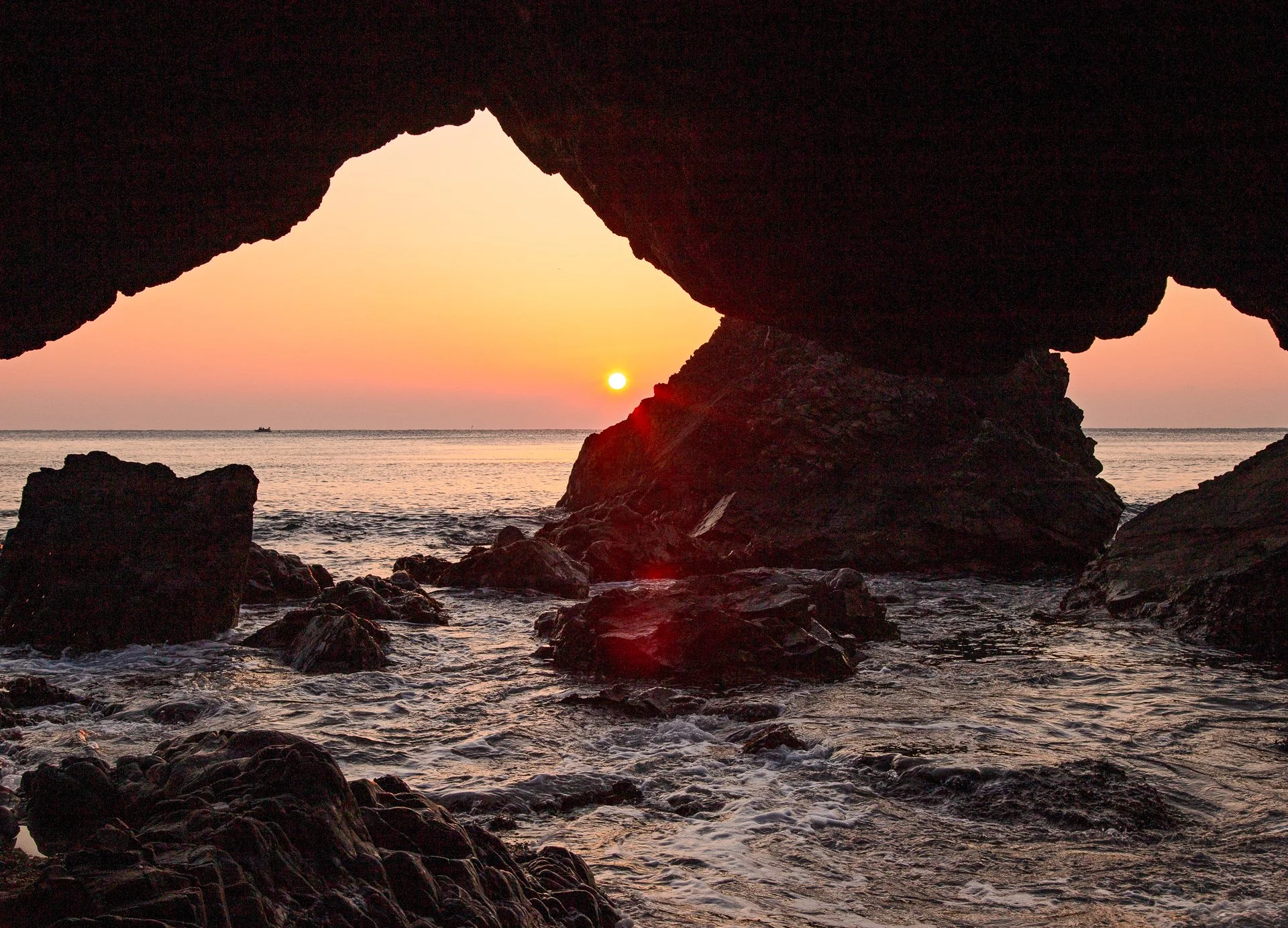
Nearby: Yonggul Cave
Walking about 10 minutes along the coastal deck walkway leads to the Jeonchon Yonggul, a mysterious cave with an enigmatic atmosphere. Created by waves and time, these sea caves have become hidden scenic spots along Gyeongju's east coast. Whether inside the cave or on the beach outside, the sunrise beautifully blends with the surrounding rocky landscape.
Gampo Port, Gampo Gongseol Market
Gampo Port
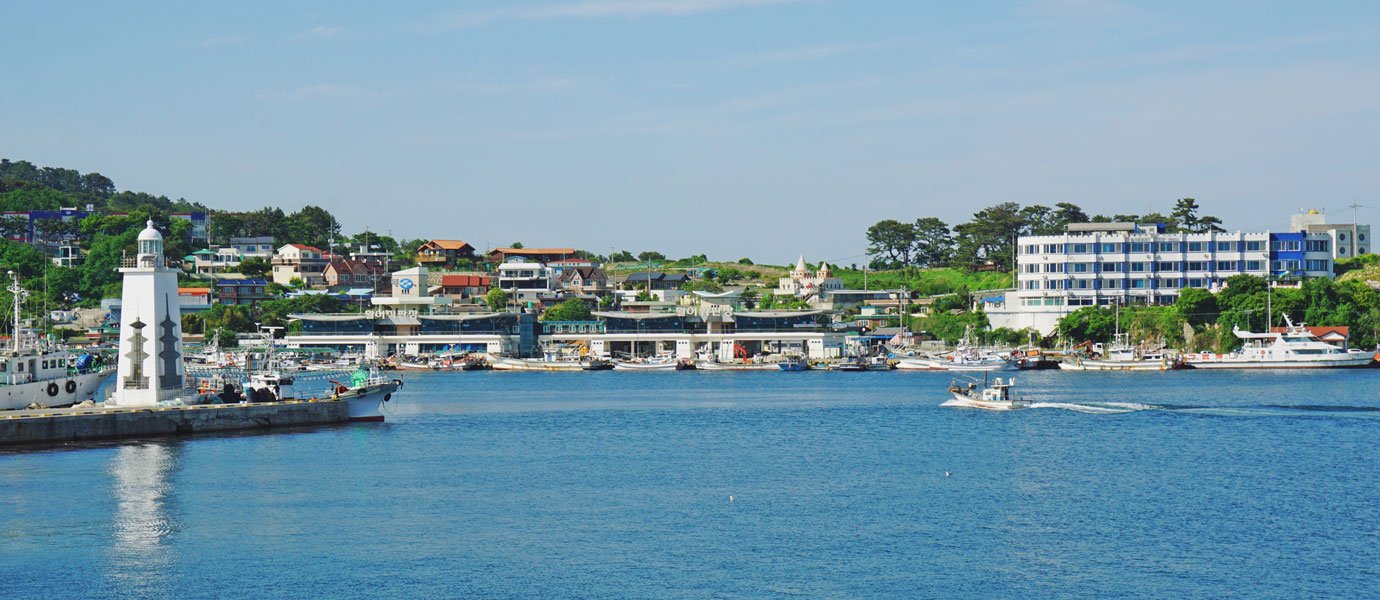
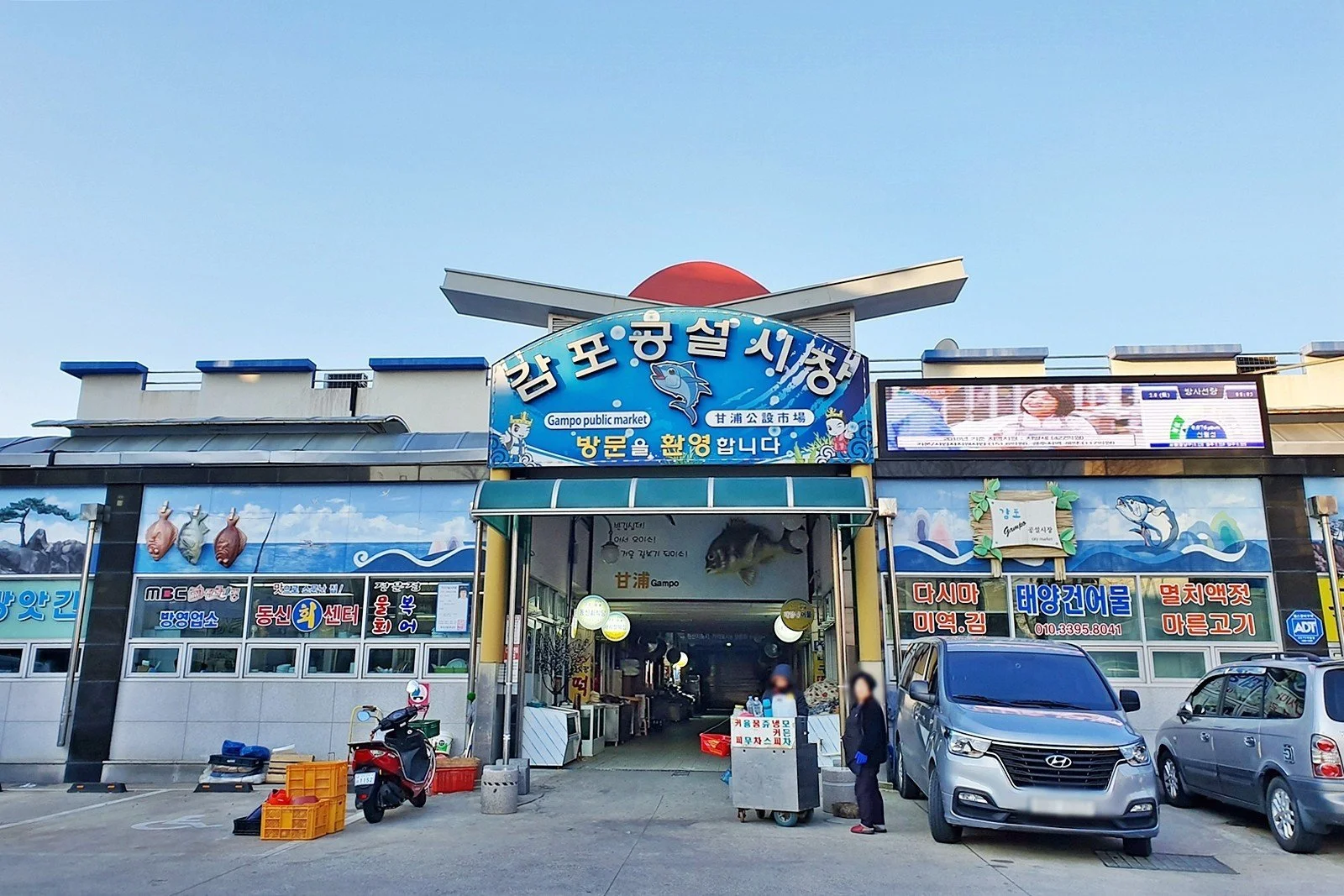
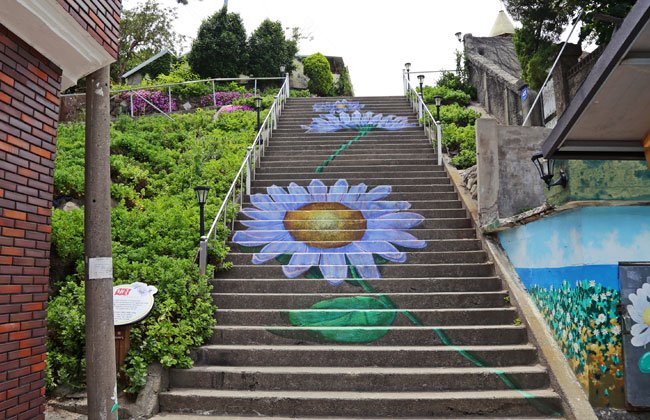
Distance from stop: 2-3 minutes
The fresh salty air, the cute little seaside town—Gampo Port will put you in the shoes of a fisherman who dreams of a full catch as he steers his way out into the sea! Gampo Port also has a live fish market that auctions fresh fish. It is well worth visiting Gampo Gongseol Market on days ending in the numbers 3 and 8 to try the local delicacy: the flounder sashimi (yum!).
The intricate network of streets and alleys inside the harbour town near Gampo Port has been organised into the “Gampo Kakkji Path,” which is a fantastic walking trail featuring beautiful murals along the way. Also, Gampo Kakkji Path passes by more than 20 Japanese styled houses used during the Japanese colonial occupation of Korea, which gives travellers a chance to reflect upon different aspects of the destination’s history.
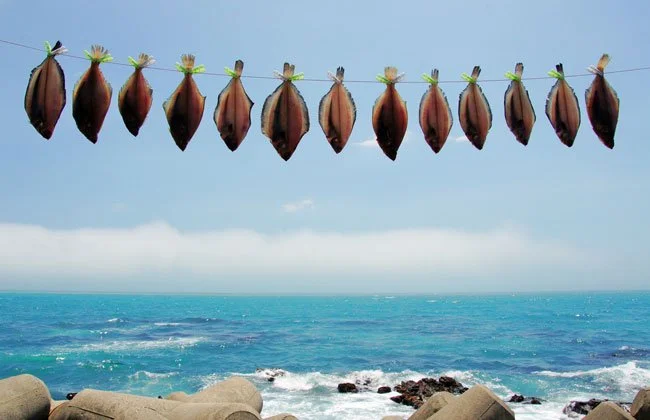
Nearby: Gampo Ocean Park
Sashimi restaurants line the streets of Gampo Port all the way to Gampo Ocean Park. At the Park, you can take your time and fill your heart with memories of the blue ocean, enjoy the lively action at Gampo Port, and immerse yourself in the peaceful tranquility of the Gampo fishing village.
Lighthouse Intersection
Songdaemal Lighthouse
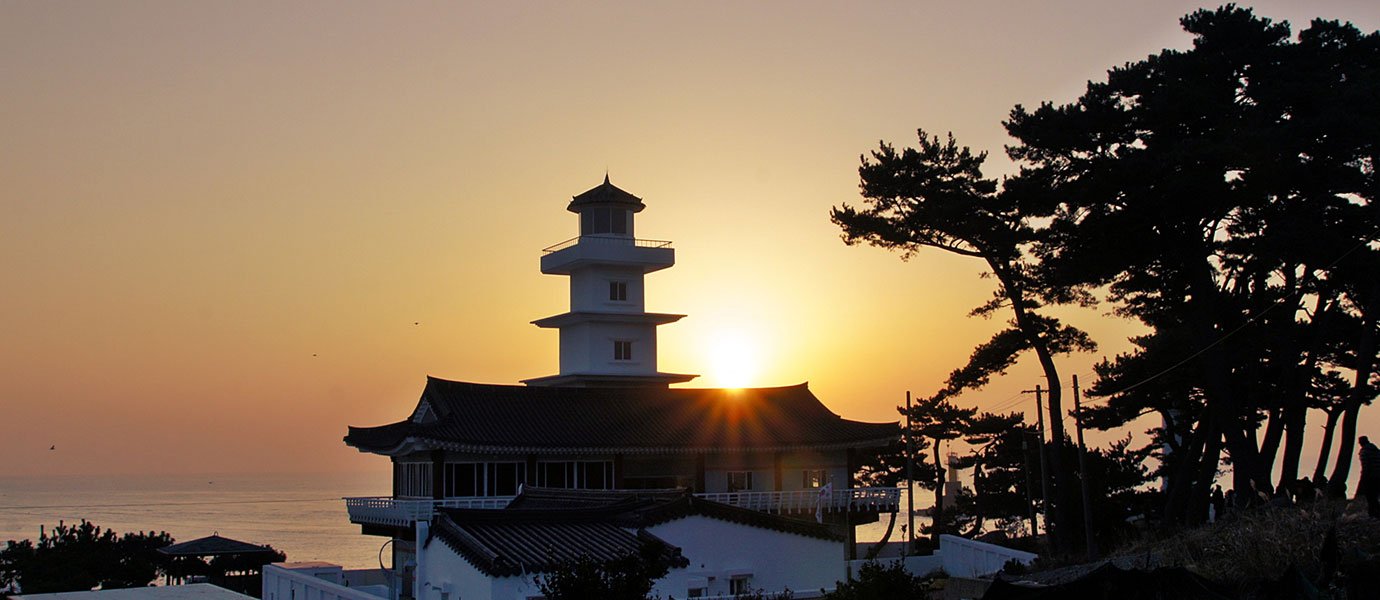

Distance from stop: 5 minutes, possible to walk from Gampo Port
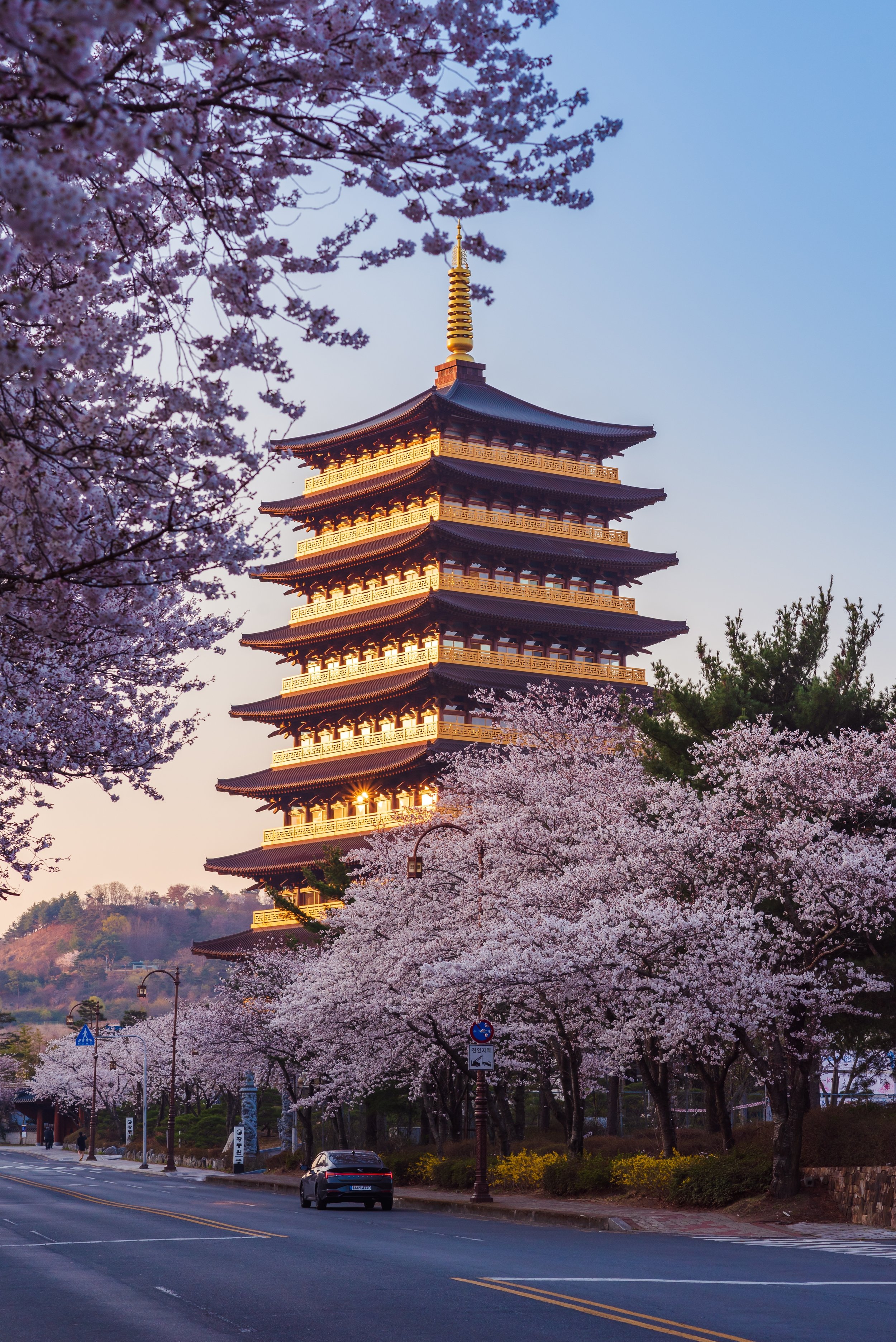
Songdaemal(松臺末), which means “edged with pine trees,” is famous for its beautiful sunrise and lighthouse. It is protected by a Black Pine forest with trees that are more than 200 to 300 years old. The breakwater features a carved three-story stone tower called the Songdaemal Lighthouse. The lighthouse stands on top of a Hanok-styled building and in front of a wooden deck that spreads out into the sea. On the deck, you can enjoy a beautiful sunrise on the rippling East Sea.
(While the following are not part of the bus route, you wouldn’t want to miss these coastal gems)
Tomb of King Munmu (Great King Rocks)

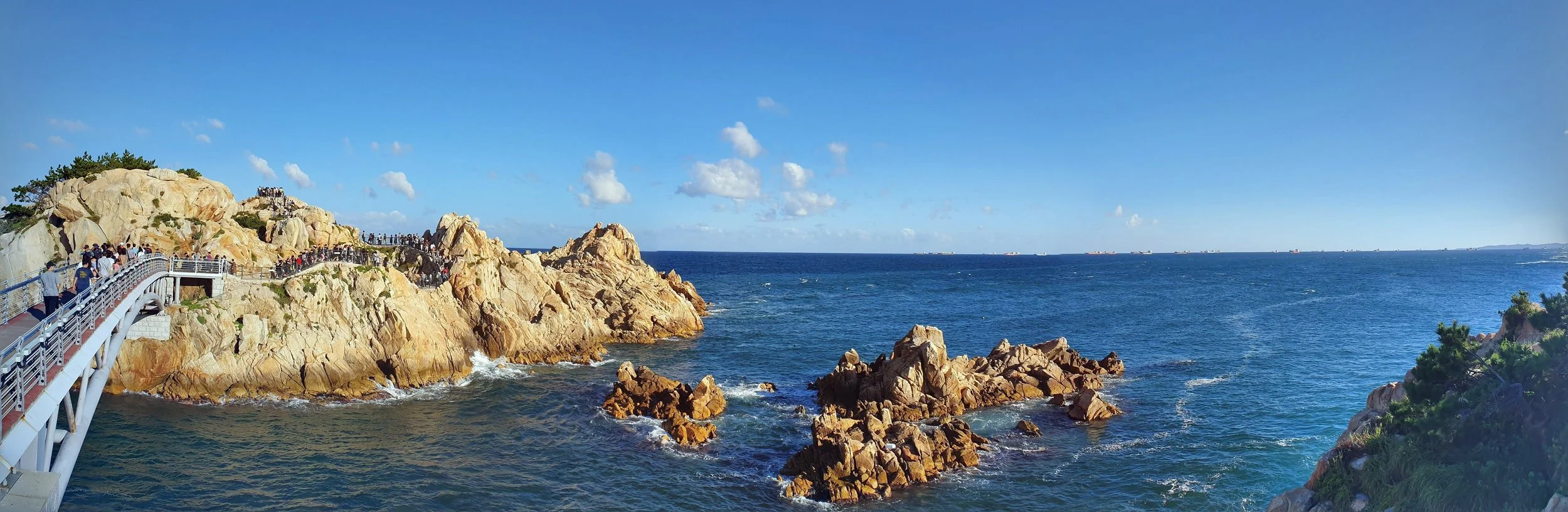
Reachable by Bus 150, 150-1, 160
Located 200 metres offshore in the East Sea is the world's only underwater royal tomb and also a uniquely dramatic historic site in Gyeongju. Beyond the majestic sights of this centuries-old cultural landmark, the legend of the king who chose this rocky islet as his burial site, so he could transform into a dragon that guards the Silla Kingdom after death, was even more captivating.
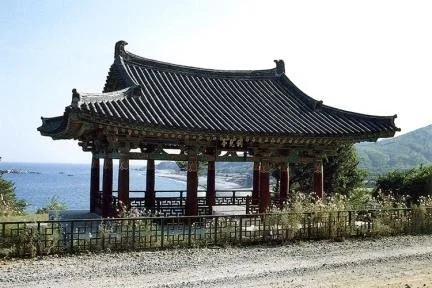
Nearby: Igyeongdae Pavilion
Built in 682 AD by King Sinmun, the Igyeondae pavilion offers the best views of King Munmu’s submerged tomb. According to legend, this is where King Sinmun first encountered sea dragons and received a magical pipe to protect the Silla Kingdom. Rebuilt on its original foundations, the pavilion stands near Gameunsa Temple, which features a sacred waterway designed for King Munmu’s spirit to return from the sea.
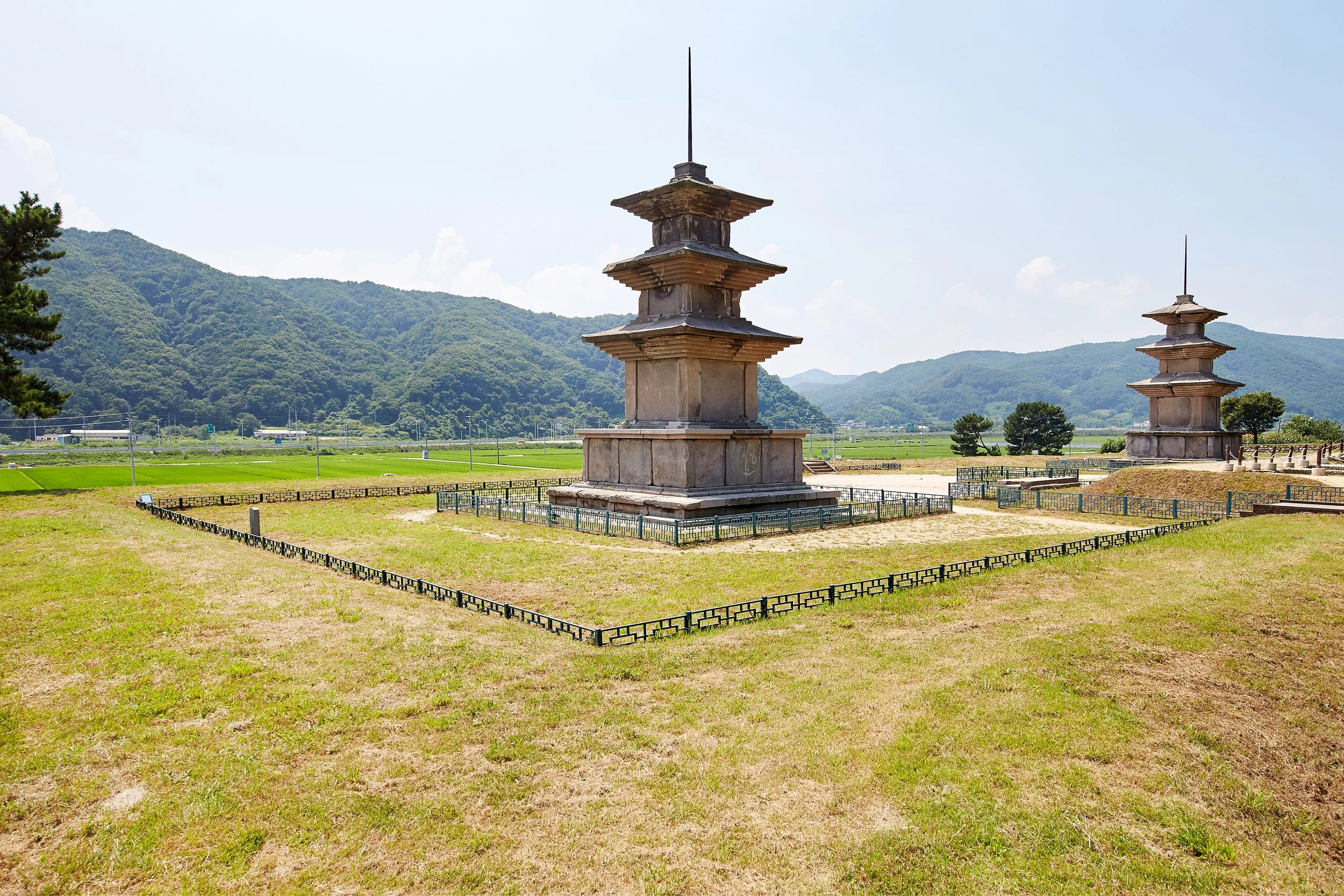
Nearby: Gameunsa Temple Site
Built in the same year as the Igyeongdae Pavilion during the Unified Silla period, Gameunsa Temple was established to honour King Munmu and bring protective blessings for the kingdom. After unifying Korea’s Three Kingdoms, the king wished to become a sea dragon guardian—a spiritual connection that is reflected in this temple. Today, visitors can still explore the expansive ruins and twin three-story stone pagodas.
Girimsa Temple
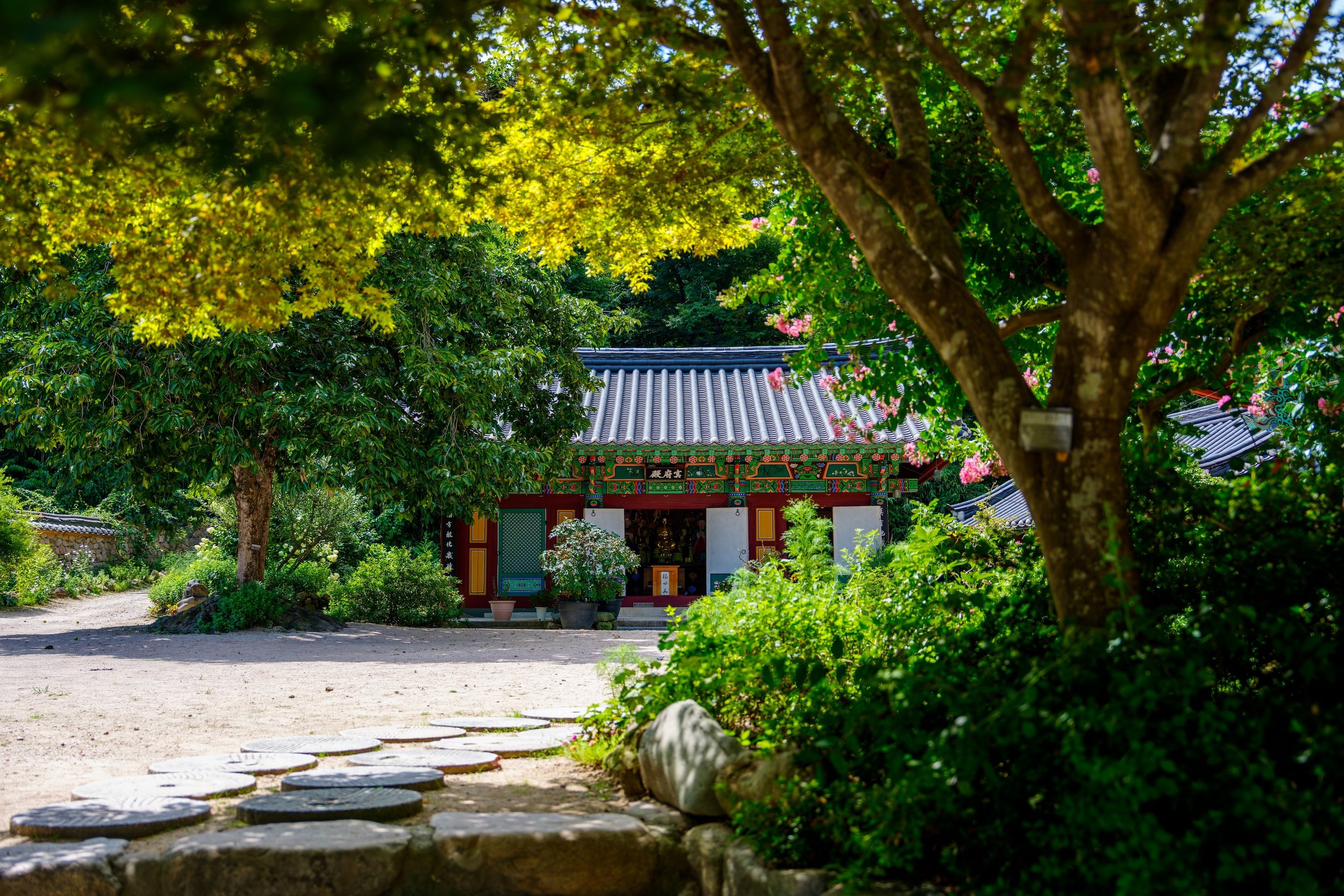
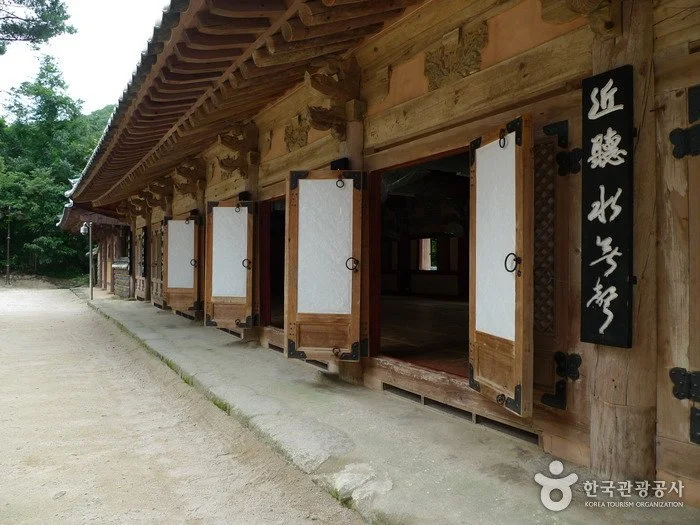
Seeking some tranquillity in an authentic Silla setting? Visit this serene sanctuary on Mount Hamwolsan. Established in 643 AD by an Indian monk and later expanded by the legendary Wonhyo, Girimsa boasts 16 traditional buildings and ancient stone pagodas and the famous Ojongsu, a spring with "five tastes" believed to possess unique properties.
Food to Taste



-
![]()
Gyeongju Hanwoo
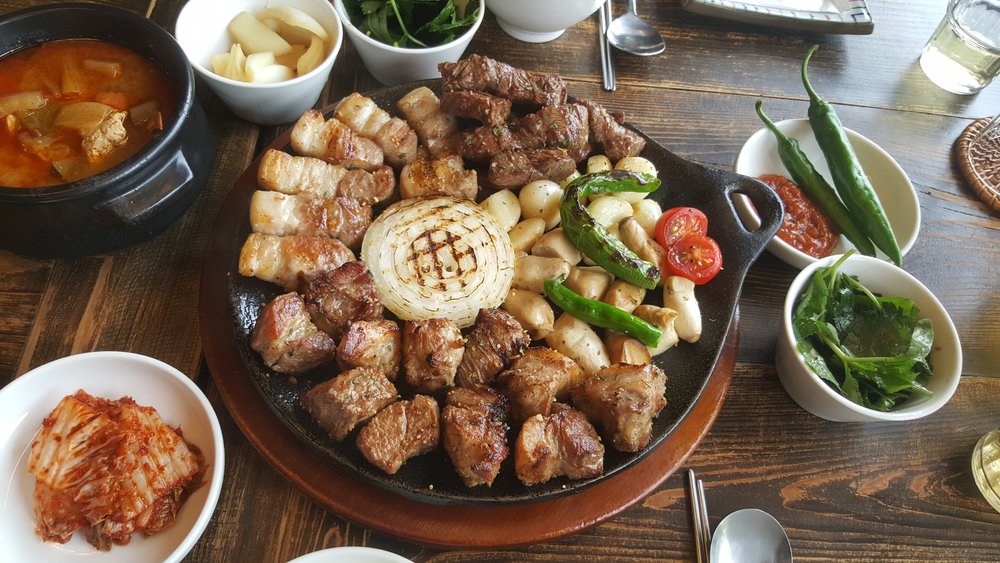
As one of Korea's top five cattle-breeding regions, the high-quality Gyeongju beef is a delicacy not to be missed. Its tender texture and savoury taste can be enjoyed in multiple forms, the most often being Korean BBQ (salt-grilled and sauce-marinated) and raw marinated beef.
📍Highly Recommended Spots:
Sugyeongsa (수경사): A beautiful Hanok restaurant that specialises in Gyeongju Beef Bulgogi served with lotus leaf rice.
Gyeongju Cheonnyeon Hanwoo (경주천년한우): A butcher-style restaurant where you buy the meat at the counter and pay a small "table setting fee" to grill it yourself. It is widely considered the best quality for the lowest price in the city.
Bonggye Hanwoo Village: The entire village is dedicated to charcoal-grilled beef; any restaurant you pick in the village will offer you a great tasting experience. You can reach this village by taking Bus 500 to the final stop.
-
![]()
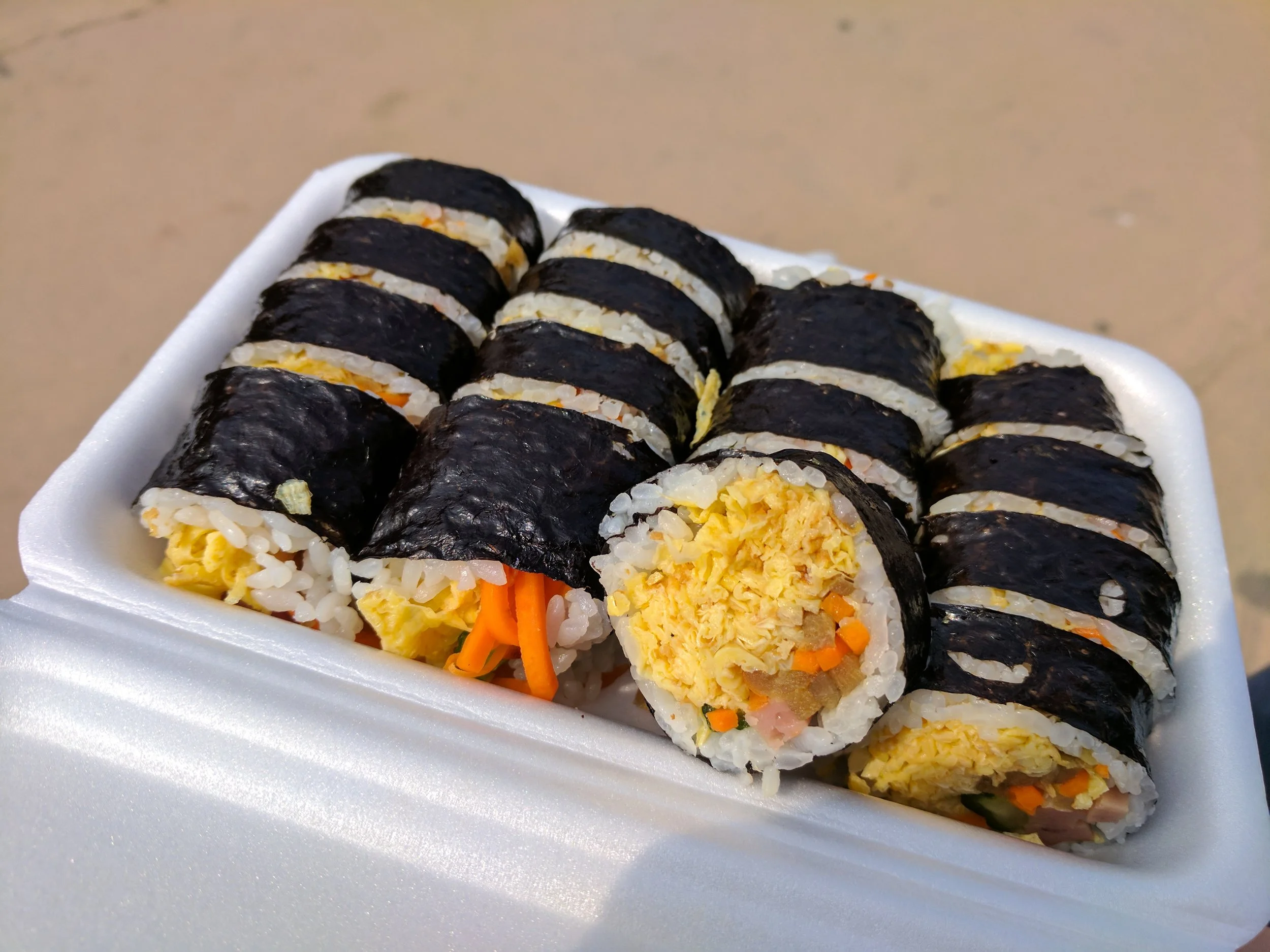
Gyori Gimbap
Made with thin egg sheets and finely chopped fillings, giving it a softer and lighter taste than regular gimbap. A well-known local classic that has been loved for generations since 1960.
-
![]()
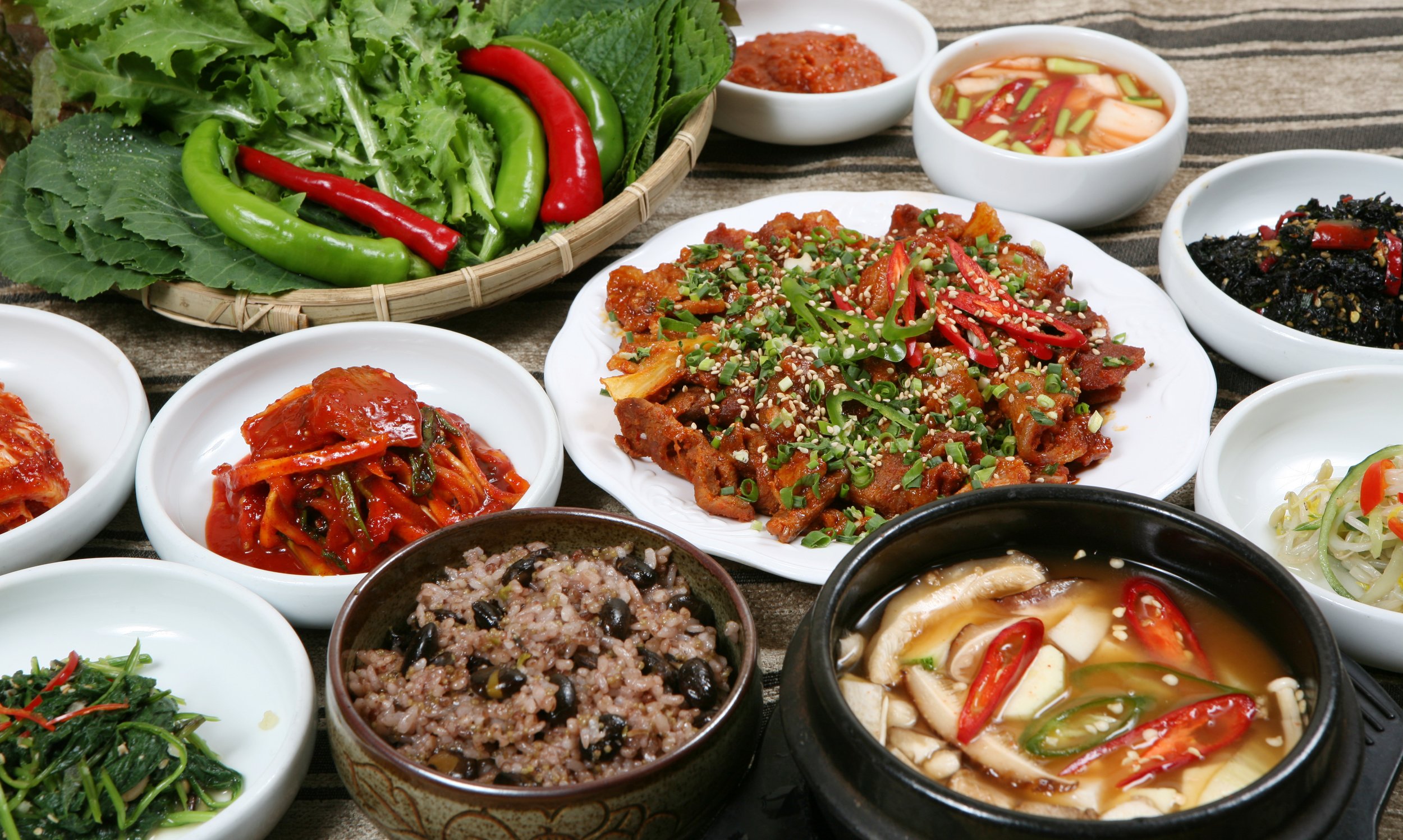
Ssambap
Served with grilled meat, rice, and dozens of side dishes, allowing diners to wrap each bite themselves in fresh leafy greens. Known for its generous portions and do-it-yourself style, making every meal both fun and filling.
The most popular place to experience authentic Ssambap is Gyeongju Ssambap Street, a cluster of specialised restaurants where you can enjoy a wide variety of Ssambap dishes.
📍Highly Recommended restaurants:
Gyodong Sssambap: A well-known local restaurant featured on several Korean TV programmes, famous for its cleanliness and generous servings of about 25 side dishes.
Eepungnyeoguro Ssambap: Located near Cheomseongdae Observatory, this restaurant is known for using minimal chemical seasonings to preserve natural flavours.
Sigol Ssambap: Well known for its authentic, country-style Ssambap, served with a wide variety of side dishes and traditional Korean home cooking.
-
![]()
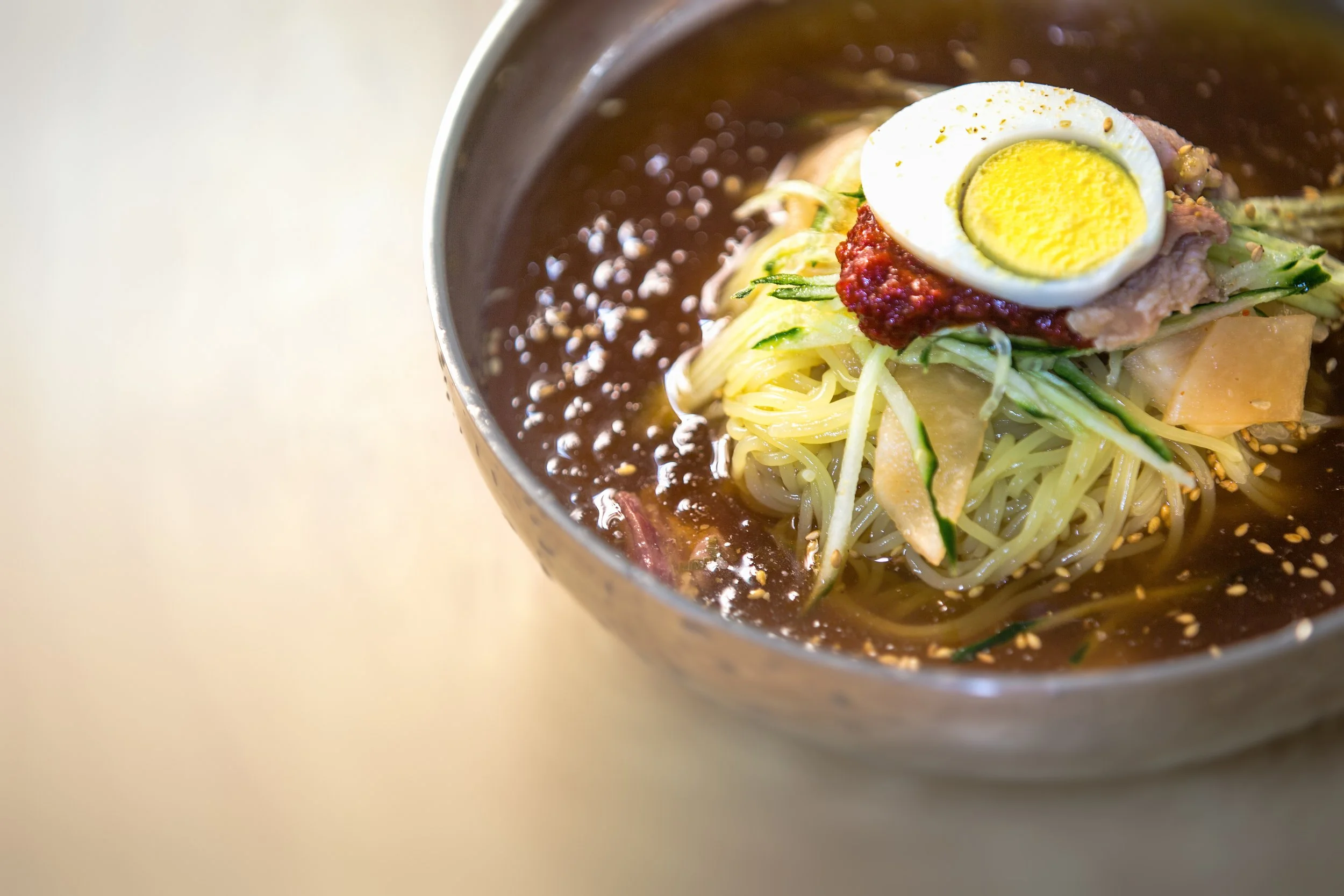
Gyeongju Milmyeon
A cold dish made with chewy wheat noodles, chilled broth, and spicy-sweet sauce, topped with sliced meat and vegetables. Its refreshing temperature and bouncy texture make it especially popular during hot summer days.
-
![]()
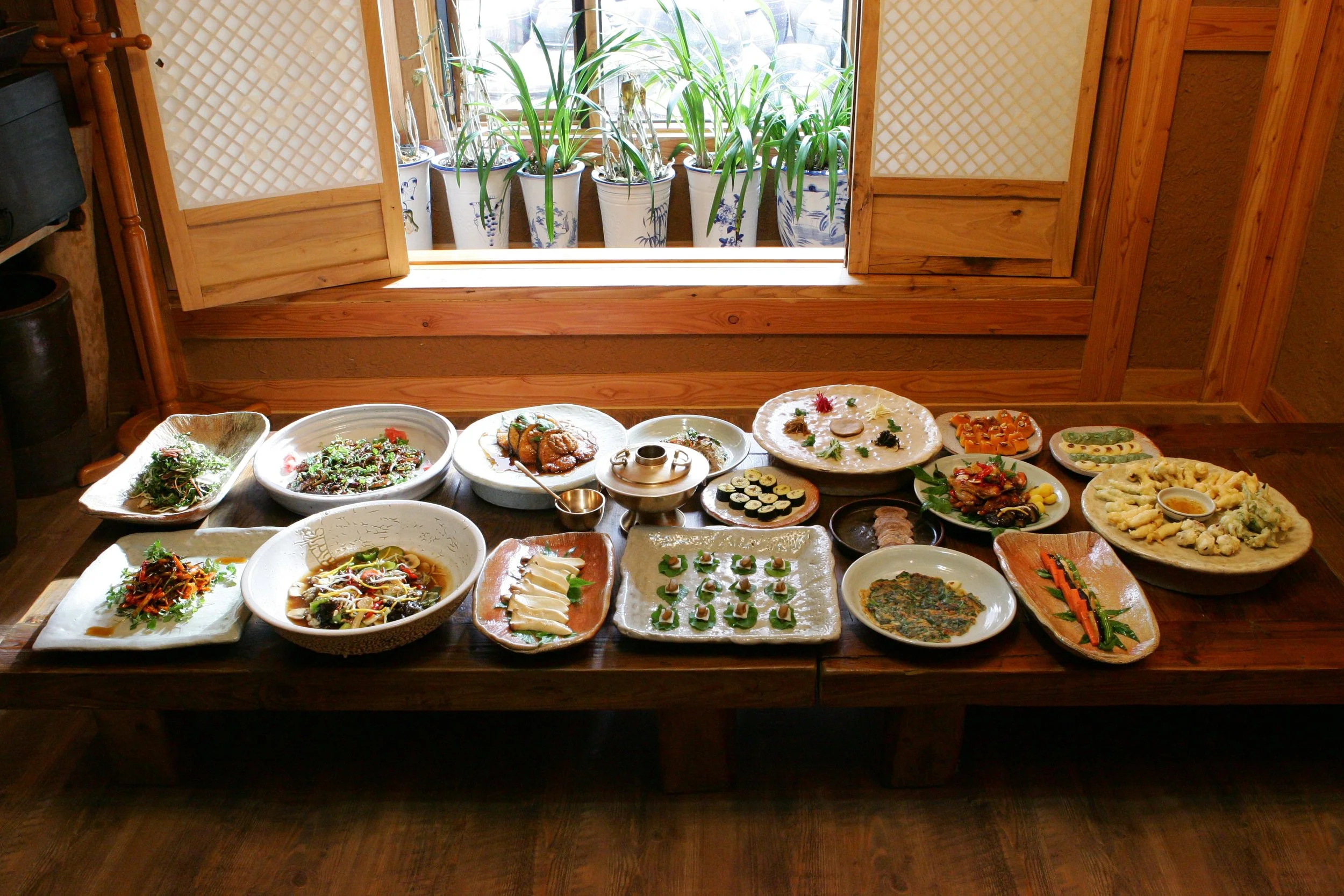
Hanjeongsik
A traditional Korean set meal consists of rice, soup, main dishes, and a wide variety of side dishes. Often served in calm, traditional settings, it is a satisfying meal and cultural experience rolled into one.
📍Recommended Hanjeongsik Restaurants:
Hongsi Hanjeongsik: Renowned for its extensive spread of up to 7 appetisers, 17 main dishes, and 2 desserts, it is also praised for its flavourful dishes and unique 10-herb medicinal tea.
Dosol Maeul: A popular spot in the Hwangridan-gil area, known for its authentic flavours and reasonably priced set meals.
Sanjuk Hanok Village Han Jeongsik: Offers a refined royal cuisine experience within a Hanok village, perfect for dining amid traditional architecture.
-
![]()
Hwangnam Bread
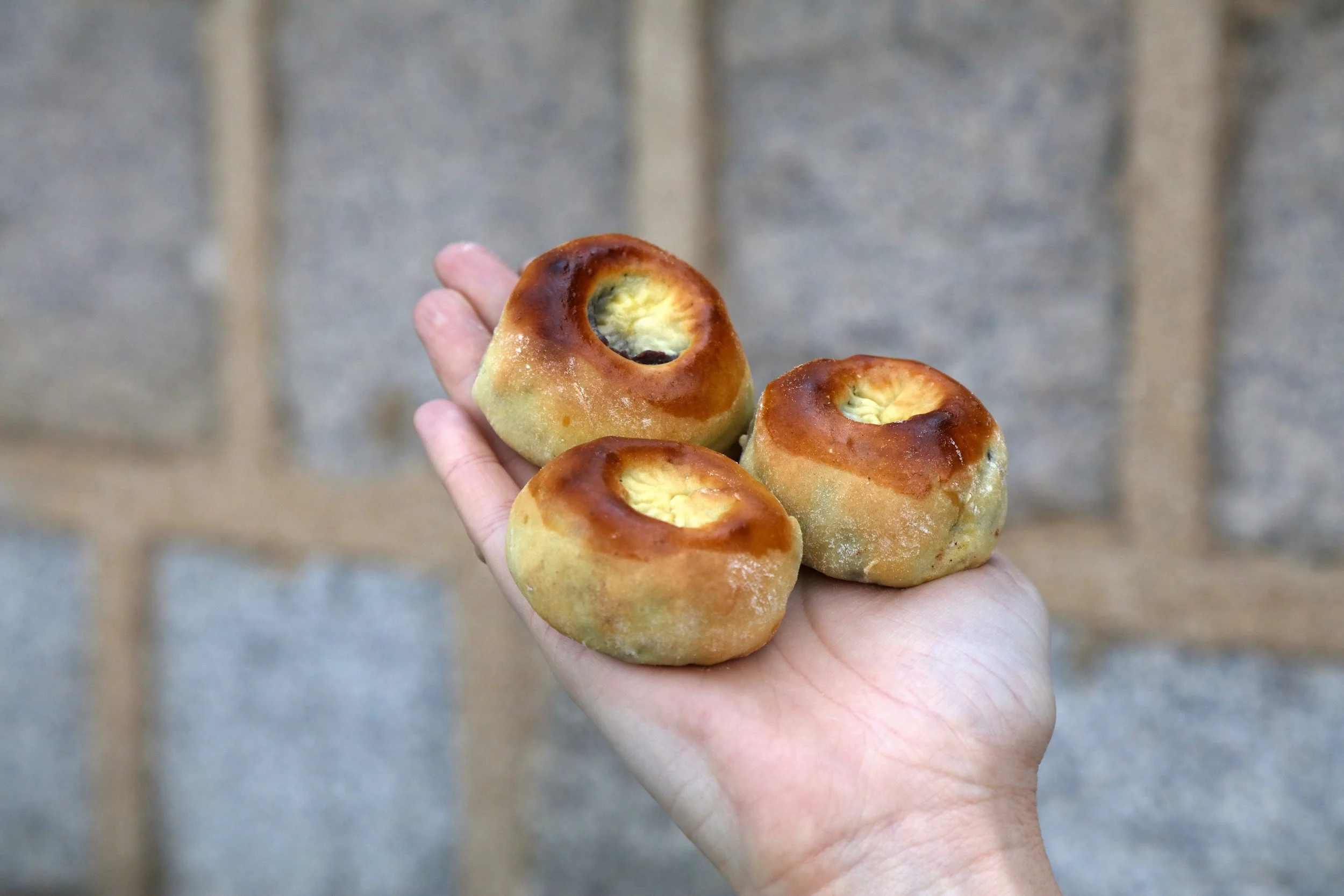
A small pastry filled with smooth red bean paste and wrapped in a soft, lightly baked crust. Freshly made and neatly packaged, it’s one of Gyeongju’s most famous snacks and souvenirs.
-
![]()
Hwangnam Jjondeugi
A grilled rice snack with a chewy texture and sweet-spicy glaze. Often enjoyed warm on the street, it’s a nostalgic treat that visitors should try while exploring.

Travelling in Korea is much easier when you know a few basic tips. From finding your way around to using public transportation and ordering food, small preparations can make a big difference!
One of the easiest ways to prepare is by having the right apps on your phone. Here are a few must-haves for a smooth and stress-free trip.
Travel Tips
Naver Map/ Kakao Map ⭐️⭐️⭐️
Google Maps is limited in Korea, so it’s better to use Naver Map or Kakao Map. These apps give accurate directions and show real-time bus and subway schedules, which makes travelling much easier.
Kakao T⭐️⭐️
You can easily call a taxi through this app. It’s much more convenient than trying to catch one on the street, especially in quiet areas or late at night.
Delivery apps⭐️⭐️
Korea is known for its fast and convenient food delivery. With apps like Baemin or Yogiyo, you can order almost anything to anywhere. It’s a great option if you want food delivered straight to your hotel.
Papago⭐️
Papago is a useful translation app that works especially well for Koreans. It often gives more natural results than other translators and is great for reading menus, signs, and having simple conversations with locals.
In addition to these apps, you will also need a convenient way to pay for public transportation.
T-money Card ⭐⭐⭐
T-money is a rechargeable transportation card that makes getting around Korea much easier. You can use it on buses, subways, and even taxis without needing cash or buying tickets each time. It also offers small fare discounts compared to single-ride tickets, which helps you save money over time. Please note: T-money is mainly for intercity transportation and cannot be used directly for long-distance buses or trains.
You can buy a T-money card at convenience stores like GS25 or CU, subway stations, and airport kiosks, and top it up easily at machines or stores. If you download the T-money app, checking your balance and recharging your card becomes even more convenient. Once you have one, travelling becomes faster, simpler, and much more convenient.
*Korea (ROK) is referred to as Korea on this page