
Woks and Wats Where Chinese Heritage Shapes Thai Culture And Cuisine
An immersive journey through Thai-Chinese history, neighbourhoods, and everyday flavours across Bangkok and beyond
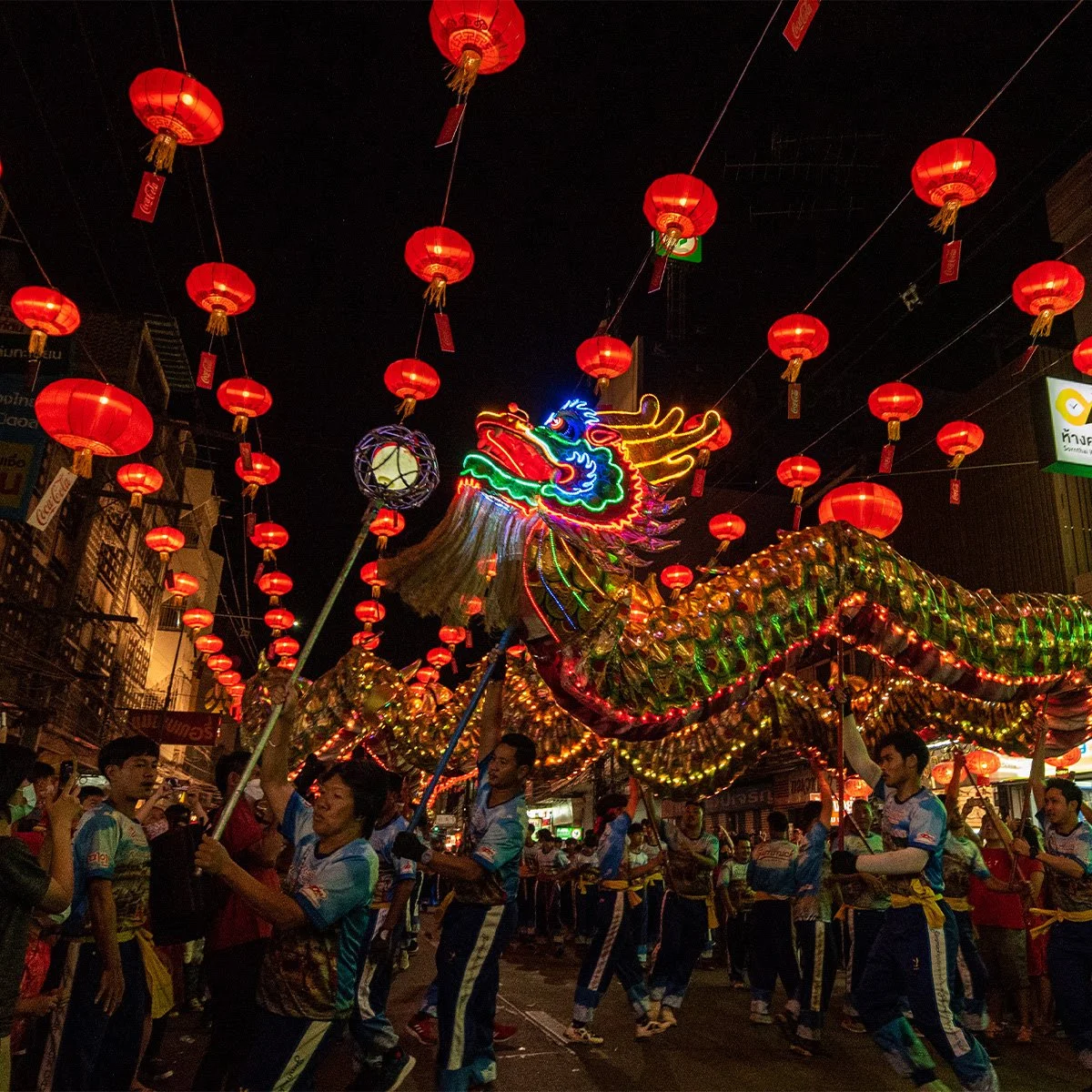
Bangkok, Thailand, 20 September 2026 - Across Thailand, woks and wats reveal how Chinese heritage shapes Thai culture and cuisine. In this article, the writer traces this shared legacy through personal encounters, from historic Bangkok neighbourhoods to long-established trading towns where food, faith, and community bring Thai-Chinese history to life.
The air is thick with the sweet, smoky aroma of joss sticks, and the distant clang of temple bells echoes softly through the vibrant streets. On a cool night in Bangkok, I found myself captivated by a quaint corner of Yaowarat. As the steam from a nearby noodle stall intertwined with the cool evening breeze, I knew I was about to embark on a journey like no other. Thailand is famous for its beautiful beaches, bustling markets, and bright temples, but it also has a deep Chinese heritage woven into everyday life. For generations, Chinese immigrants came to Siam and made a lasting impact on the country's economy, society, and culture. Their influence is still evident in temples, cuisine, and the core of Thai identity.
As you stroll through these streets, imagine yourself not just a traveller but part of this living history, savouring a taste of the past in every bite of authentic street food. The journey is not just in the sights you see, but in experiencing the rich tapestry of Thai-Chinese culture firsthand.
The history of the Chinese people in Thailand is one of determination and resilience. Many came from Guangdong, Fujian, and Hainan, seeking better lives because of economic or political challenges. They began arriving as early as the Ayutthaya period, bringing artisans, merchants, and labourers. In Thailand, they blended into society more easily than in many other countries, creating a culture that is both Thai and distinctly shaped by Chinese traditions.
Yaowarat, Bangkok's Chinatown, is the best place to immerse yourself in Thai-Chinese culture. More than a neighbourhood, it embodies tradition. Walking through Yaowarat not only tempts your taste buds but lets you experience generations of Chinese culinary traditions thriving in Thailand. For the best experience, plan your visit in the evening when the street food scene is vibrant and bustling.
Next to Yaowarat, Talat Noi exudes a raw, nostalgic charm all its own. It is a riverside area with its own unique quirks. It was once home to Chinese traders and workers, and today it still feels connected to its past. You can see vintage cars on the narrow streets, colourful street art on old walls, and the sounds of workshops. On my last visit, I found myself wandering into a narrow alley and met an elderly shrine caretaker. She told me stories of the neighbourhood’s past, pointing out where old traders once gathered. Her eyes lit up as she recounted her childhood memories, deeply rooted in these very streets. Talat Noi features old Chinese shophouses beside modern cafes, reflecting both tradition and change. Architectural motifs, such as dragon reliefs entwined with the elegant curves of Thai gable roofs, create an intricate blend of Chinese and Thai aesthetics. You can visit the Chow Sue Kong Shrine or explore the small lanes to find hidden temples and ancestral homes. To connect with locals, consider participating in one of the community's walking tours, led by resident guides eager to share their personal stories and anecdotes about the area. Alternatively, you can engage with shop owners and artisans by asking about their crafts and learning what brings them joy each day.
In Nakhon Sawan, a central trading hub, the Chinese legacy shines brightest during the city's exuberant Chinese New Year festivities, which take place between late January and February, depending on the lunar calendar, making it among the grandest celebrations outside the capital. Parades burst with colour; dragons and lions dance through the streets, and echoes of the settlers who once sailed the Ping and Nan rivers come alive. Sites like the Chao Pho Chao Mae Na Pha Shrine stand as stunning testaments to this heritage, merging Thai elegance with timeless Chinese artistry.
In Bang Lamung district in Chon Buri, the historic Ban Chak Ngaeo community preserves over a century of heritage. Recognized in the Top 100 Stories Competition by Green Destinations, this once-prosperous Teochew trading hub, the "Chinatown of the East," features iconic wooden shophouses, red lanterns, and an atmospheric Saturday market celebrating traditional craftsmanship and authentic cuisine.
Exploring this intricate coexistence in Thailand is not just a historical journey but also a dynamic, immersive experience shaped by the ongoing interplay of artistic practices and social relationships. It is an active experience, from tasting Pad See Ew, which blends two cultures, to visiting temples where Thai and Chinese styles converge. As you stand at the edge of the Chao Phraya River, watching slow-moving barges plying their trade as similar vessels have done so for centuries, you can genuinely feel the convergence of stories and cultures that shape the country. Thailand is a place where many narratives intertwine, making it unique.
Contact Information
International Public Relations Division
Tourism Authority of Thailand
Tel: +66 (0) 2250 5500 ext.4545-48
Fax: +66 (0) 2250 0246
E-mail: prdiv3@tat.or.th
Website : www.tatnews.org
Facebook: tatnews.org
X: Tatnews_Org