
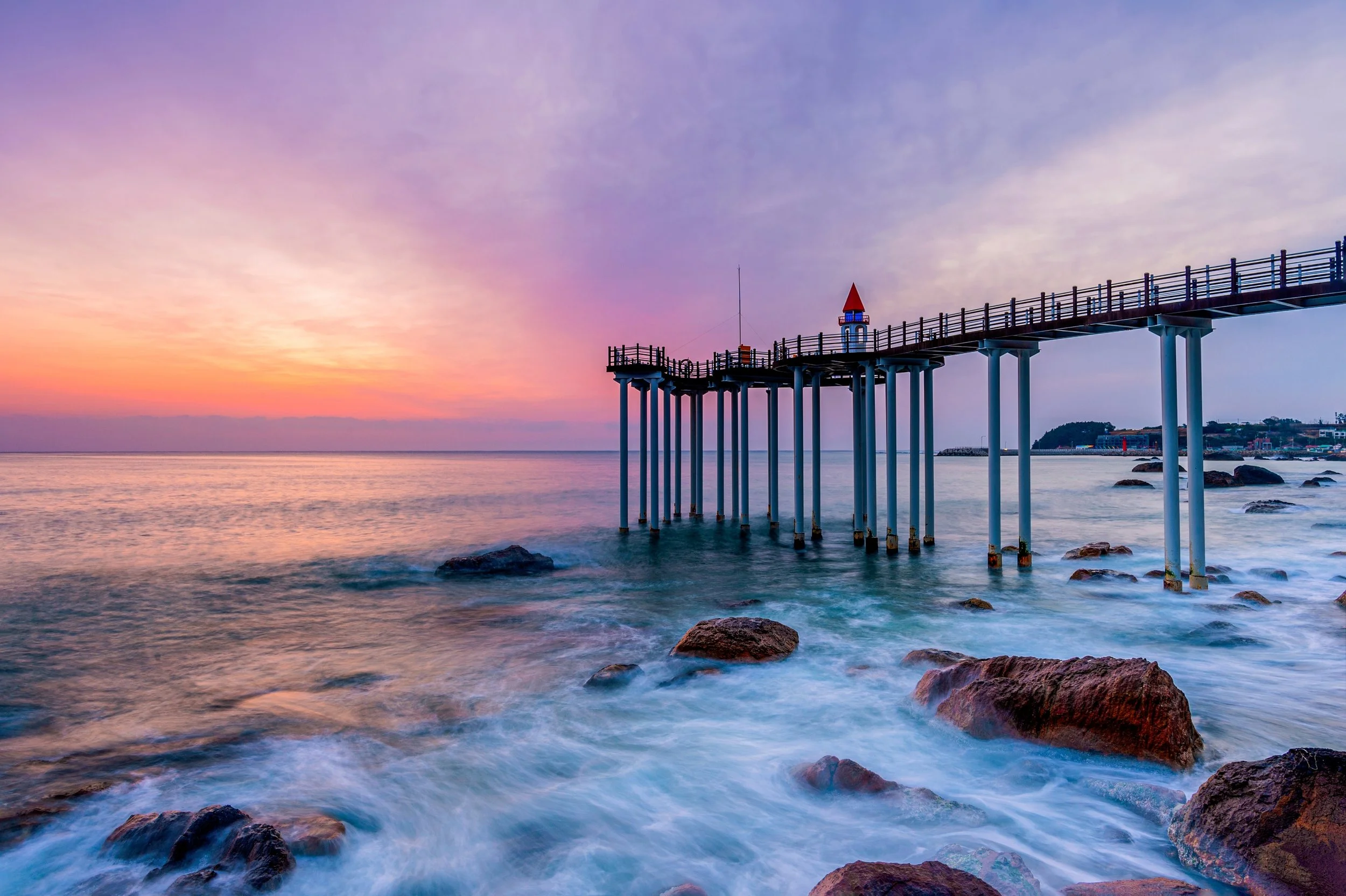
Pohang 포항
As the first city in Korea (ROK) to welcome the rising sun, Pohang offers a balance of coastal nature and industry heritage in perfect harmony. Ascend the iconic Space Walk to take in a panoramic view spanning the city’s landscape. Discover the hidden charm of Pohang.
A Symphony of Steel and Nature
From landmarks that represent the innovative minds of mankind to serene beaches, scenic trails, and lively markets—who would have thought industrial progress and natural splendour could come together to create such a unique destination? This is Pohang.
The destination unfolds across three main areas: two within the City Centre and one around the Homigot peninsula. Each of the three offers its own distinct character and experiences. So, let’s jump in and create your own Pohang itinerary!


From the northern west tip:
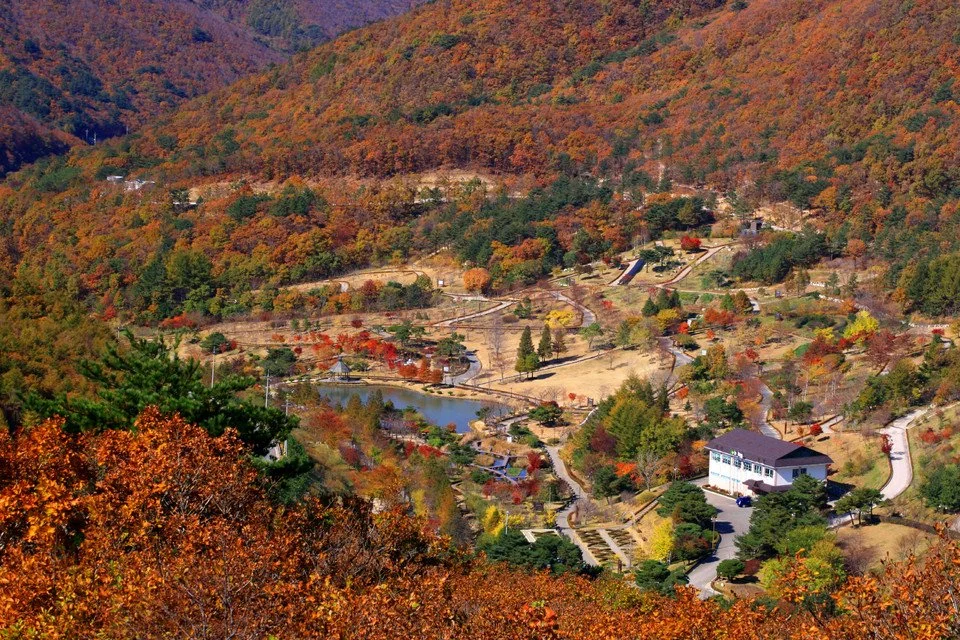
Gyeongsangbuk-do Arboretum
Sprawled at the foothills of Naeyeonsan Mountain, the arboretum preserves local plants from Gyeongsangbuk-do. Across all 26 of its gardens, where various native species of plants are exhibited, visitors can learn from or relax in nature. Visit during autumn for that breathtaking view of an eyeful of red and orange!
→
17min car
28min bus
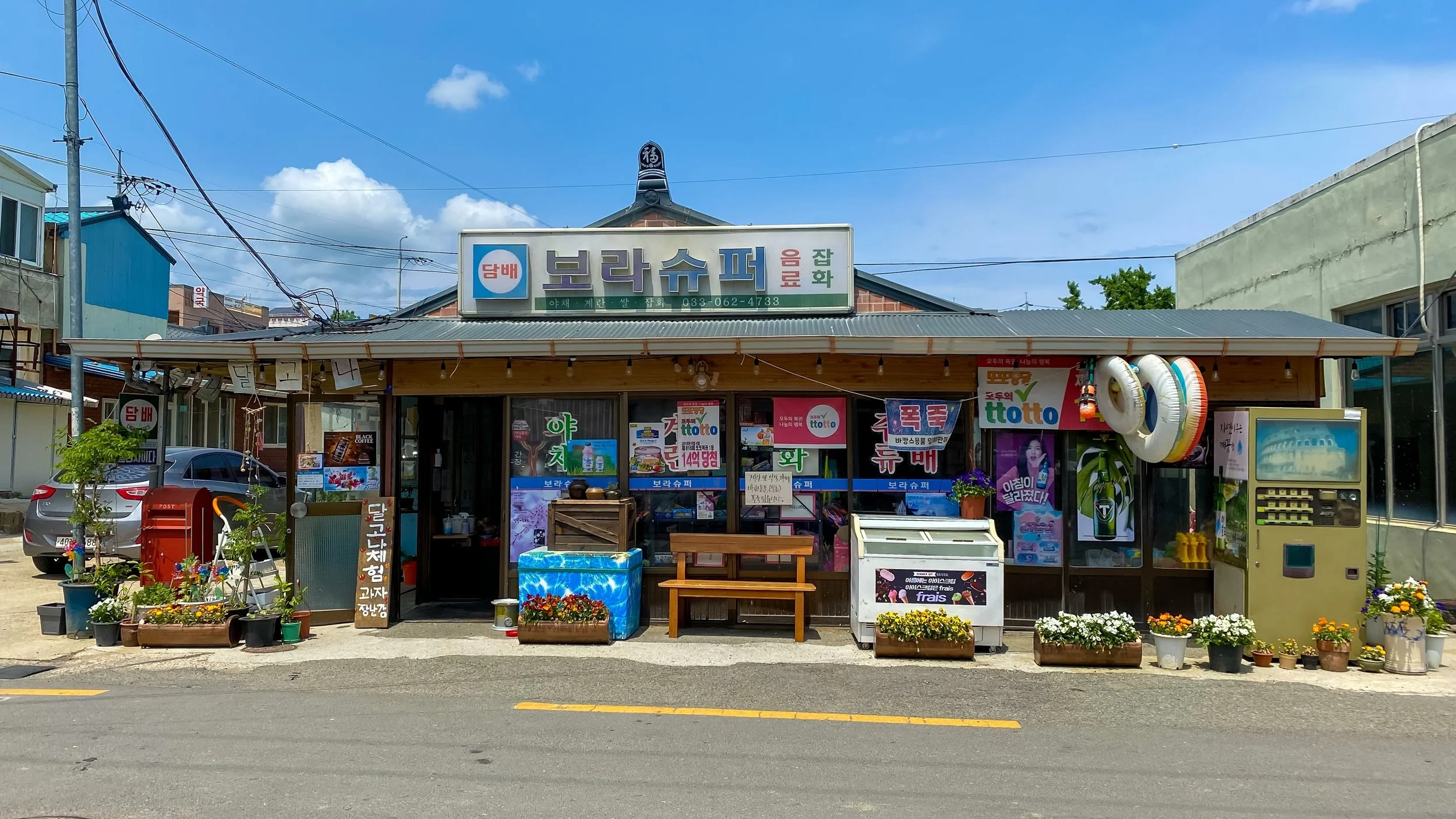

Cheongha Gongjin Market
One of the staple settings of the drama “Hometown Cha-Cha-Cha”, Cheongha Gongjin market still hosts the shops seen on screen– including the supermarket, cafe, and hardware store. At the Wolpo Beach nearby (7min away by car / 13min by bus), you can relive the iconic moment where Hye-jin and Chief Hong first met!
Visit Bora Supermarket for the nostalgic atmosphere of a traditional Korean grocery shop, and The Live Café & Pub to snap some shots at this famous photo spot. This is the perfect place to pause before leaving with lasting memories of the Gongjin trail!



→
7min car
13min bus

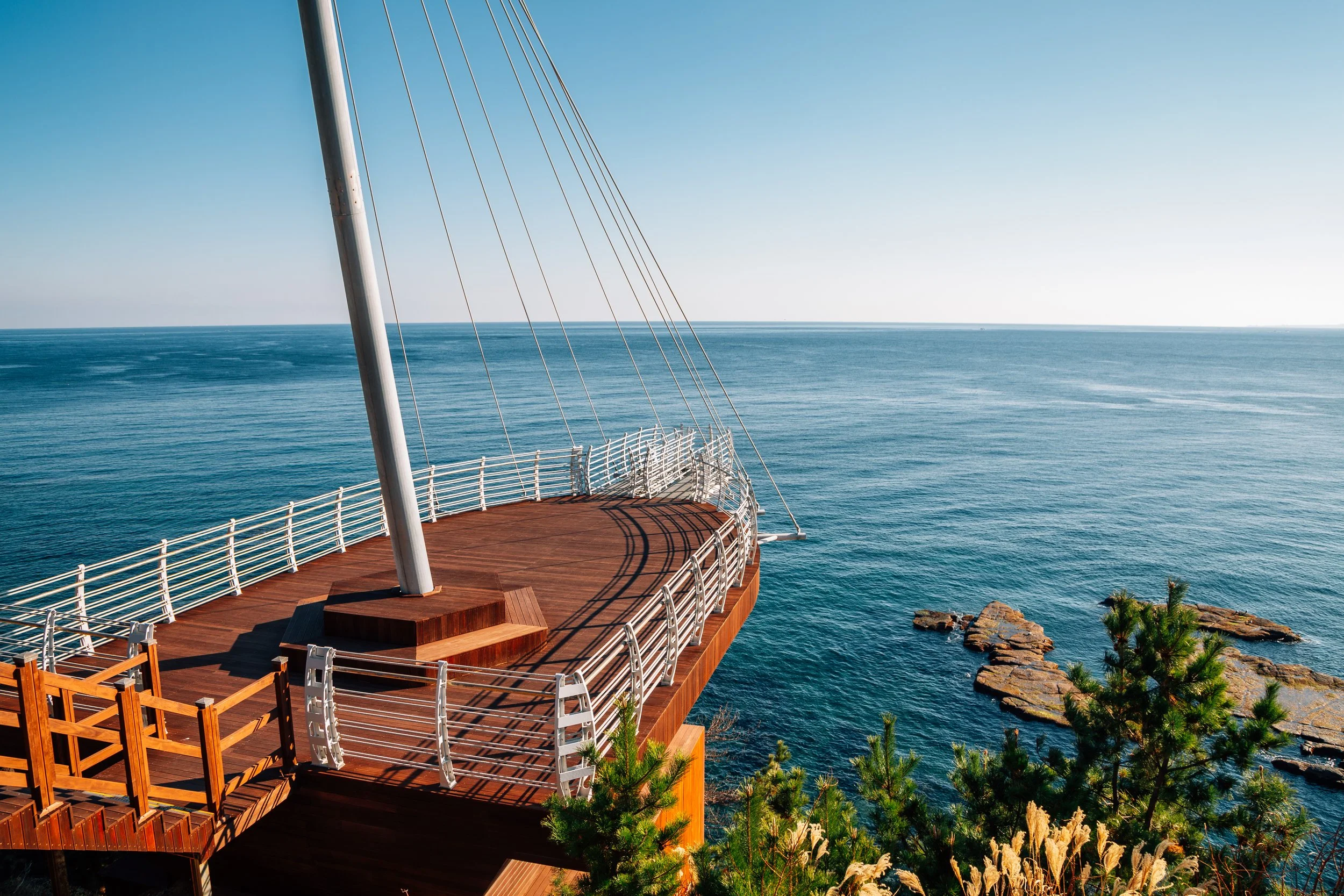
Igari Anchor Observatory
The sound of crashing waves at Igari Anchor Observatory will surely transport you into a memorable scene from “Love Scout”. Extending 102 metres over the water and rising 10 metres above the surface, this floating-style observatory reveals sweeping coastal panoramas and the heart of the East Sea’s natural beauty. Framed by windswept pine trees, it even offers a rare, distant view towards Dokdo, creating a naturally cinematic and deeply soothing atmosphere. Whether you are a K-drama enthusiast or a lover of coastal scenery, this tranquil lookout invites you to slow down and embrace the sea.
Haeoreum Sunrise Observation Deck
Haeoreum Sunrise Observation Deck offers stunning panoramic views of the rugged coast and the ocean waters for miles around. It is a popular spot for watching breathtaking sunrises and is accessible via a walking trail.
This deck is 8min away from the Igari Observatory by car, or 30min away by bus.
10min car
30min bus
→

Yonghan Surfer’s Beach
Ranked alongside Yangyang and Busan’s Songjeong as one of Korea (ROK)’s top three surf spots, Yonghan Beach is a year-round paradise known for its shallow waters and consistent swells. Whether you are a beginner or a pro, the Yonghan Surfers’ Centre provides everything you need, from professional indoor training zones and secure equipment storage to comfortable common rooms. It is the ultimate coastal destination for every season!
Around the City Centre Area:
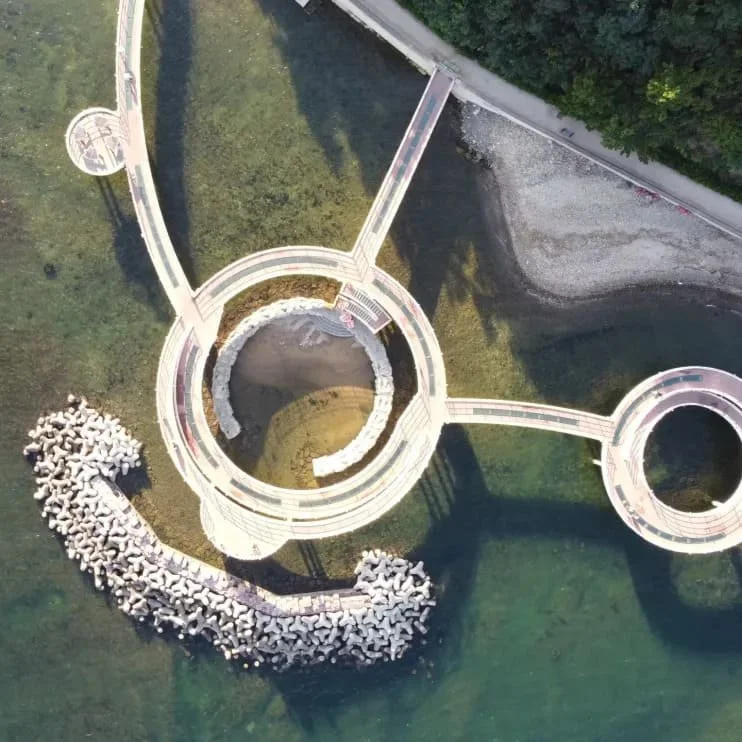
Pohang Maritime Skywalk
Walk on Korea's longest ocean skywalk! Located at the very tip of Yeonam Port, this striking structure’s most thrilling feature is the transparent glass floor that makes you feel as if you are walking right on the sea. With sweeping panoramic views of Yeongil Bay's precipices and a unique 1.2-meter-deep sea pool, it is the perfect spot to take in the breathtaking beauty of the Pohang coastline.
4min car
37min bus
→


Space Walk
Space Walk symbolises Pohang as a “city of steel and light”, defined by elegant steel curves and radiant night illumination. Stretching 333 metres in length and rising 25 metres above the ground, this walkable art installation offers a full 360-degree view spanning the city skyline, glowing steel mills, and the golden hues of sunrise and sunsets over Yeonggil Bay. Spend around 30 minutes taking in the scenery and capturing unforgettable moments from every angle.
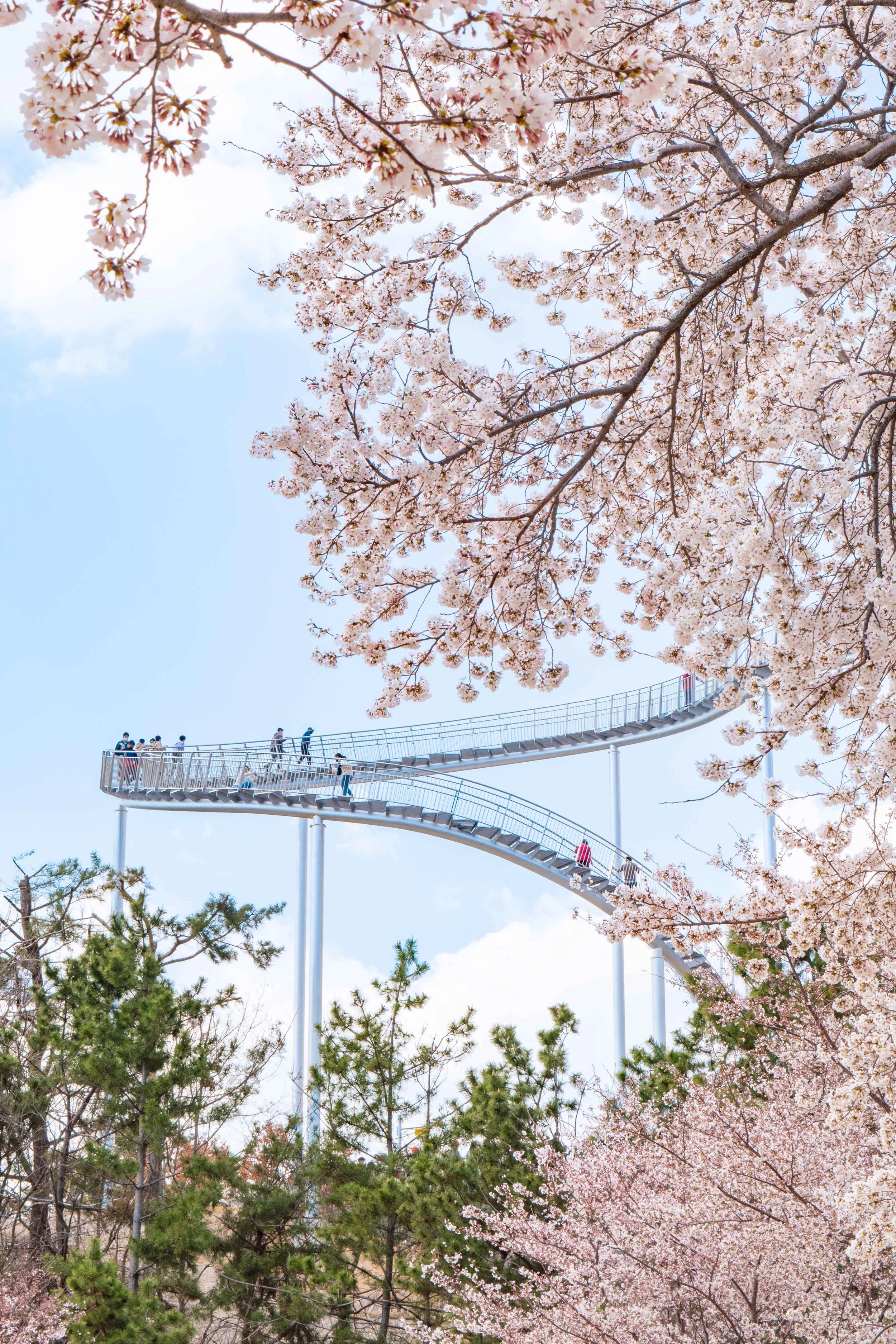
15min walk
5min car
→
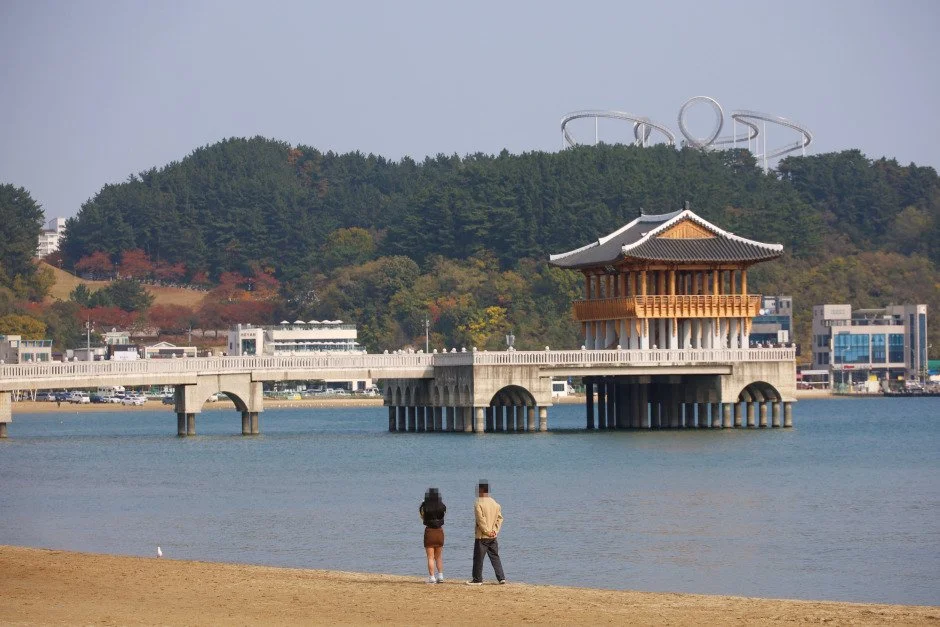
Yeongildae Beach
Yeonggildae Beach is known for its soft white sand and the stunning scenic coastal walk. As day turns to night, the area comes alive with seafood restaurants, cafés, and a variety of shops.
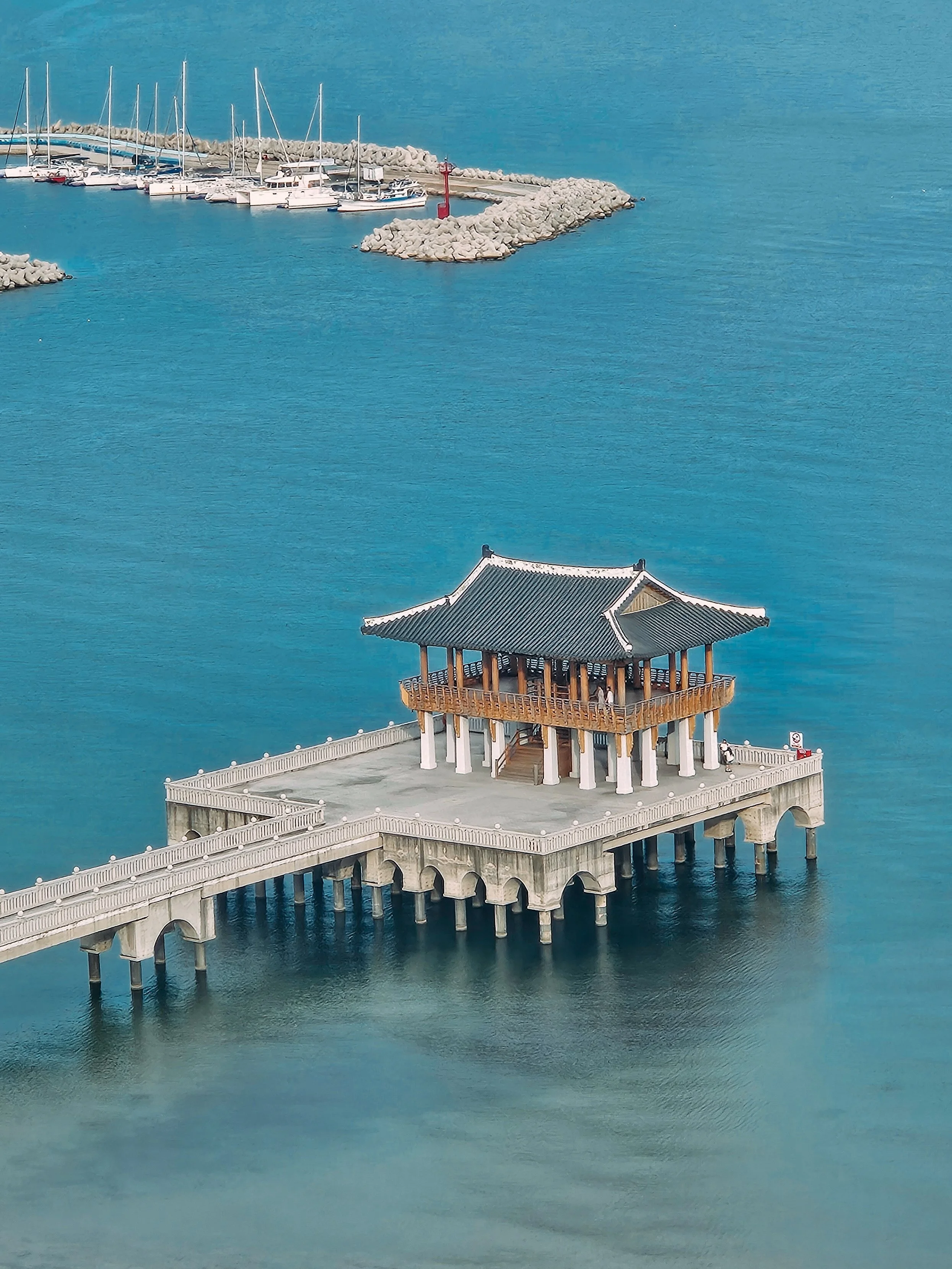
Don’t forget to also visit the iconic Yeongildae Pavilion nearby, which is an oceanfront observation deck where one can take in the sweeping coastline views.
Once you reach Jukdo Market (which is a 5min car ride / 20min bus ride from Yeongildae beach), you have stepped into the heart of the city! From there, you can easily get to the famous Pohang canal, also known as the area for POSCO night view when the stars rise.
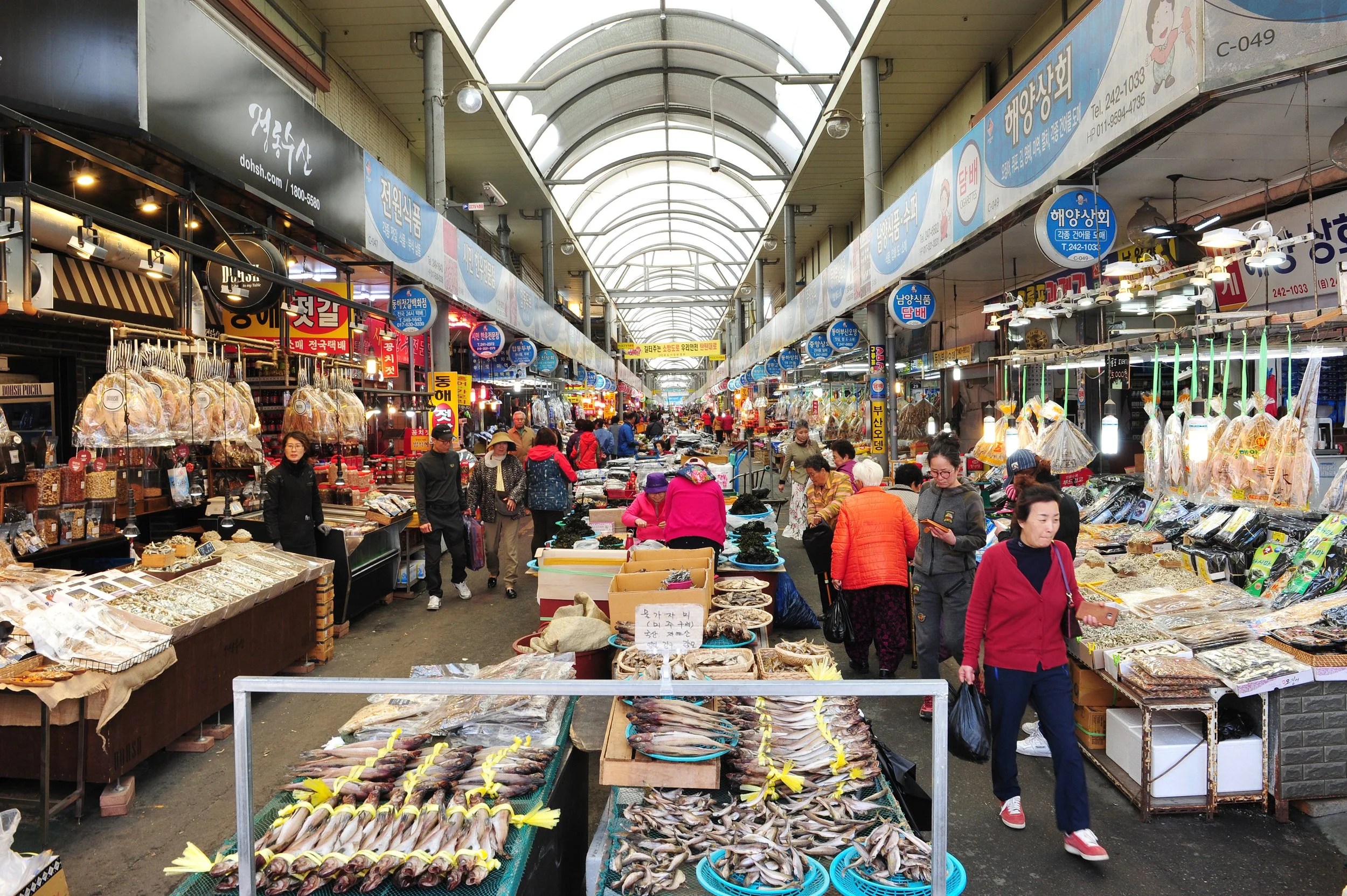
Pohang Jukdo Market
Experience the authentic taste of Pohang at its signature traditional market, home to over 2500 stores offering a vast array of products, including seafood, agricultural products, clothing, toys, and tableware. It is the ultimate destination to sample local favourites like Mulhoe, fresh Snow Crab, and the Winter Gwamegi.
→
7min bus
6min car
18min walk
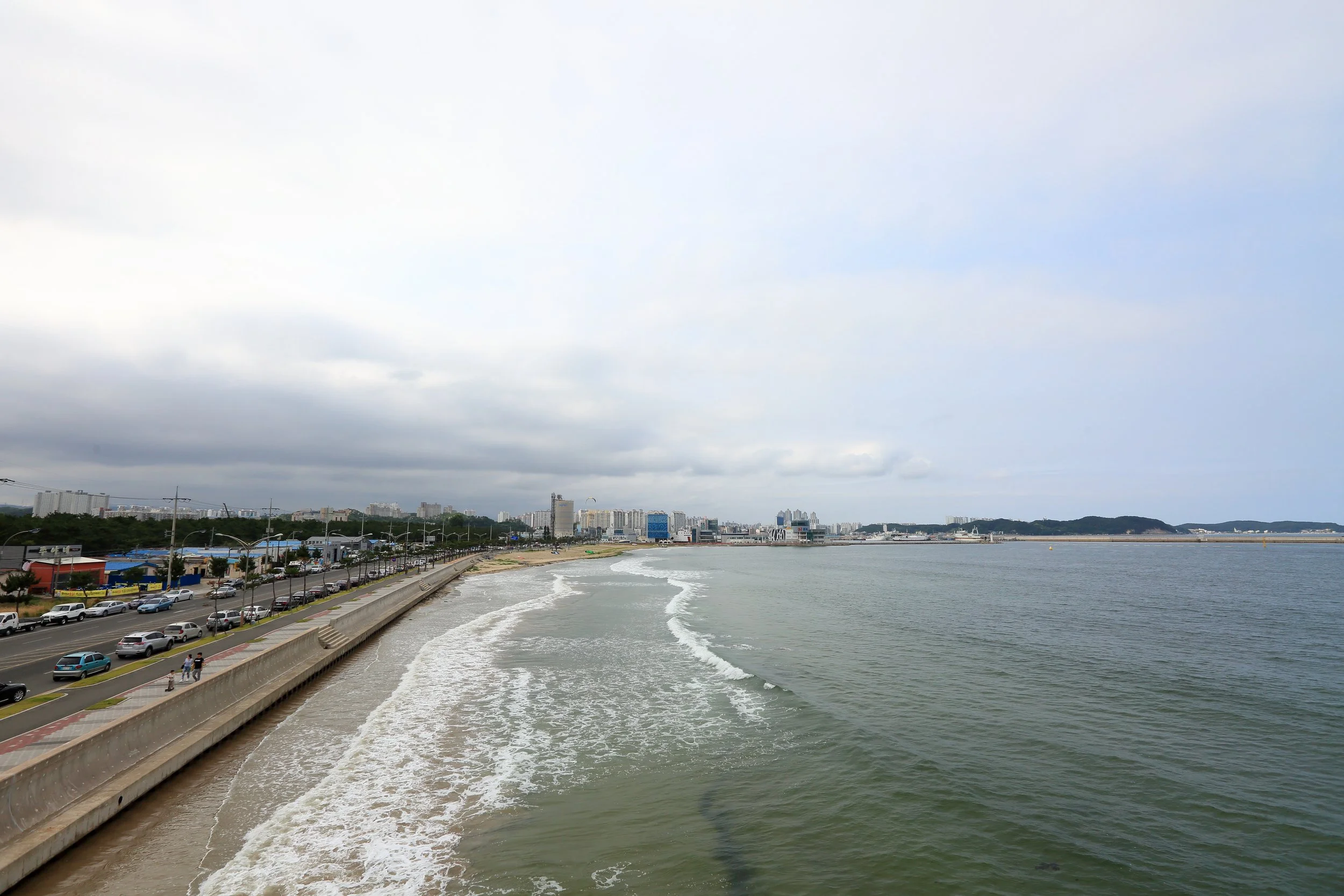

Songdo Beach
While you may know it as part of “Sinsu” village from the drama “Spring Fever“, Songdo Beach is (in reality) a true hidden gem in itself! By the pristine water, travellers are transported into their favourite Korean drama and witness the romantic ‘golden sky‘ at sunrise.
→
16min bus
6min car
16min walk
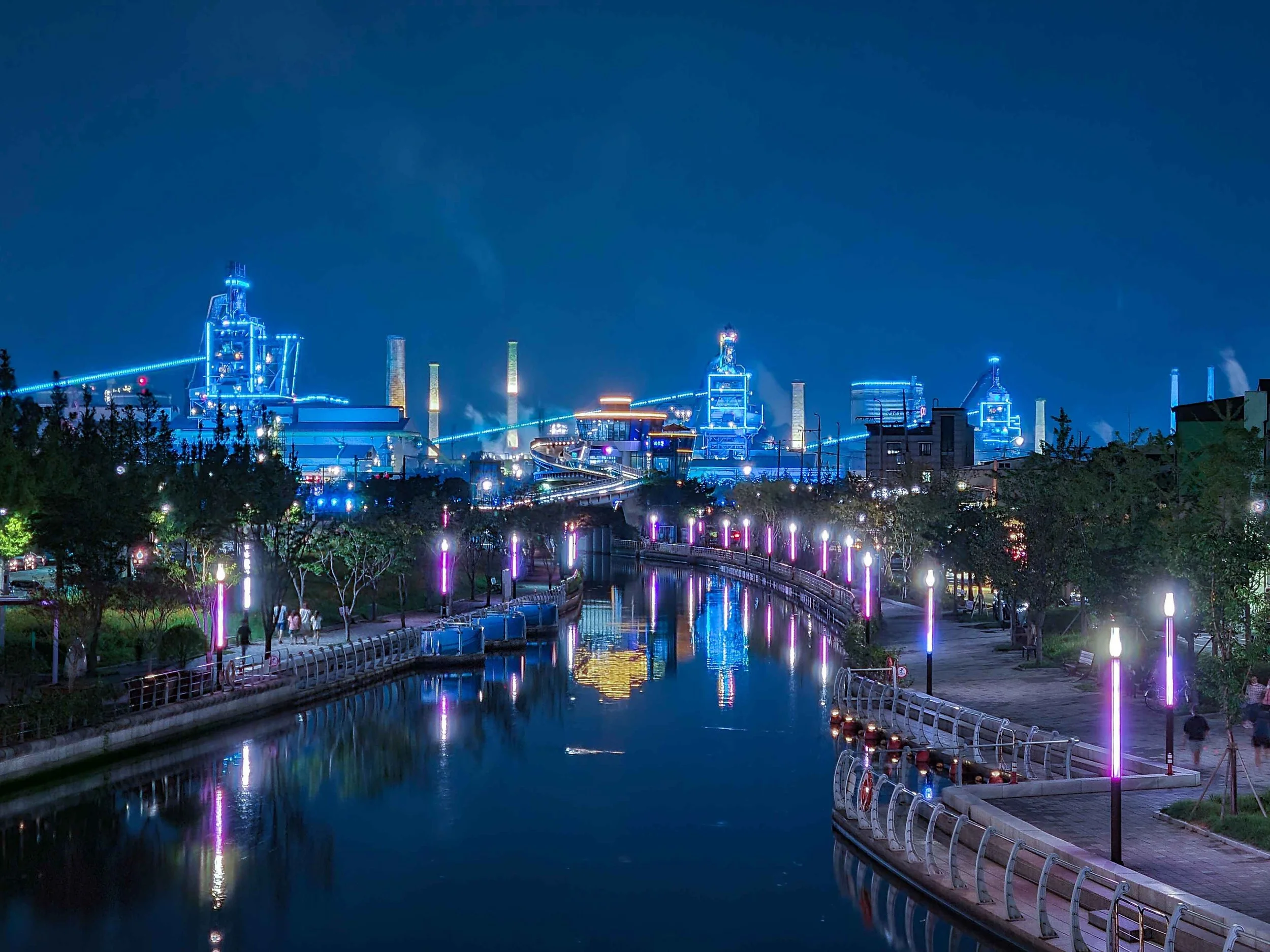
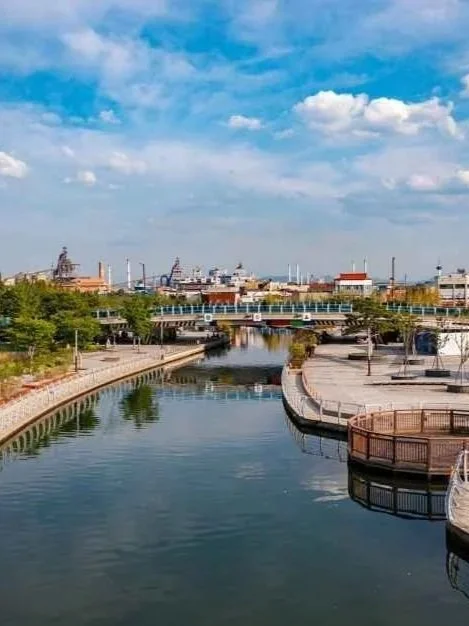
Pohang Canal & POSCO Night View
At this restored urban waterway—the only one in Korea—visitors can enjoy a scenic cruise through the heart of Pohang. The ship sets out sailing from the river and then to the East Sea, passing major landmarks like the Pohang Naval Ship and the POSCO steelworks.
As night falls, the POSCO plants bring the night to life with brilliant LED displays. You can see this unique nightscape for yourself from Songdo Beach, Yeongildae Beach, or Haedo Park, each spot offering a unique sight.
33min bus
16min car
→

Hyeongsangang Sports Park / Riverside Sports Park
A perfect place for a stroll in Spring where the blossom blooms along the riverside. The park is also the venue for the Pohang International Fireworks Festival in 2025, so watch for future festival announcements!
45min bus
13min car
→
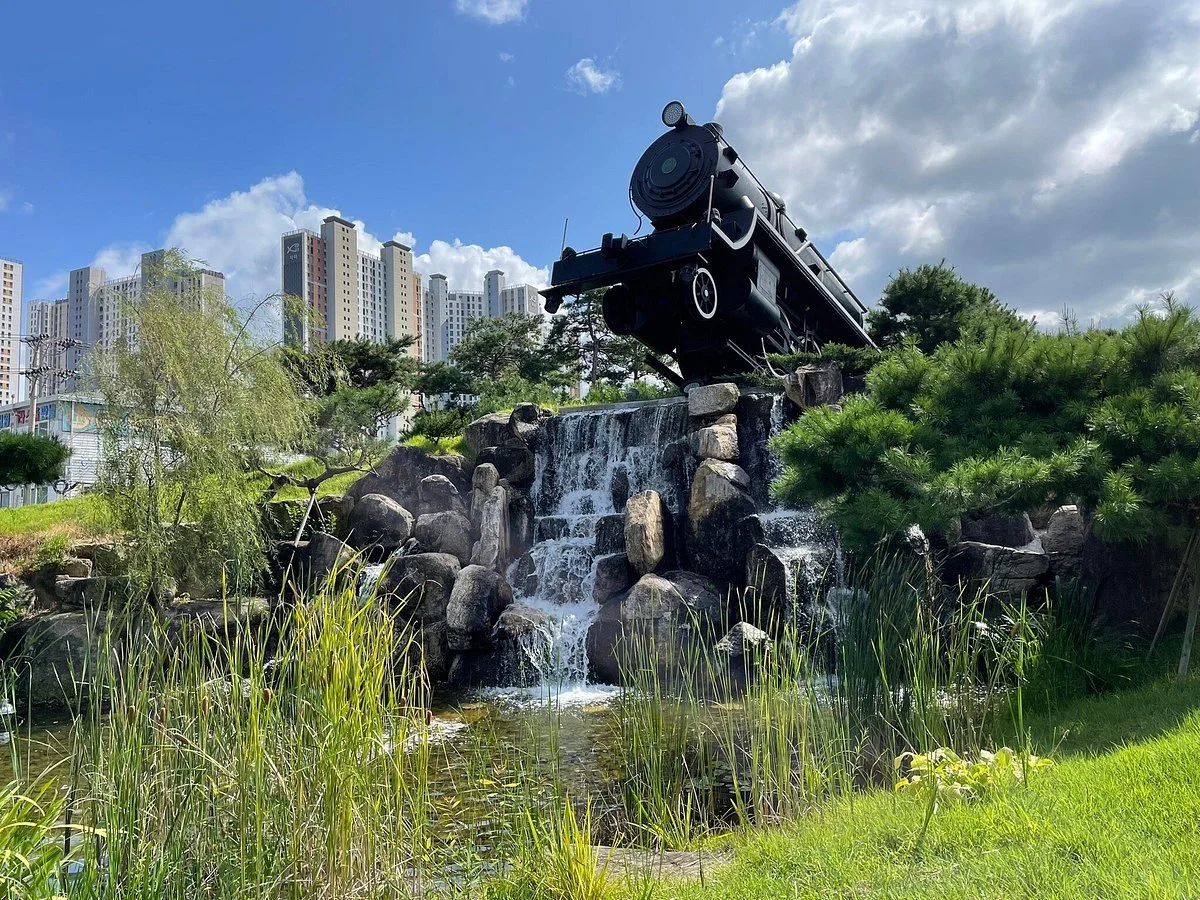
Cheolgil Forest and the Garden of Fire
Following the relocation of the KTX station, this once-abandoned railway site was transformed into an urban park—now recognised as one of Korea's prime examples of urban regeneration.
Beyond its forested paths, which are lined with impressive fountains and artworks, the most exciting part of this park is the ‘Garden of Fire’, an ever-burning flame that has been a staple of the park ever since an excavation drill struck a natural gas pocket 200 metres underground many years ago.
20min bus
5min car
→
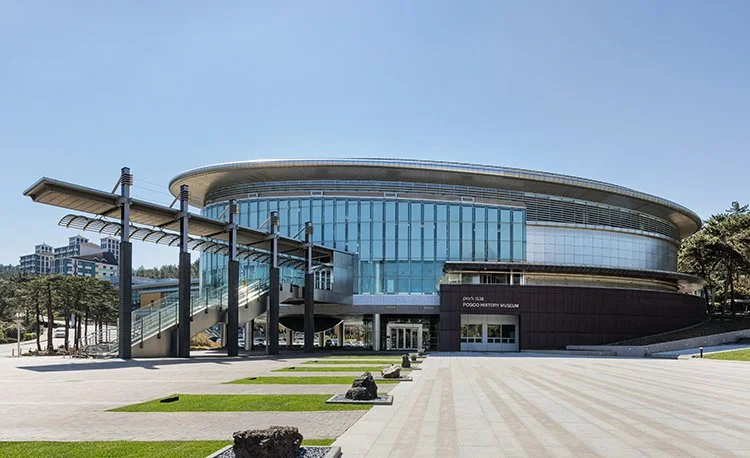
Park 1538 (POSCO History Museum)
Named after the melting point of iron (1,538ºC), Park 1538 is a cultural and tourism complex created by POSCO, a major Korean (ROK) multinational steel-making company. Its museum was created to showcase the past and future of iron—something history enthusiasts would certainly enjoy.
The complex also has a Waterside Park, a POSCO History Museum that provides a glimpse of POSCO’s 53-year history, and a Hall of Honour that remembers the steelmen whose legacy still carries POSCO to this day.
Towards the Southeast of Pohang is the Homigot peninsula, its east side divided into four courses with a total length of 58KM. Waiting for you at the end of the trail is the famous “Hand of Harmony”.
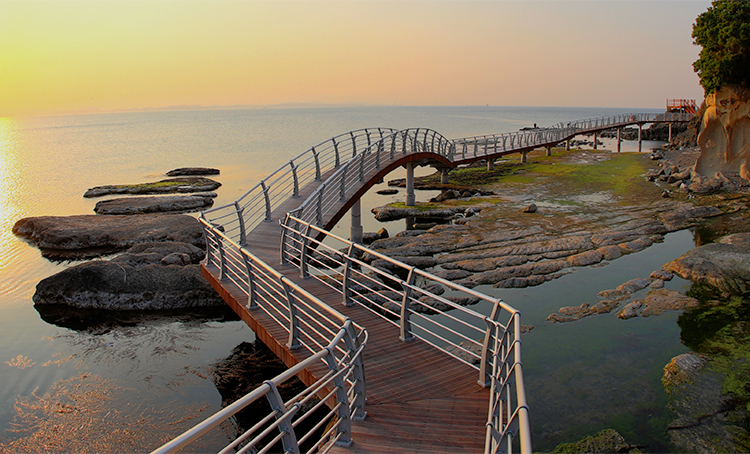
Homi Peninsula Coastal Trail
This coastal trek extends to the east along Yeongilman Bay; the trail is divided into four distinct courses that begin at Cheongnim Stadium. As you follow the rugged coastline, the paths will guide you through scenic highlights like Dogu Beach, the dramatic rock formations of Seonbau-gil, and the lively port of Guryongpo, all leading toward the breathtaking destination of Homigot Sunrise Square.
1.5hr walk (6.1km)
13min car (from Park 1538)
→
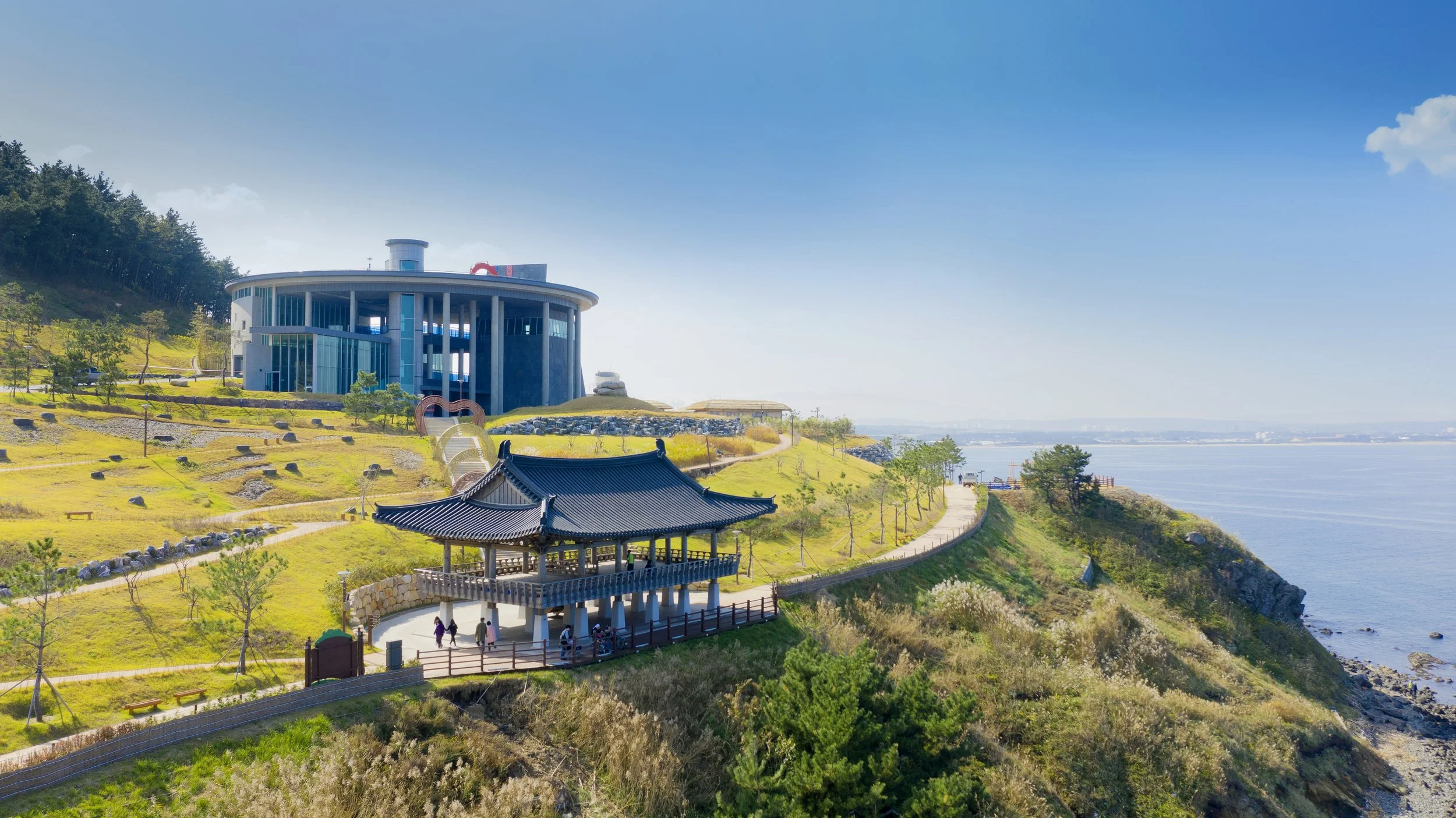
Yeonorang Seonyeo Theme Park (End of course 1)
This cultural destination brings the legend of the sun and moon to life through traditional gardens and cultural exhibitions. Start your visit at the Ilwoldae Pavilion for panoramic ocean views, then stroll along the connected Homibando Coastal Trail. At dusk, the sunset glows between the rugged cliffs and blends seamlessly with the industrial nightscape of the Pohang Steelworks.
15min walk (800m)
→
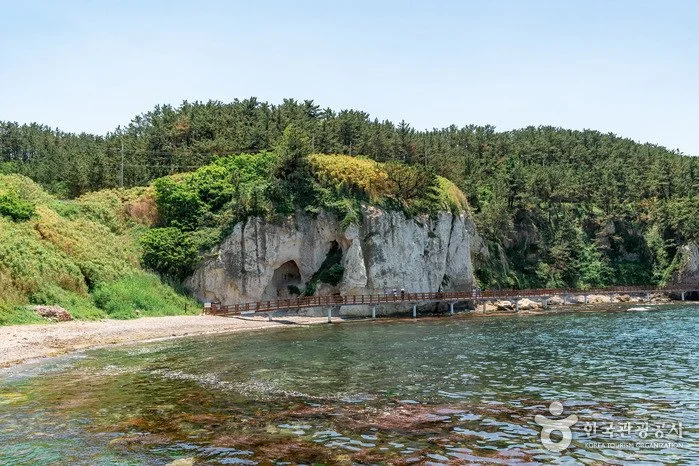
Seonbau Rock (Start of course 2)
Seonbau-gil Trail (Course 2) is often considered the most beautiful section because of the dramatic rock formations that span several kilometres over the water. Visitors can hike, and enjoy the stunning natural view of native greenery and ocean view. The course starts at Hindigi (referring to the striking white rocks as shown in the picture), and ends at Heunghwan Beach with a total length of 6.5km (≈1.5h walk).
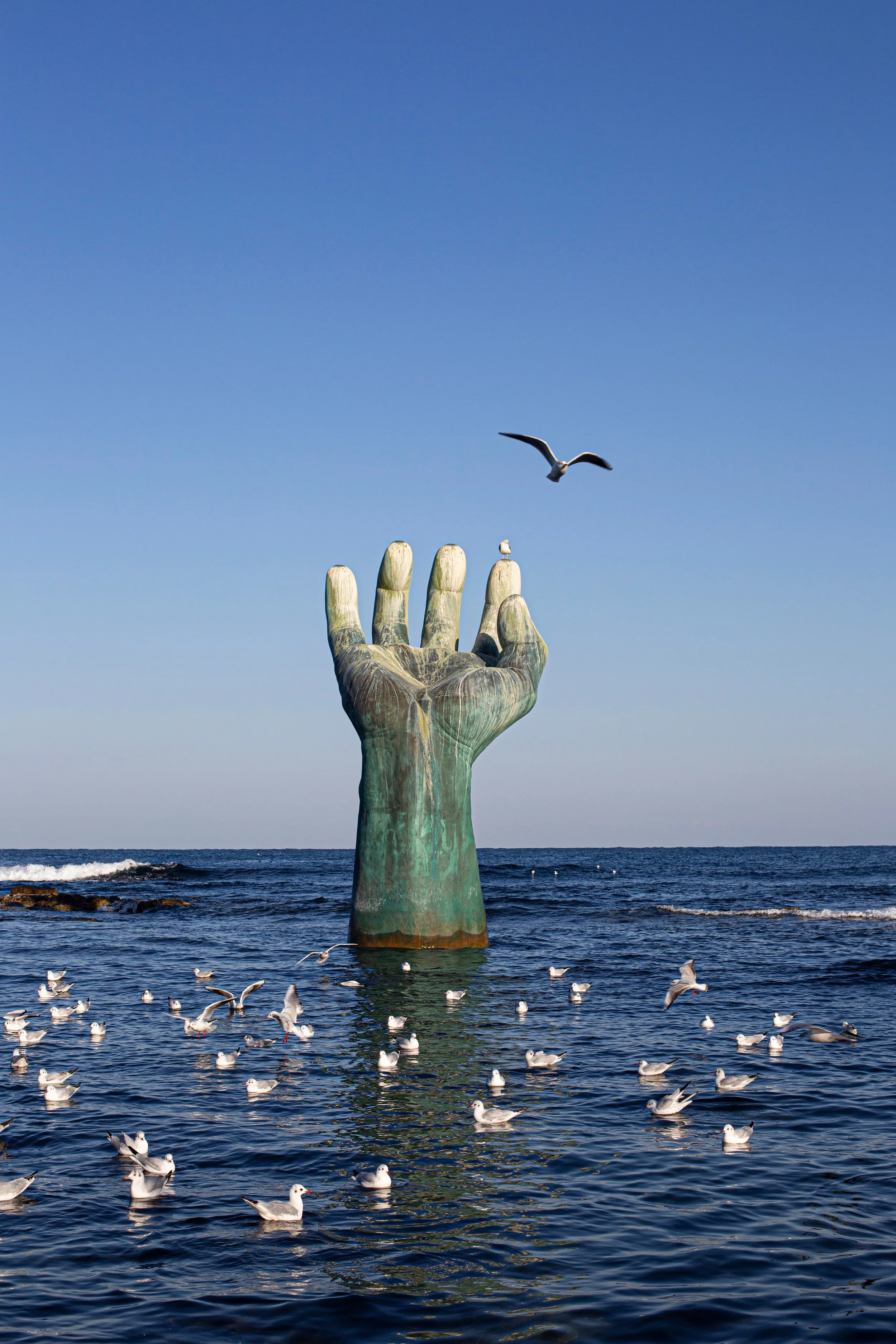
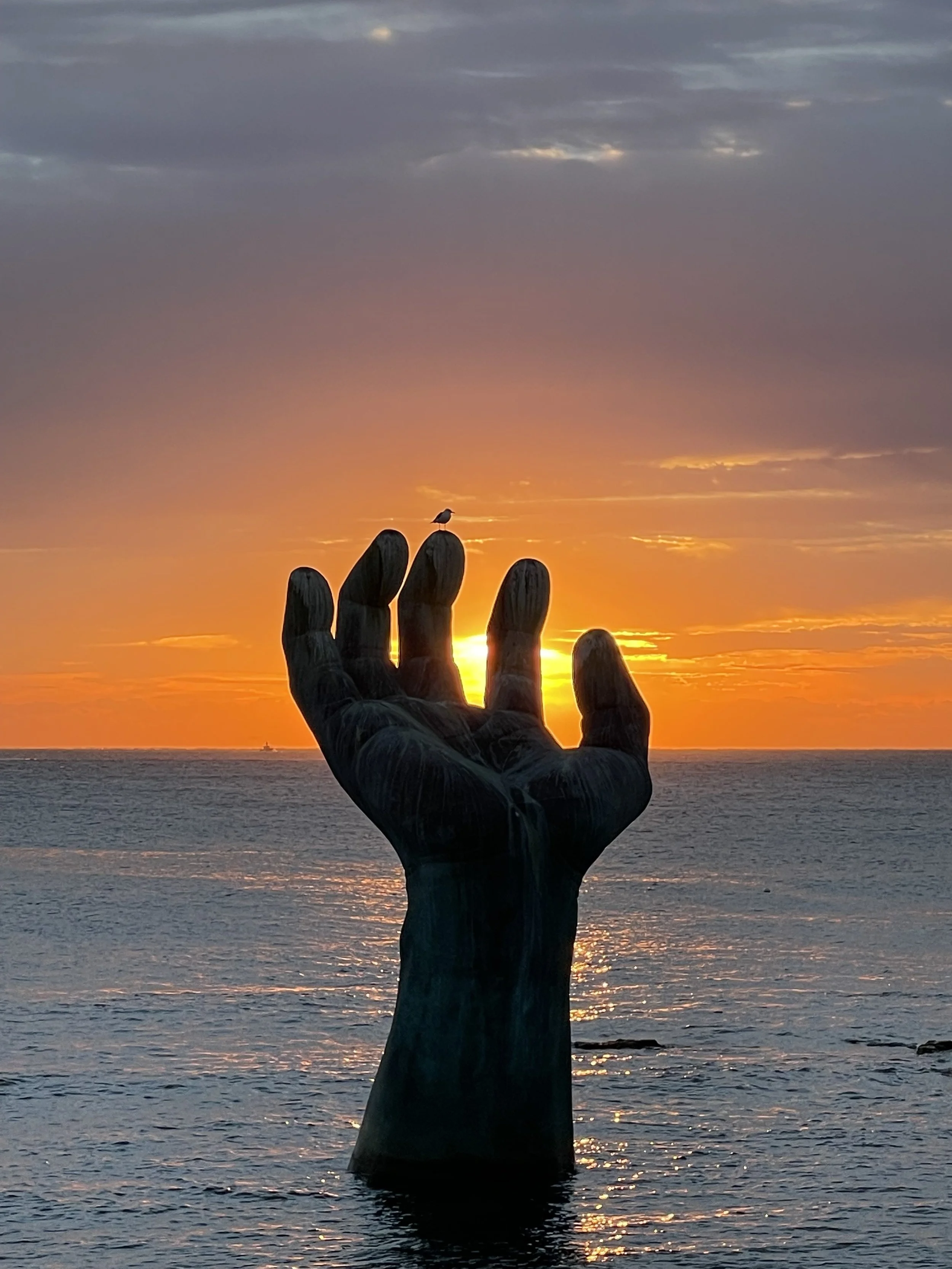
Homigot Tourism Complex
At the very 'tail' of the tiger-shaped Korean Peninsula, the Homigot Tourism Complex is famous for its breathtaking sunrise views. Rising from the sea, the iconic “Hand of Harmony” symbolises hope and unity, marking the dawn of the new millennium. The surrounding Sunrise Plaza, where the ocean hand faces its land-based counterpart, is the famous gathering place for the annual New Year’s Day Sunrise Festival.
→
5min walk
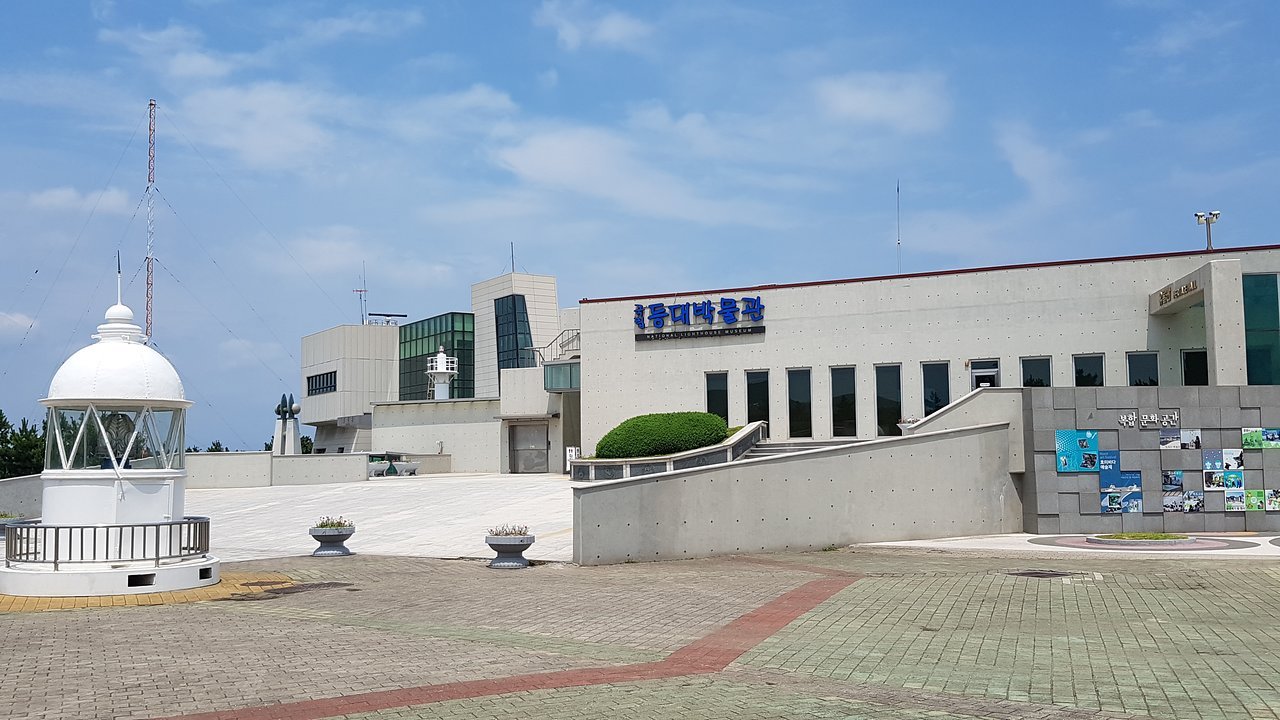
National Lighthouse Museum
As Korea's one and only National Lighthouse Museum, it is dedicated entirely to the guardians of the sea. This Museum was established to share the profound "philosophies of the ocean" with the public, highlighting the crucial role these beacons play in safely guiding mariners home. Designated as Gyeongsangbuk-do’s Local Cultural Heritage No. 39, this fascinating site beautifully preserves the historical and cultural legacy of the coast.
Along the east coast, you can set out to explore the Guryongpo area where popular streets and museums reside.
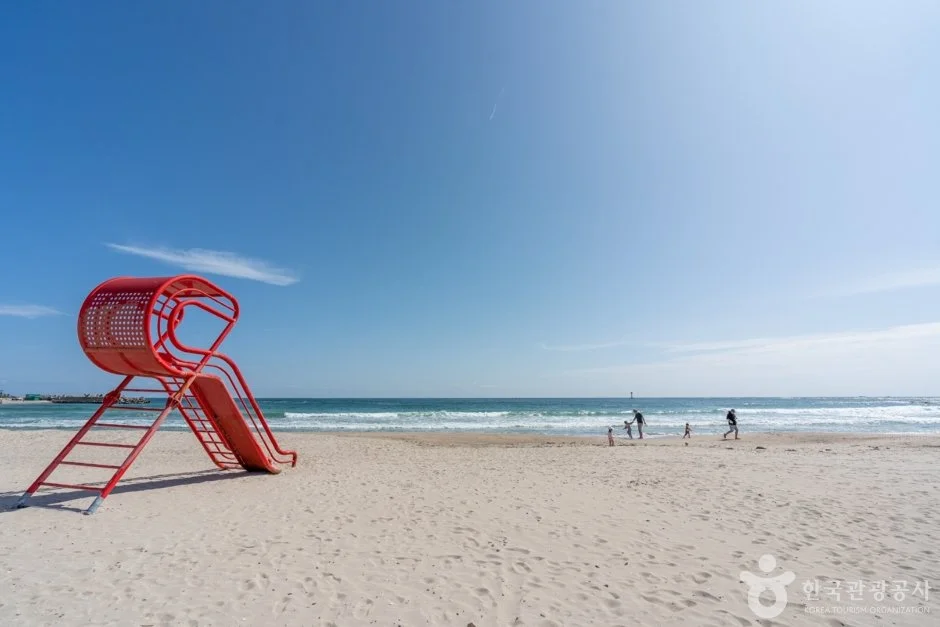
Guryongpo Beach
Stretches 400 metres in length and 50 meters in width, this crescent-shaped beach is renowned as a sunrise spot. Here, travellers come to see Guryongpo Columnar Joints and Guryongpo Beach Embankment, and enjoy beachside cafés, restaurants, and more.
13min walk
10min bus
→
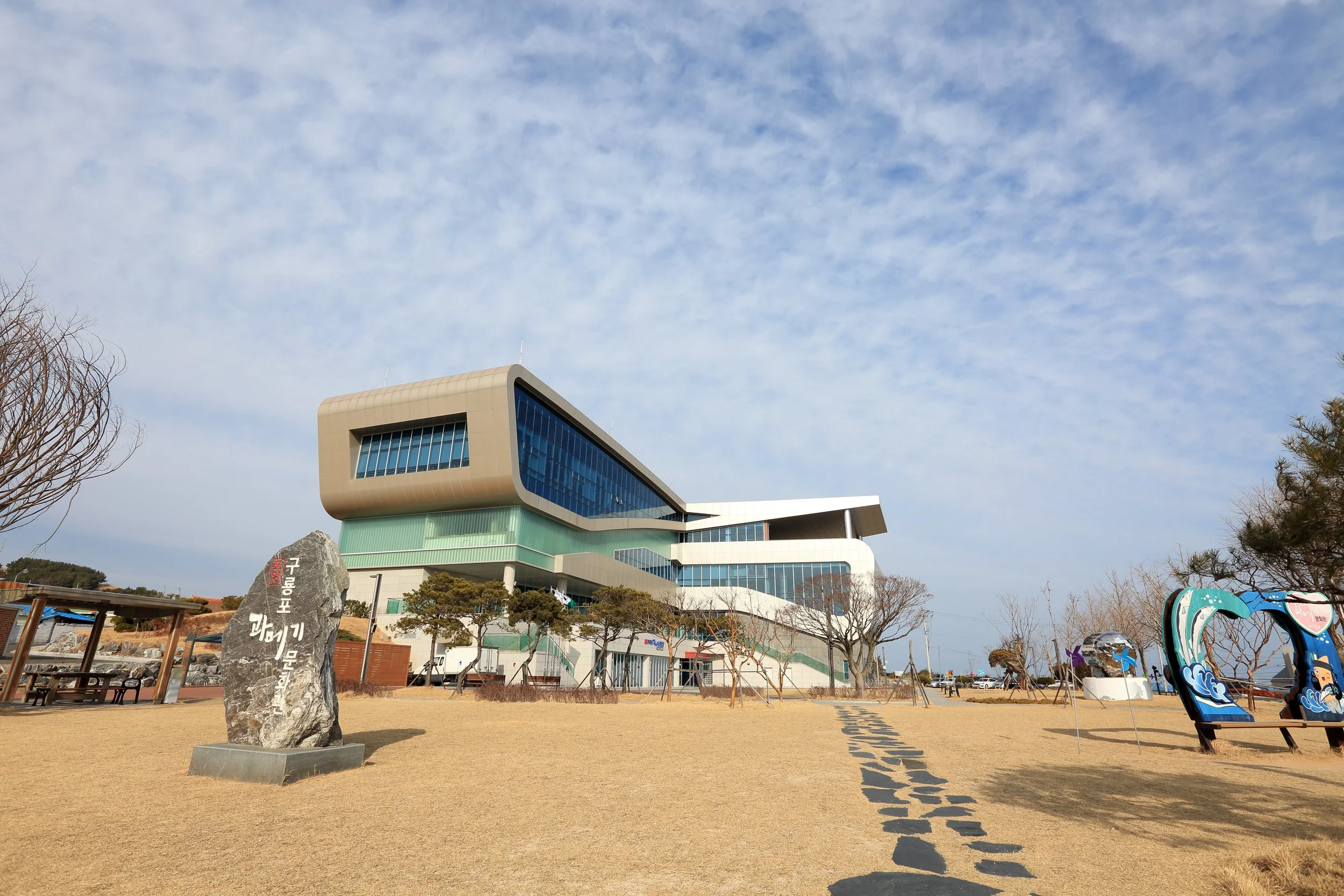
Guryonpo Gwamegi Culture Museum
This museum was established to celebrate half-dried herring (Gwamegi), one of Pohang’s most famous winter foods. Other than promoting the research and preservation of this local specialty, the museum blends culinary tradition together with high-tech multimedia systems to offer an engaging experience to visitors.
→
6min walk
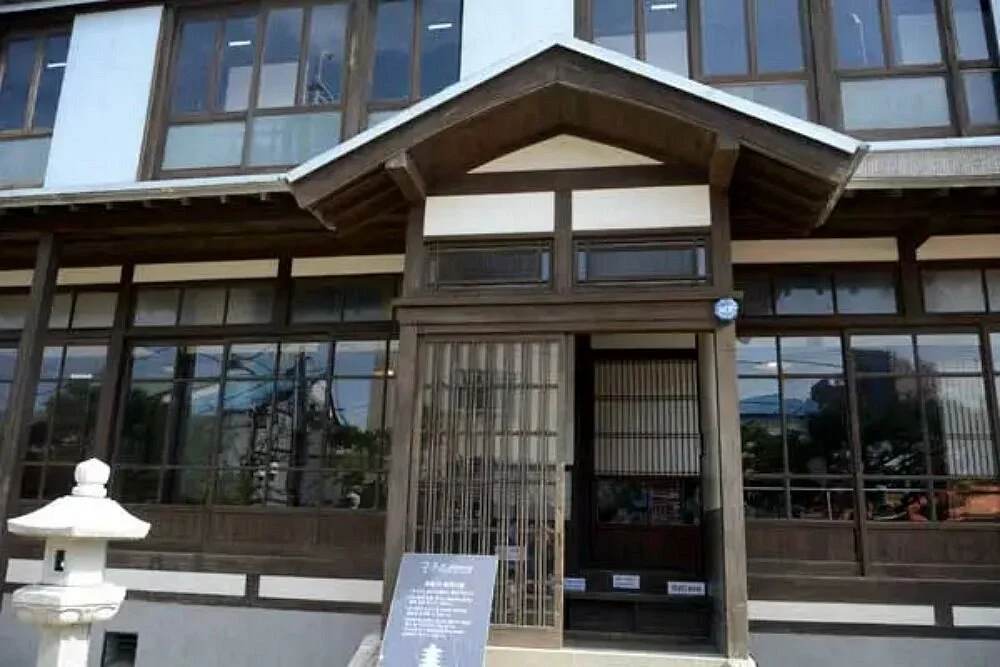
Guryongpo Modern Culture and History Museum
Time seems to stand still here at Guryongpo Modern Culture and History Museum. From beautifully restored Japanese wooden houses to historic streets, the museum is a captivating destination that invites you to live in the history of the region.
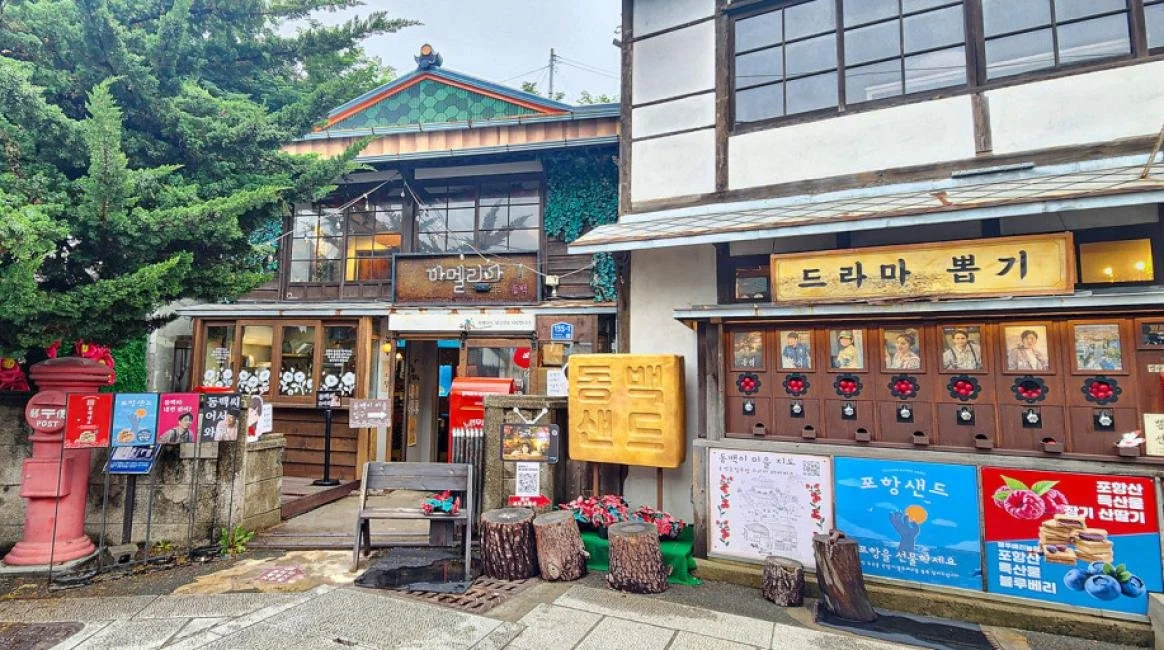
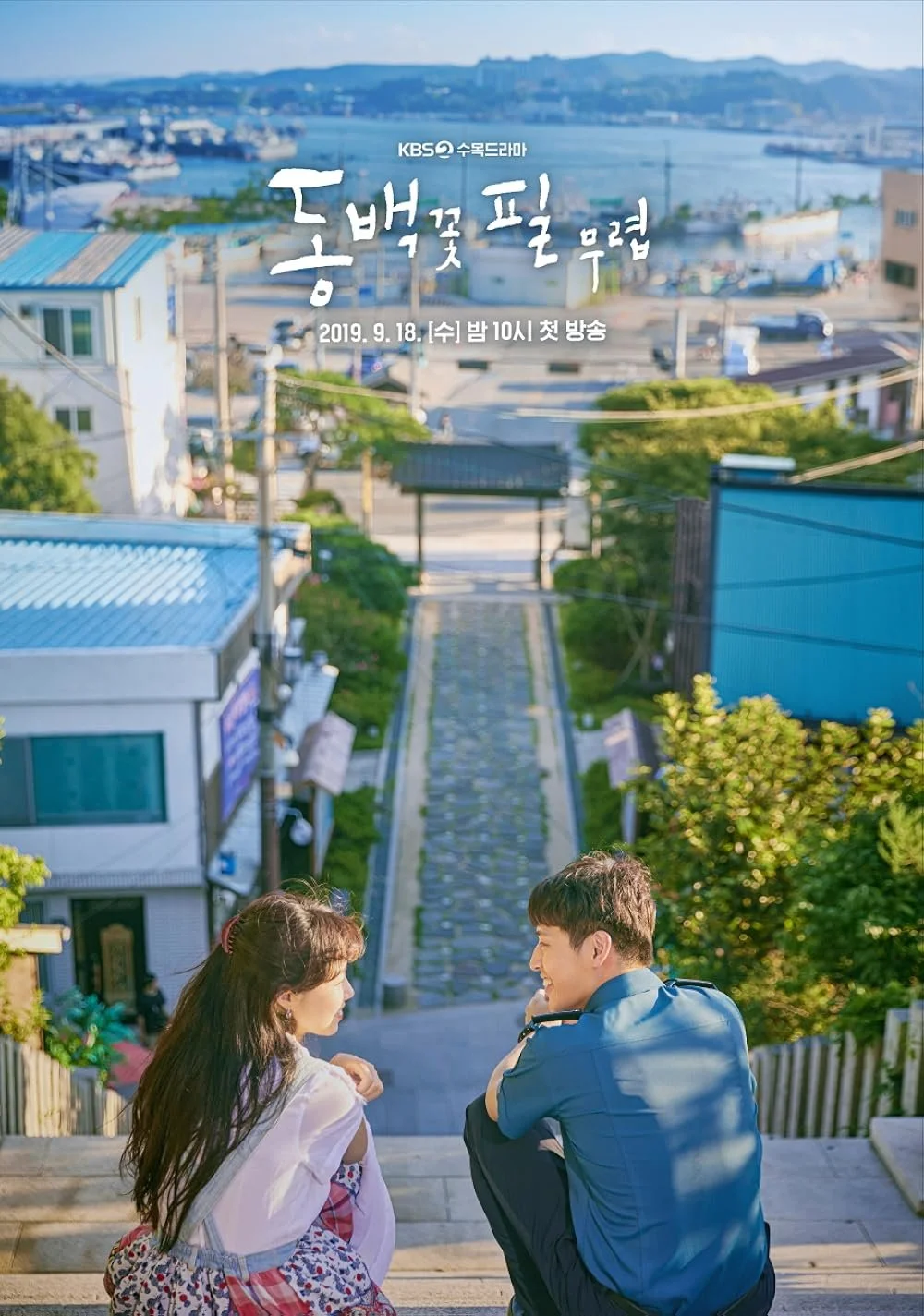
Guryongpo Japanese House Street
Appeared in the popular Korean drama “When the Camellia Blooms”, this district is a combination of well-preserved traditional wooden houses, coastal scenery, and stylish cafés and galleries. Travellers can’t skip a visit to Munhwa Masil, Camellia (Dong-Baek’s shop), now a charming café and souvenir store themed after the show. For the perfect keepsake photo, head to the stairs at Guryongpo Park Art Village Alley for the iconic backdrop featuring the drama’s main poster.
21min bus
11min car
→
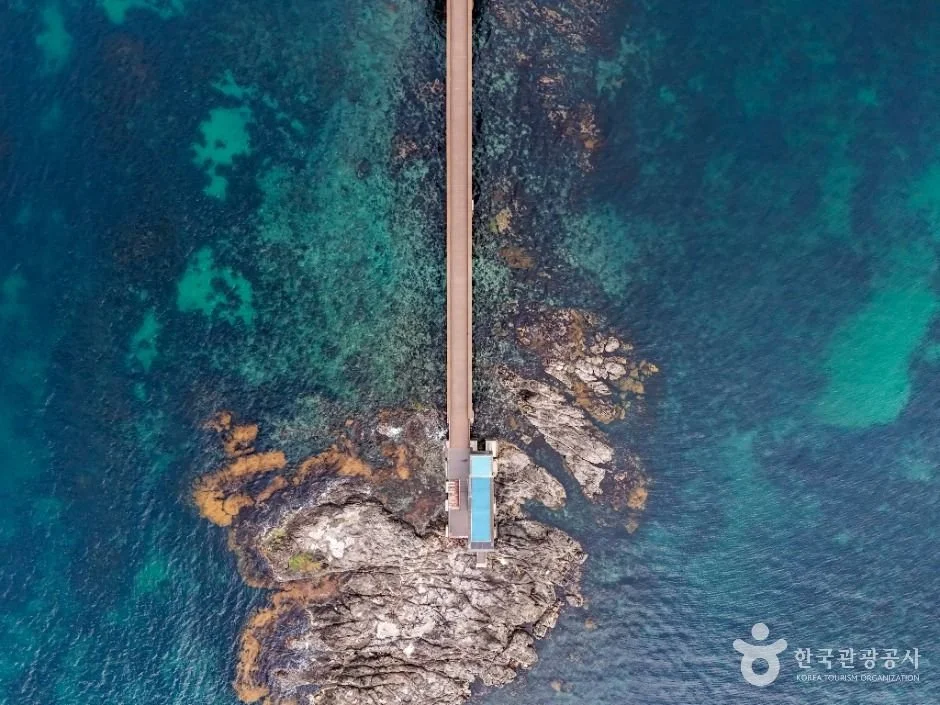
Janggil-ri Fishing Park
This open coastal deck promenade is set upon a clear blue sea. It is a popular fishing place among anglers from all over the destination, as well as a serene spot to watch the sunrise.
30min bus
12min car
→
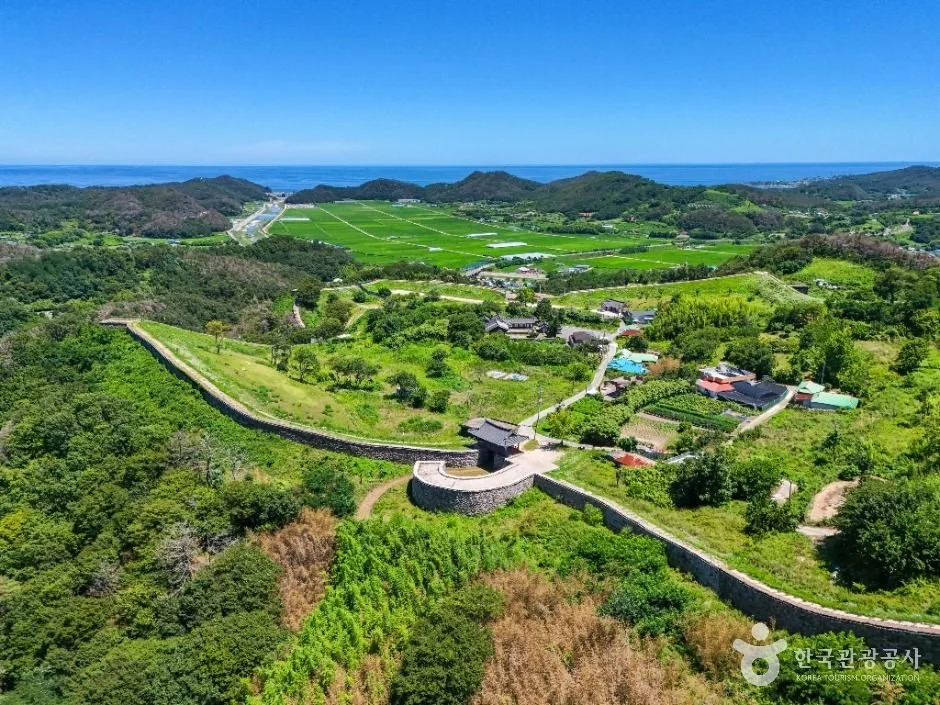
Janggi-eup Fortress & Janggi Exile Culture Experience Village
During the Joseon Dynasty, over 200 people were exiled here, including renowned scholars Song Si-yeol and Jeong Yak-yong. Instead of fading away, they educated locals and fostered a unique academic culture. Today, visitors can explore the Exile Culture Experience Village alongside the historic Janggi-eupseong Fortress built to deter foreign invasions, and the scenic Janggicheon Stream flowing toward the East Sea.
Pohang also boasts some of the most stunning hiking paths in Korea. Whether you are a casual explorer or an avid hiker, these sites promise to be a truly unforgettable outdoor adventure featuring thousand-year-old temples and dramatic mountain panoramas.

Let’s Go Hiking
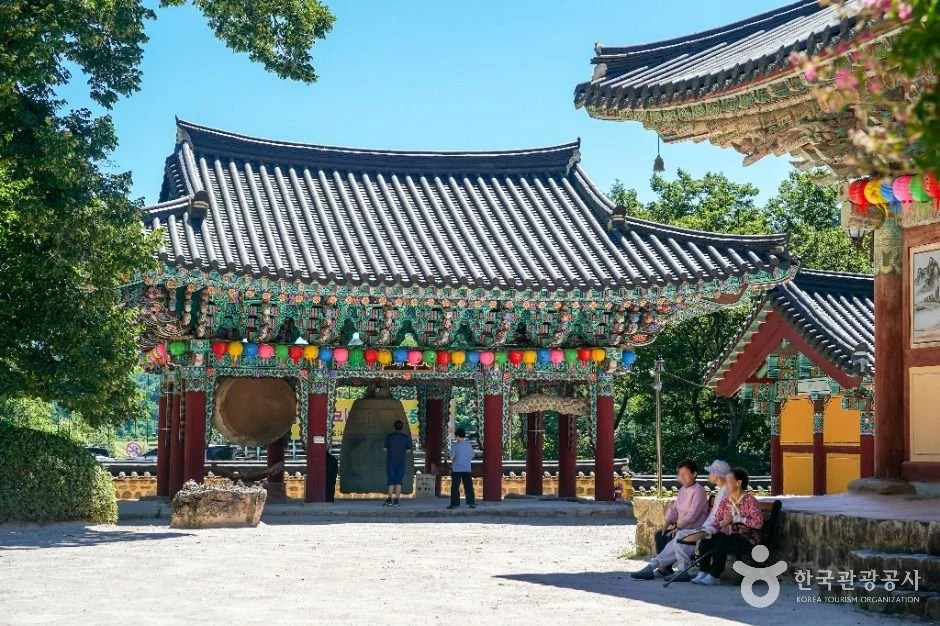
Oeosa Temple
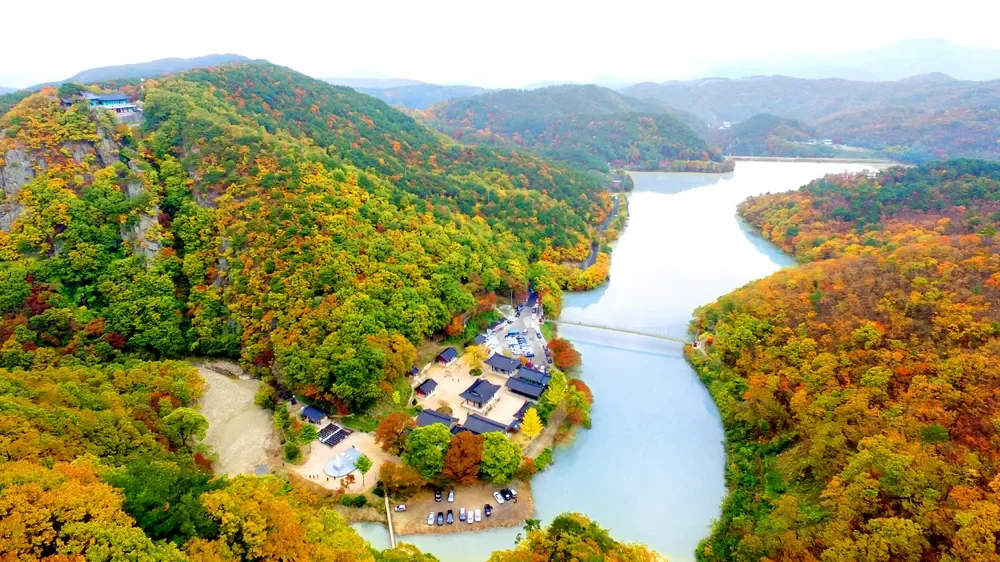
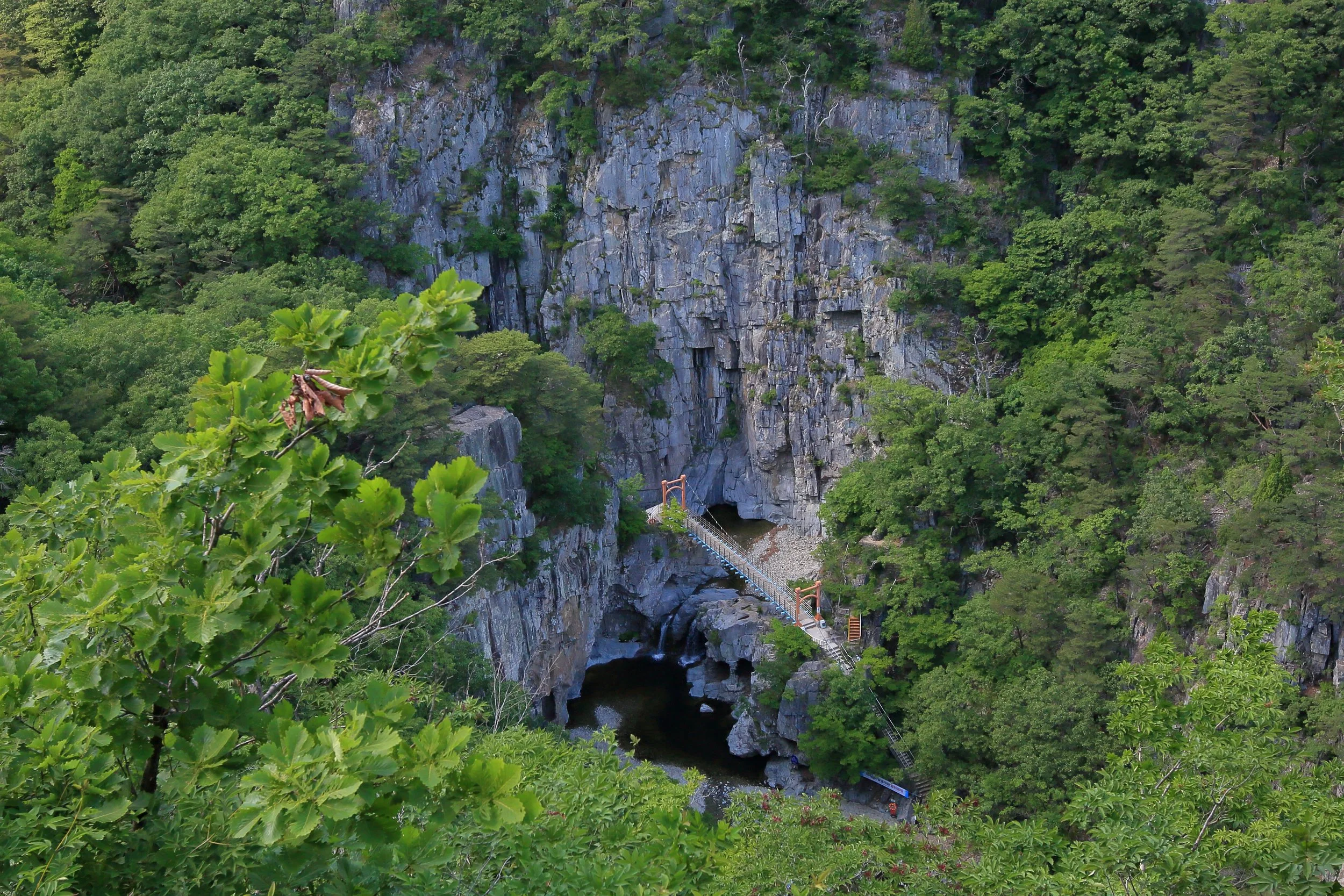
Located on the Unjesan Mountain and built during the reign of King Jinpyeong of the Silla Dynasty, the temple is home to significant treasures, including a Silla-era Bronze Bell surrounded by coins for good fortune, and the iconic straw hat of the legendary Master Wonhyo, one of East Asia’s most prolific scholars. While you are there, don’t miss the suspension bridge, Oeoji Dulle-gil Trail, next to the temple. On Buddha’s Birthdays, it would be decorated with lotus lanterns that light up the mountain itself.
Naeyeonsan Mountain
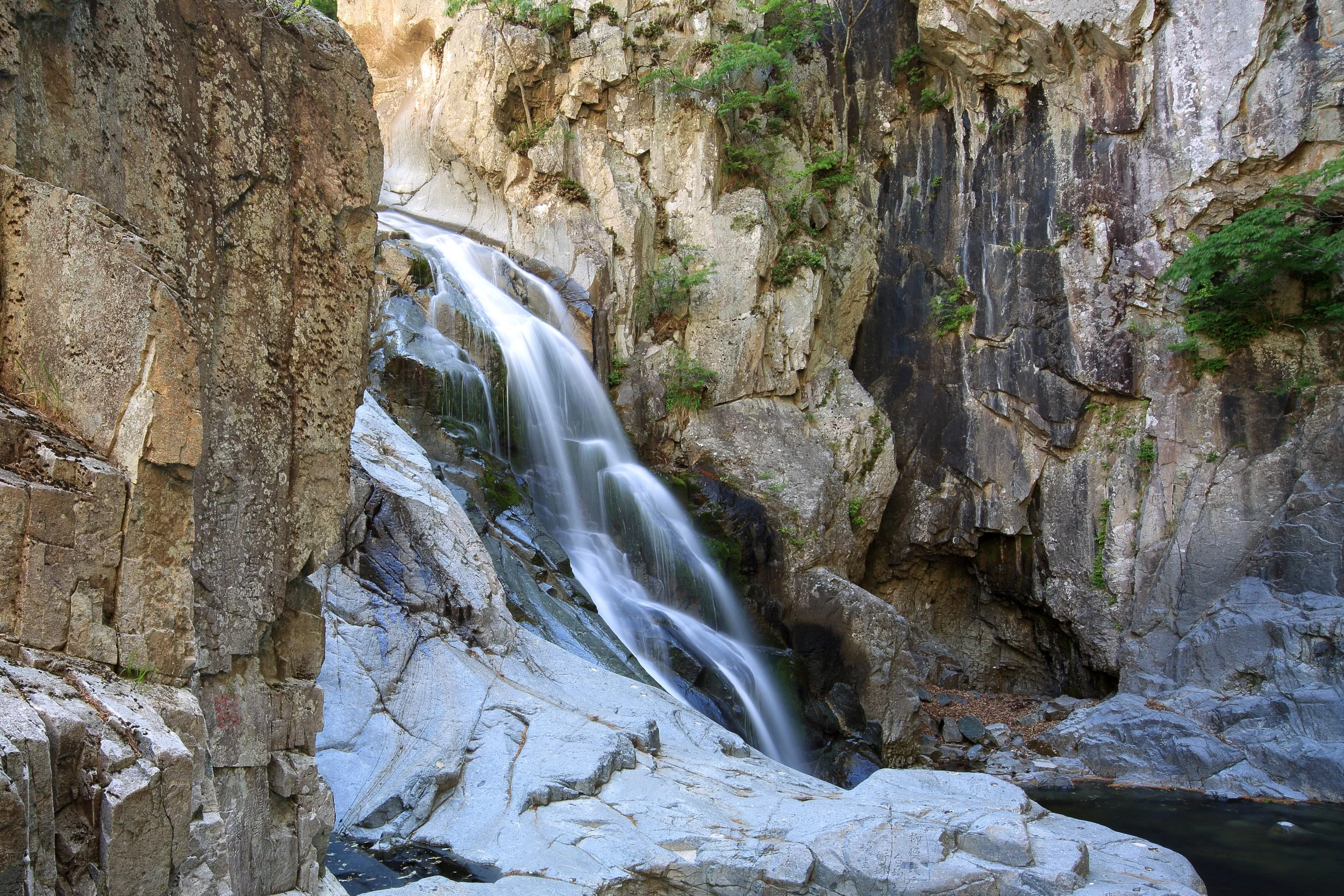
Selected as one of the '100 Most Famous Mountains' by the Korea Forest Service, Naeyeonsan Mountain is a year-round destination favoured by hikers and tourists. It is home to Bogyeongsa Temple, a thousand-year-old Buddhist sanctuary, and the stunning Sibipokpo Falls (AKA 12 Waterfalls), which offer beautiful, ever-changing scenery in every season. The mountain caters to different levels of hikers, with options ranging from a gentle trekking course along the Gapcheon Valley to a challenging trail leading to the mountaintop.
Juwangsan National Park
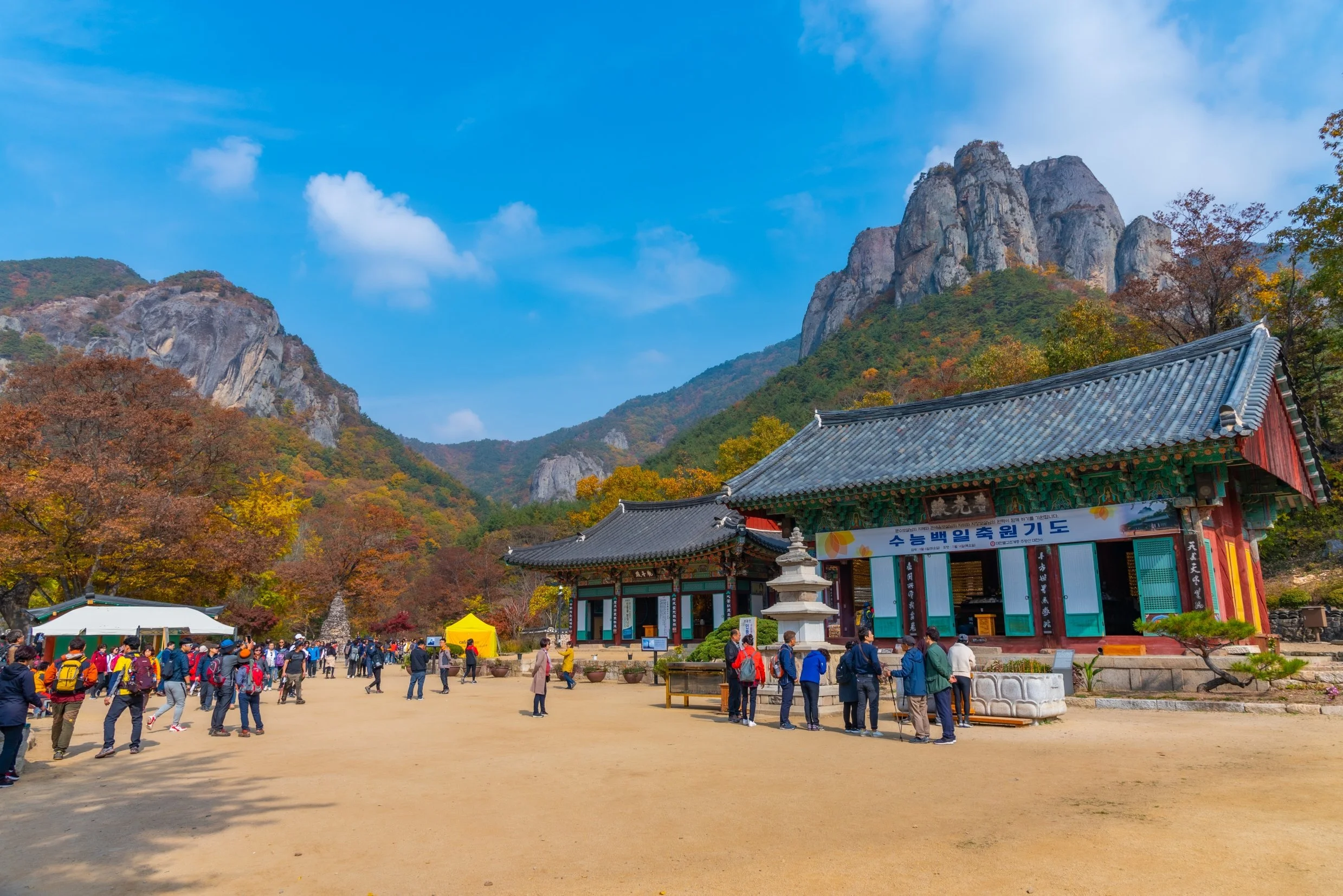
Designated Korea’s 12th national park and a UNESCO Global Geopark, Juwangsan is celebrated as one of the destination’s three major rocky mountains alongside Seoraksan and Wolchulsan. Formed by volcanic activity 70 million years ago, the park features geological sites like Giam Cliff, Yongchu Gorge, and Jusanji Reservoir. The landscape comes alive with wild azaleas in spring and vibrant maple leaves in autumn. You can also explore Daejeonsa Temple, built during the Silla Dynasty, or take on the challenging hike to Gamebong Peak for breathtaking views of the Yeongdeok coast and the sea of clouds.
Tastes of Pohang



-
![]()
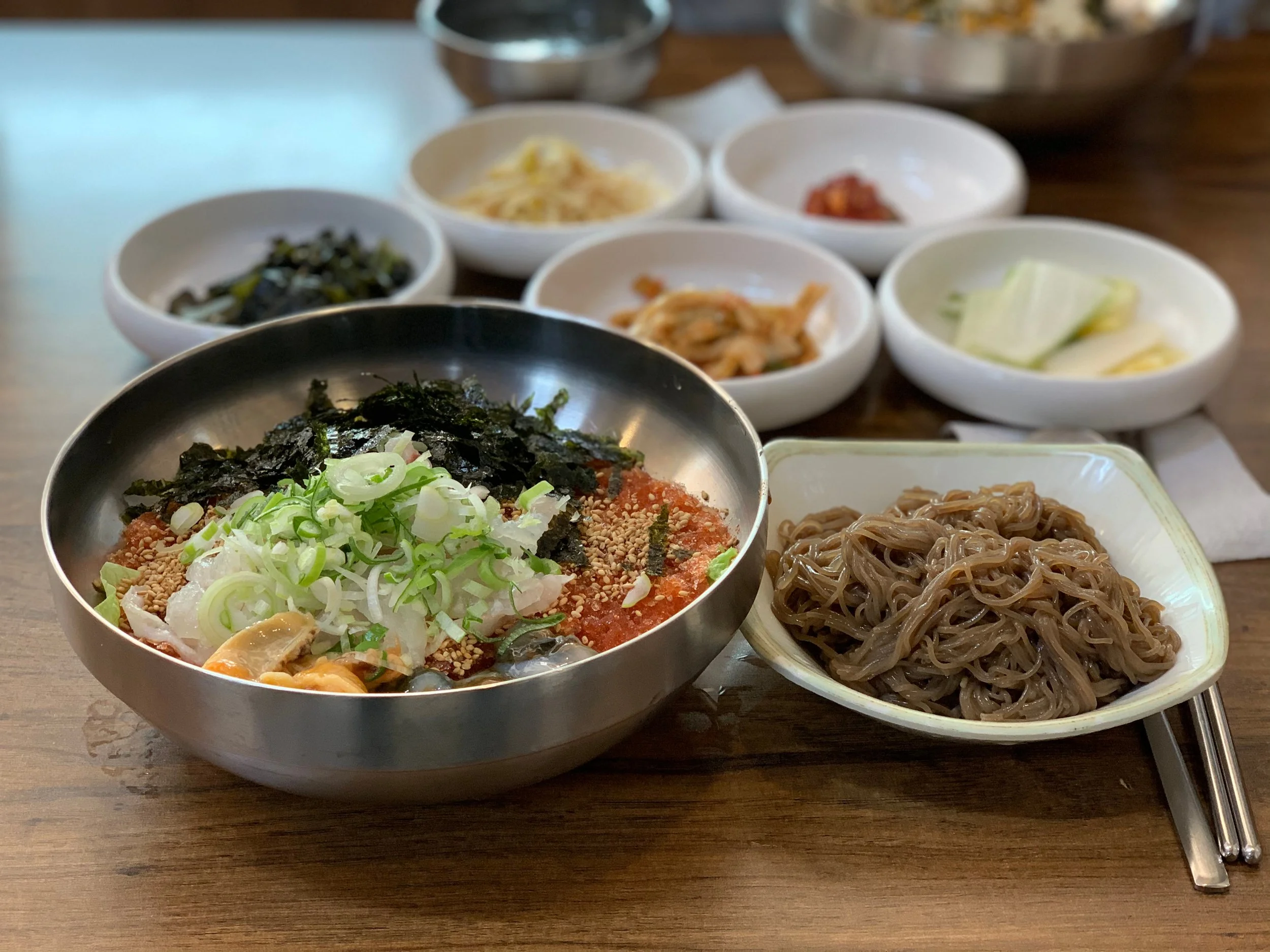
Mulhoe
This local dish is made from thinly sliced fresh fish served over crushed ice and topped with tangy-spicy broth. This is one of Pohang's signature summer specialties, known for its burst of flavour and the fresh aroma of the sea. For extra freshness and the authentic taste, visit specialised restaurants in Seolmeori Mulhoe Street in Yeongildae.
-
![]()
Guryongpo Port Snow Crab
Guryongpo Port is Korea’s premier destination for fresh snow crab, where one can find the finest catch from the deep water surrounding Ulleungdo and Dokdo. Reaching their peak from winter to spring, these crabs are renowned for their succulent meat and delicate flavour. It is a seasonal delicacy that is truly worth the journey.
-
![]()
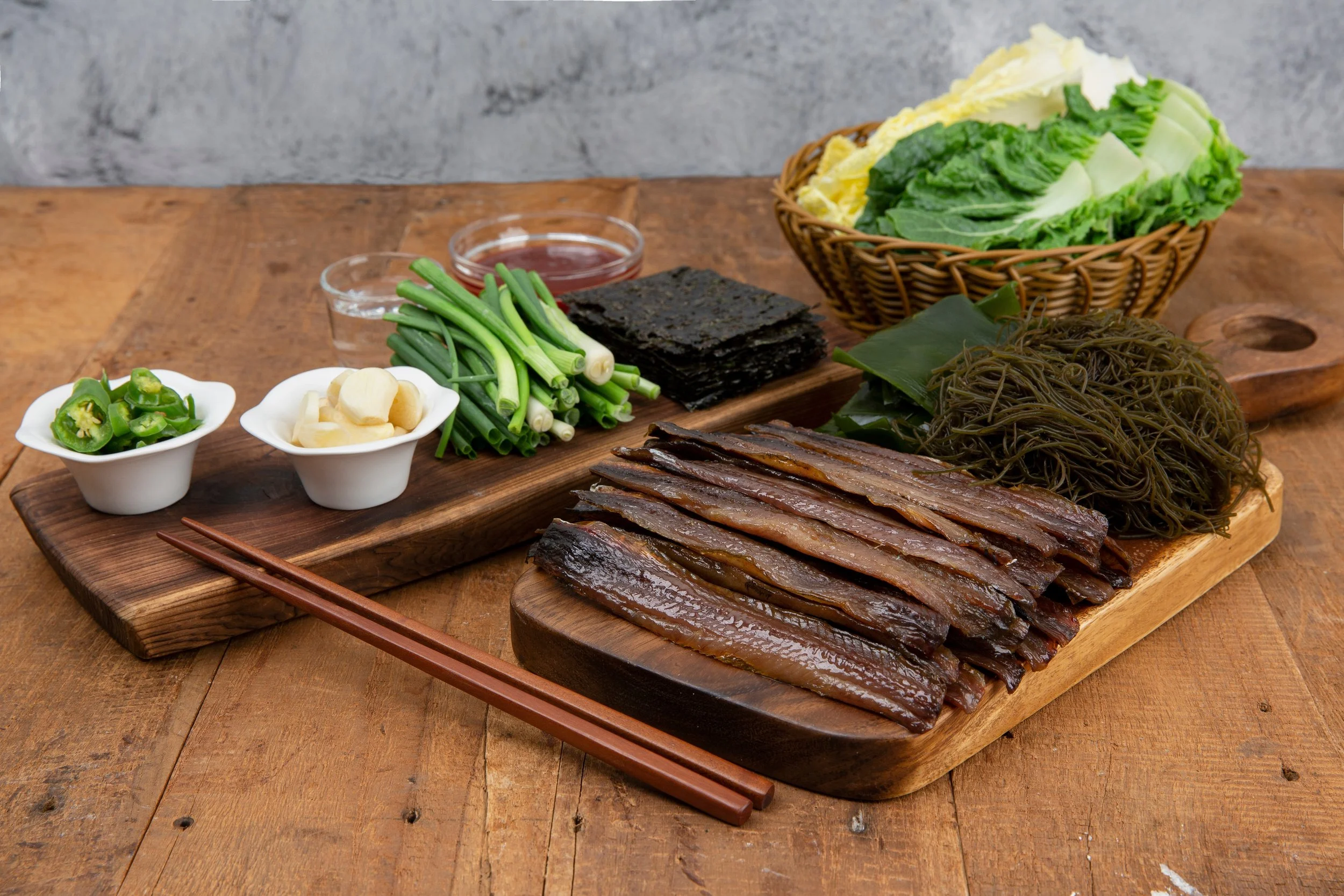
Gwamegi
Gwamegi is a signature local winter delicacy of Guryongpo, Pohang. It is traditionally made by repeatedly freezing and air-drying Pacific herring or saury in the coastal breeze. If you enjoy chewiness and deep, savoury flavour, this local snack is for you. Don’t forget to wrap it in seaweed with fresh vegetables and spicy sauce!
-
![]()
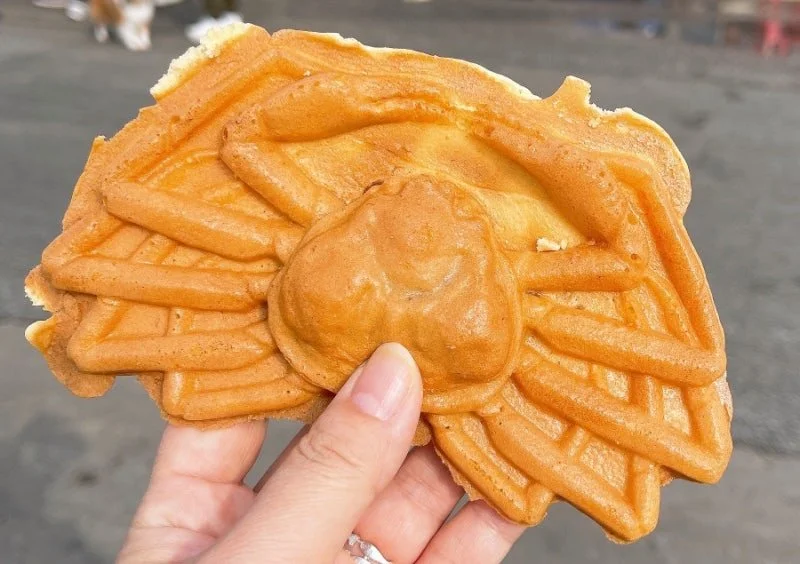
Snow Crab Bread
Snow crab bread or Dangeppang, is, you guessed it, shaped like the region’s iconic snow crab!
This delicious snack is a blend of rice powder and real snow crab meat; its filling is made from sweet red bean.
-
![]()
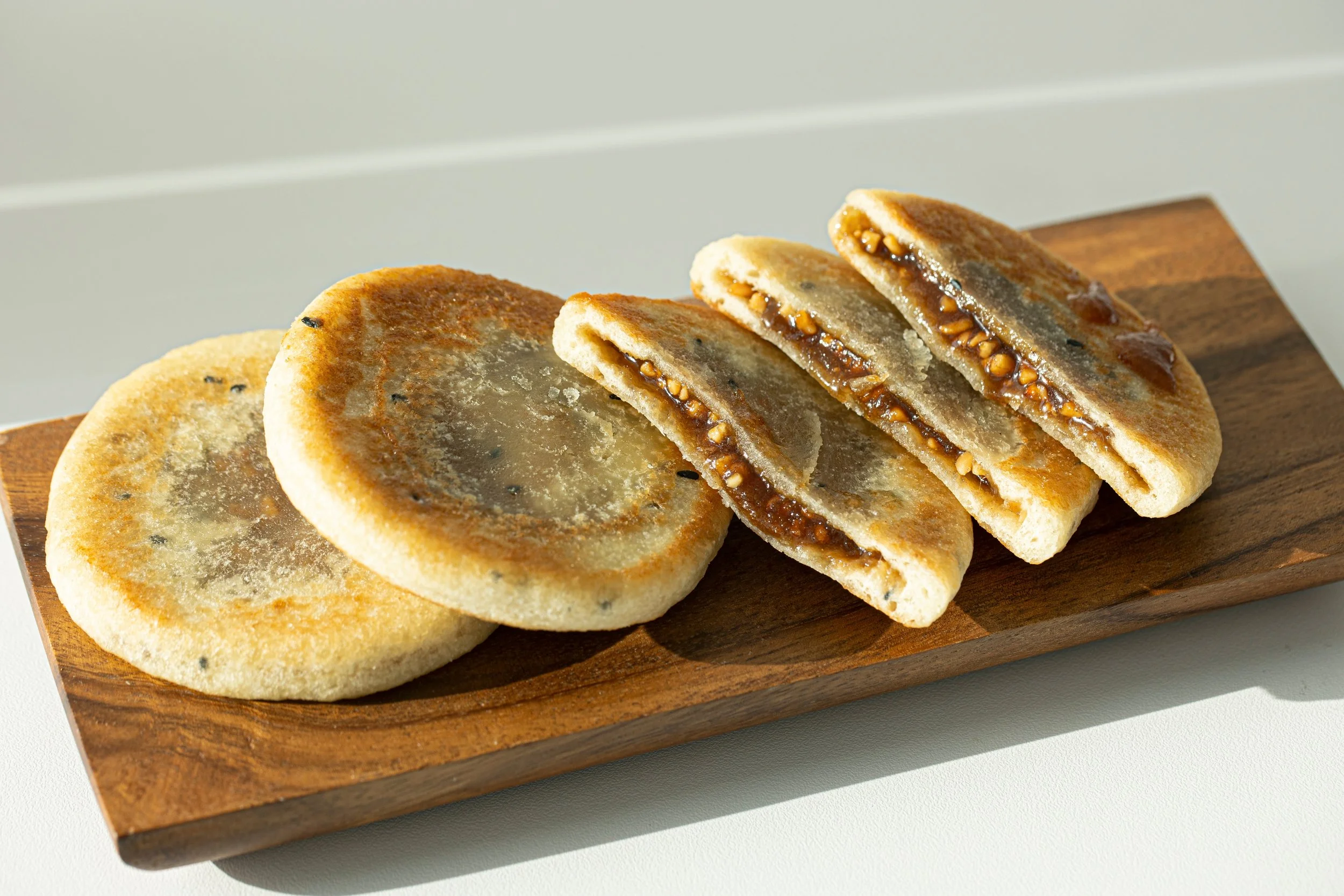
Hotteok (Traditional Korean pancake)
Pan-fried yeast pancake filled with cinnamon, brown sugar, and peanuts. Walking by street food vendors, you will see that the modern version of Hotteok has a variety of fillings, such as creamy green tea, bulgogi, and japchae.

Travelling in Korea is much easier when you know a few basic tips. From finding your way around to using public transportation and ordering food, small preparations can make a big difference!
One of the easiest ways to prepare is by having the right apps on your phone. Here are a few must-haves for a smooth and stress-free trip.
Travel Tips
Naver Map/ Kakao Map ⭐️⭐️⭐️
Google Maps is limited in Korea, so it’s better to use Naver Map or Kakao Map. These apps give accurate directions and show real-time bus and subway schedules, which makes travelling much easier.
Kakao T⭐️⭐️
You can easily call a taxi through this app. It’s much more convenient than trying to catch one on the street, especially in quiet areas or late at night.
Delivery apps⭐️⭐️
Korea is known for its fast and convenient food delivery. With apps like Baemin or Yogiyo, you can order almost anything to anywhere. It’s a great option if you want food delivered straight to your hotel.
Papago⭐️
Papago is a useful translation app that works especially well for Koreans. It often gives more natural results than other translators and is great for reading menus, signs, and having simple conversations with locals.
In addition to these apps, you will also need a convenient way to pay for public transportation.
T-money Card ⭐⭐⭐
T-money is a rechargeable transportation card that makes getting around Korea much easier. You can use it on buses, subways, and even taxis without needing cash or buying tickets each time. It also offers small fare discounts compared to single-ride tickets, which helps you save money over time. Please note: T-money is mainly for intercity transportation and cannot be used directly for long-distance buses or trains.
You can buy a T-money card at convenience stores like GS25 or CU, subway stations, and airport kiosks, and top it up easily at machines or stores. If you download the T-money app, checking your balance and recharging your card becomes even more convenient. Once you have one, travelling becomes faster, simpler, and much more convenient.
*Korea (ROK) is referred to as Korea