
Wellness, Traditions, and Innovation: Highlights from PATA Destination Marketing Forum 2025
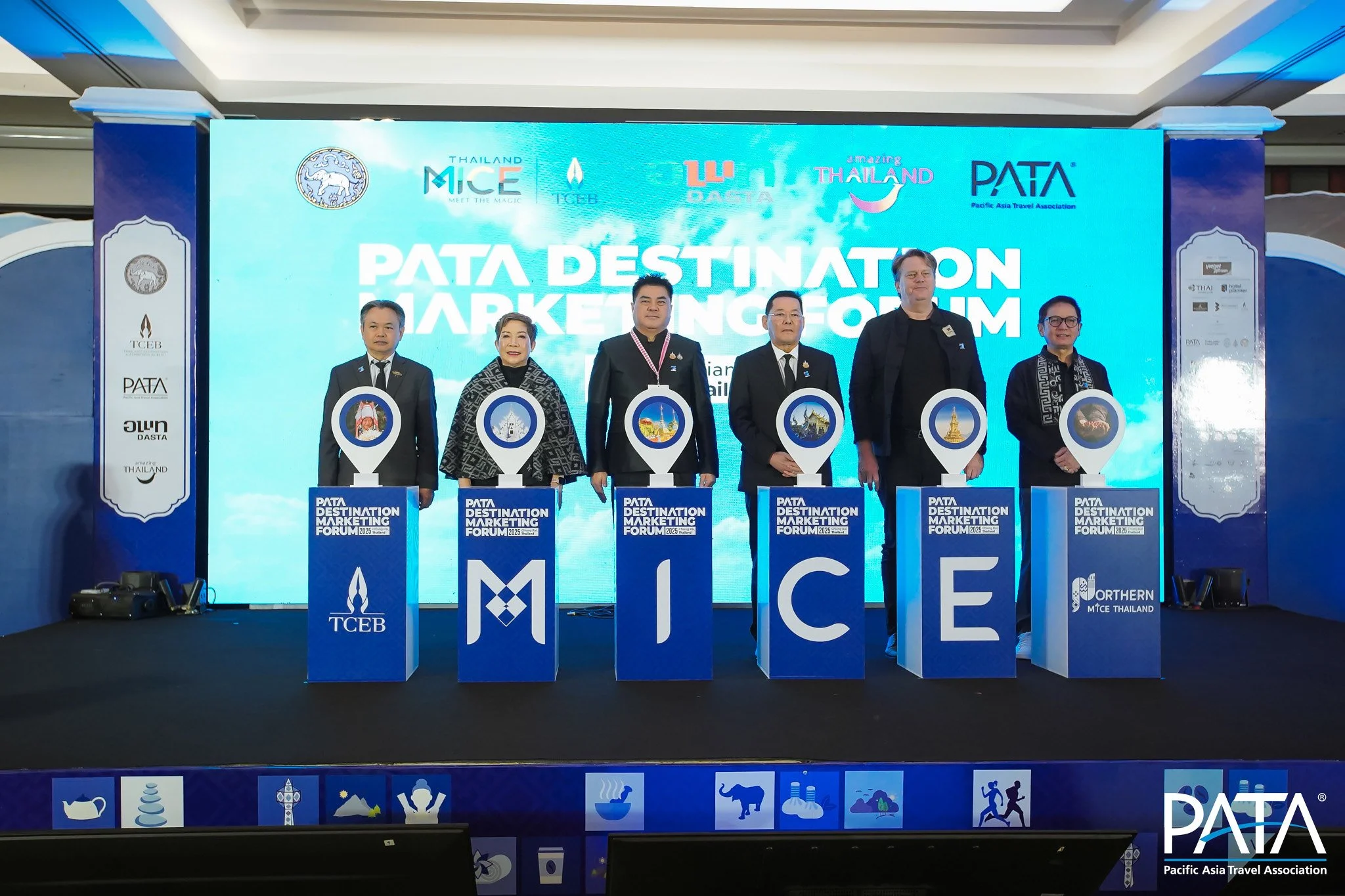
PATA Destination Marketing Forum 2025 (PDMF 2025) successfully concluded on December 3 after three full days of professional insights, in-depth destination experience tours, and strengthened connections between tourism stakeholders. Co-hosted by leading tourism industry organisations of Thailand, including the Thailand Convention and Exhibition Bureau (TCEB), the Designated Areas for Sustainable Tourism Administration (DASTA), the Tourism Authority of Thailand (TAT), and the host destination, Chiang Rai Province, the event welcomed over 300 international and local delegates from 18 destinations.
Under the theme Steeped in Tradition, Rooted in Wellness: Weaving the Meaningful Narrative of Travel, the event and its conference sessions drew focus to the balance of heritage, innovation, and creativity when it comes to destination transformation. Throughout the programme, PDMF 2025 explored the topics of wellness in tourism, hyper-local travel, cultural heritage, technology, and destination reinvention—unlocking bold ideas and transformative strategies shaping the future of tourism across Asia Pacific and beyond.
Let’s take a look at the conference’s key takeaways!
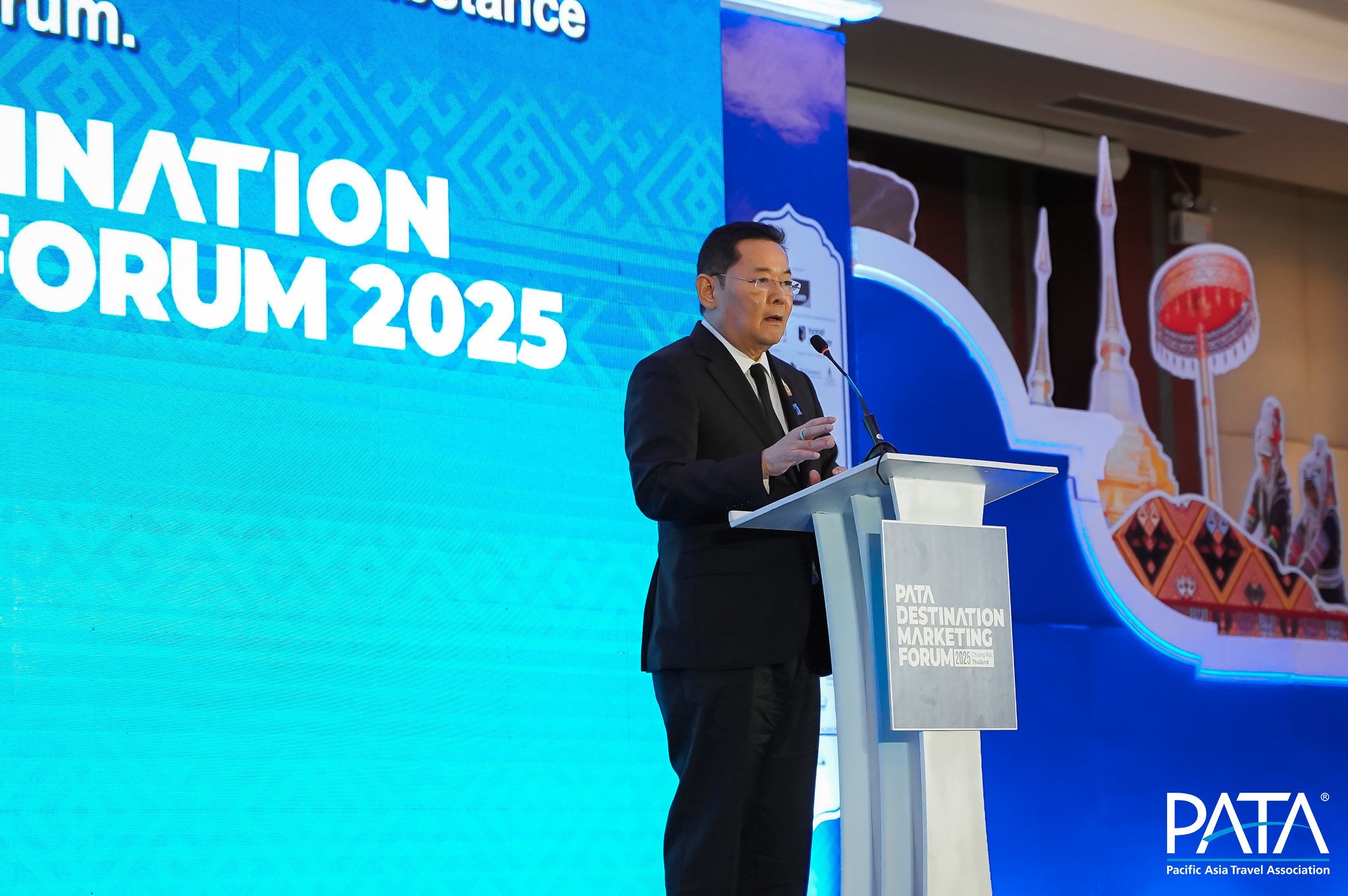
Mr Napintorn Srisunpang, Minister Attached to the Prime Minister’s Office, Thailand
Opening Remarks by the Minister Attached to the Prime Minister's Office, Thailand
Steeped in Tradition, Rooted in Wellness: Weaving the Meaningful Narrative of Travel, reflects an important direction for global tourism—one that embraces heritage, community, and holistic well-being. The theme is closely aligned with the Thai Government’s commitment to driving sustainable growth and strengthening local economies through cultural identity and creative development.
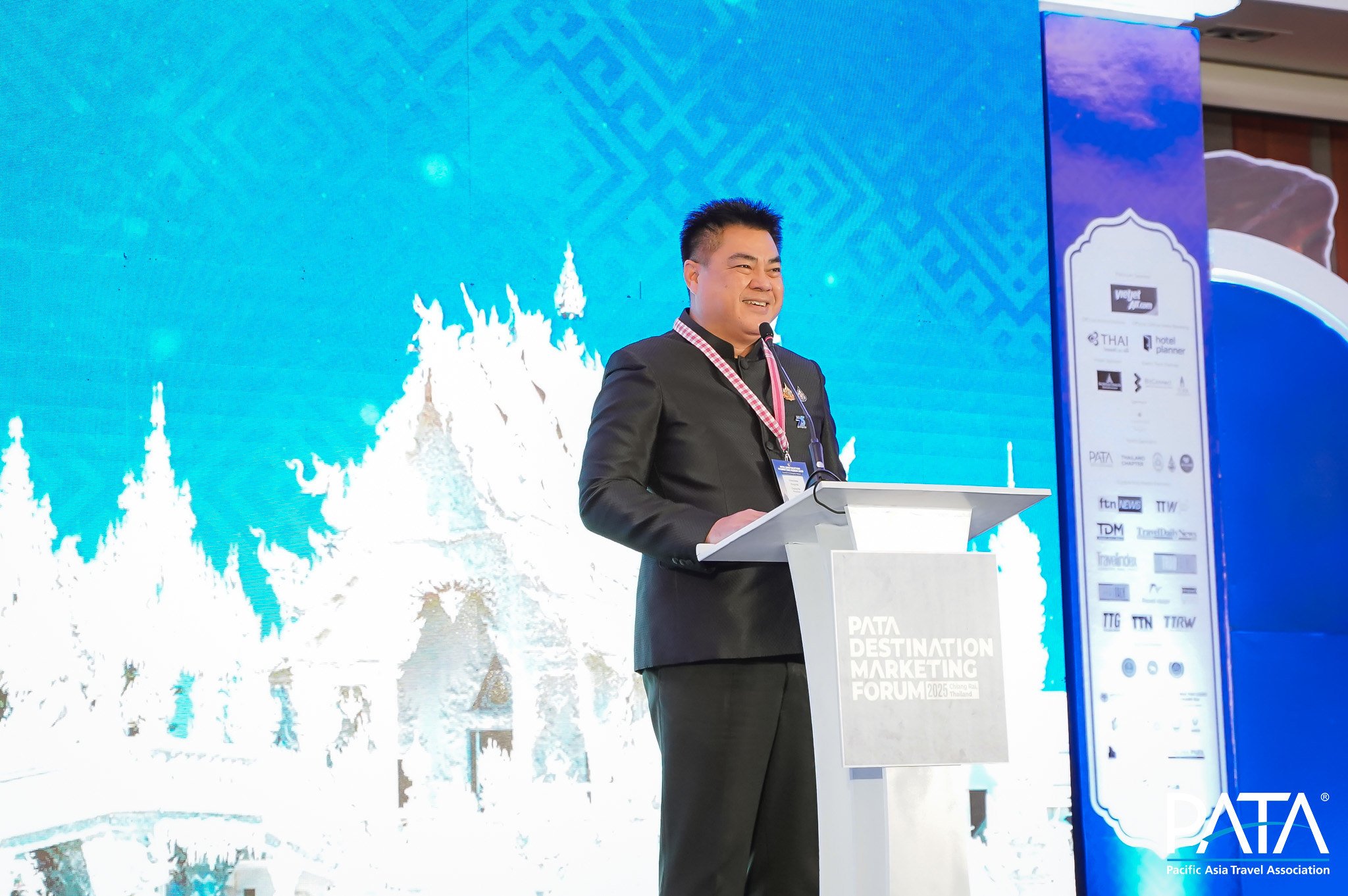
Mr Choocheap Pongchai, Governor of Chiang Rai
Welcome Remarks by Chiang Rai
PDMF 2025 presents an excellent opportunity for Chiang Rai to showcase the province’s potential as a city that seamlessly integrates cultural heritage, community lifestyles, natural beauty, and creativity. Recognised as a UNESCO Creative City of Design, Chiang Rai is also distinguished as a safe and welcoming destination for female digital nomads, and is well known as both a Wellness City and a “Must-Visit” destination that welcomes all.
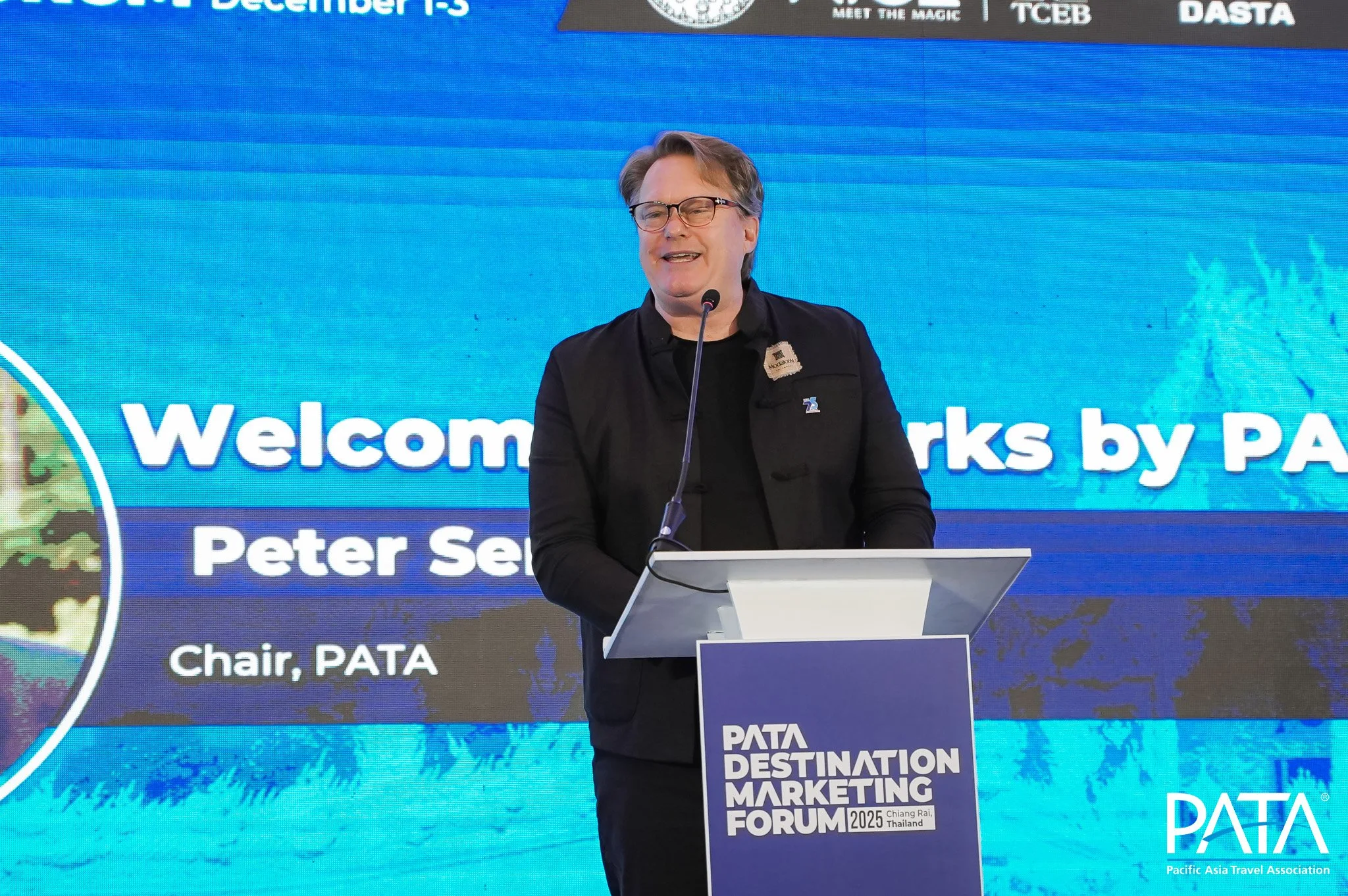
Mr Peter Semone, Chair, PATA
Welcome Remarks by PATA
Wellness, creativity, and local voices are crucial elements to shaping visitor experiences and guiding tourism development. Chiang Rai’s ability to balance heritage with innovation can be viewed as a model for how destinations can cultivate a strong sense of place, empower communities, and ensure tourism benefits are widely distributed.
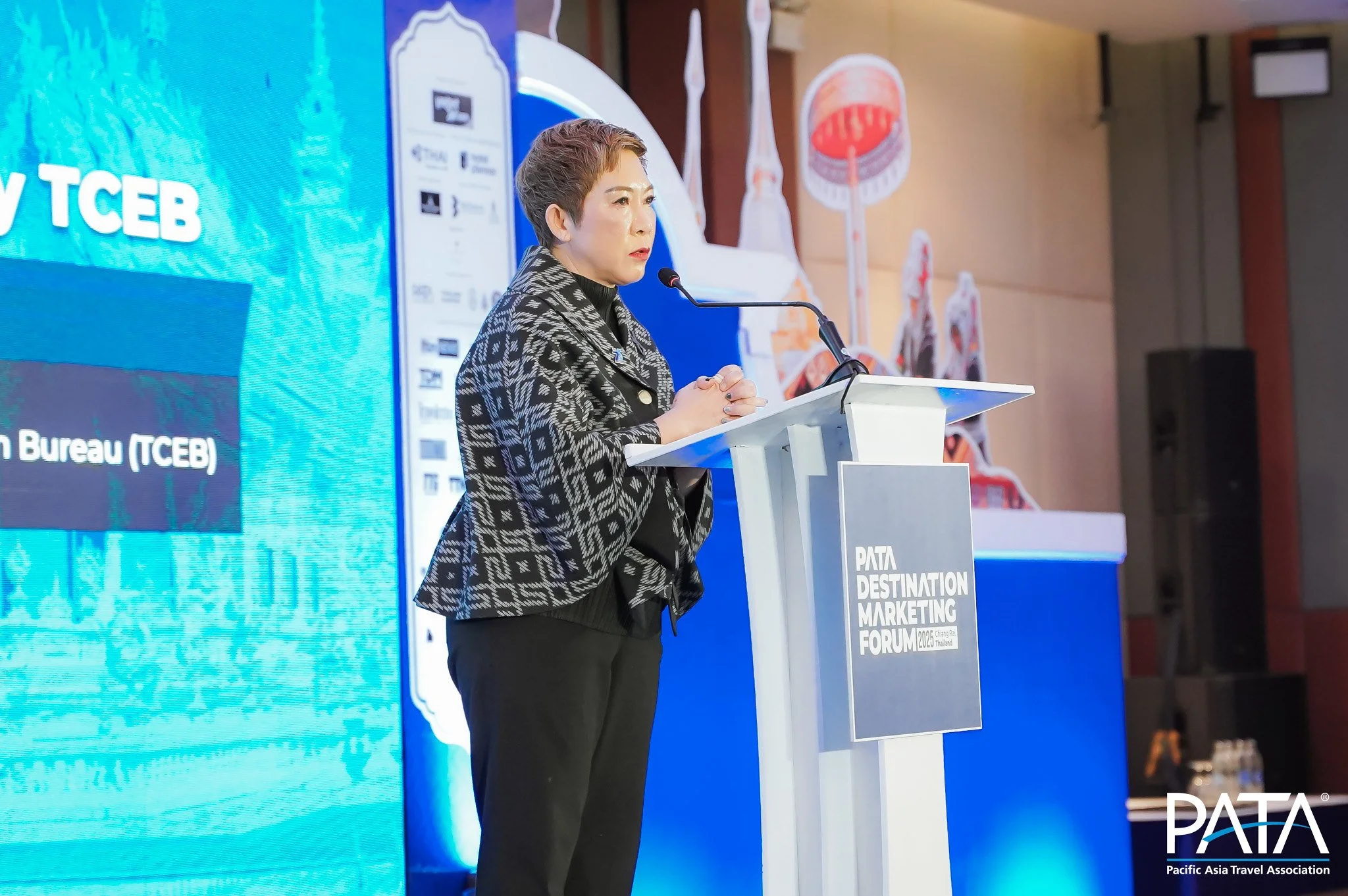
Dr Supawan Teerarat, President of TCEB
Welcome Remarks by TCEB
The province’s recognition as a UNESCO Creative City of Design positions Chiang Rai at the heart of Thailand's strategic vision for MICE development. These connections make MICE a powerful platform for sustainable community prosperity. This is the future the industry is building together—where MICE creates lasting economic and social development, generates long-term opportunities, and empowers local communities to participate in the global economy.
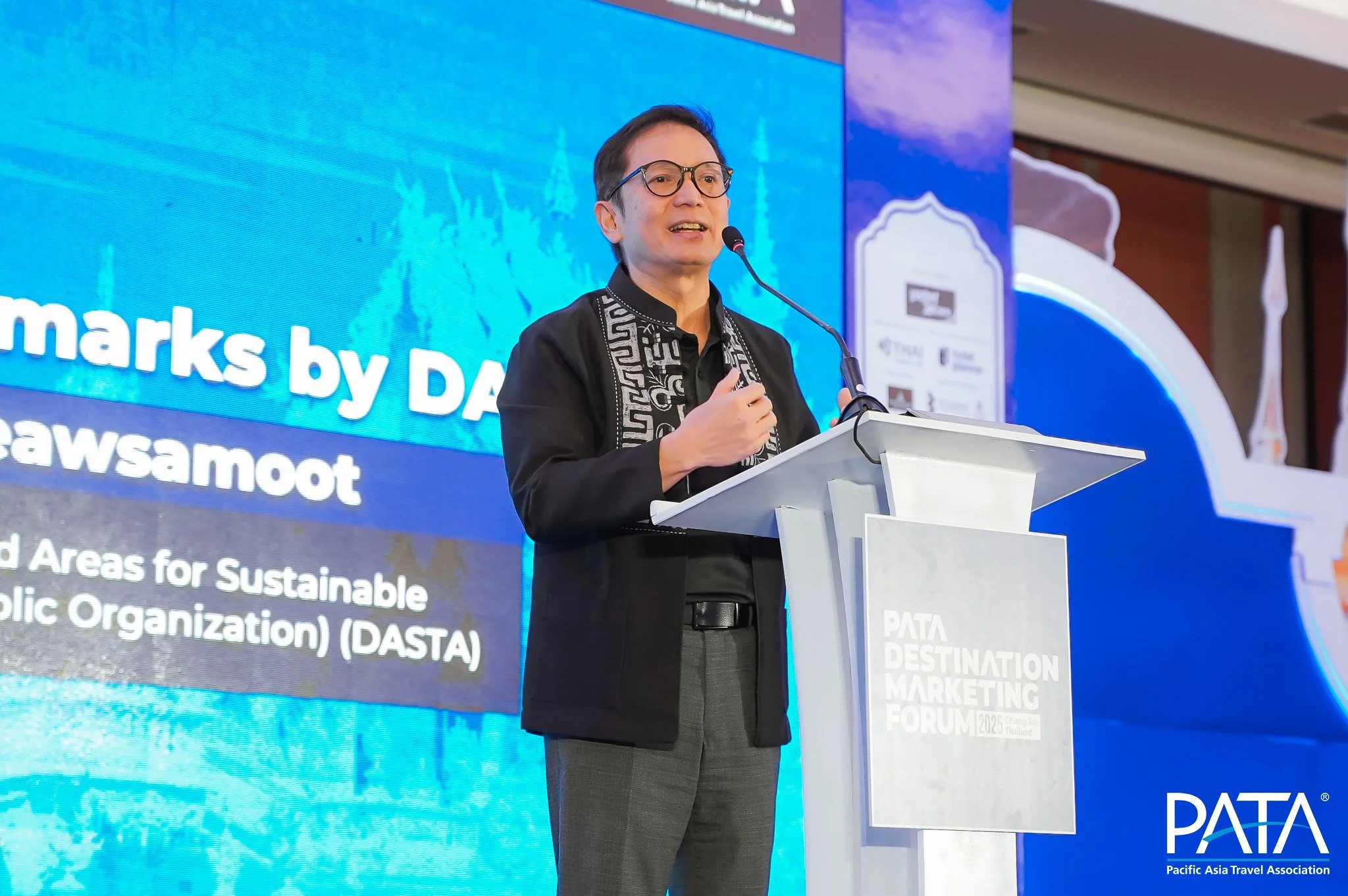
Mr Siripakorn Cheawsamoot, Director-General, DASTA
Welcome Remarks by DASTA
DASTA’s “3C” strategic moves—Community Benefits, Conduct Infrastructure Plan, and Comply with International Standards—were outlined as the foundation for cross-sector collaboration. This approach was aimed at elevating local tourism to international standards, expanding market access, and improving employment and income distribution.
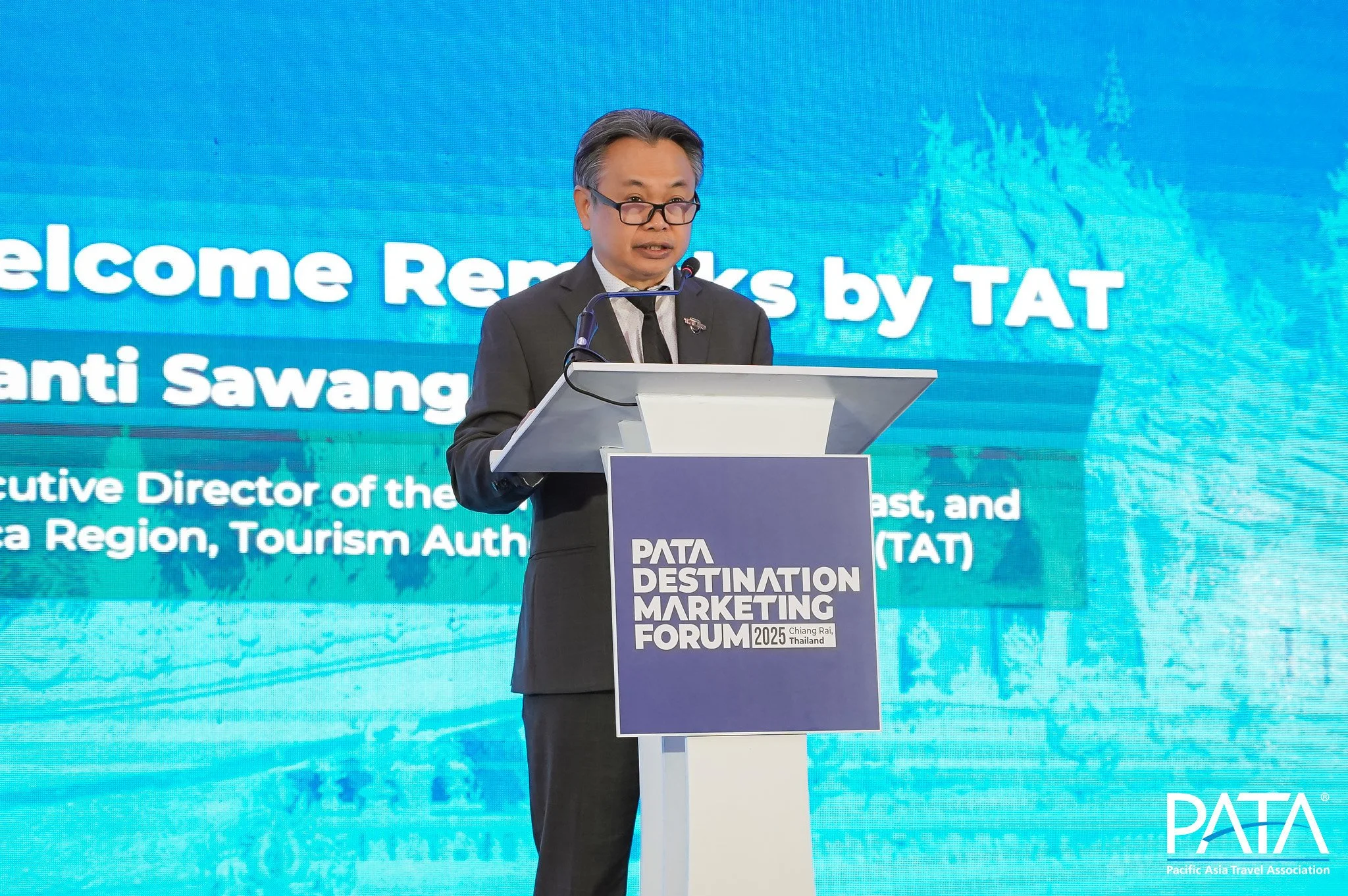
Mr Santi Sawangcharoen, Executive Director of the Americas, Middle East, and Africa Region, TAT
Welcome Remarks by TAT
TAT is committed to developing a tourism ecosystem that prioritises quality and long-term sustainability. Thailand is embracing its strength as a destination where healing is the new luxury, offering travellers—who nowadays seek wisdom in local traditions and find comfort in nature and experience a sense of belonging through community—opportunities to rejuvenate through its rich culture, stunning natural landscapes, and Thai hospitality.
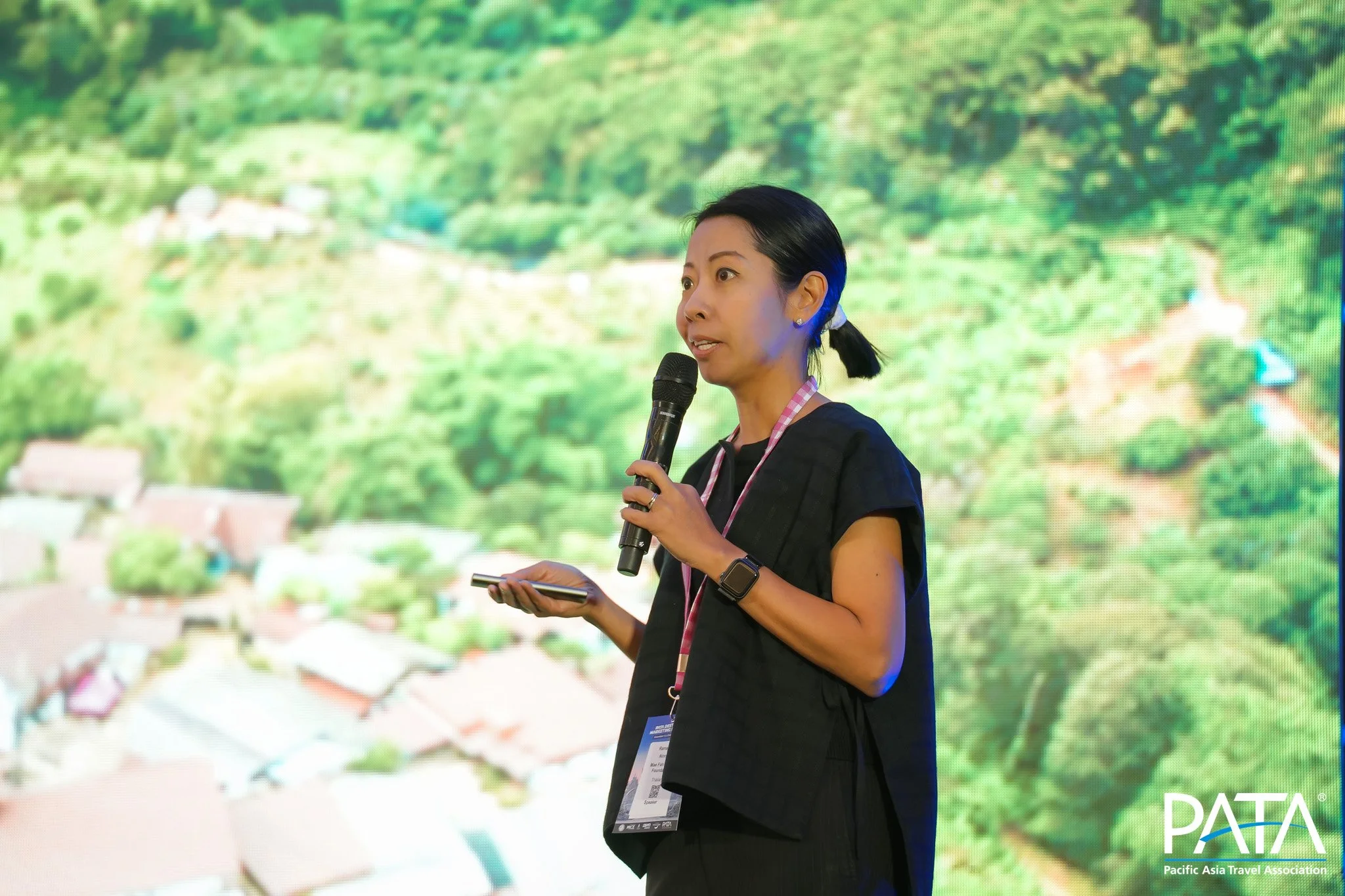
Ramrada Ninnad, Chief Sustainability Officer, Mae Fah Luang Foundation
Traditions Replanted: The Transformation of A Destination
The Mae Fah Luang Foundation transformed Doi Tung—once defined by opium, poverty, and environmental decline—by introducing high-value crops like macadamia and coffee and developing sustainable tourism. Community enterprises now support education, drive a 30-fold income increase, and have restored 90% forest cover, generating 400,000 tons of carbon credits and revitalising biodiversity.
The foundation also promotes culture through festivals and has built global partnerships with the United Nations and the Rockefeller Foundation to share its model worldwide.
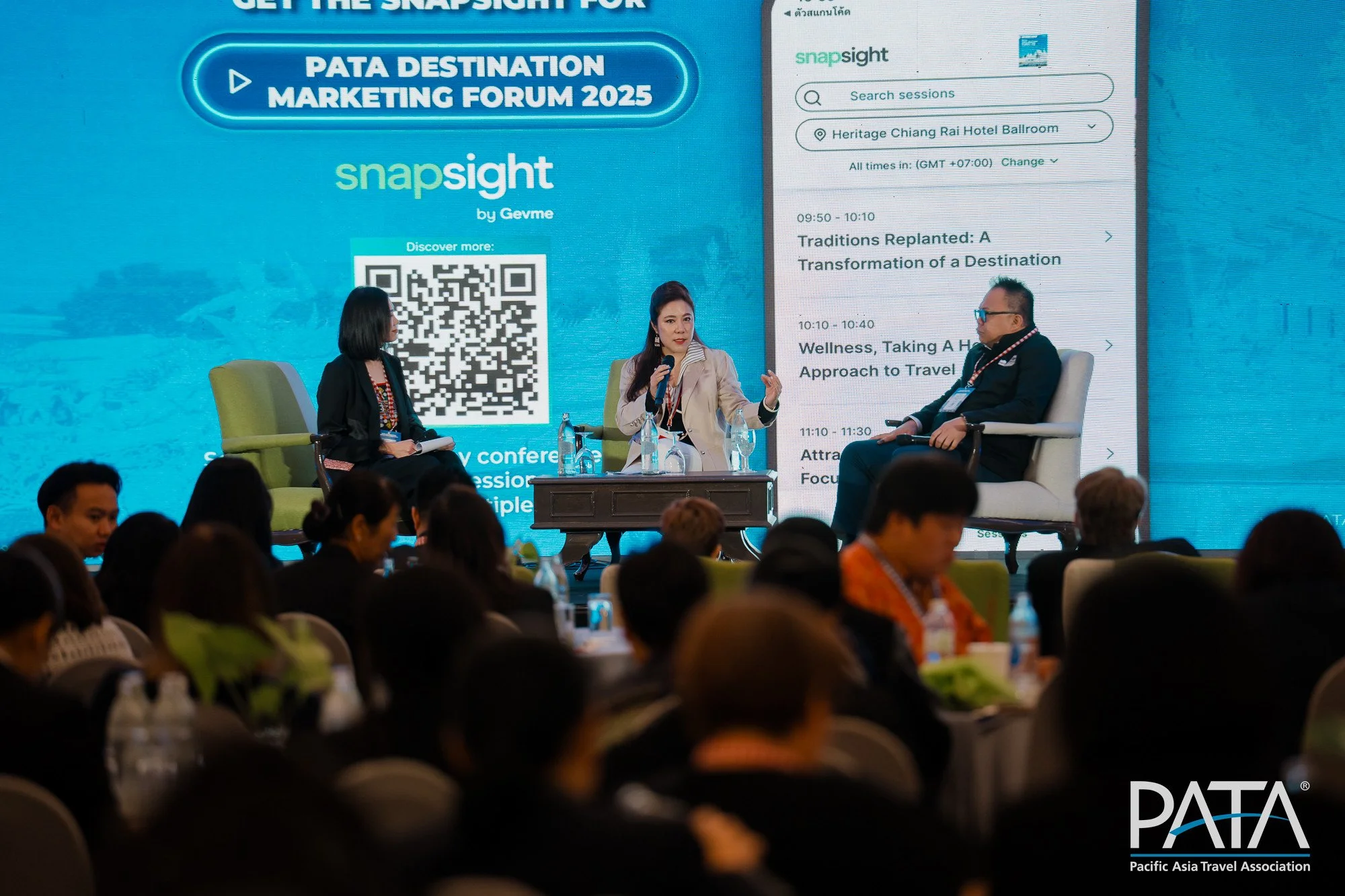
L/R: Atipan Phonpisit (Sueling), Owner, Eat Play Look Studio; Pasratada Vachratadaarpapak, Vice President, Grow Longevity Ecovillage; and Julinus Jeffery Jimit, CEO, Sabah Tourism Board
Wellness, Taking A Holistic Approach to Travel
The wellness tourism sector is projected to hit $1 trillion by 2025, growing at twice the rate of overall tourism. To stay competitive, tourism businesses should pinpoint customer pain points, specialise rather than be overly broad, and use measurable assessments—such as sleep tracking or health screenings—to verify impact.
Regenerative experiences, not just restorative ones, and credible third-party validation are becoming essential. Destinations can integrate wellness into existing products and encourage stakeholders to adopt a unified wellness language to ensure a cohesive experience throughout their stay.
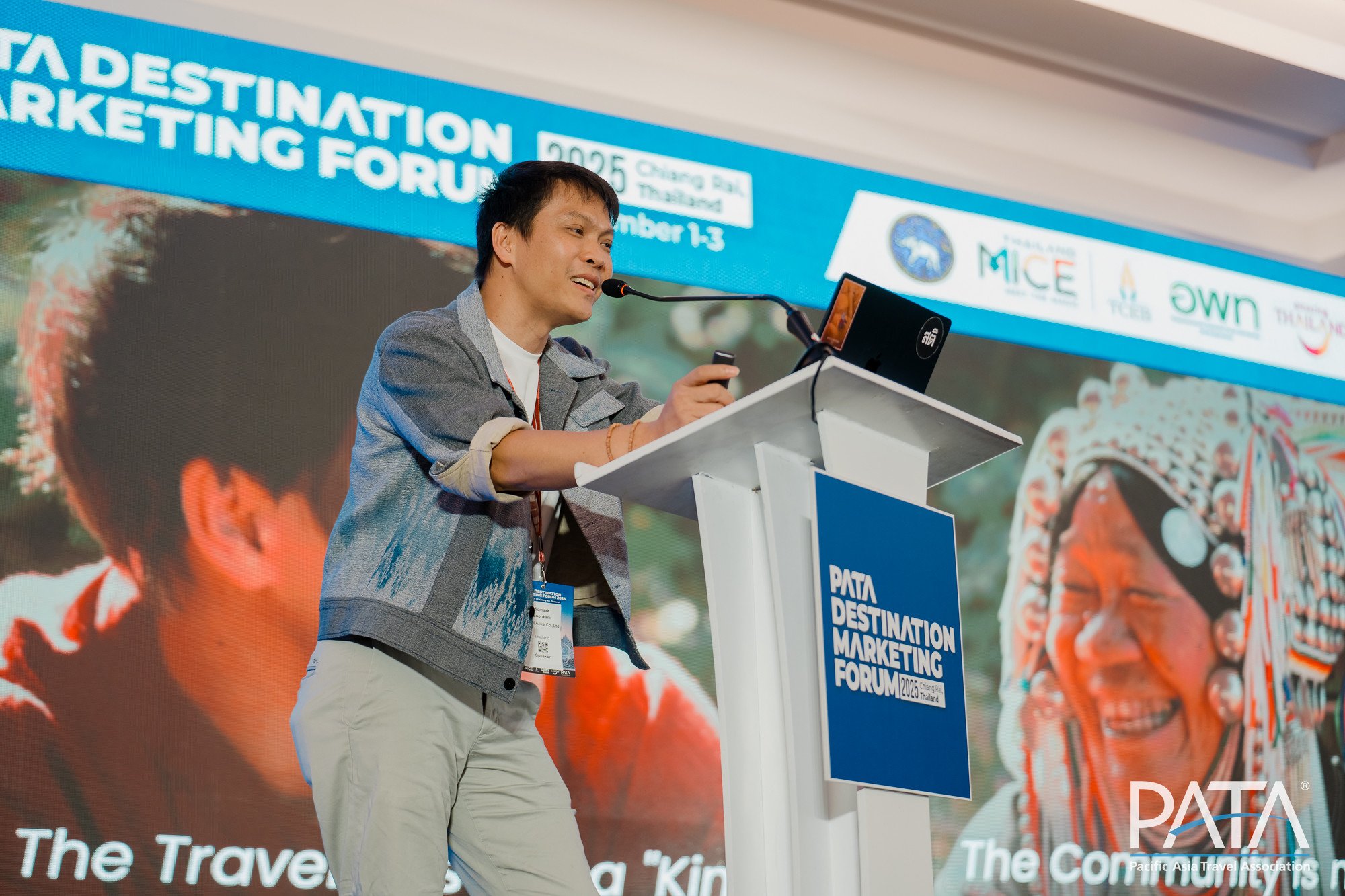
Somsak Boonkam, CEO, Local Alike
Attracting the International by Focusing on the Hyper-local
International travellers increasingly seek authenticity and connection, engaging with local communities as “learners” rather than passive visitors. To avoid hyper-local experiences becoming staged, stakeholders can: (1) identify community identity, (2) co-design experiences, (3) manage visitor numbers, and (4) share genuine stories. Social enterprises further strengthen sustainability by promoting transparent models that empower communities, protect artisans’ legacies, and inspire younger generations to value their heritage.
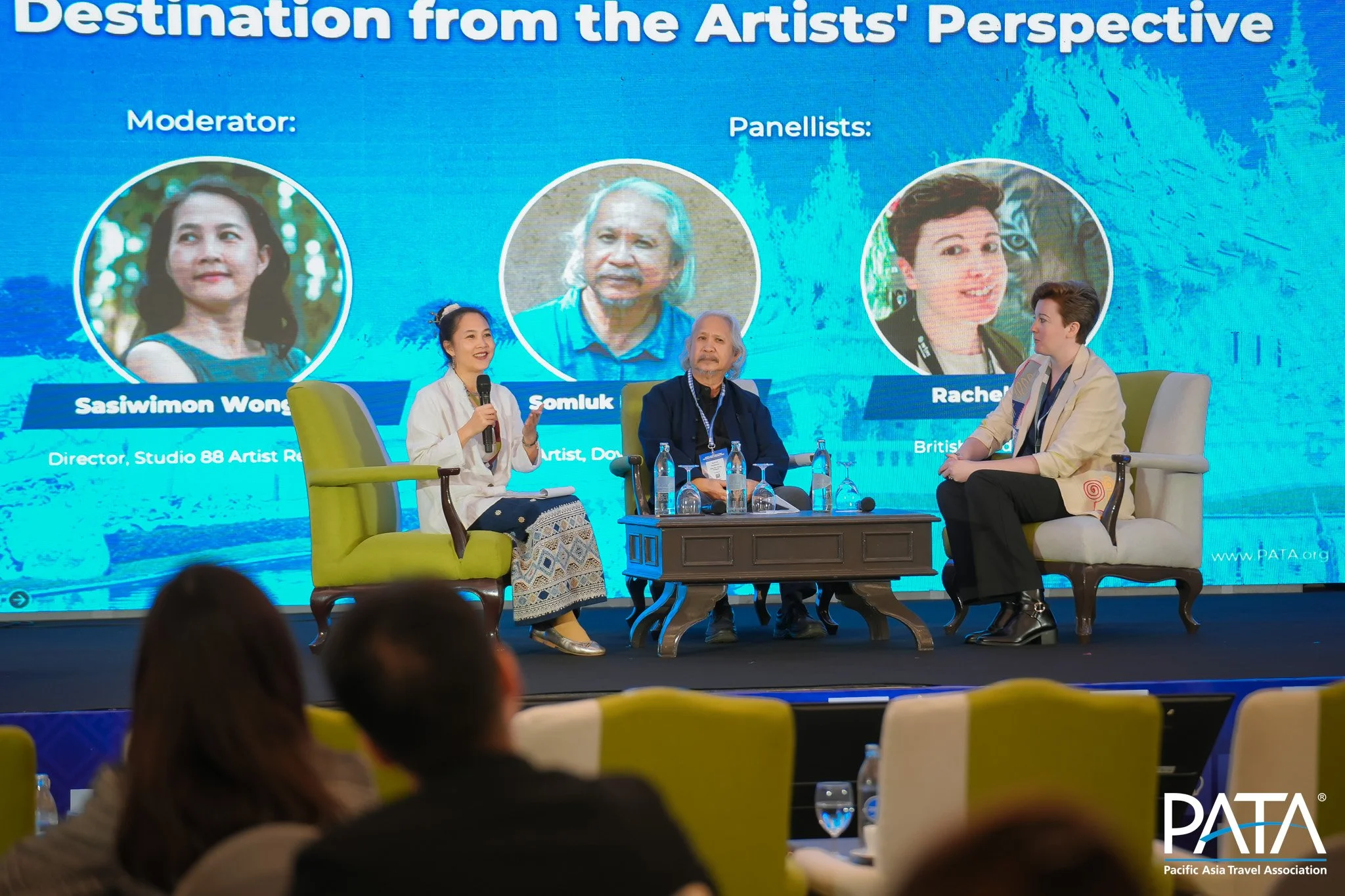
L/R: Sasiwimon Wongjarin, Director, Studio 88 Artist Residency; Somluk Pantiboon, Pottery Artist, Doy Din Dang Pottery; and Rachel Gray, British Wildlife Artist
A Destination from the Artists' Perspective
Art amplifies destination identity and deepens traveller connection, serving as a powerful driver of destination promotion and sustainable tourism. Dramatic artistic installations, especially large-scale pieces, can become powerful tourism magnets that draw crowds and generate word-of-mouth promotion.
When integrated with other sectors of the Colour Economy, art can further enhance tourism. For example, when combined with long-term environmental efforts such as reforestation, creative spaces has the potential to facilitate spiritual activities like forest bathing, aligning with rising wellness tourism demand.
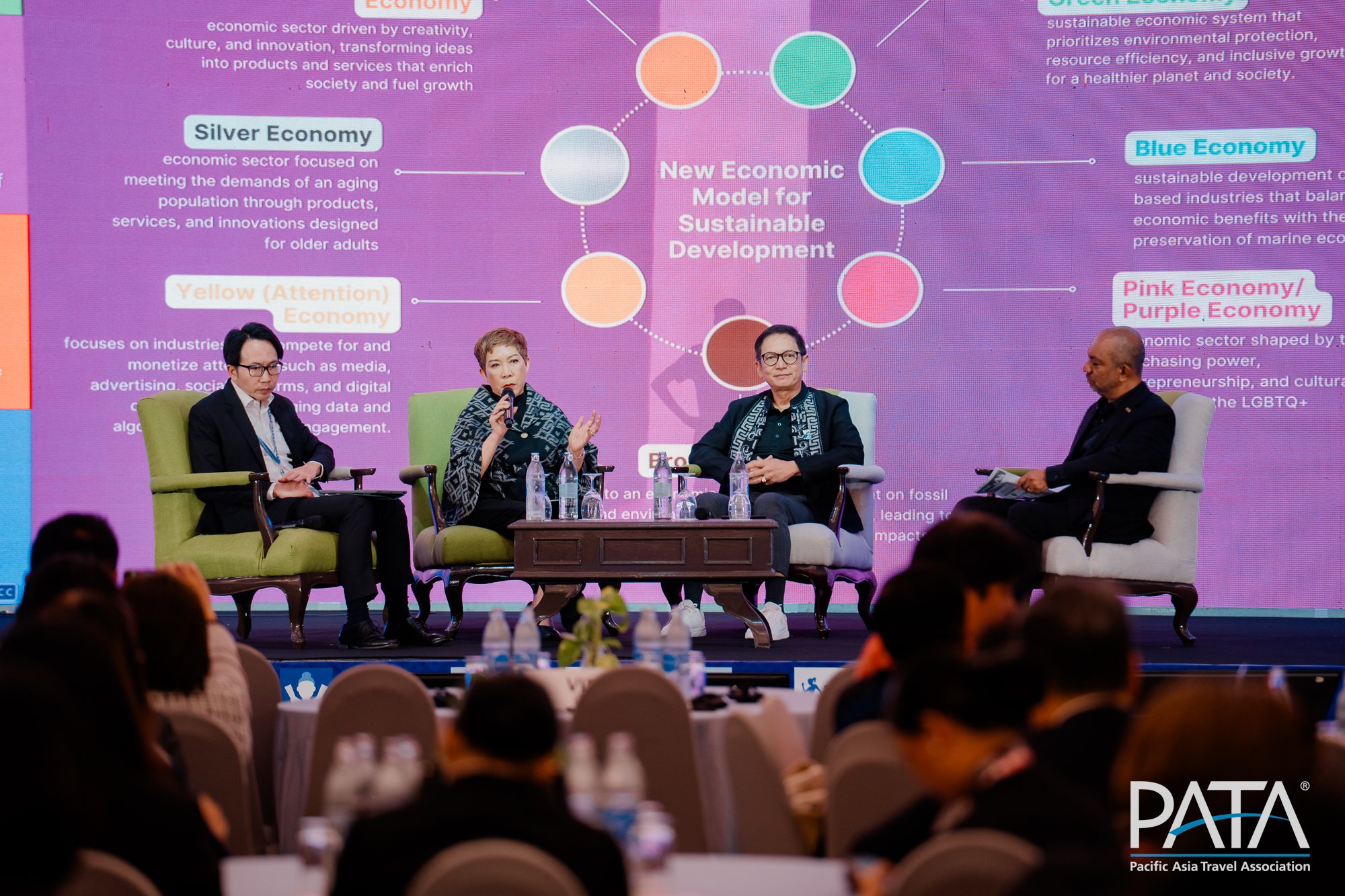
L/R: Associate Professor Dr. Peeradorn Kaewlai, Project Advisor on UCCN Co-Creative City Model, TCEB; Dr. Supawan Teerarat, President, TCEB; Siripakorn Cheawsamoot, Director-General, DASTA; and Noor Ahmad Hamid, CEO, PATA
From Creative Economy to Future MICE Setting
Sustainable MICE destination management depends on strong collaboration between municipal offices, provincial authorities, and the private sector. Destinations must balance community well-being with visitor expectations while maintaining clear standards that meet global requirements and ensure traveller safety.
The co-creative city model supports this by helping cities assess their readiness for UCCN membership, incorporating MICE events and festivals into strategic planning. As Generation Z becomes a major force in business travel decisions—74% prioritising experiences over possessions and 63% seeking culturally unique destinations—authenticity and cultural relevance are increasingly essential in shaping future MICE strategies.
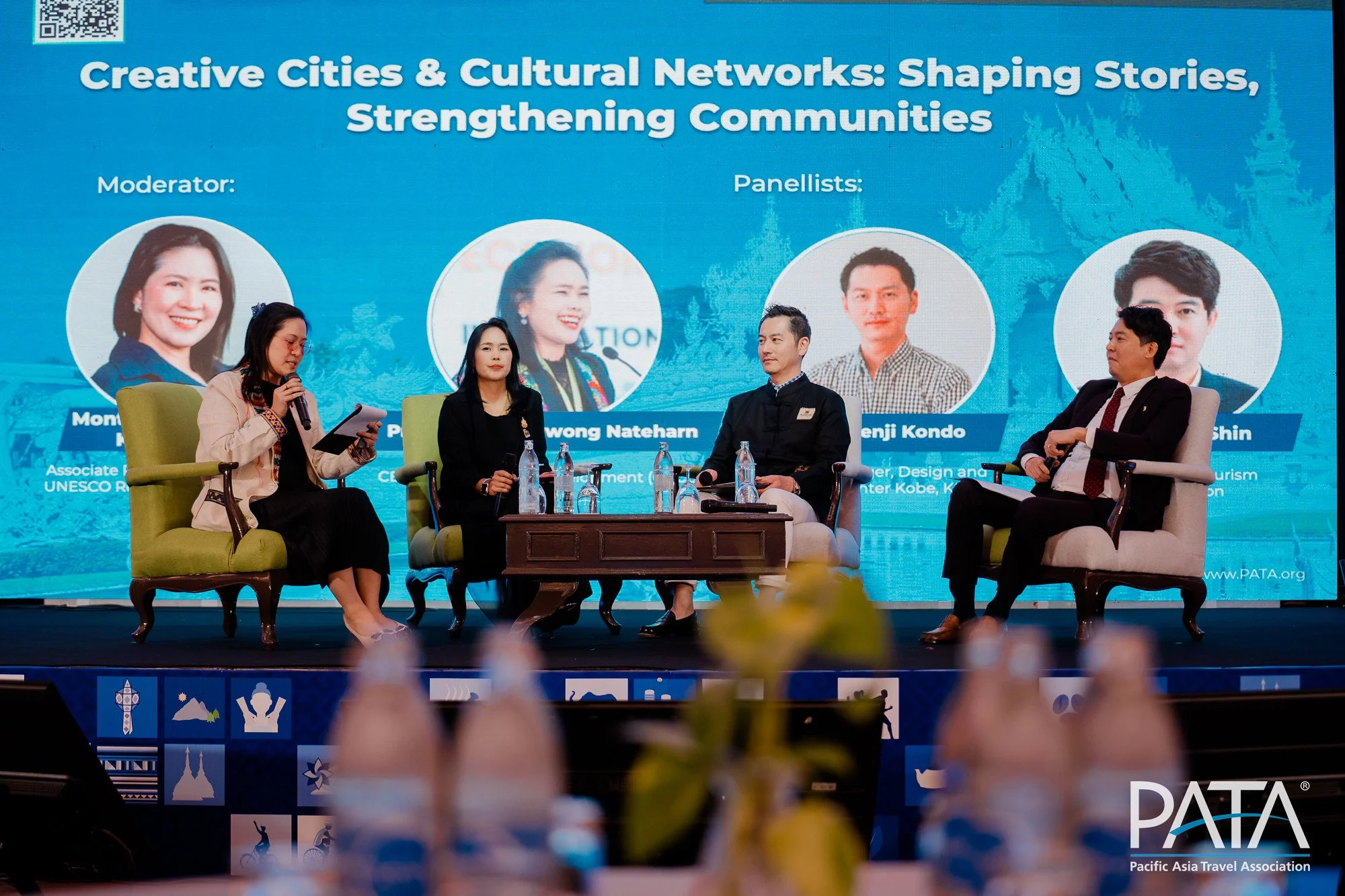
L/R: Montakarn Suvanatap Kittipaisalsilp, Associate Project Officer for Culture, UNESCO Regional Office in Bangkok; Promporn Jindawong Nateharn, CEO, Chiang Rai City Development (CRCD) Co.,Ltd.; Kenji Kondo, Senior Manager, Design and Creative Center Kobe, KIITO; and Hyun-chul Shin, Director, Jeju Tourism Organization.
Creative Cities & Cultural Networks: Shaping Stories, Strengthening Communities
Successful international partnerships between creative cities rely on shared purpose, knowledge-sharing, continuous engagement, and strong community involvement.
Kobe integrates creativity into urban planning—from earthquake-inspired universal safety signage to senior-empowerment projects—and leverages its identity as a cultural melting pot.
Chiang Rai has developed disaster-resilience toolkits and created 30+ creative districts, which have seen a 66% increase in tourism.
Jeju incorporated Haenyeo diving culture into its tourism strategies, shifting from mass tourism to a community-based model that revitalises local resources and centres community participation.

L/R: Dr. Jaruwan Suwannasat, CIO, TCEB; and Napat Tantaviwattana, Content Creator.
Content with Purpose: Transforming MICE Events into UGC Destination Showcases
With information now widely accessible, consumers increasingly turn to content creators for emotionally driven storytelling. Seen as authentic, trusted “friends,” creators have become powerful advocates for destinations. By equipping influencers with a deeper understanding of business events and providing them access, MICE stakeholders can reach audiences in ways traditional marketing cannot.
To ensure creators can share their experiences honestly, destinations must design MICE events with a distinctive identity that goes beyond standard offerings, weaving in unique local experiences and community connections that visitors cannot find elsewhere.
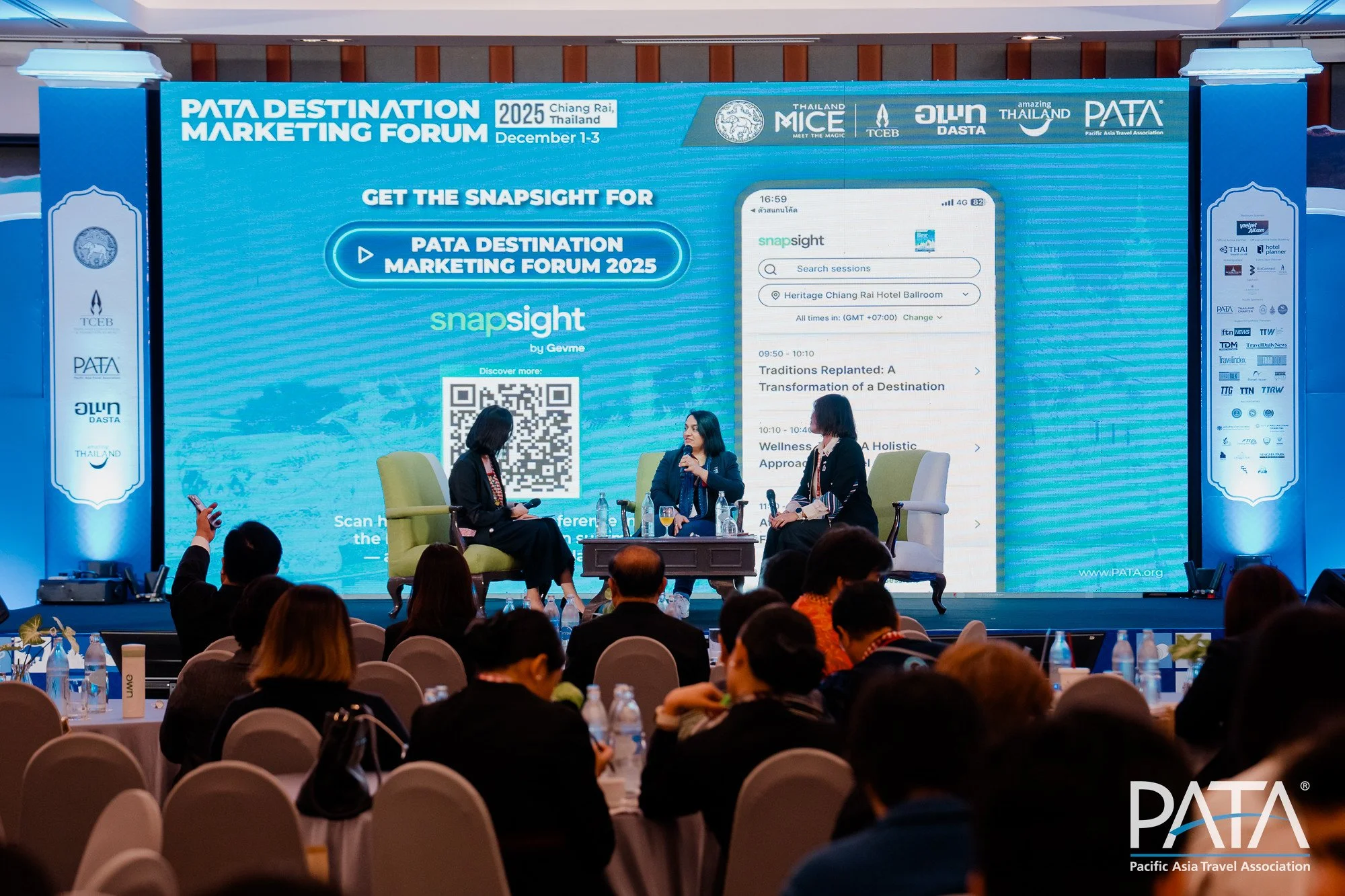
L/R: Atipan Phonpisit (Sueling), Owner, Eat Play Look Studio; Sonal Patel, Vice President - SEA, The Trade Desk; and Narumon Nilmanon, Vice President, Young Entrepreneurs Group (YEC), Chiang Rai Chamber of Commerce.
Tech with A Soul
Successful tech-enabled destination marketing relies on three core pillars: (1) relevance to travellers’ interests, (2) real-time content delivery, and (3) authentic experiences that feel genuine rather than manufactured. Technology, furthermore, should be used to amplify human experience—not replace them—and ethical use of data is necessary to understand traveller behaviour in ways that create emotional, human-centred connections.
As wearable technologies become more affordable, their adoption will open new possibilities for travel experiences. Importantly, small destinations can humanise their marketing without large budgets by leveraging local wisdom, empowering local creators, and using simple tools like QR codes, GPads, and community videos to share authentic stories.
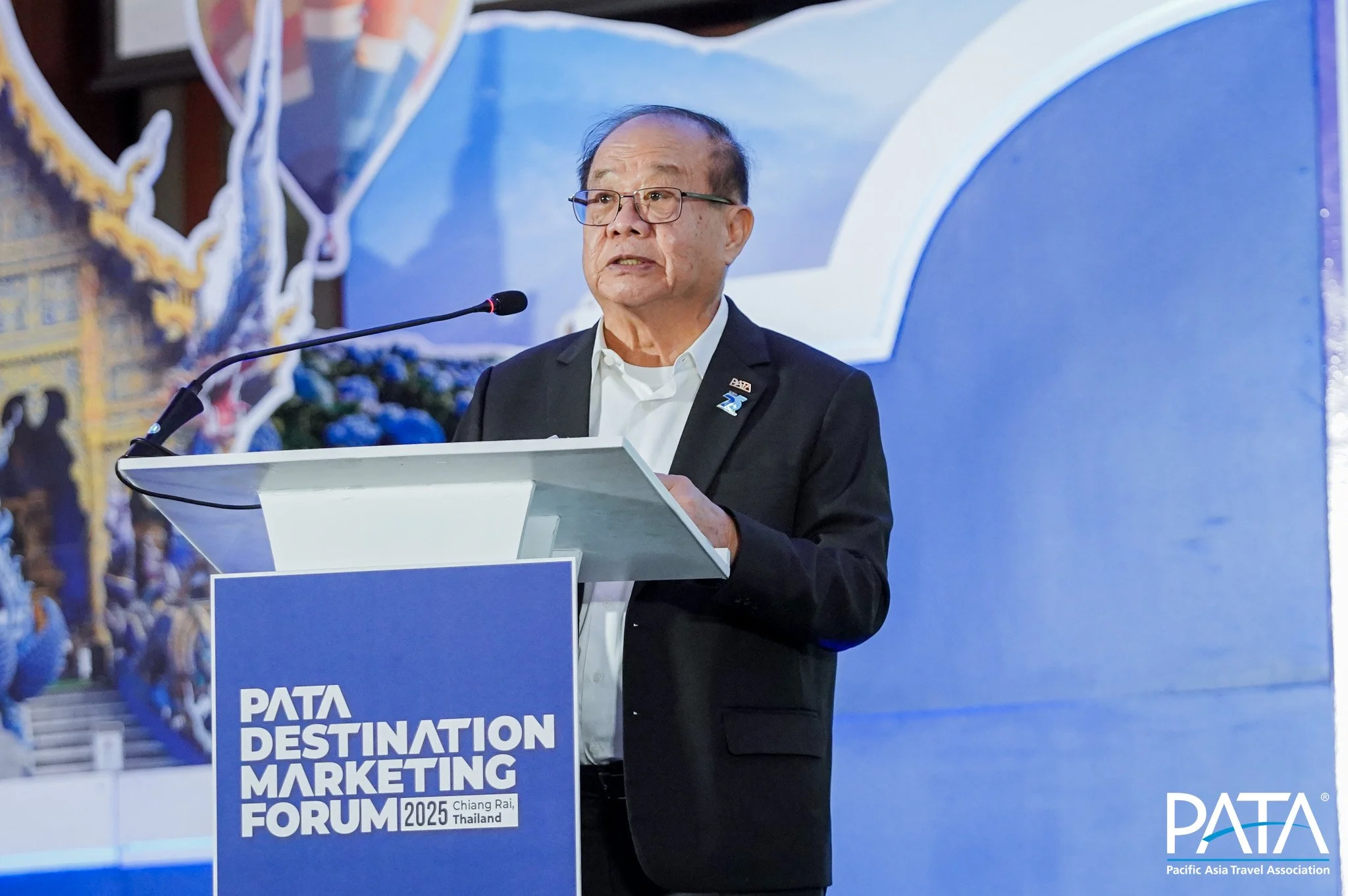
Professor Dr. Vanchai Sirichana, Chairman of Mae Fah Luang University Council and Founding President
Closing Keynote: A New Paradigm for Regenerative Destinations
Regenerative Tourism 2.0 is an emerging paradigm that integrates holistic wellness, purposeful experiences, human connections, affordability, and many more aspects into tourism, making each journey a time of rejuvenation and transformation rather than simply recreation. In regenerative tourism, travellers are active participants, immersing themselves in the destination’s environment and culture.
Public-Private Partnerships, or PPP, serve as a key strategy that can guide effective tourism resource management. On the other hand, local communities hold an important role in ensuring that travellers have access to transformative experiences.
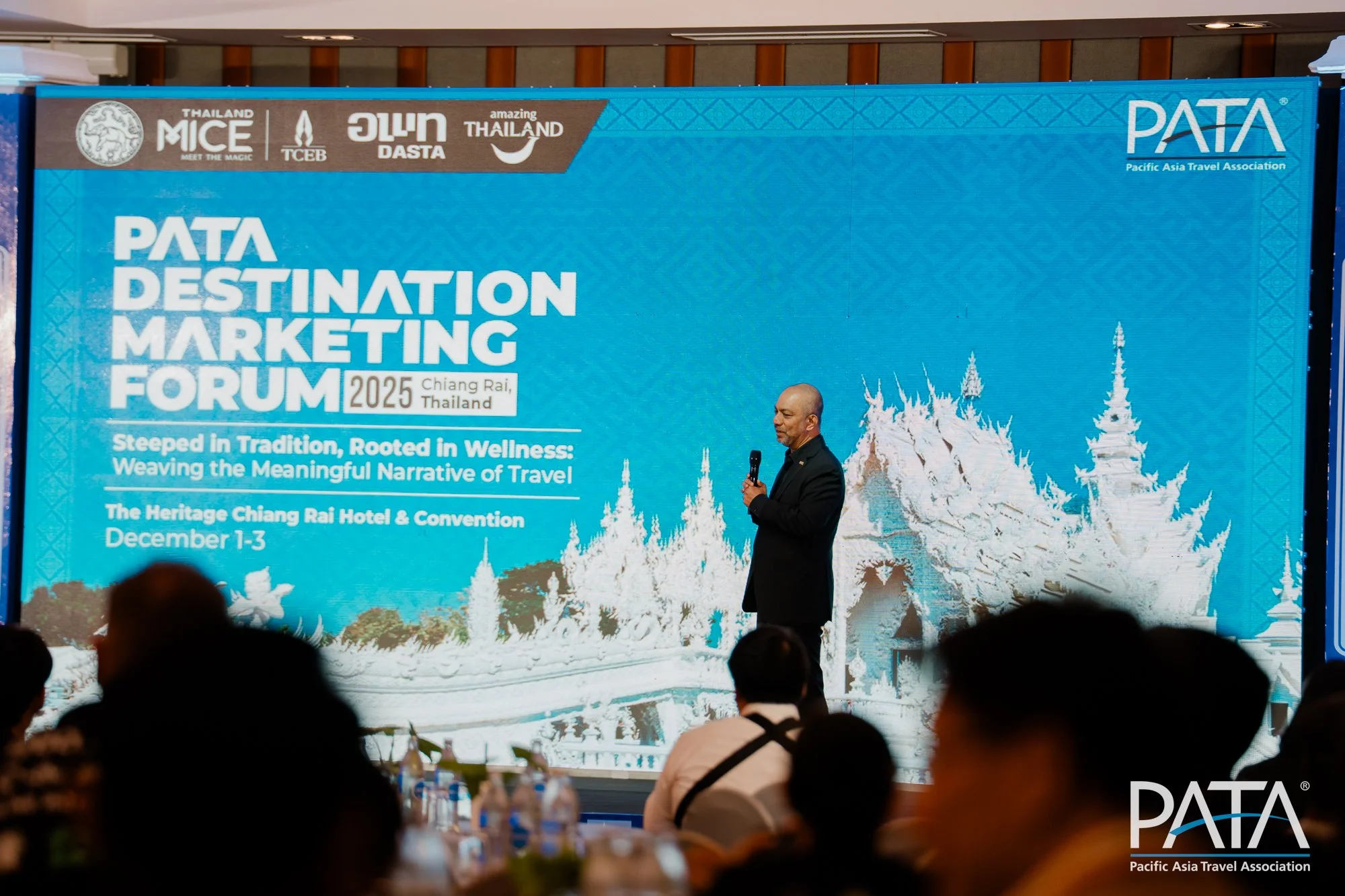
Noor Ahmad Hamid, CEO, PATA
Closing Remarks by PATA
“What can we do—collectively—to create lasting change and build a better world through tourism?“
PDMF 2025 is an example of what collaboration, creativity, and shared purpose can accomplish. This event not only provide the much valued insights that guide and aid the transformation of a destination, but also bestowed upon industry stakeholders the responsibility to lead and ensure that tourism is a force for connection, understanding, and hope for a more innovative, holistic future.
Destination Experience
The technical tours organised by DASTA and partners took delegates on unforgettable adventures to visit award-winning community-based tourism gems ✨
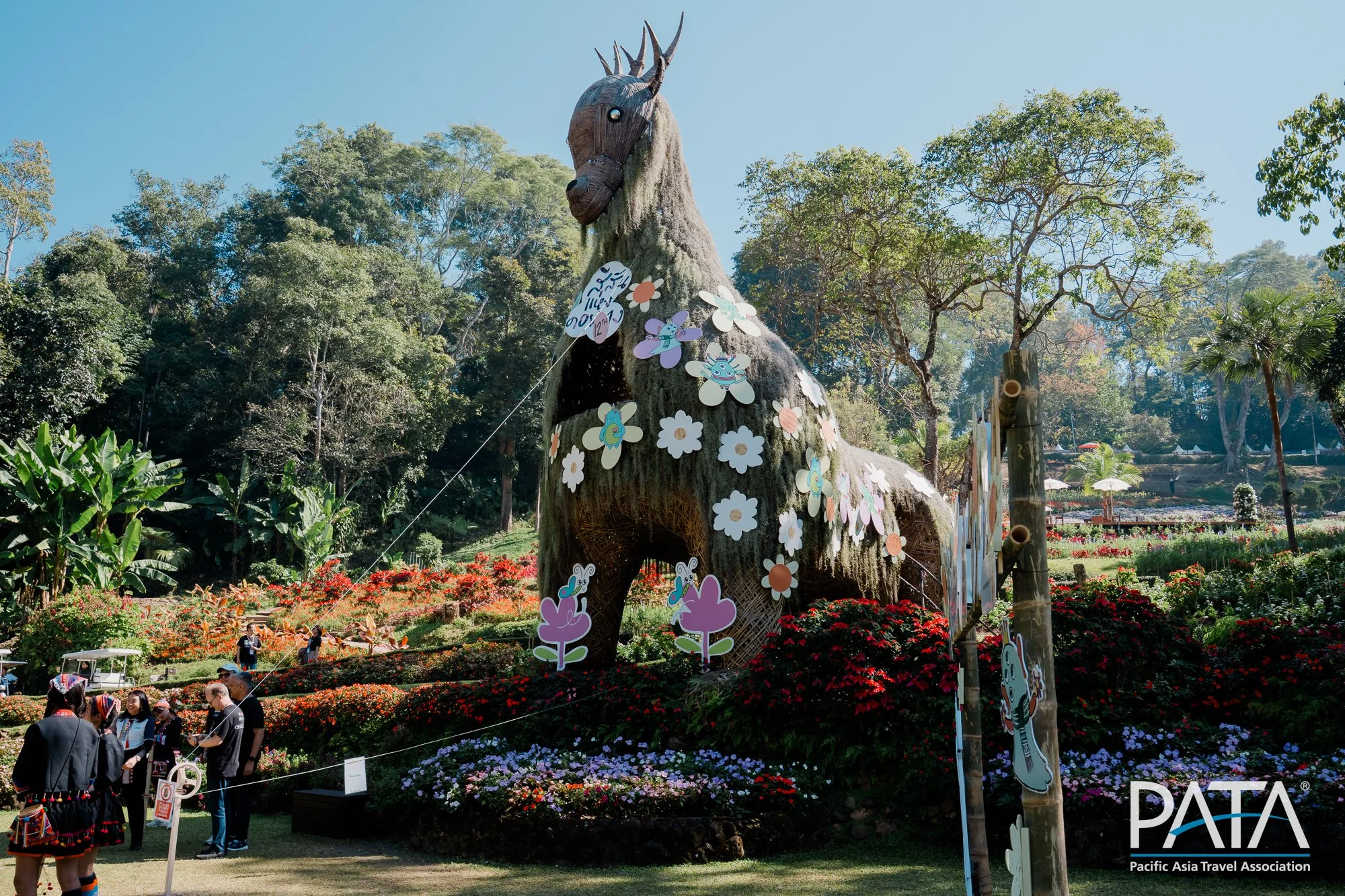
Route 1 - Creative City of Design for Sustainability
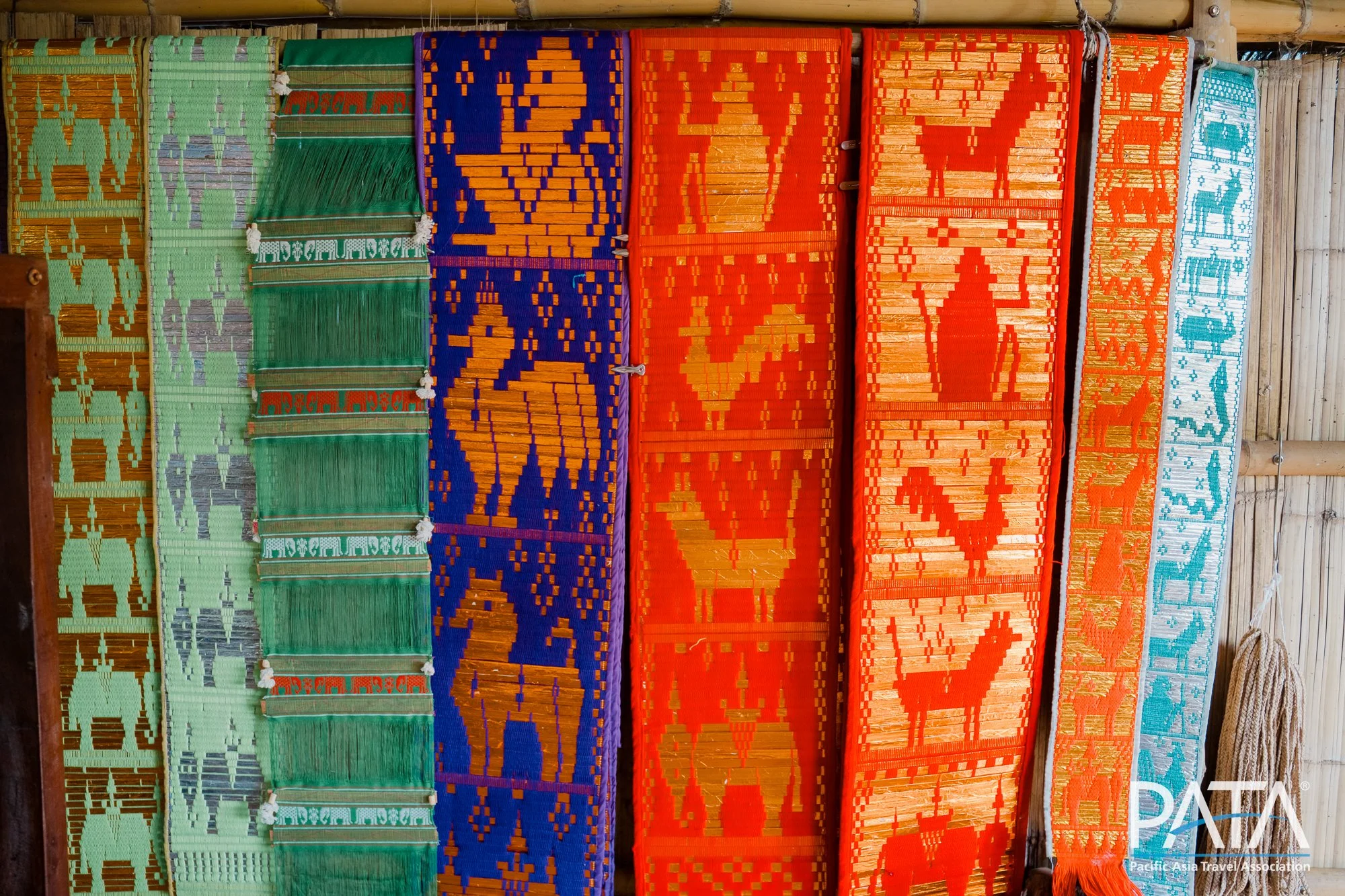
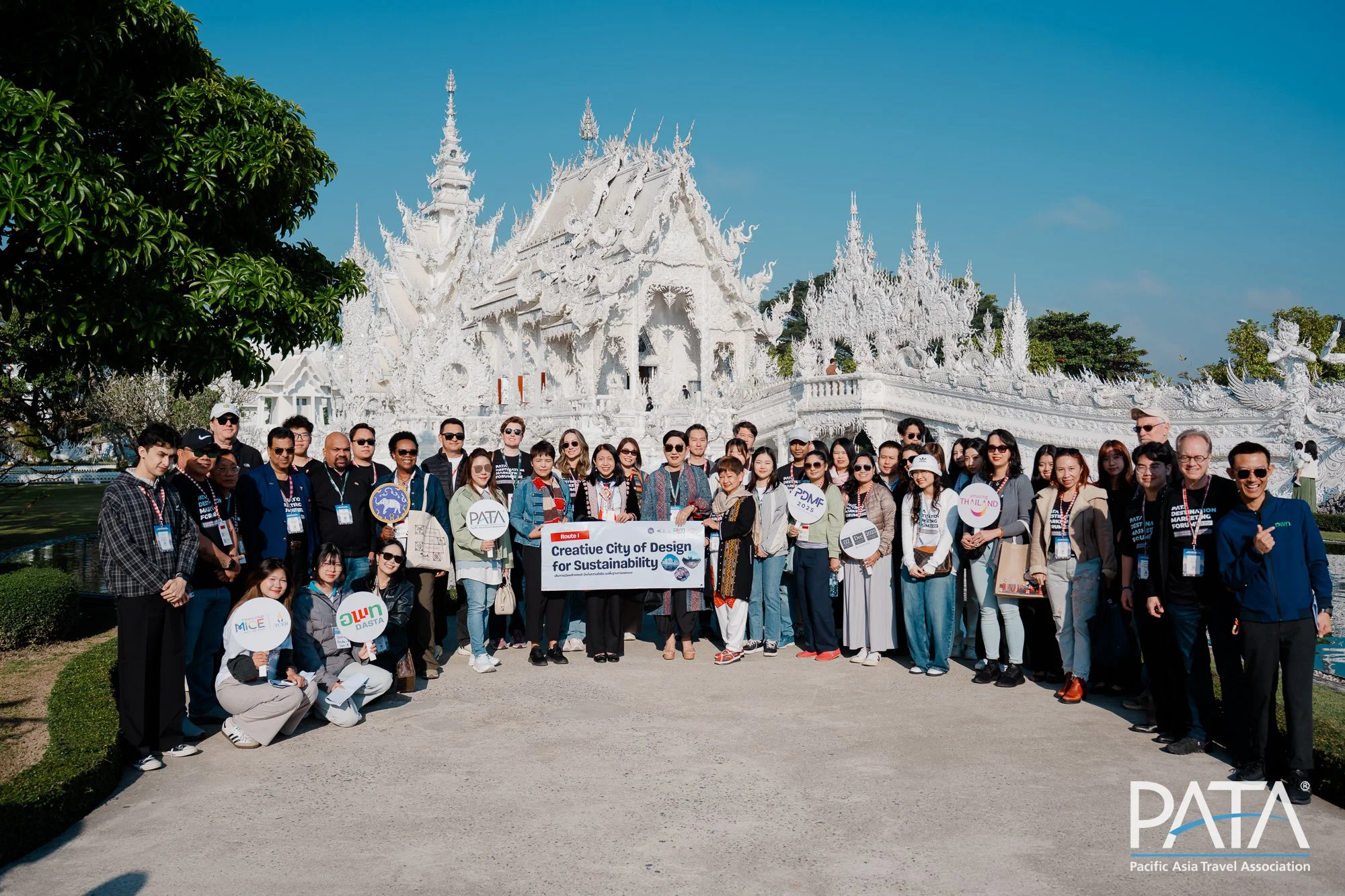
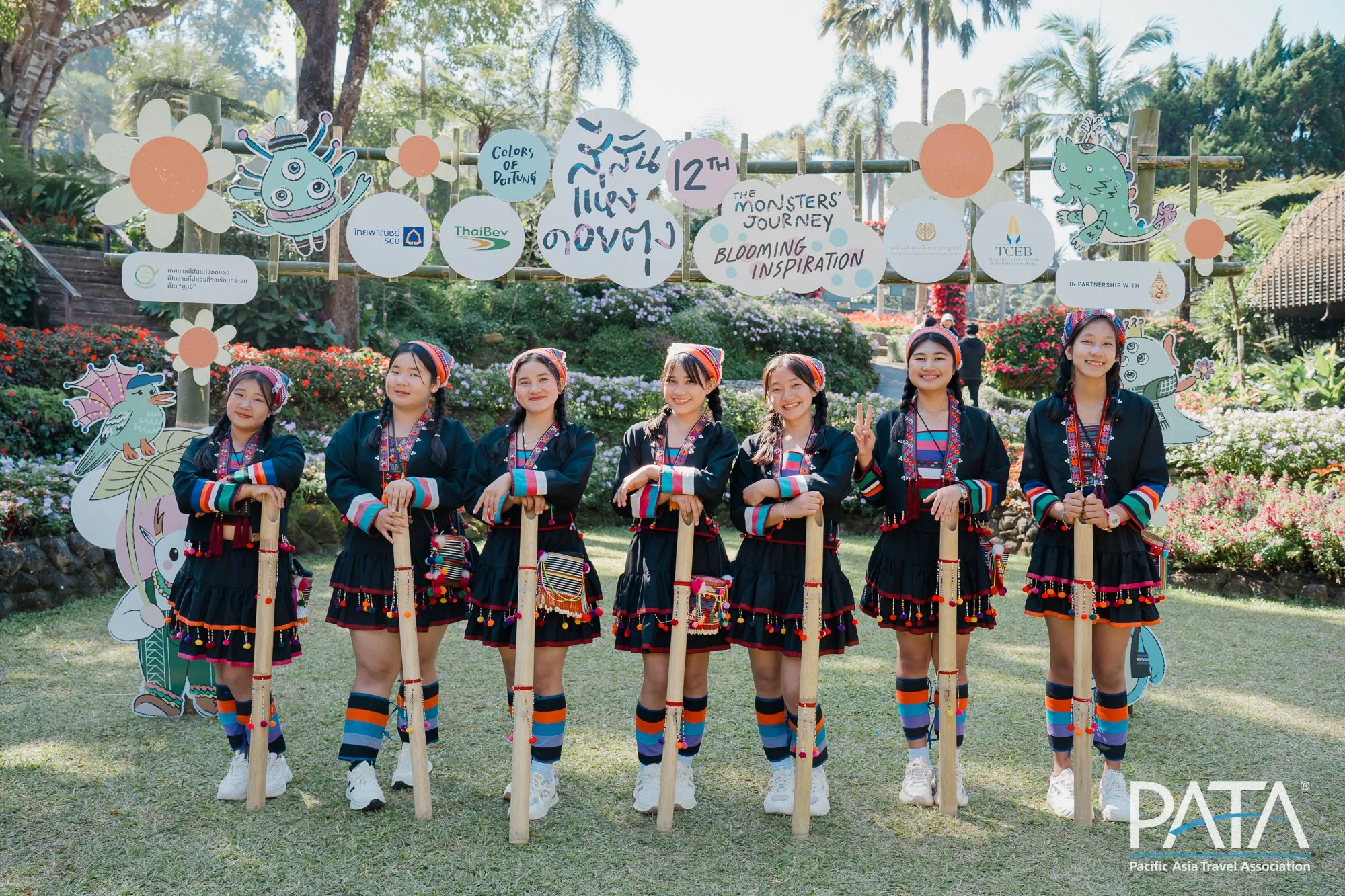
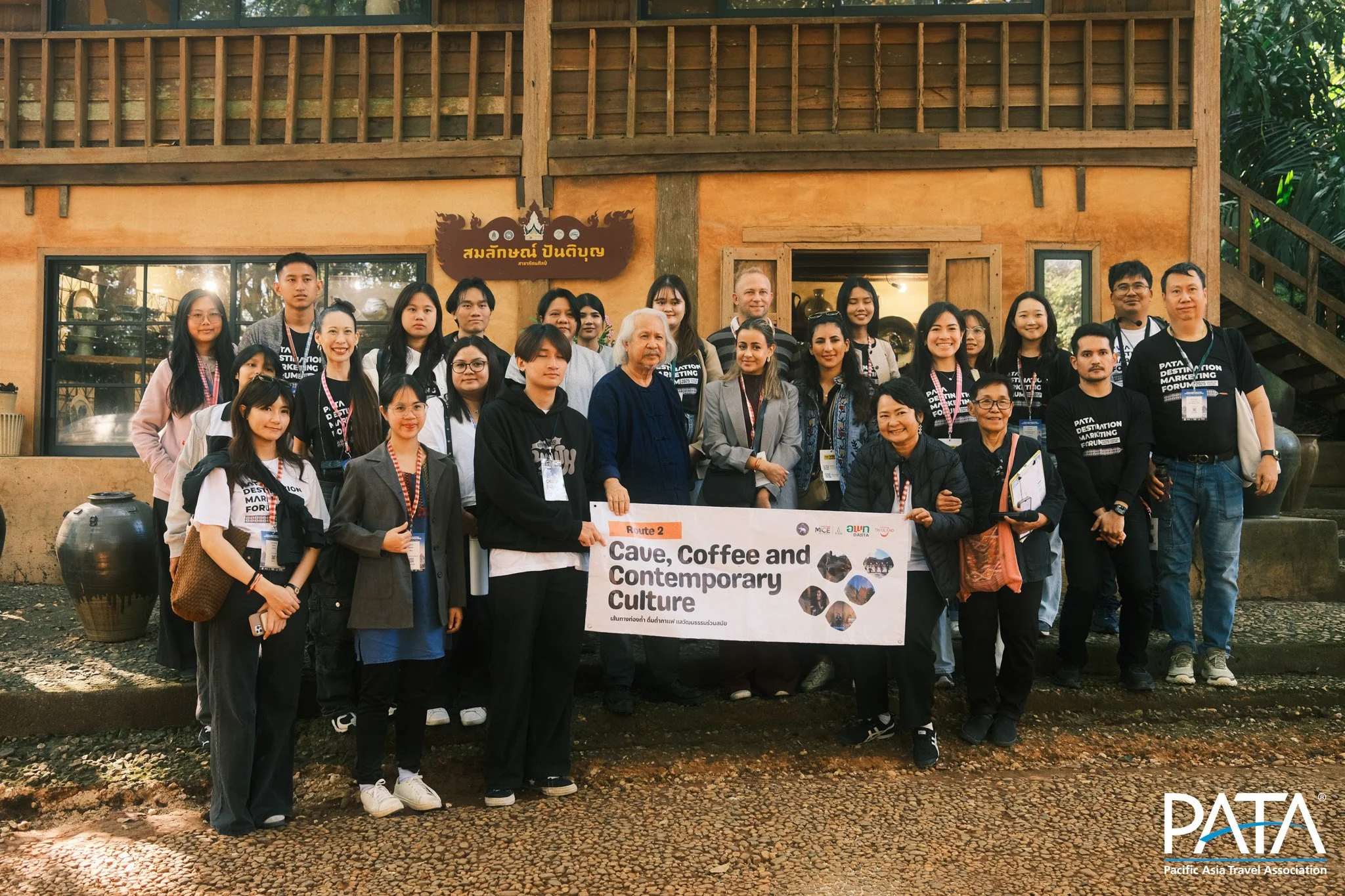
Route 2 - Cave, Coffee and Contemporary Culture
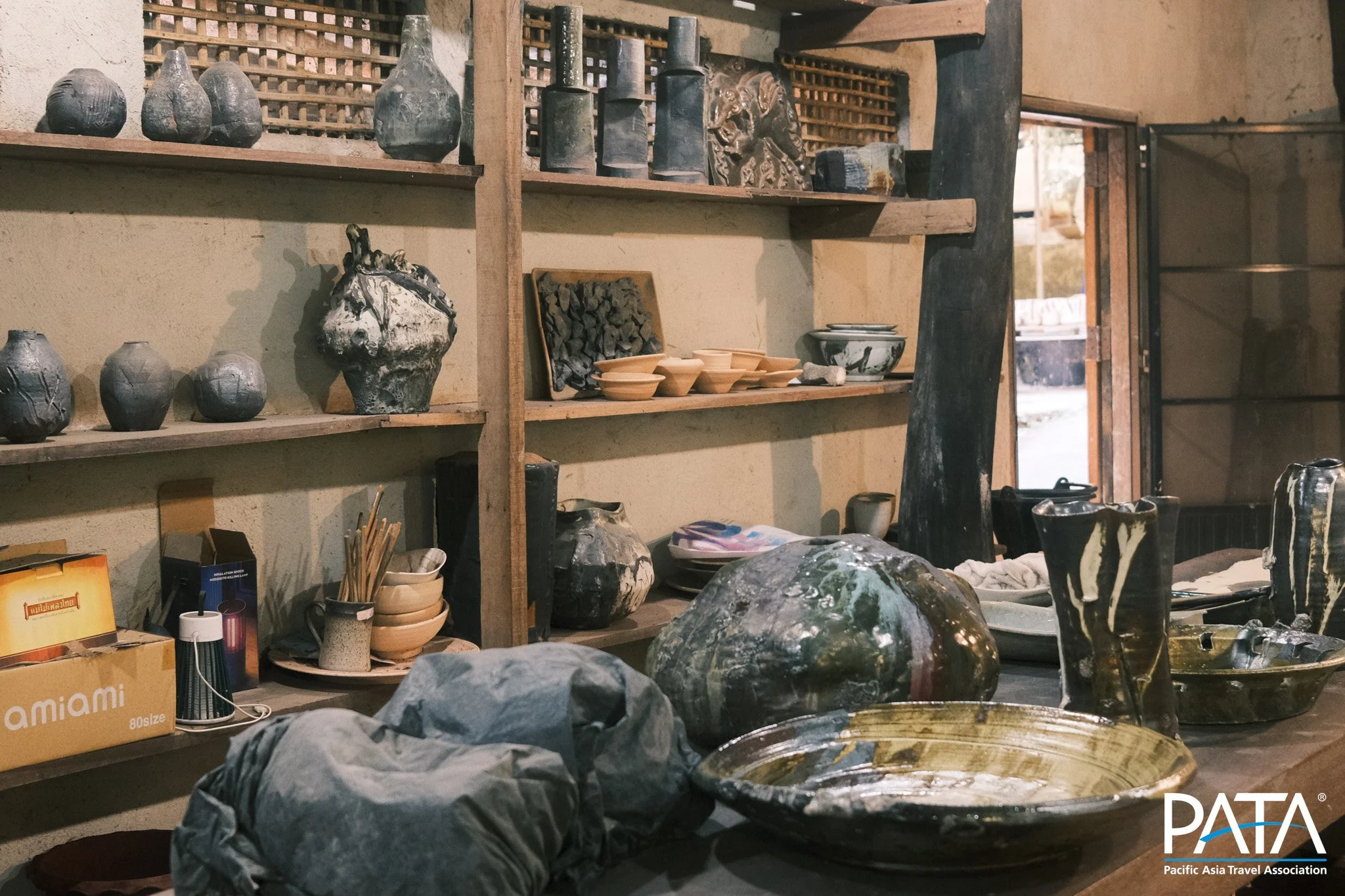
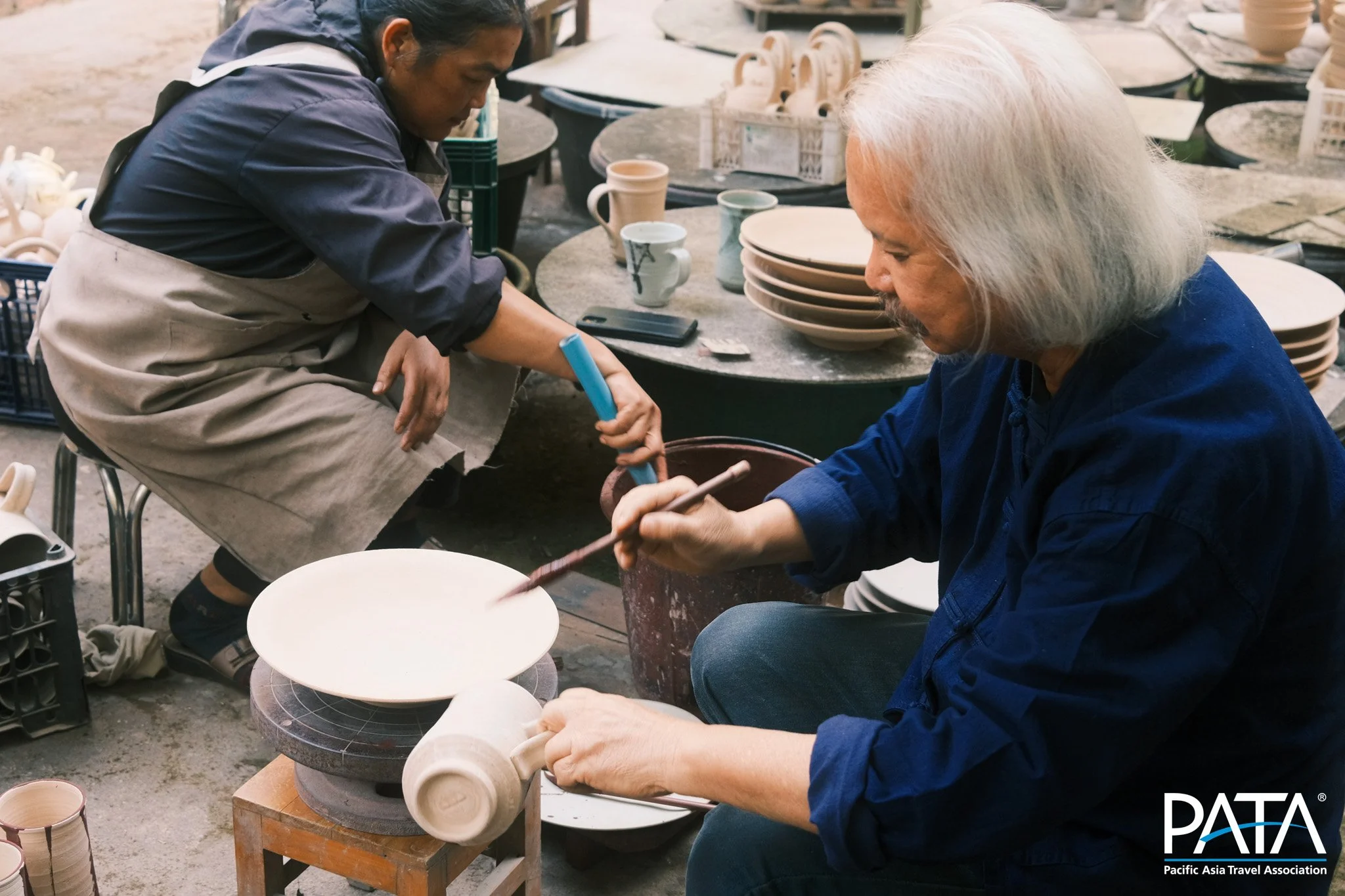
Route 3 - History, Locality and Artisans
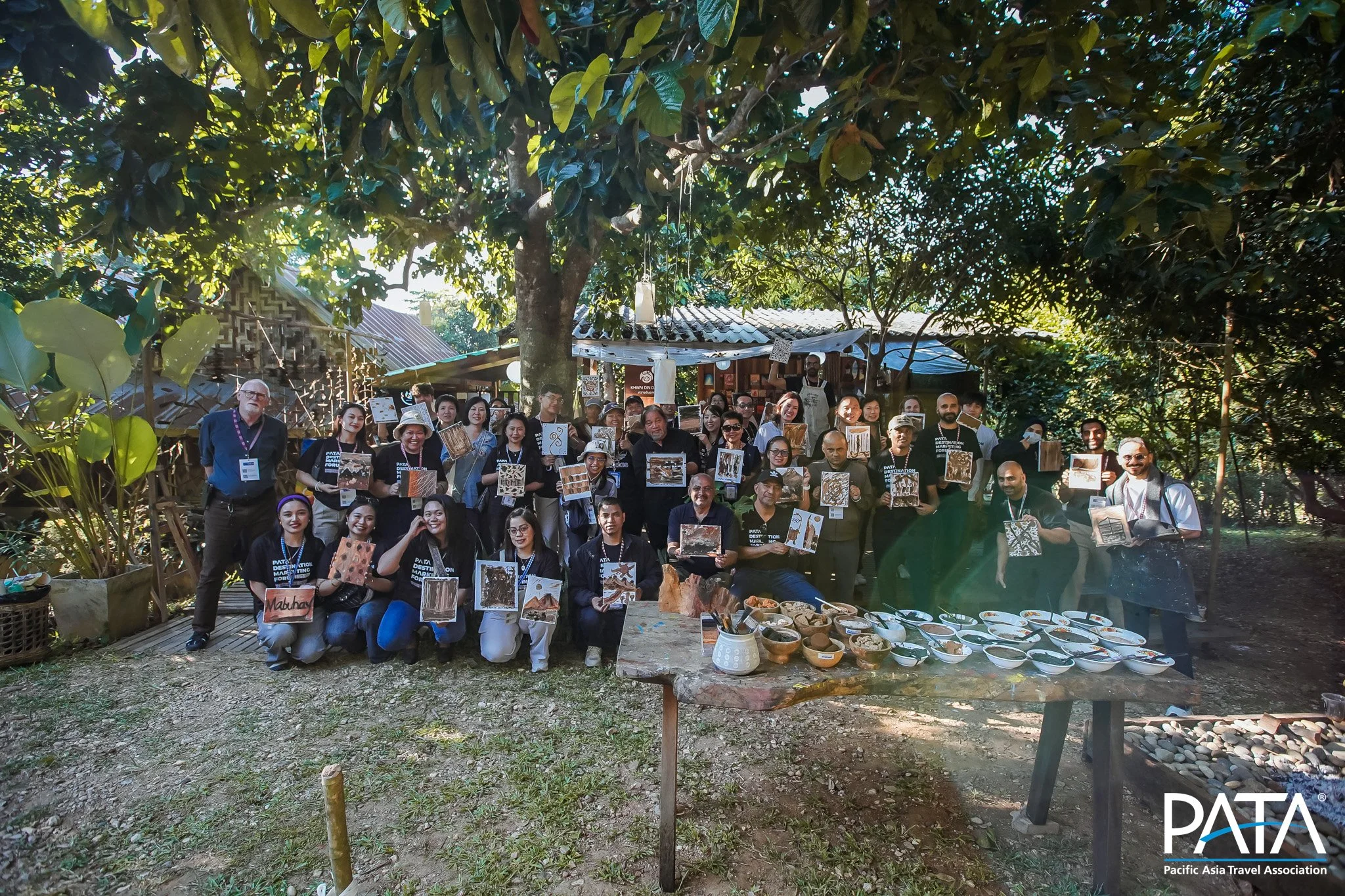
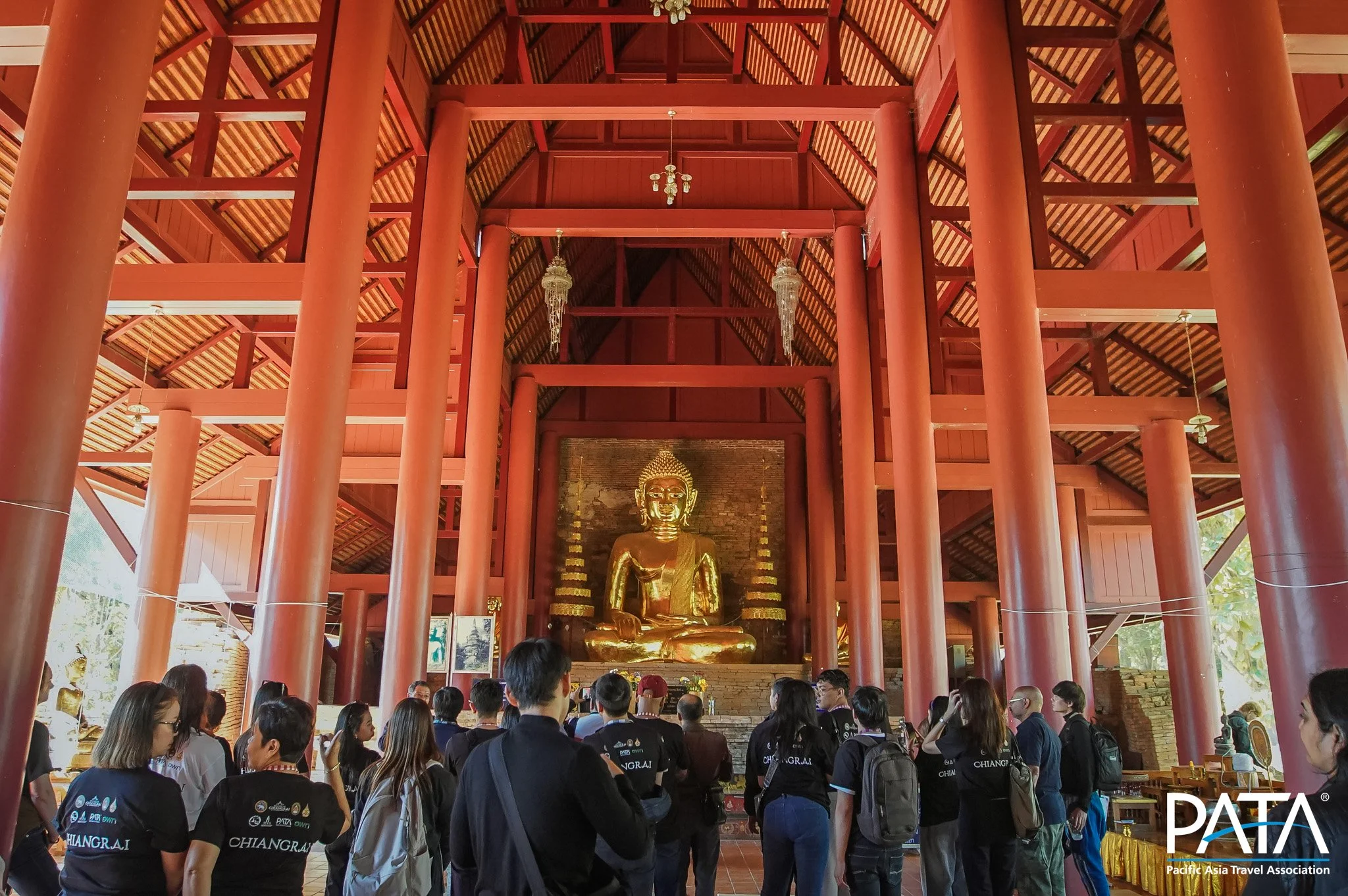
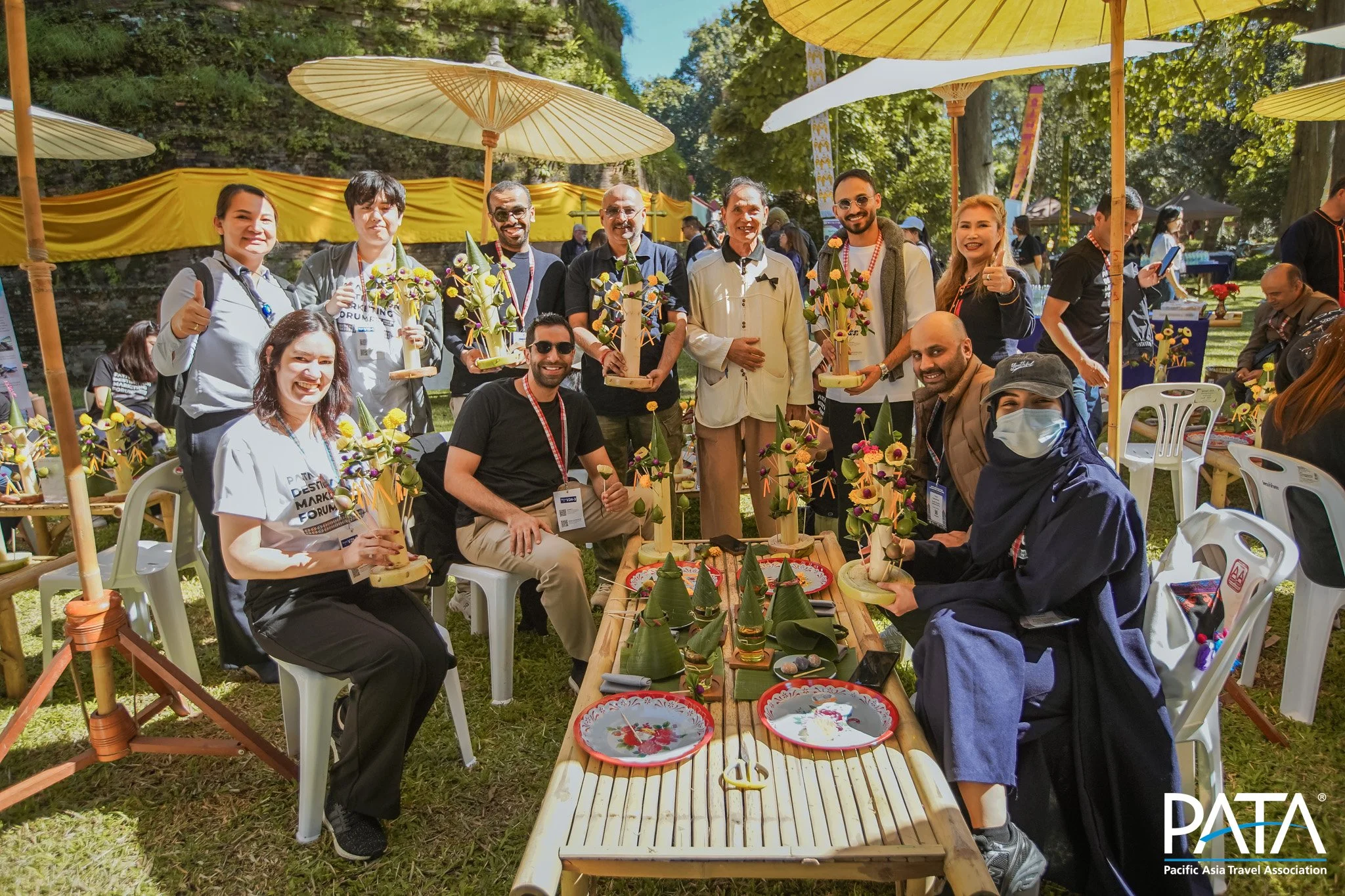
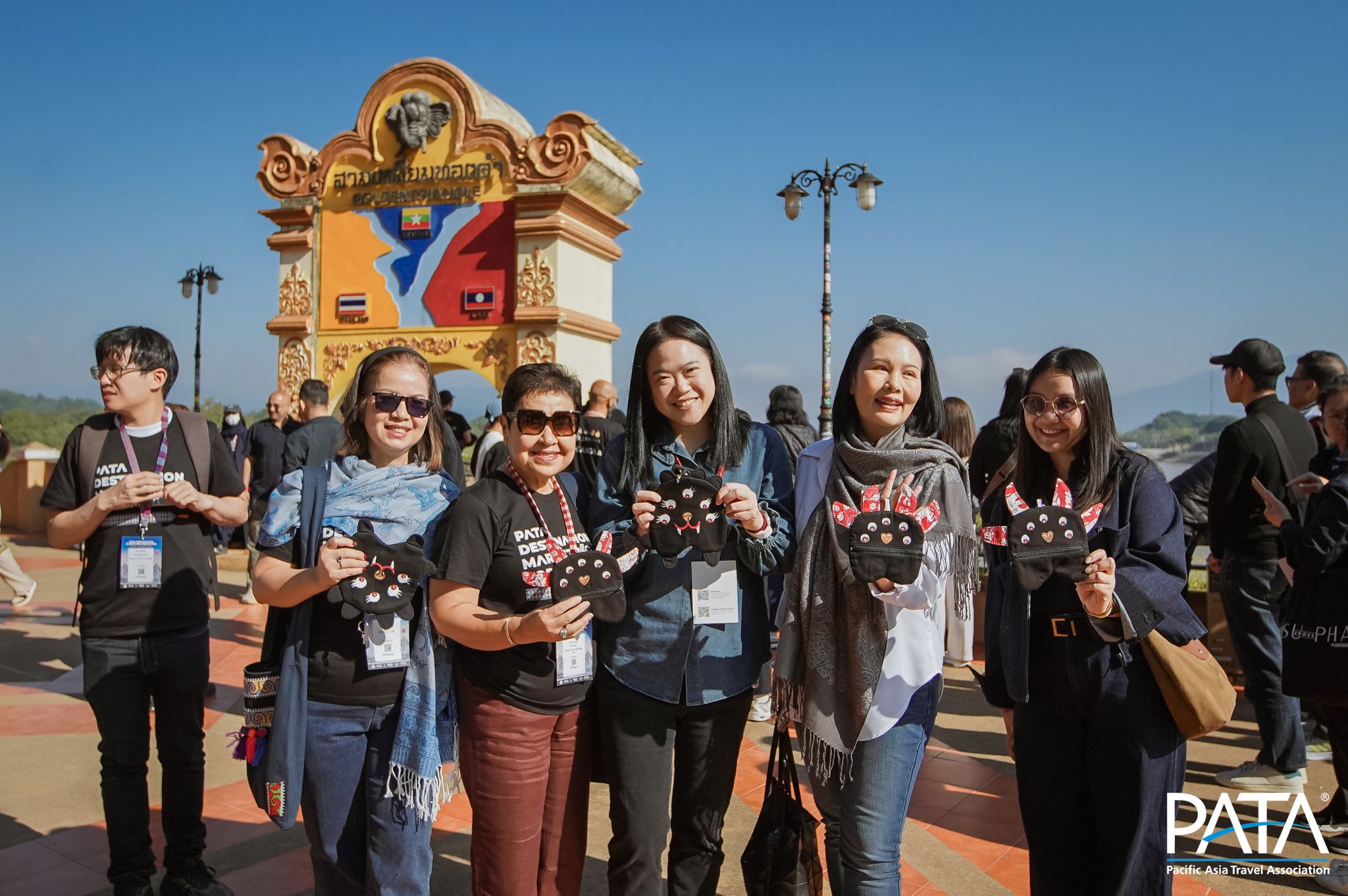
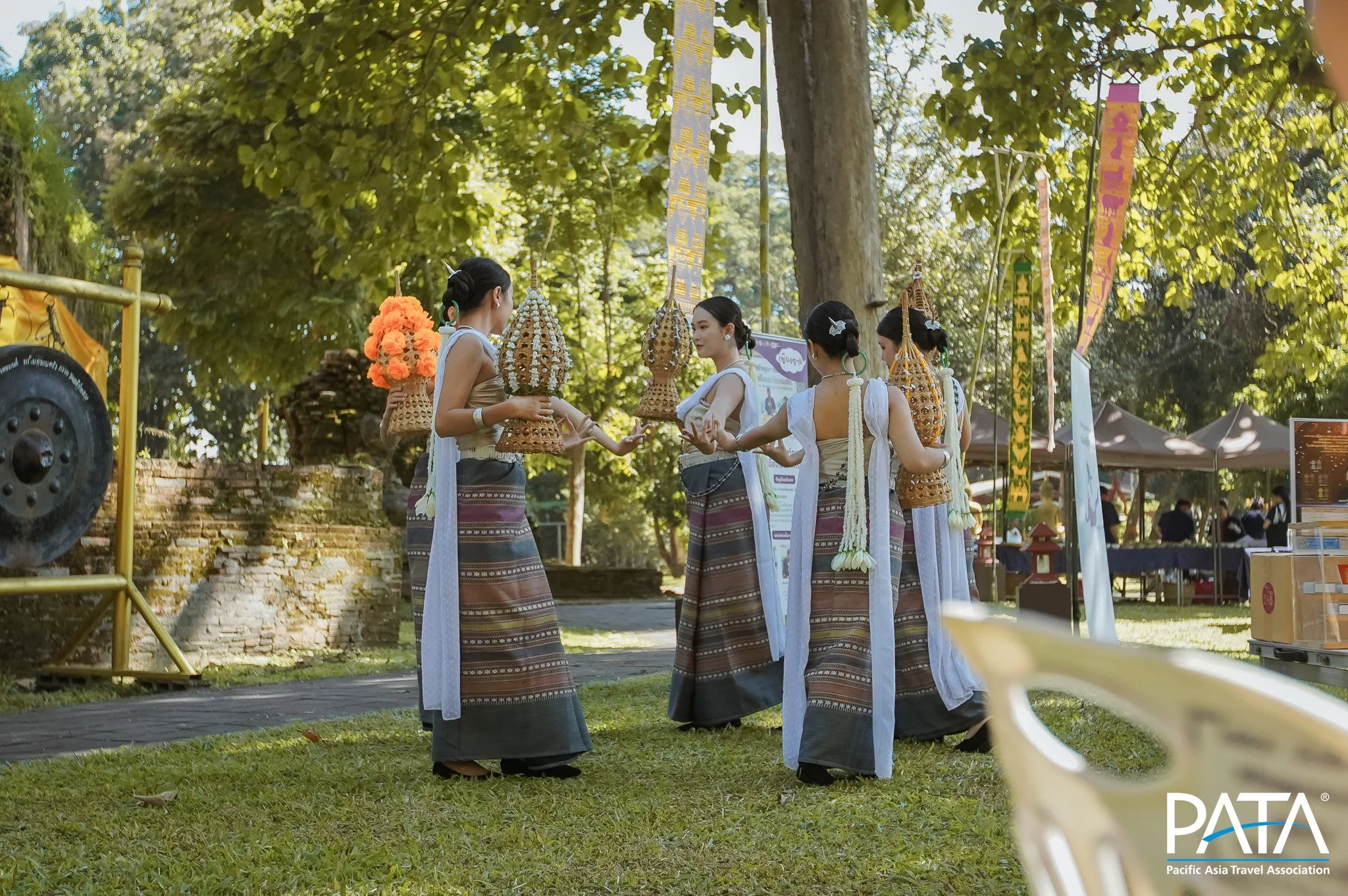
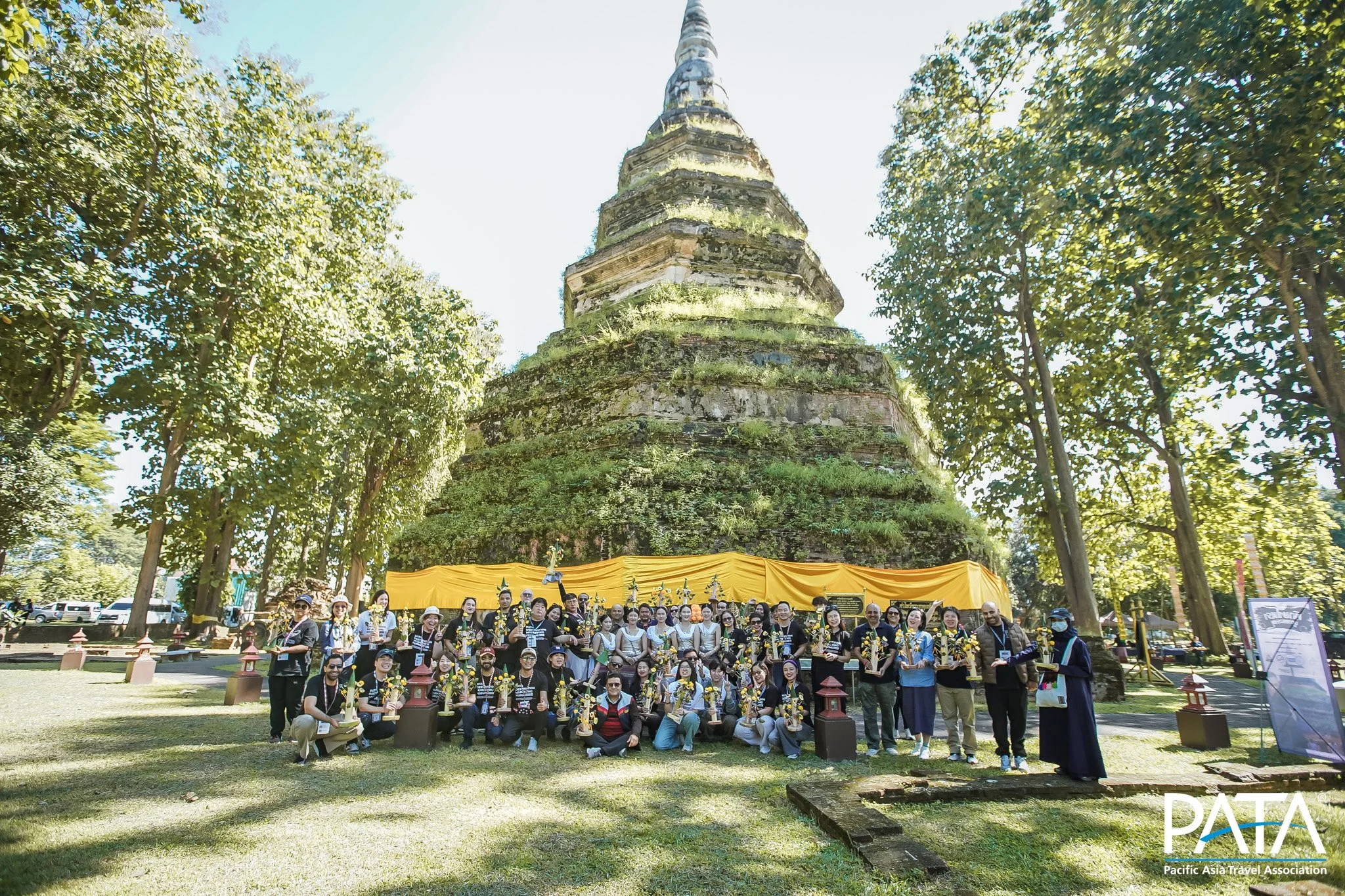
Delegates also shared their best snaps and videos from the tours for a Social Media Competition! The winning entries were awarded with Wiang Ka Long Pottery, a Chiang Rai GI–certified earthenware crafted and designed by a local artist.
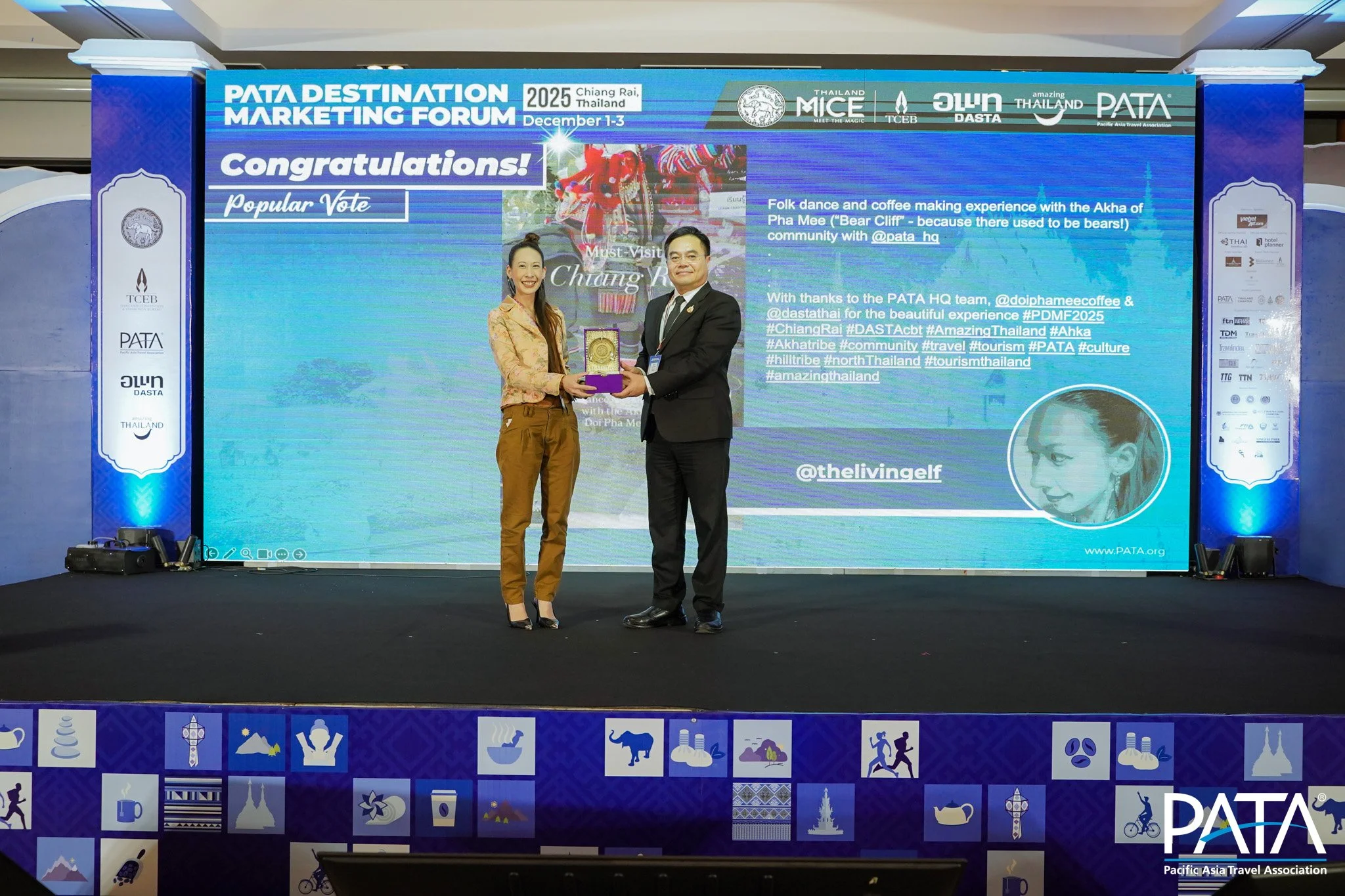
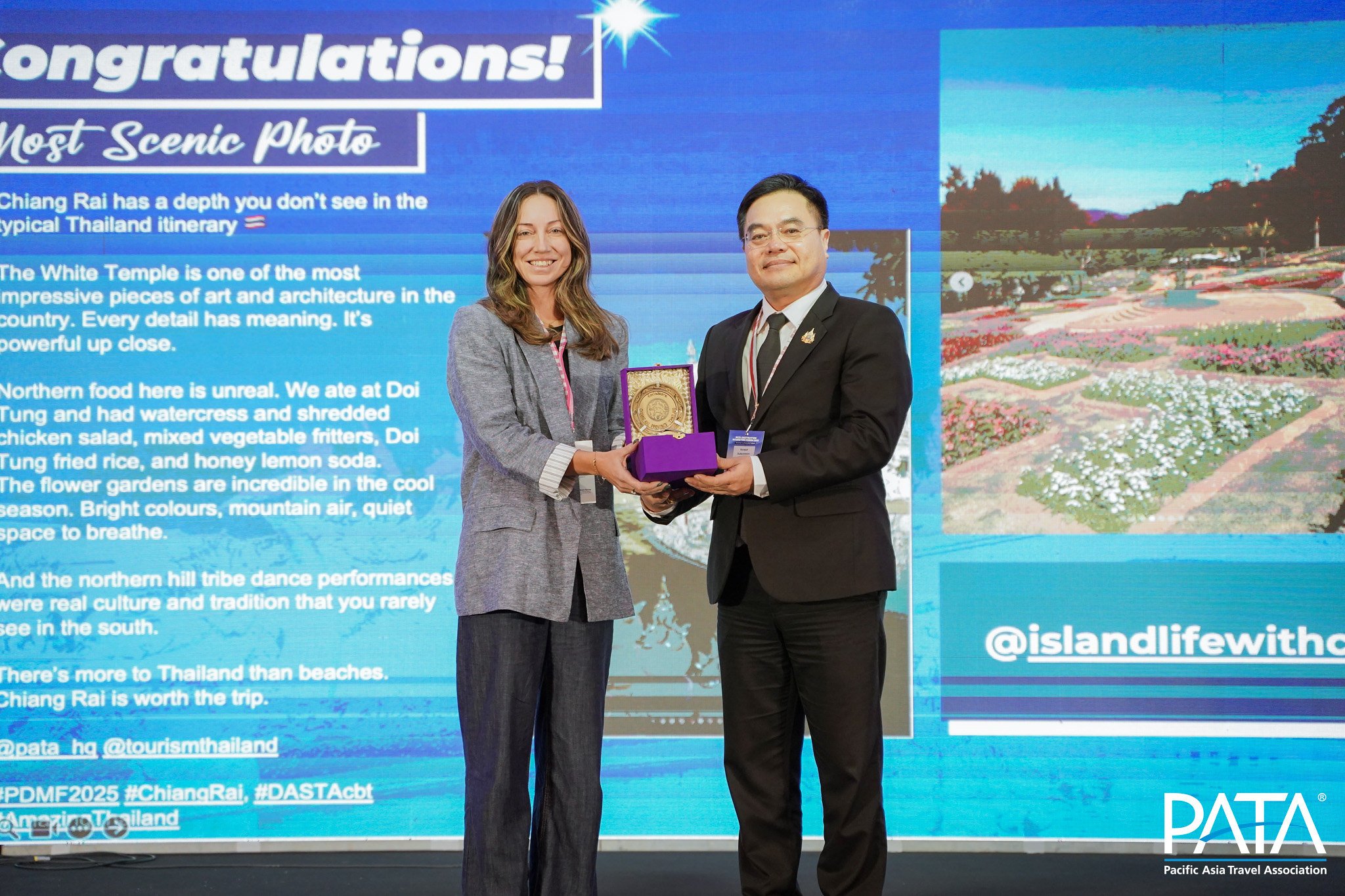
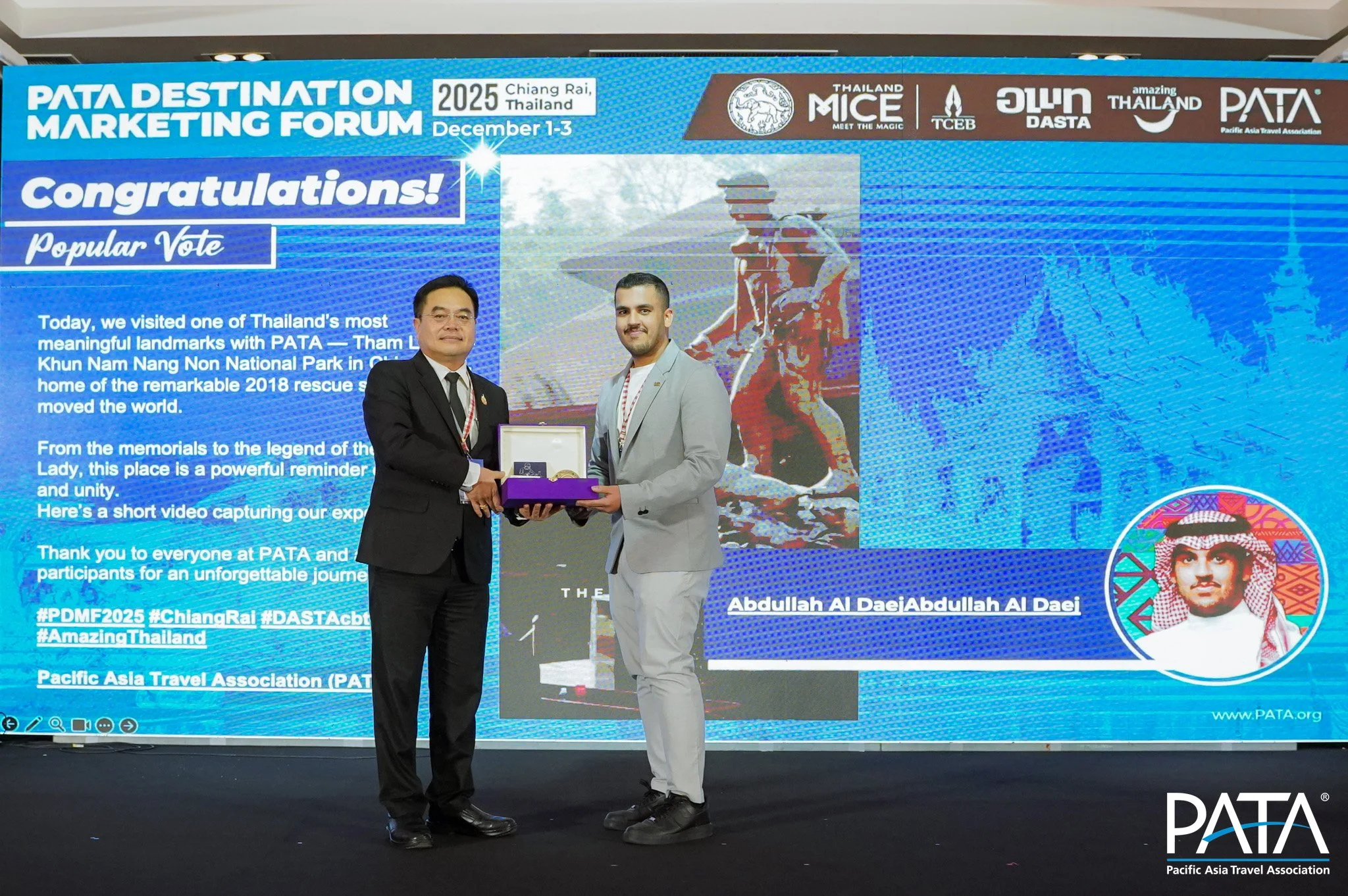
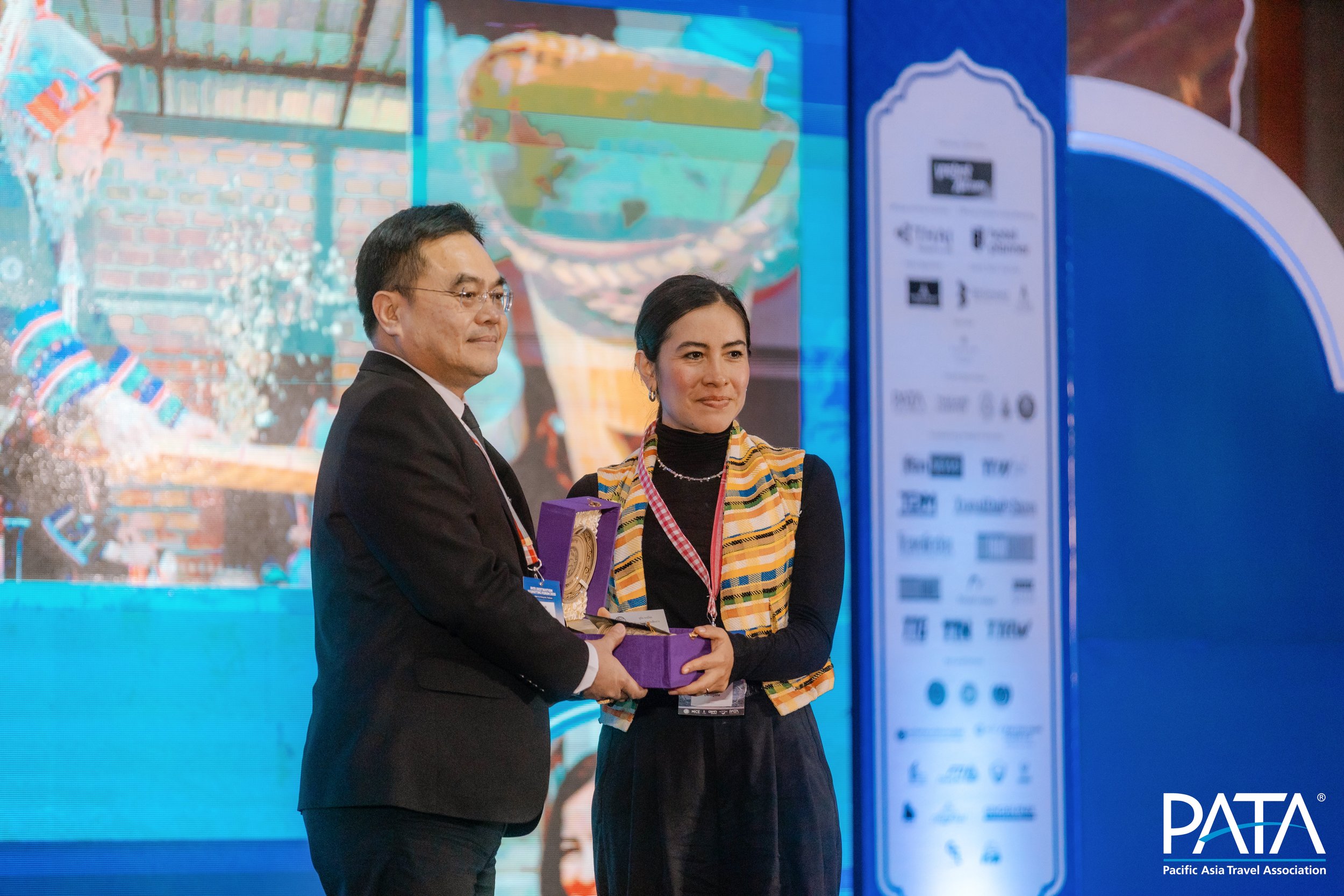
Other highlights include:
Hyper-local Experiences Workshop
Pear Anderson’s director, Hannah Pearson, led an engaging workshop that encouraged participants to share experiences and discuss inspiring case studies, highlighting how innovative ideas often emerge from everyday life.
Key conclusions from the workshop included: Local communities are central to creating memorable experiences, combining creativity with eco-conscious practices strengthens sustainability, and impacts must be evaluated early to ensure long-term value.
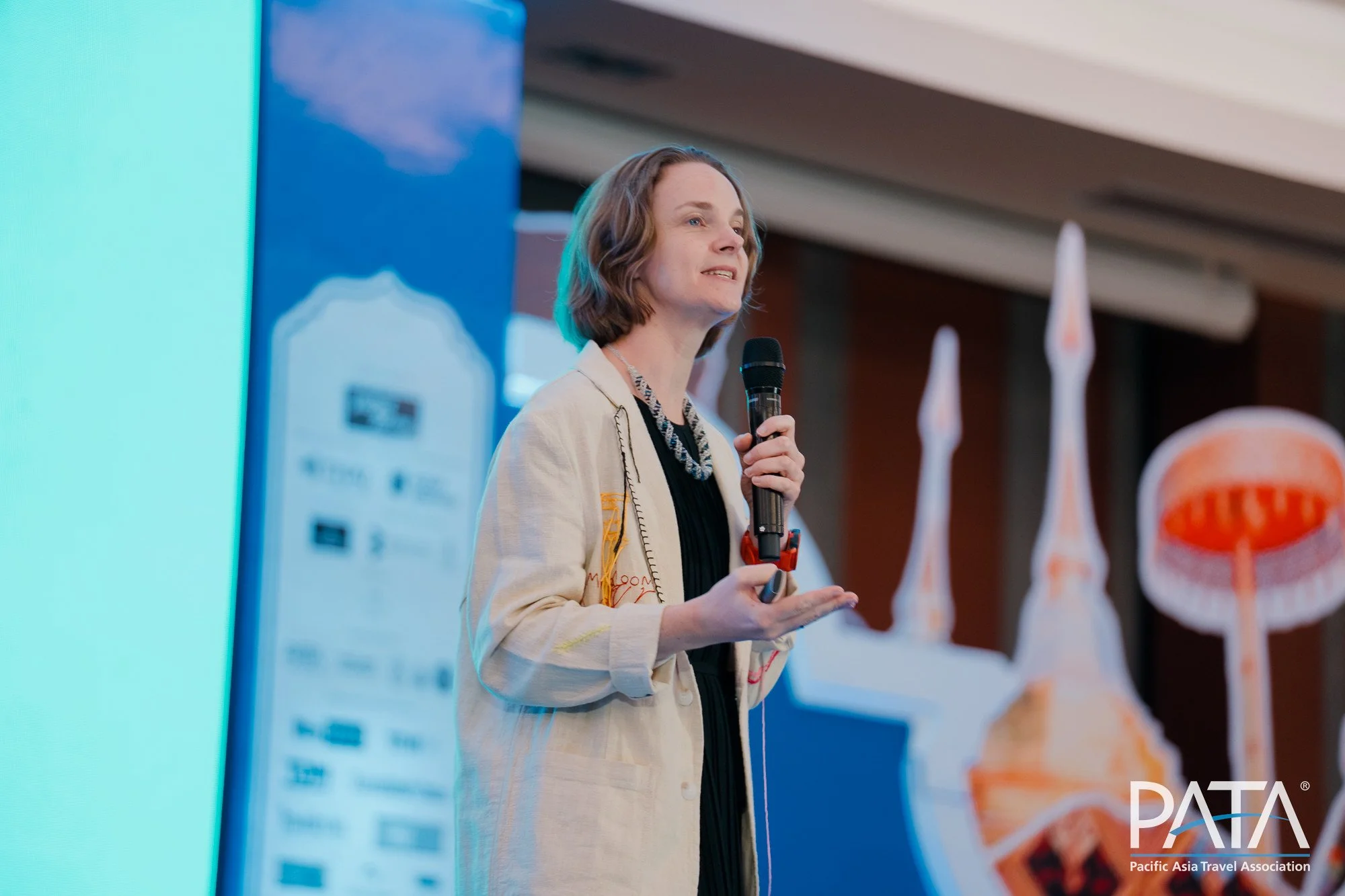
Hannah Pearson, Director, Pear Anderson
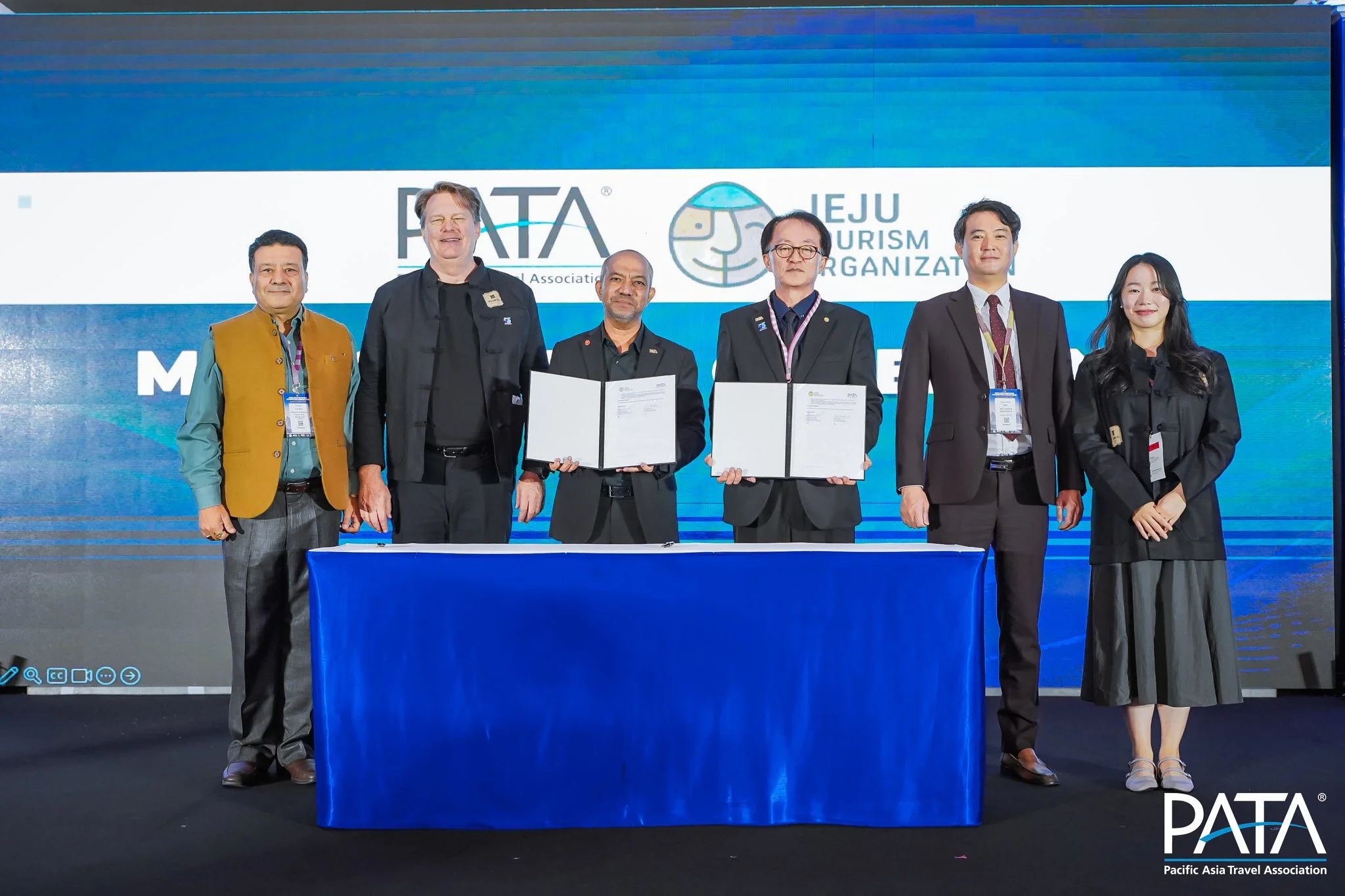
(L/R): Suman Pandey, Vice Chair, PATA; Peter Semone, Chair, PATA; Noor Ahmad Hamid, CEO, PATA; Koh Seung Chul, President, Jeju Tourism Organization; Hyun-chul Shin, Director, Jeju Tourism Organization; and Adaline You, Deputy Manager, Jeju Tourism Organization, after the MoU signing between the two organisations.
PATA x Jeju Tourism Organization (JTO) MoU signing
PATA and JTO celebrated a shared milestone in Chiang Rai, signing a new MoU to advance responsible tourism and strengthen Jeju’s position in the global MICE landscape.
As a local public enterprise of the Jeju Special Self-Governing Province, JTO strives to realise 'Value Tourism' in Jeju, aiming for a tourism environment where tourists, residents, and the environment thrive hand-in-hand.
Welcome Dinner hosted by TAT
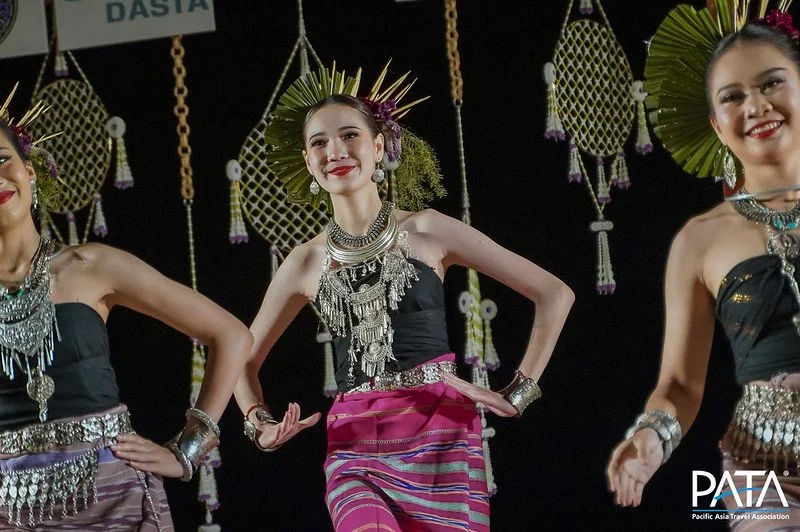
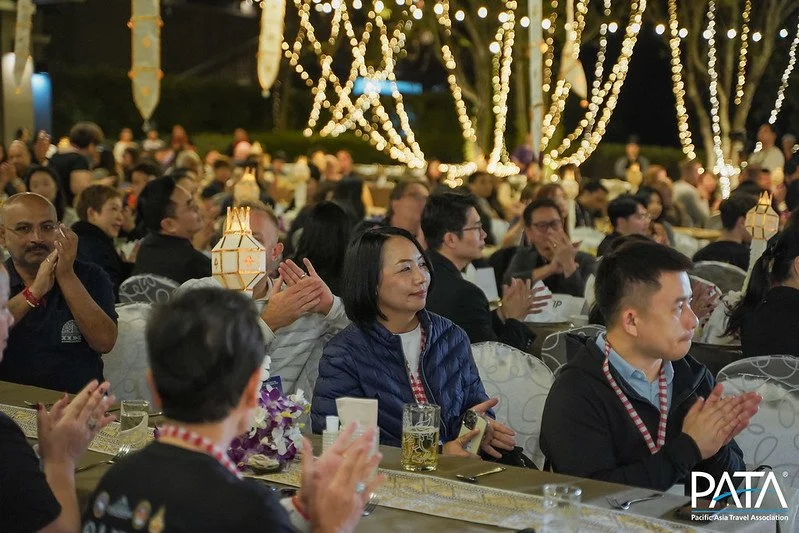
PDMF 2025 Welcome Dinner at Bhu Bhirom restaurant, Singha Park Chiang Rai, was the perfect wrap-up to a full day of technical tours.
From beautiful traditional performances and local handmade product showcases to delicious farm-to-table northern Thai fusion cuisine, delegates enjoyed an evening of culture, flavour, and TAT’s well-known hospitality.
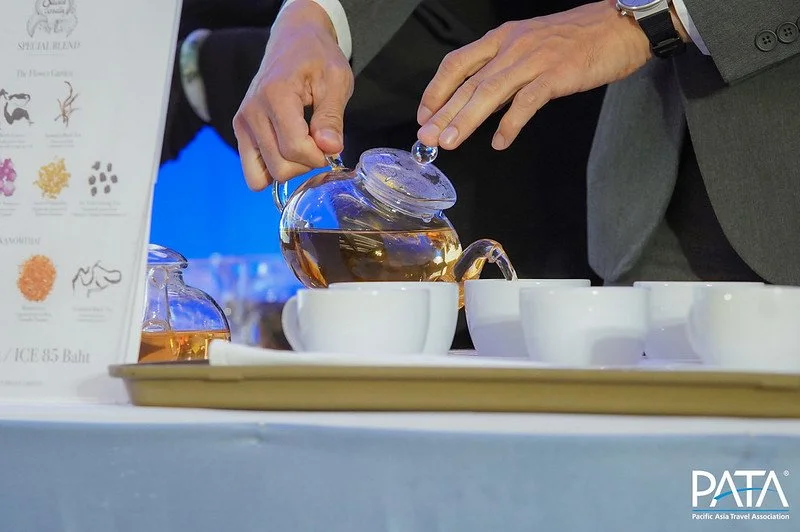
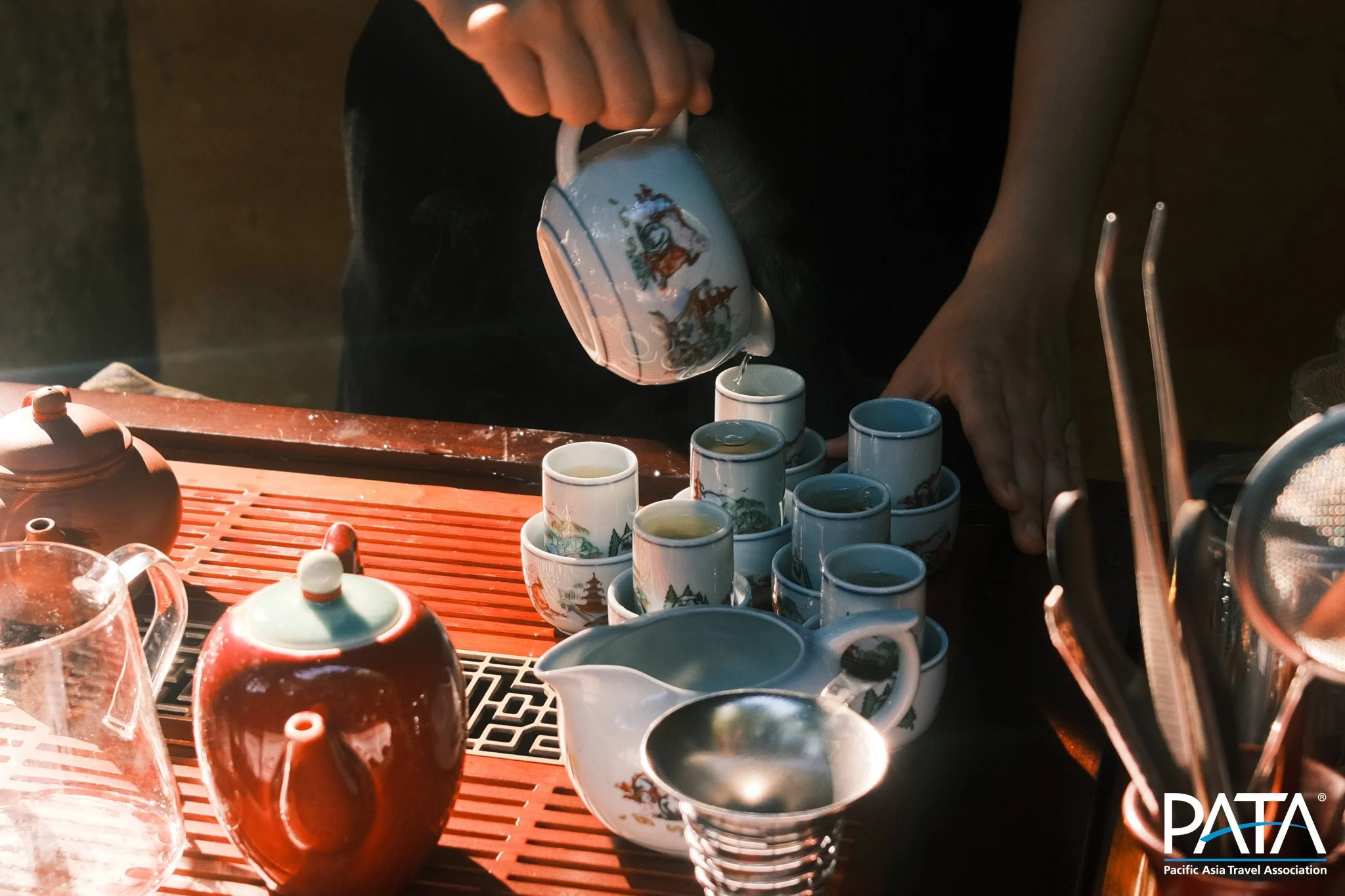
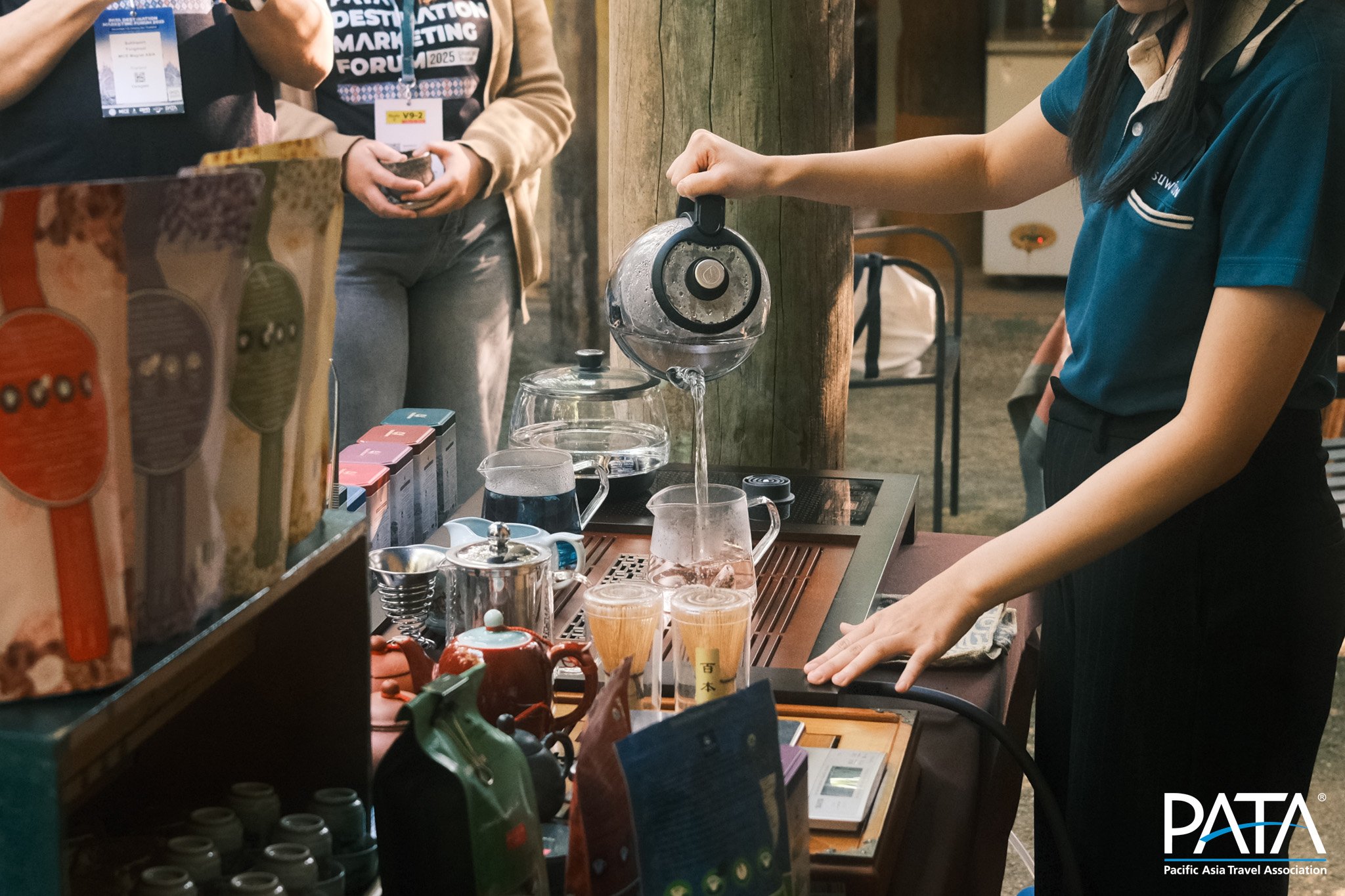
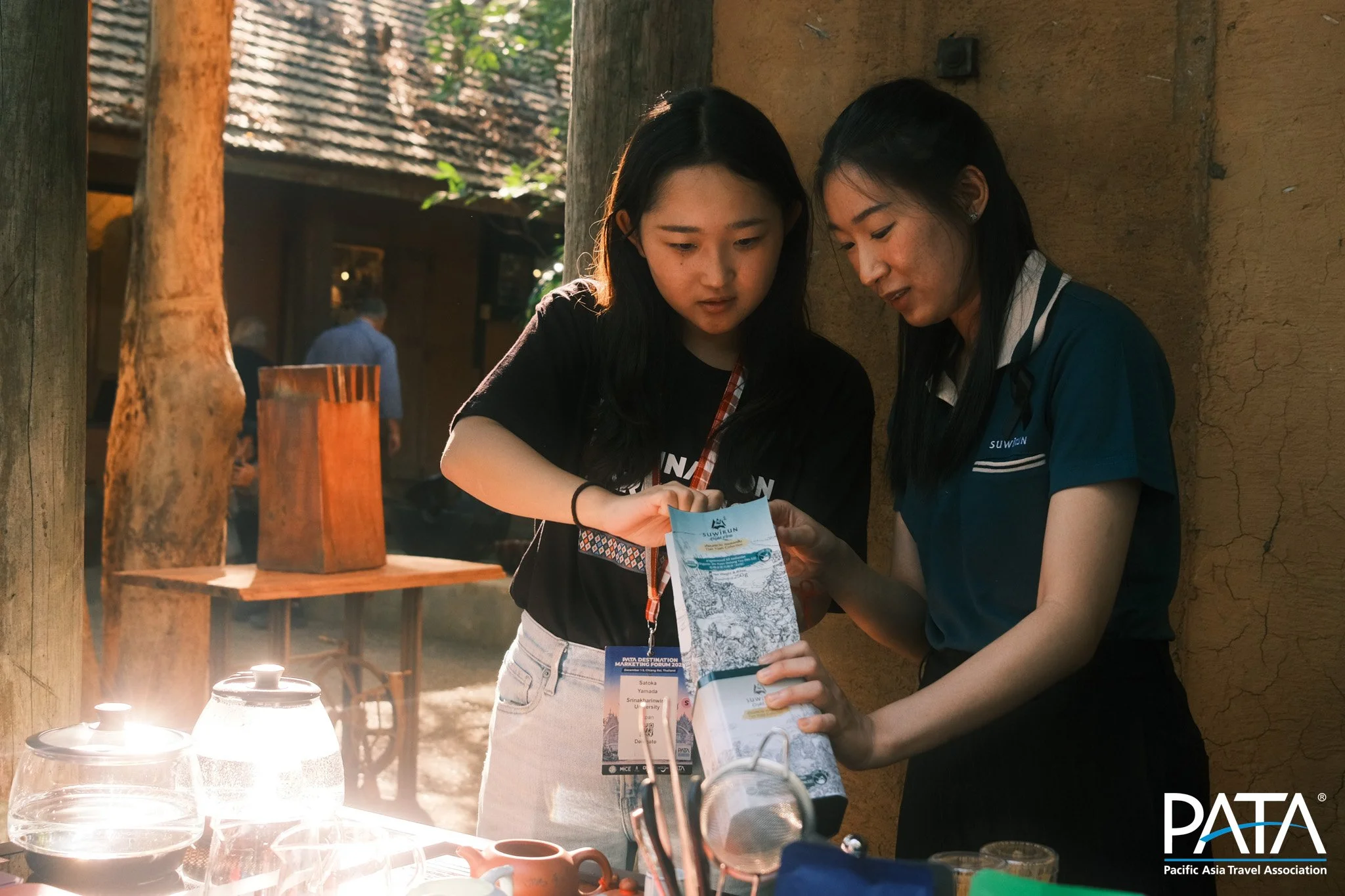
Taste-testing Tea and Coffee of Chiang Rai
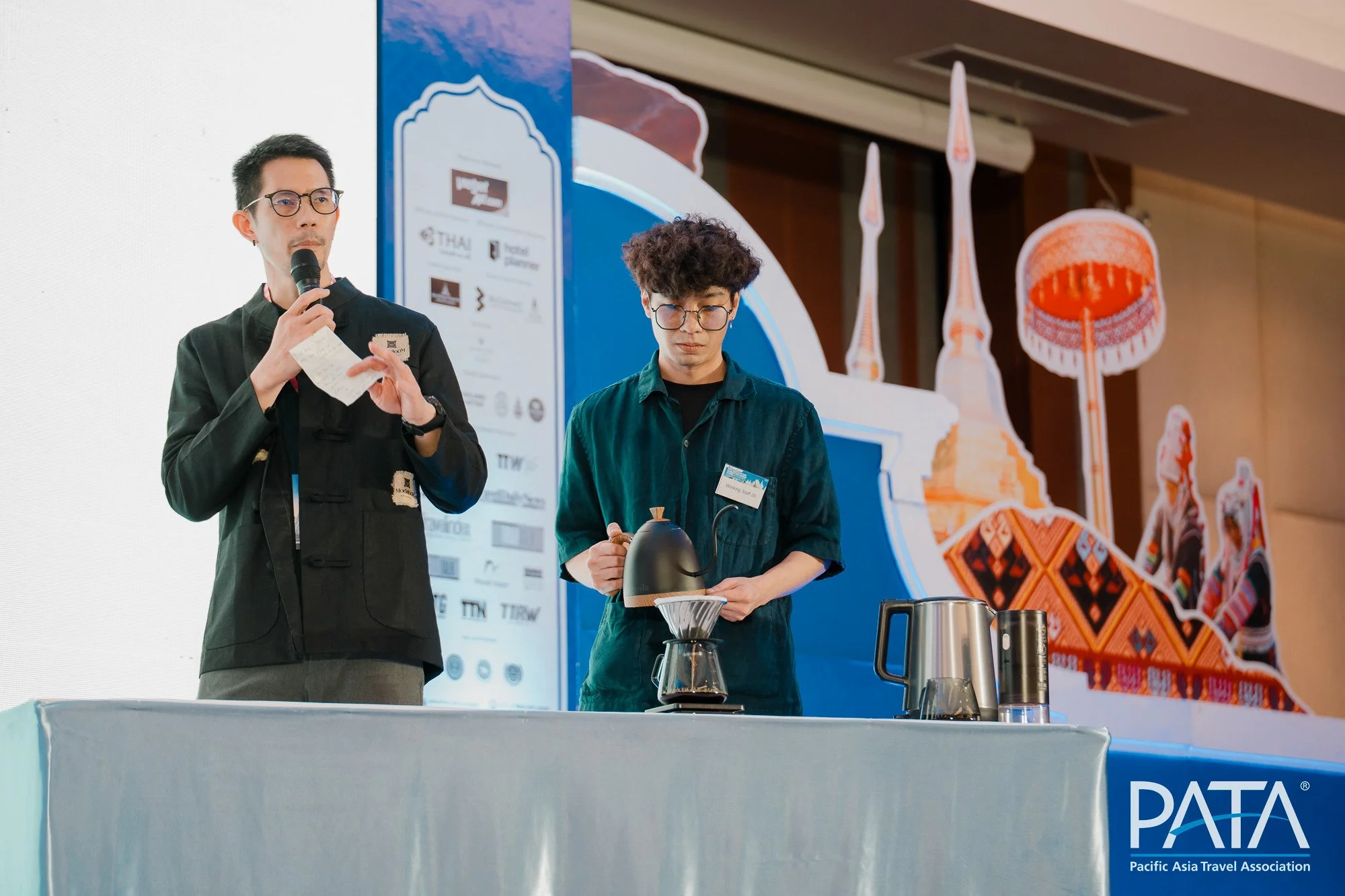
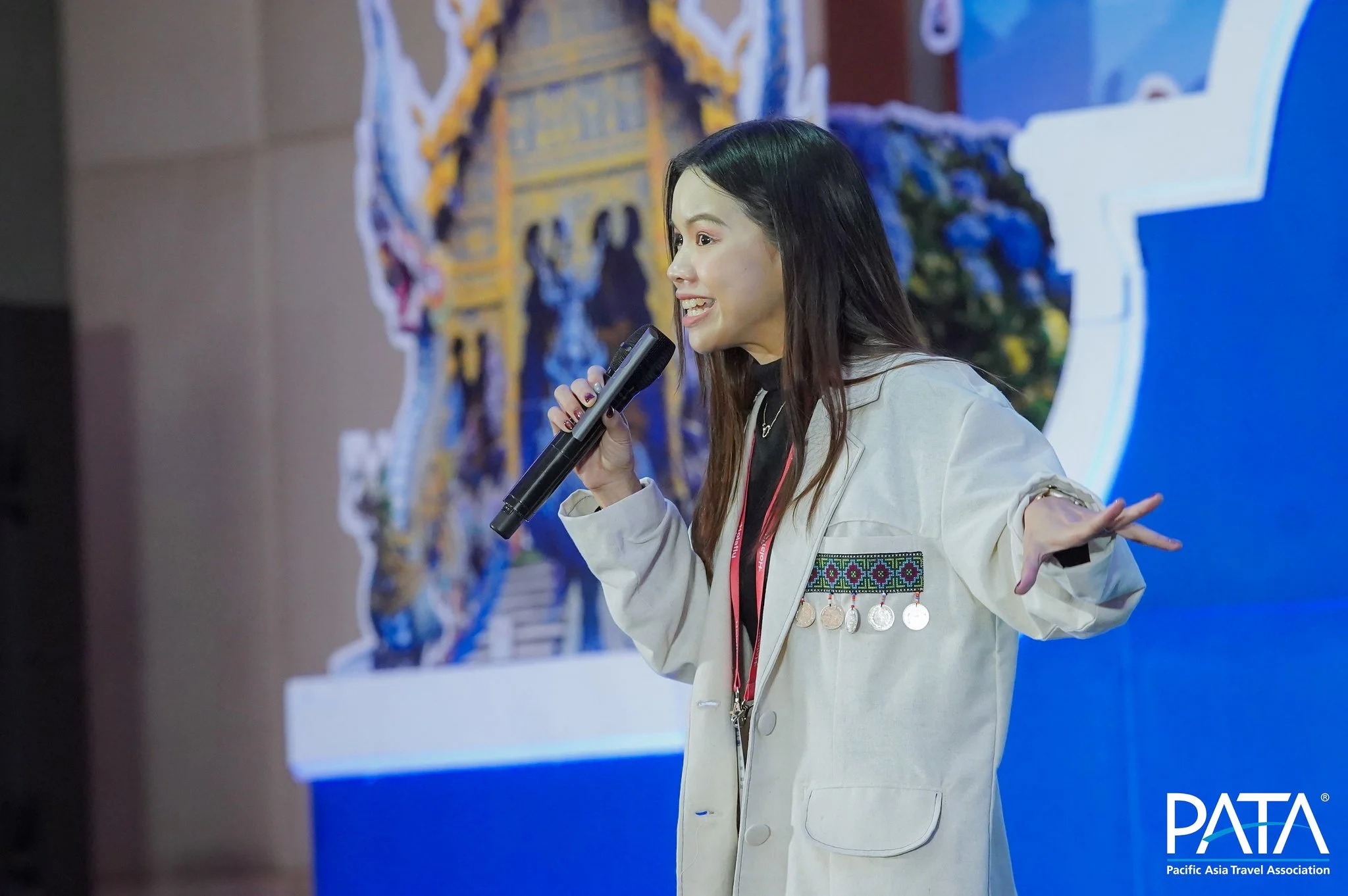
During the conference, Yotsakorn Donchai Vice President, ChiangRai Coffee Lovers and assistant (first photo) ; and Aoranich Saleewong, Managing Director, Sawanbondin Group Company Limited, (second photo), joined the stage to share their knowledge on Chiang Rai’s world-renowned beverages!
Farewell Reception hosted by Chiang Rai Province and Chiang Rai WOW Market & Famous Foods Festival
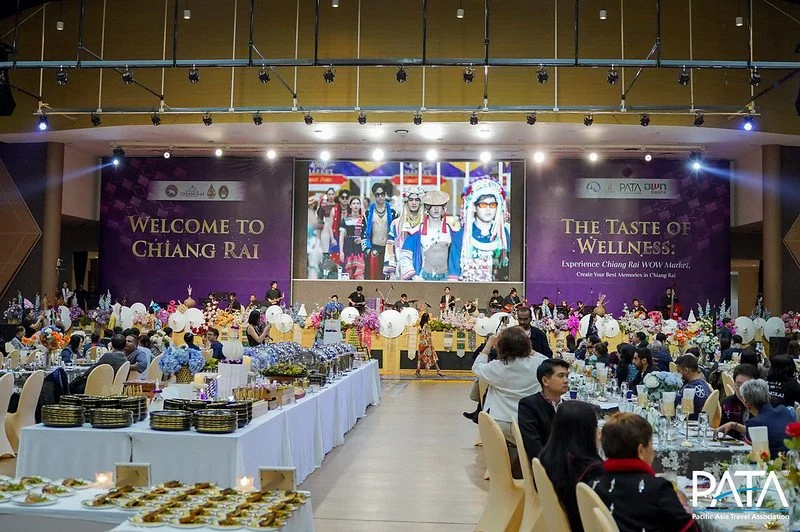
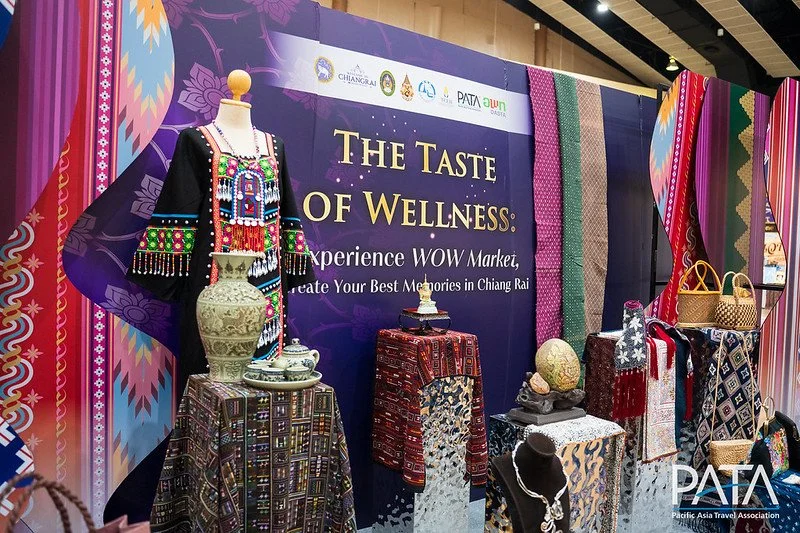
The farewell reception themed “The Taste of Wellness, Experience WOW Market” was a finale filled with colours and flavours!
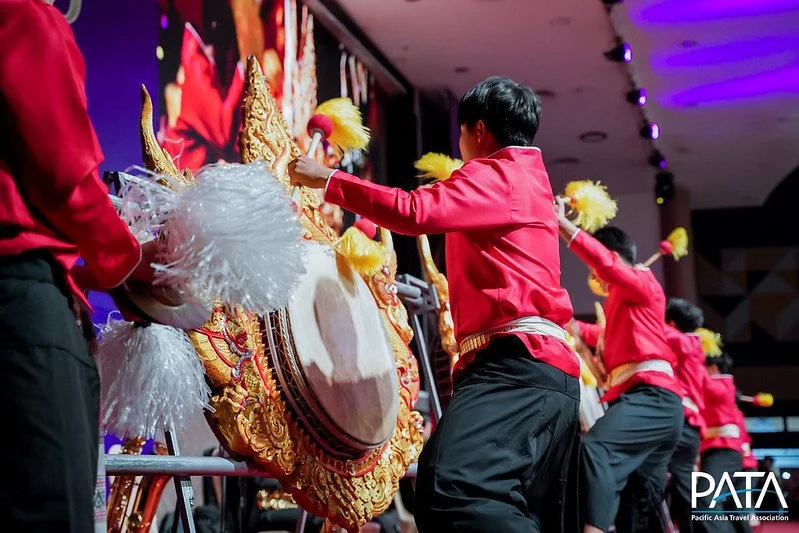
Hosted by Chiang Rai Province at Chiang Rai Rajabhat University, the evening opened with an exciting Thai Victory Drum performance, followed by a stunning fashion show featuring creations from 100 local designers.
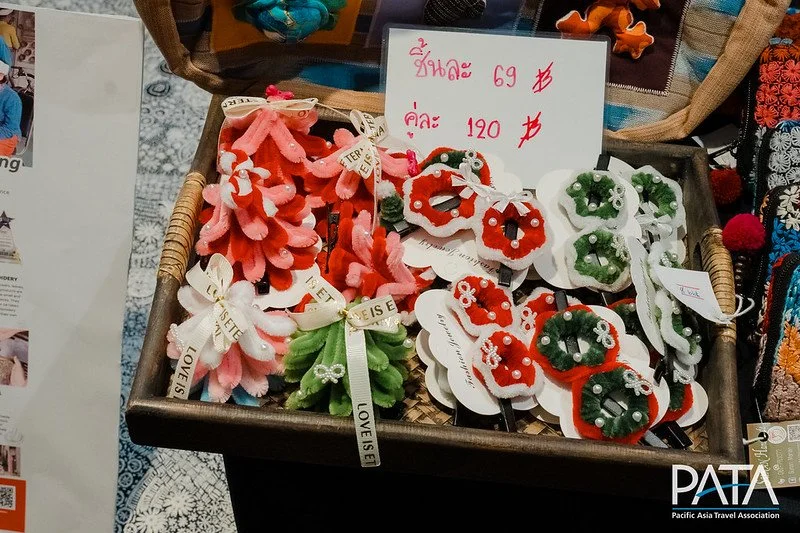
Delegates also enjoyed a delicious spread and browsed unique local products at the Chiang Rai WOW Market & Famous Food Festival.
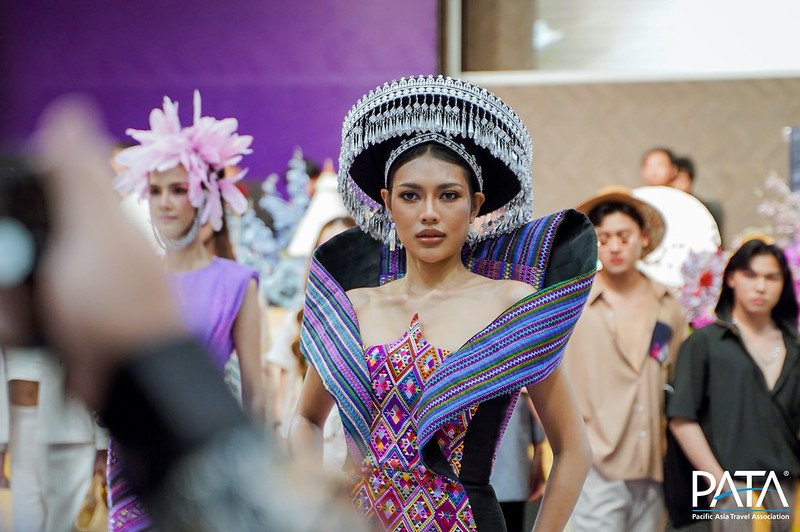
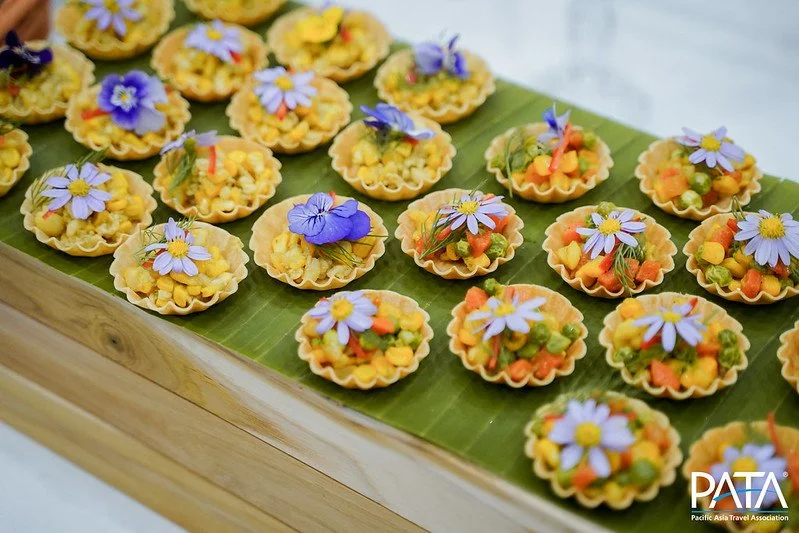
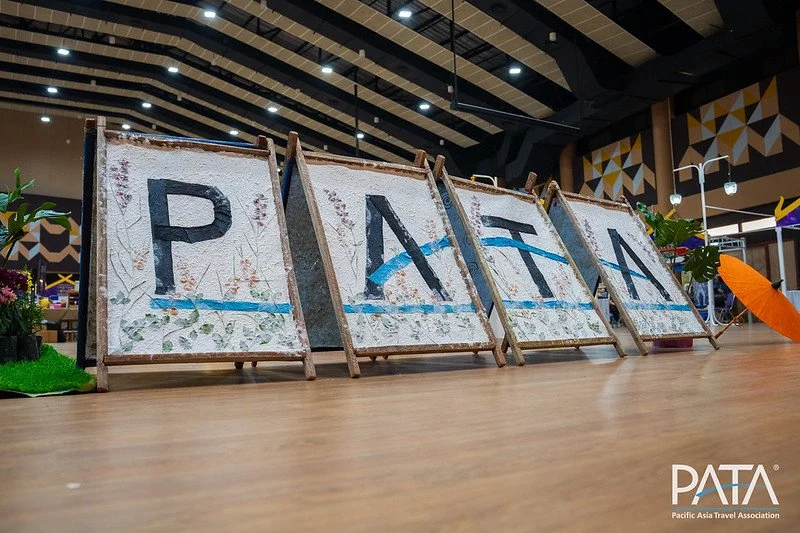
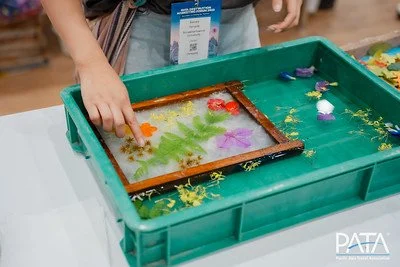
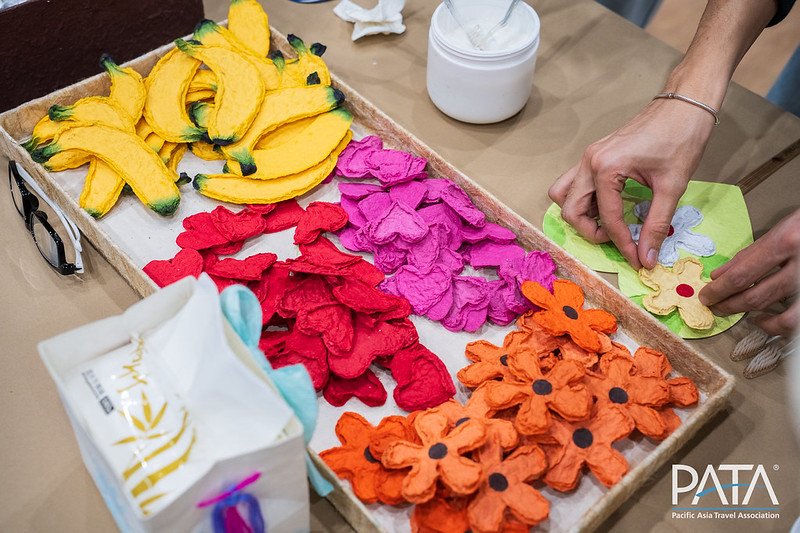

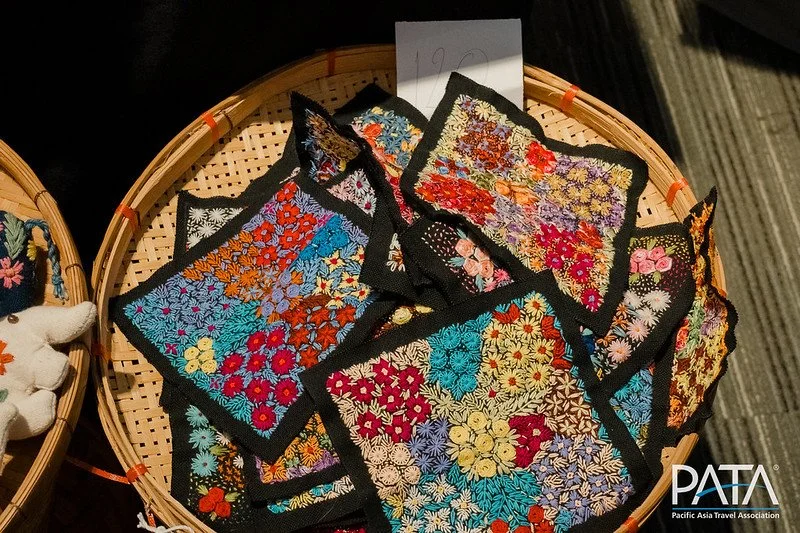
Local Products Showcase
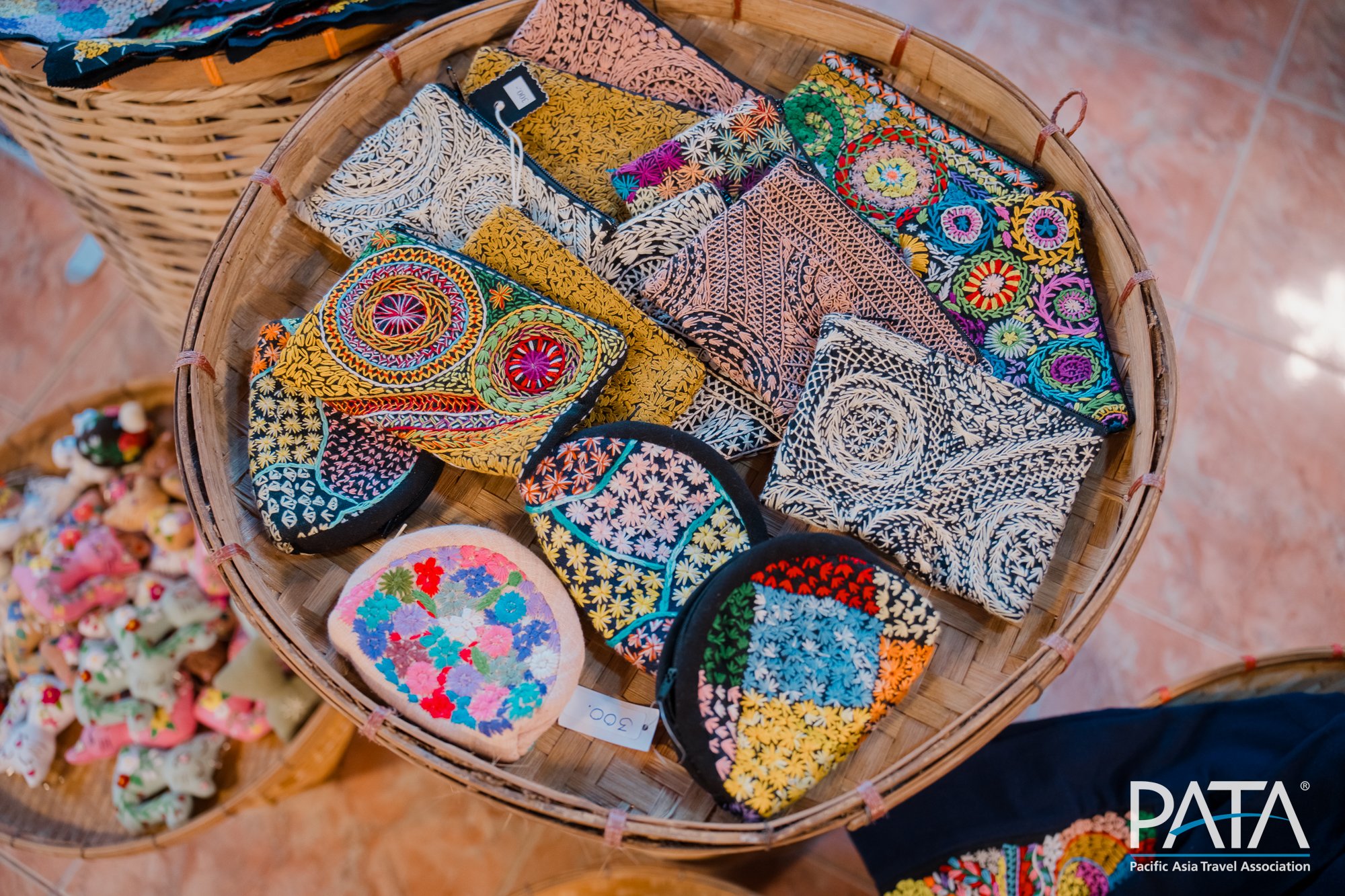
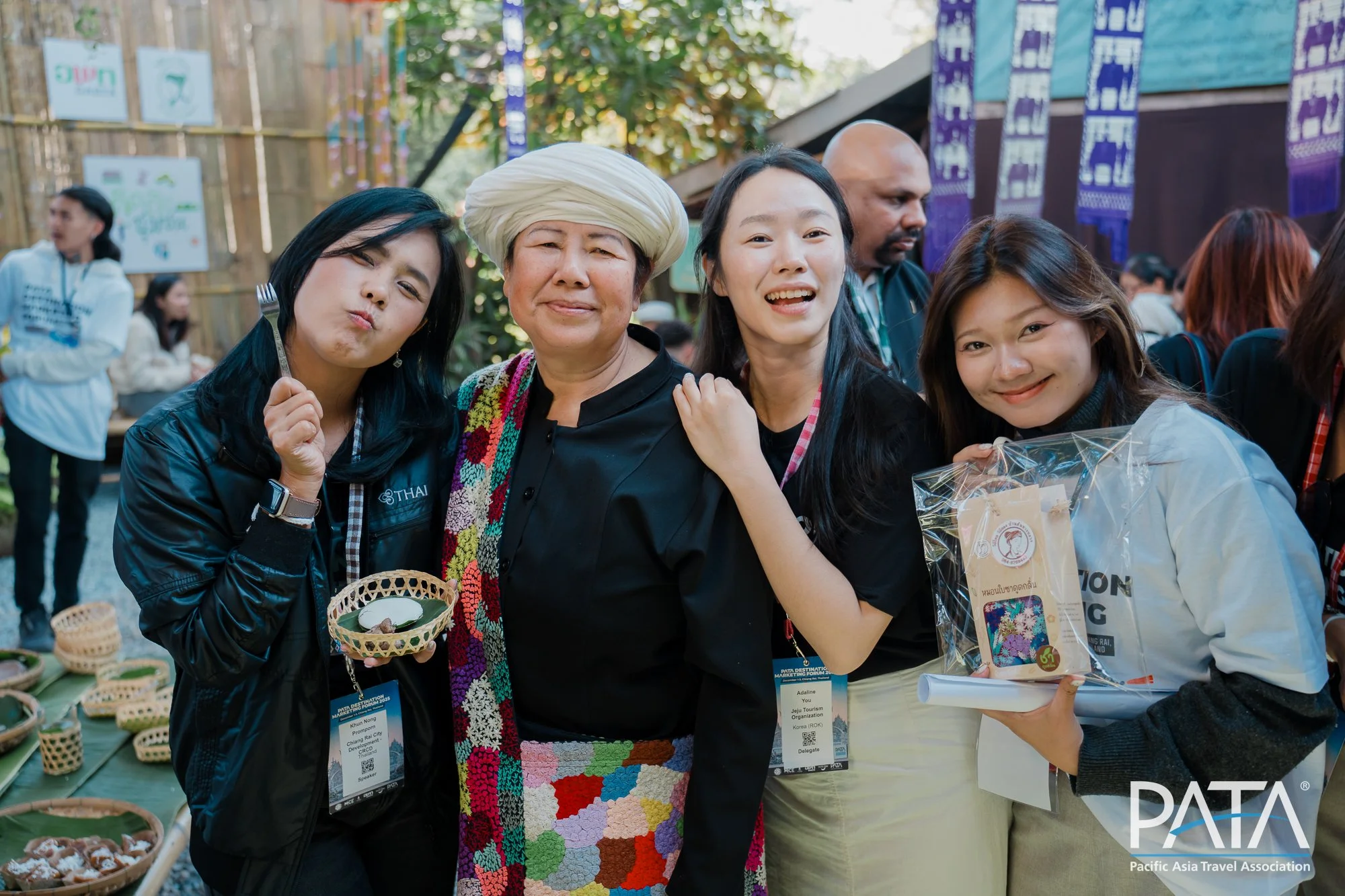
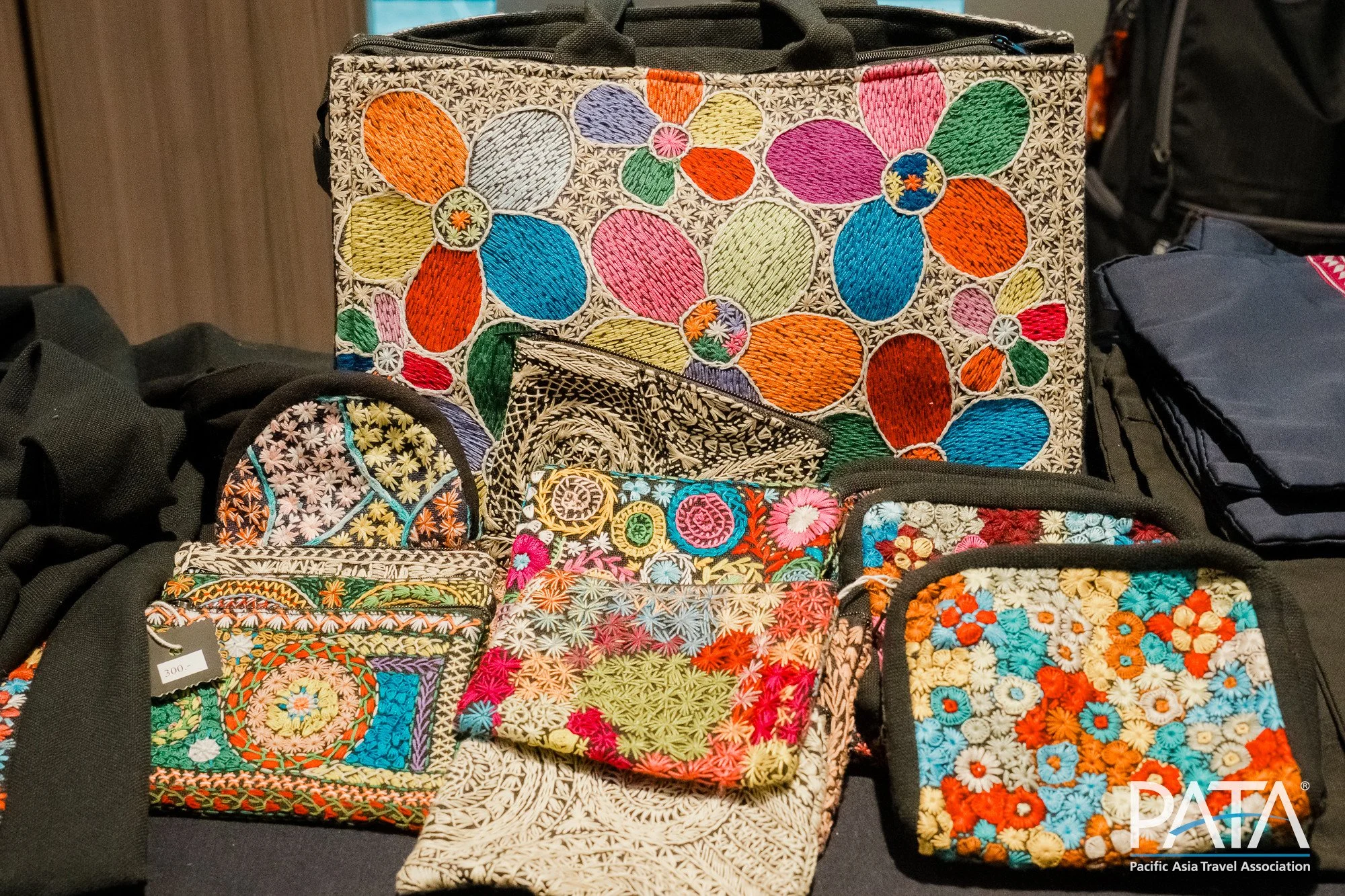
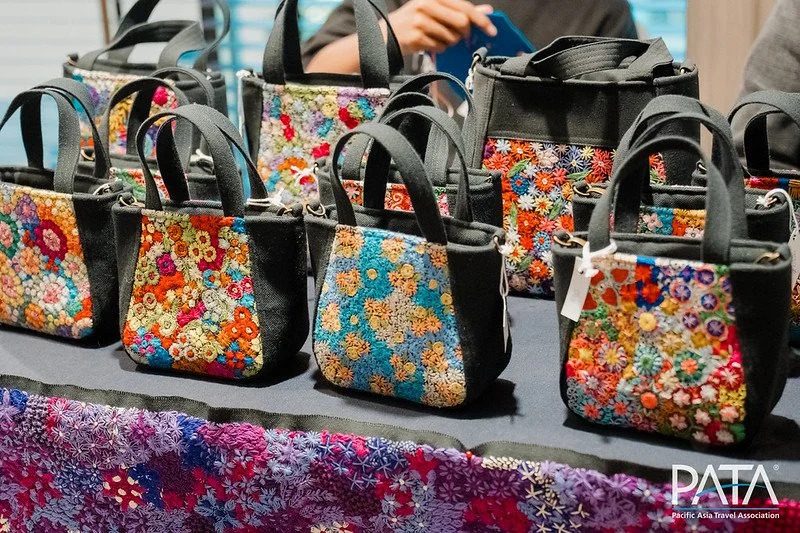
On the third and final day of PDMF 2025, local artisans joined the floor to showcase their handicrafts and innovative products. From delicately embroidered purses and carved wooden animals to toiletries, skincare, and herbal compresses, delegates explored the stalls and picked up meaningful keepsakes to take home.
PDMF 2025 closes the curtains of an incredibly eventful year of PATA with newfound knowledge, local-focused experiences, and strengthened collective responsibility that Asia Pacific tourism stakeholders now share. With the partnerships and insights found in Chiang Rai, the Association wishes all participating stakeholders are inspired to transform their own destinations and businesses to be part of a responsible and sustainable tourism economy.
The event was co-hosted by the Chiang Rai Province, the Thailand Convention and Exhibition Bureau (TCEB), the Designated Areas for Sustainable Tourism Administration (DASTA), and the Tourism Authority of Thailand (TAT). It was supported by Platinum Sponsor, Vietjet; Official Airline Partner, Thai Airways International; Official Online Hotel Booking Partner, HotelPlanner; Hotel Sponsor, The Heritage Chiang Rai Hotel and Convention; Event Tech Partner, TCEB; Sponsor, Kahavadi Chiang Rai - Curio Collection By Hilton; and Youth Sponsors, PATA Thailand Chapter, Mae Fah Luang University, Wanasom MFU, and Chiang Rai Rajabhat University.
Support was also provided by key local partners, including Chiang Rai City Development (CRCD) Co., Ltd.(SE), Chiang Rai Provincial Commerce Office, Chiang Rai Provincial Community Development Department, Chiang Rai Provincial Administrative Organization (PAO), Mae Fah Luang Foundation under Royal Patronage, AOT / Mae Fah Luang – Chiang Rai International Airport, Tourism Council of Chiang Rai, Federation of Thai Industries – Chiang Rai Chapter, Chiang Rai Chamber of Commerce, Young Entrepreneurs Chiang Rai - YEC, Welcome to Chiang Rai, Singha Park Chiang Rai, Chiangrai Coffee Lover (CCL), and SawanBondin.
