PATA Malaysia Taylor’s Student Chapter and CMAS-EDIF Host “Dive Like a Diver, Think Like a Scientist” to Inspire Student Action for Ocean Conservation
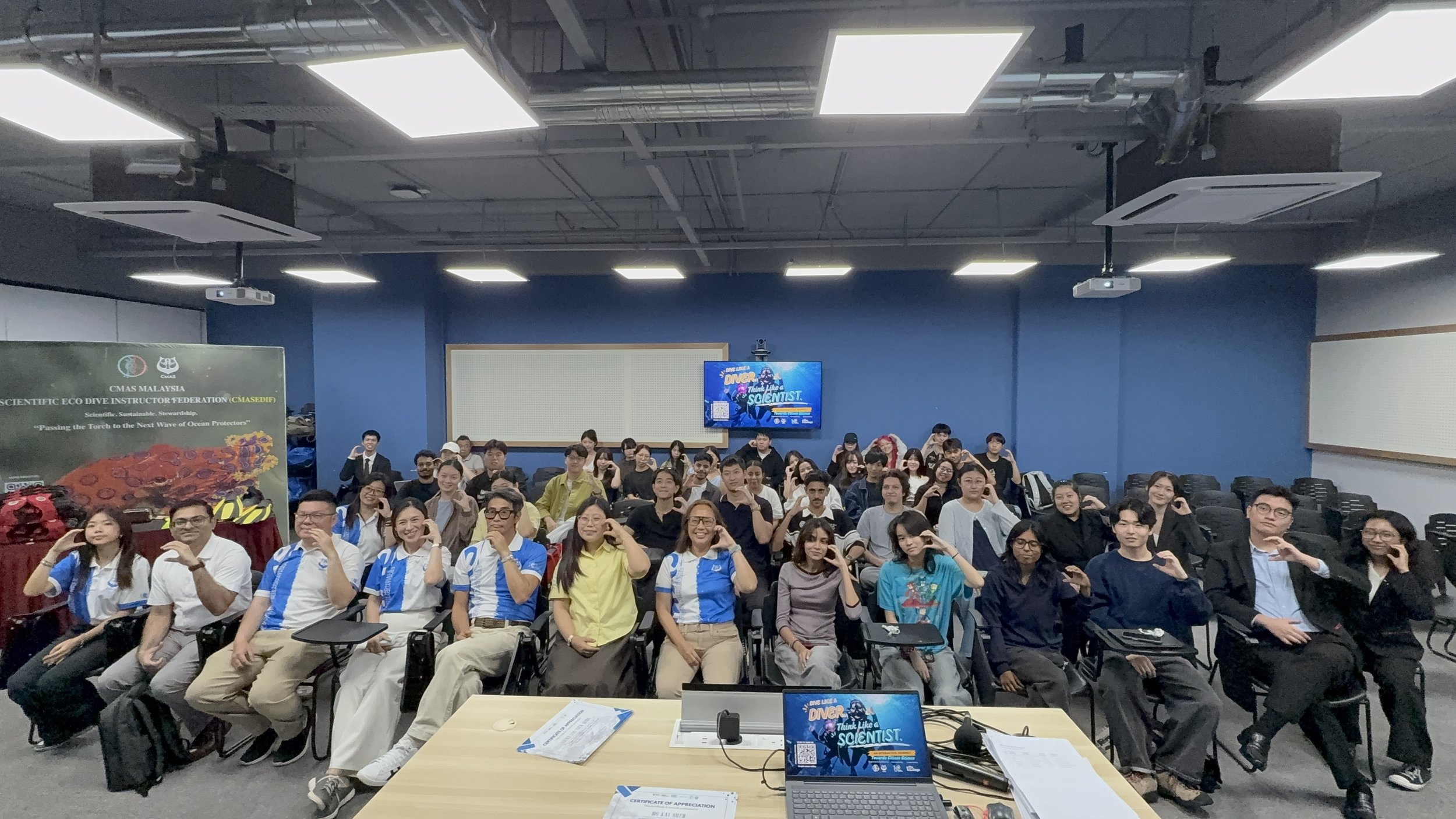
Subang Jaya, Malaysia - 22 October, 2026: The PATA Malaysia Taylor’s Student Chapter, in collaboration with the CMAS Malaysia Scientific Eco Dive Instructor Federation (CMAS-EDIF), hosted “Dive Like a Diver, Think Like a Scientist: An Interactive Journey Towards Citizen Science” on 22 October 2026 at Lecture Theatre 24 (LT24), Taylor’s University. The two-hour session, supported by the School of Hospitality, Tourism & Events, brought students together with dive and marine science educators to explore why water conservation matters, how human activity is affecting our oceans, and how safe, eco-friendly diving supports a more sustainable tourism industry.
Event Description
The event was designed around four goals: helping students understand that what the eyes can see does not tell the whole story; studying the importance of water conservation; fostering a sustainable relationship between humans and water; and promoting eco-friendly diving, water safety and marine conservation.
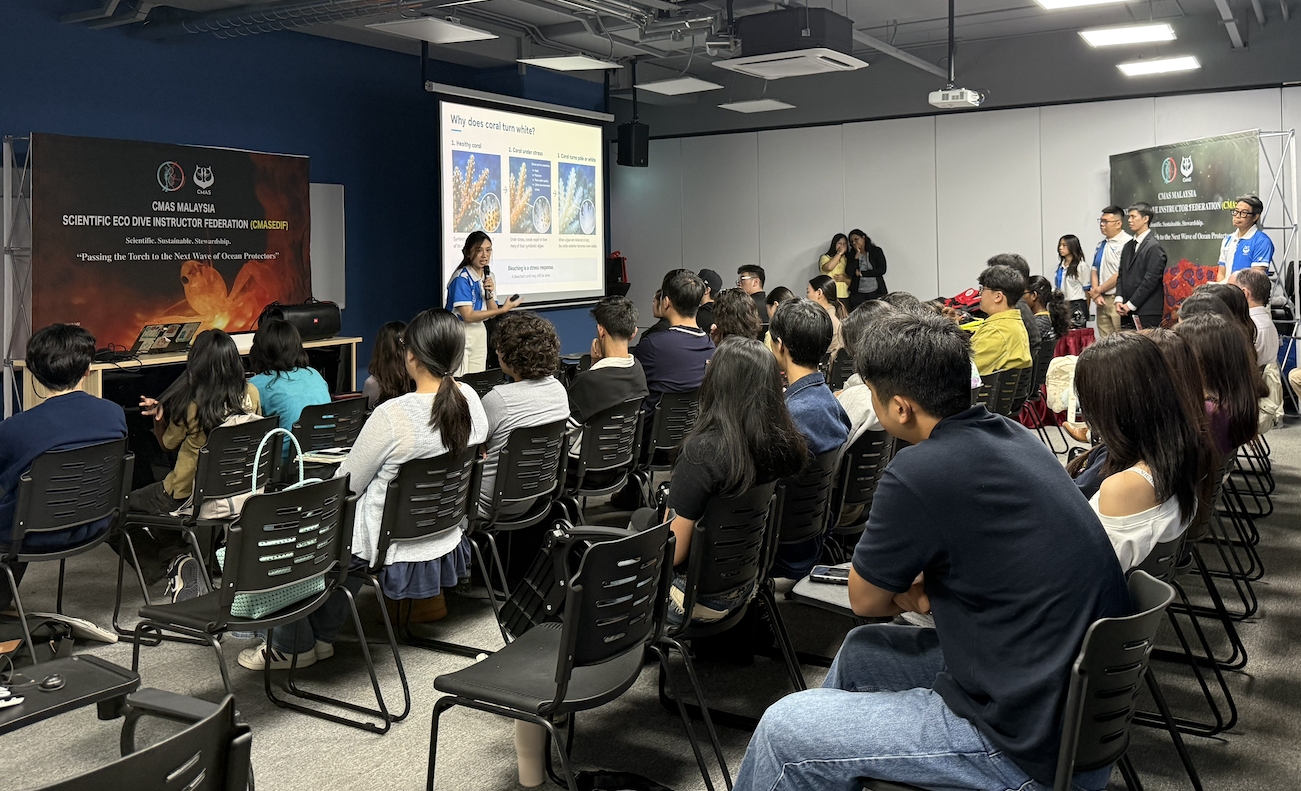
The first session, led by Ms. Lily Lee, a Chemistry and Biology educator, CMAS 2-star diver and public science communicator, focused on coral reefs. Participants learned that coral needs carbonate ions to form and keep growing, and that although coral is naturally white, it gets its colour and much of its energy for photosynthesis from the symbiotic algae living inside it. When these algae leave, the coral slowly dies, and pollution, climate change and declining water quality caused by human activity are among the main reasons they do. Students were also reminded that the ocean produces at least 50% of the world’s oxygen, so the loss of coral reefs is a concern for everyone, not only for marine life.
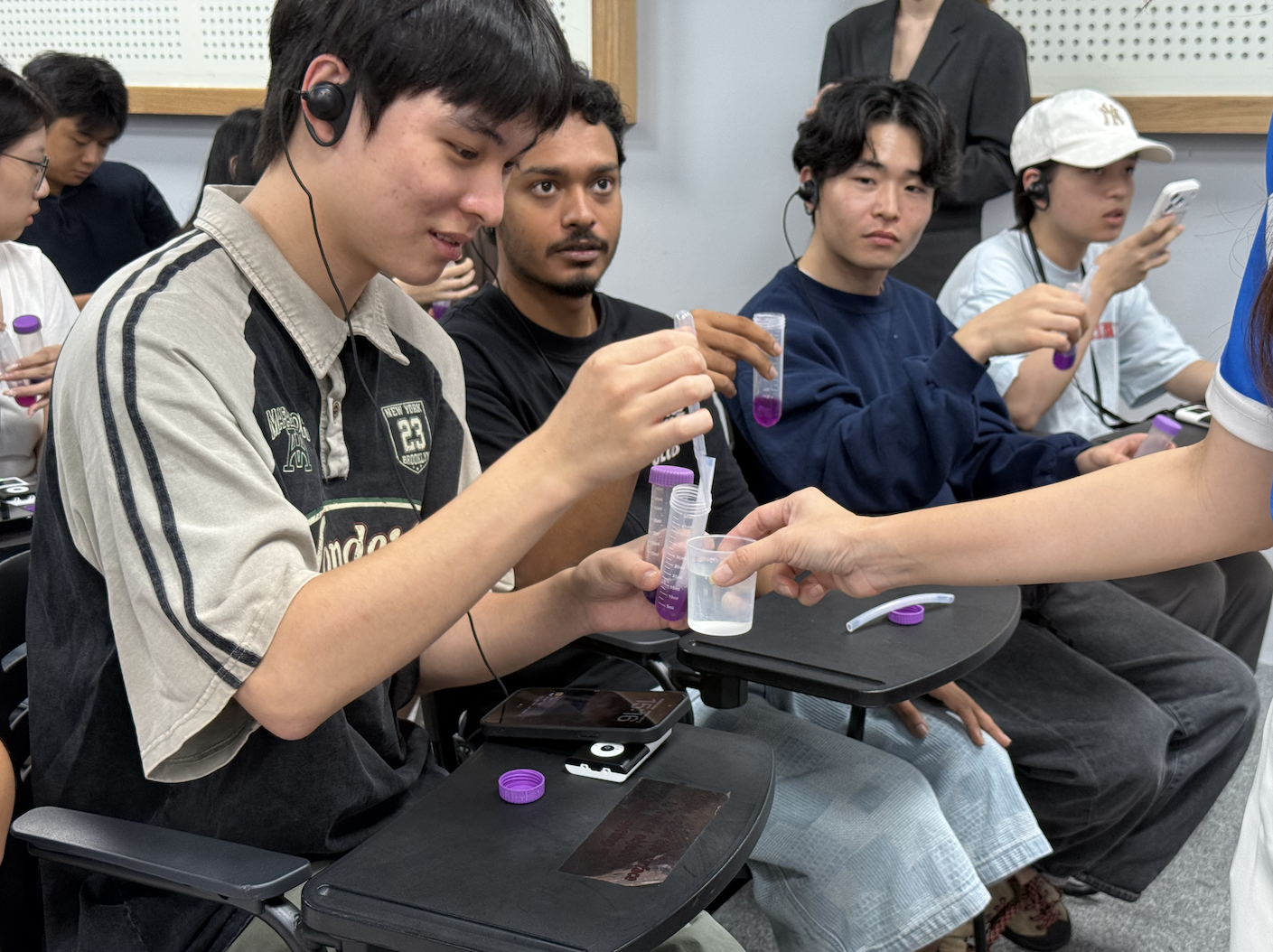
Ms. Lily extended the session with a red cabbage indicator experiment, which allowed students to observe for themselves how carbon dioxide affects water. The ocean absorbs around 30% of the carbon dioxide released into the atmosphere; when it dissolves and reacts with water, it forms carbonic acid, leading to ocean acidification. Ocean pH has fallen from about 8.2 before the industrial era to about 8.1 today, roughly a 30% increase in acidity, which leaves fewer carbonate ions available for shell-building marine life and puts the wider ecosystem at risk.
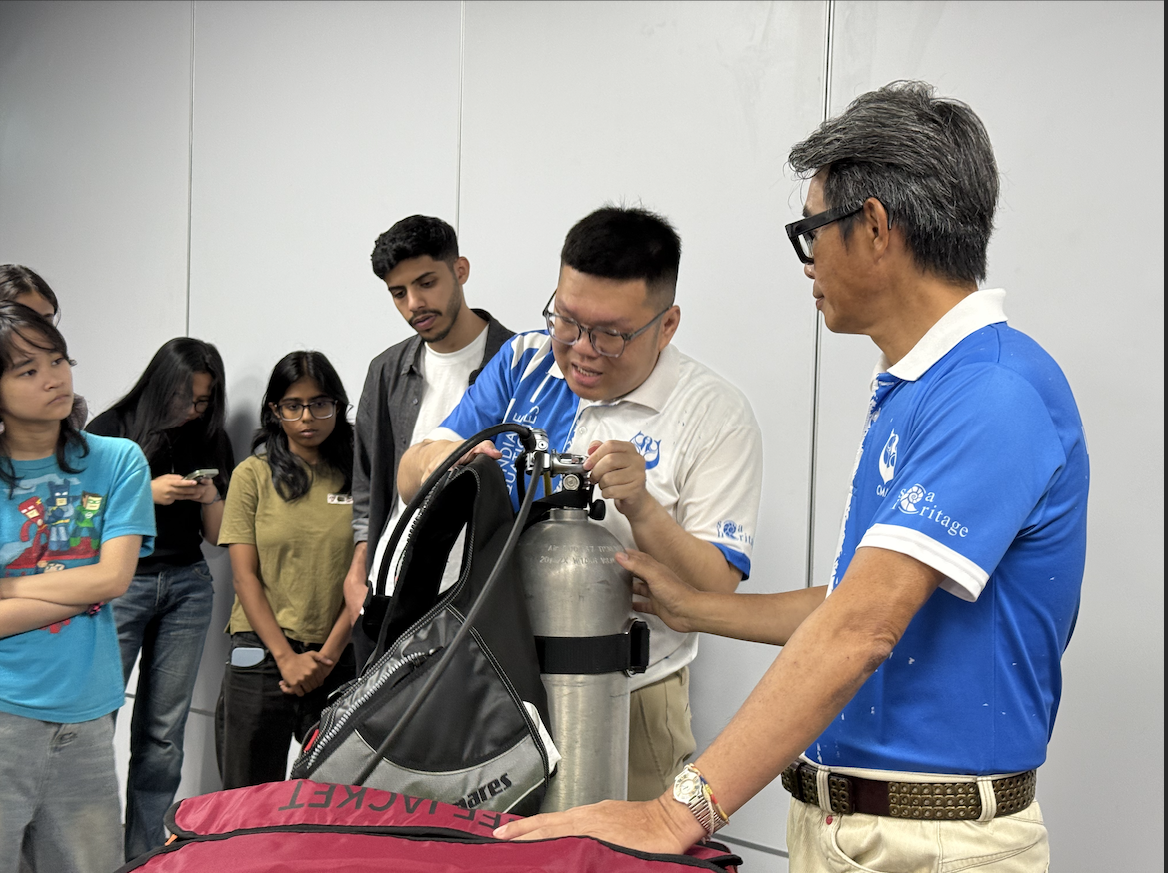
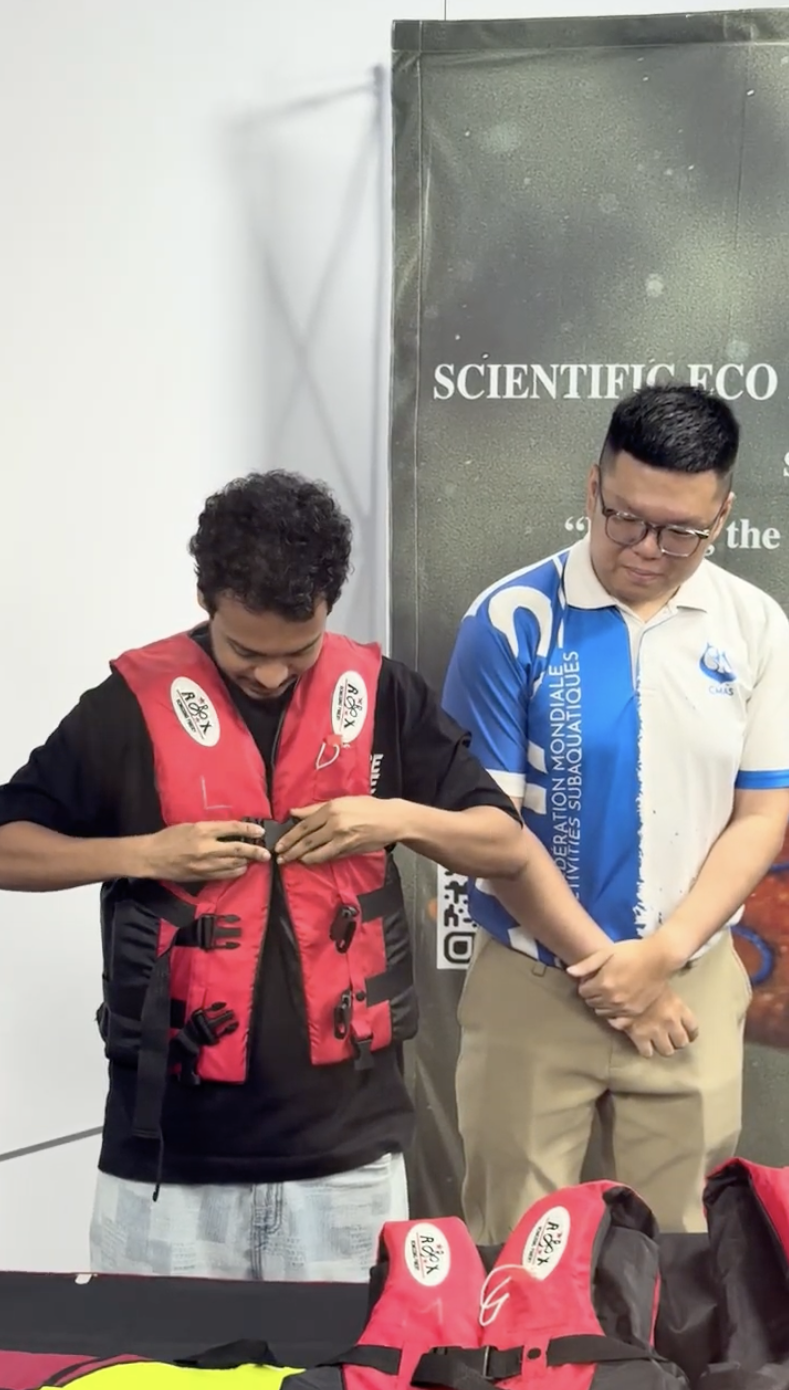
In the second session, Mr. Ng Shi Chuan (Jack), a CMAS 3-star diver, assistant coach and water safety educator with more than 300 training and recreational dives, gave students a practical introduction to water-safety and diving equipment. Participants tried on a rescue-type life jacket weighing about 25 kg and a personal flotation device (PFD) of the kind commonly used on activities such as firefly watching, learned how to wear a life jacket and diving mask properly, and had the chance to smell the air from a diving tank. Jack also shared real-life cases, including a certified diver who drowned after panicking underwater, to highlight the importance of proper training and the fact that risks remain even after certification. Due to time constraints, the session could not be completed, and the organisers hope to welcome Jack back in future collaborations.
Conclusion
The event was registration-based with a capacity of 50. A total of 47 students registered, filling 94% of the available places, and 39 attended on the day.
The event contributes to the United Nations Sustainable Development Goals, in particular SDG 14 (Life Below Water), SDG 13 (Climate Action) and SDG 17 (Partnerships for the Goals). Its concrete outcomes were hands-on science and safety experience for participating students, and a stronger understanding of how the tourism industry depends on healthy water resources and what role future tourism professionals can play in protecting them.
The event showed students that water is relevant to every field of study, and that tourism students have a role in protecting the water that their industry depends on. As the session reminded everyone, no matter which major you are taking, you cannot live without water. By encouraging citizen science and responsible behaviour, the organisers hope to help students build a better future for the ocean and the communities that rely on it.
Acknowledgements
Planning for the event began with an online pre-event meeting in August, where representatives of the PATA Malaysia Taylor’s Student Chapter, Taylor’s University and CMAS-EDIF met to plan the event for 22 October 2026.
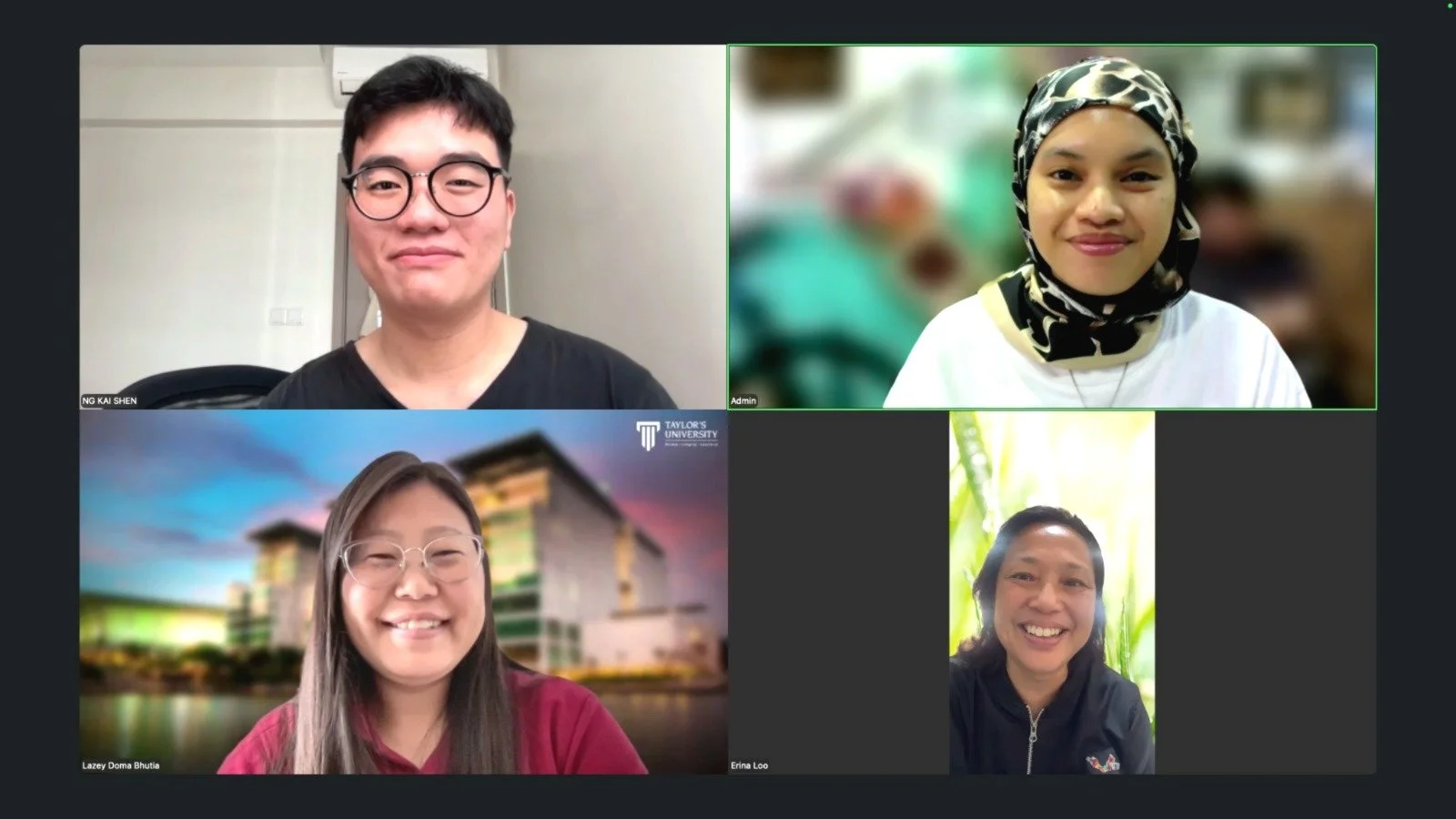
The PATA Malaysia Taylor’s Student Chapter sincerely thanks the following for making the event possible:
CMAS Malaysia Scientific Eco Dive Instructor Federation (CMAS-EDIF) – our event partner, a globally recognised organisation that works with bodies such as the International Olympic Committee, The World Games and UNESCO.
Ms. Erina Loo Siew Meng (Chairperson) and Ms. Nur Farah Ain Binti Purwanto (Secretary), CMAS-EDIF – for their partnership and support in bringing the event to Taylor’s University.
Dr. Lazey Bhutia Doma – for coordinating with CMAS-EDIF together with the chapter.
NG Kai Shen, President, PATA Malaysia Taylor’s Student Chapter – for leading the organisation of the event.
About PATA Malaysia Taylor’s Student Chapter
The PATA Malaysia Taylor’s Student Chapter is a student chapter of the Pacific Asia Travel Association (PATA) based at the School of Hospitality, Tourism and Events (SHTE), Taylor’s University. It gives students in SHTE opportunities to connect with industry and experts, develop leadership skills and take part in initiatives that promote responsible and sustainable travel and tourism.
Instagram: https://www.instagram.com/patasc_my
LinkedIn: https://my.linkedin.com/company/pata-mtsc
Facebook: https://www.facebook.com/PATA.MTSC/
Prepared by:
NG Kai Shen
President, PATA Malaysia Taylor’s Student Chapter
Email: kaishen.patamtsc@gmail.com