
Gyeongsangbuk-do 경상북도
A breathtaking blend of Korea (ROK)’s Culture Warehouse and its visionary Golden Future
Gyeongsangbuk-do 경상북도
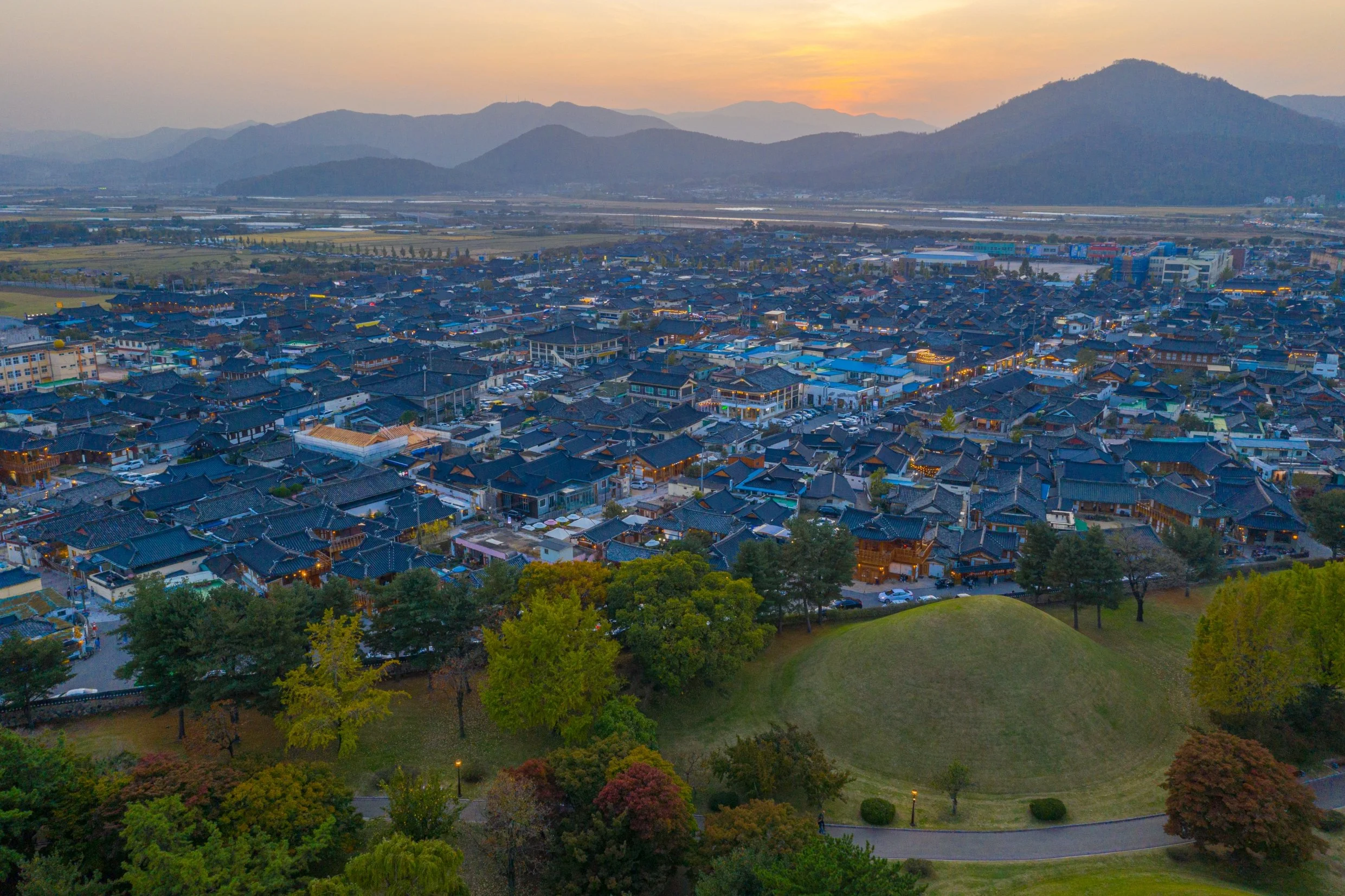
Gyeongsangbuk-do (Gyeongbuk) is the spiritual heart of Korea (ROK). As the birthplace of the Silla Kingdom, this province serves as a vast Culture Warehouse, safeguarding the nation's most iconic UNESCO World Heritage sites and a thousand years of royal tradition. Beyond its storied past, Gyeongbuk is a gateway to a Golden Future. It offers a seamless journey where the deep historical roots in Gyeongju meet the futuristic coastal innovation of Pohang. Experience the perfect harmony of Korea (ROK)’s profound legacy and its visionary tomorrow.
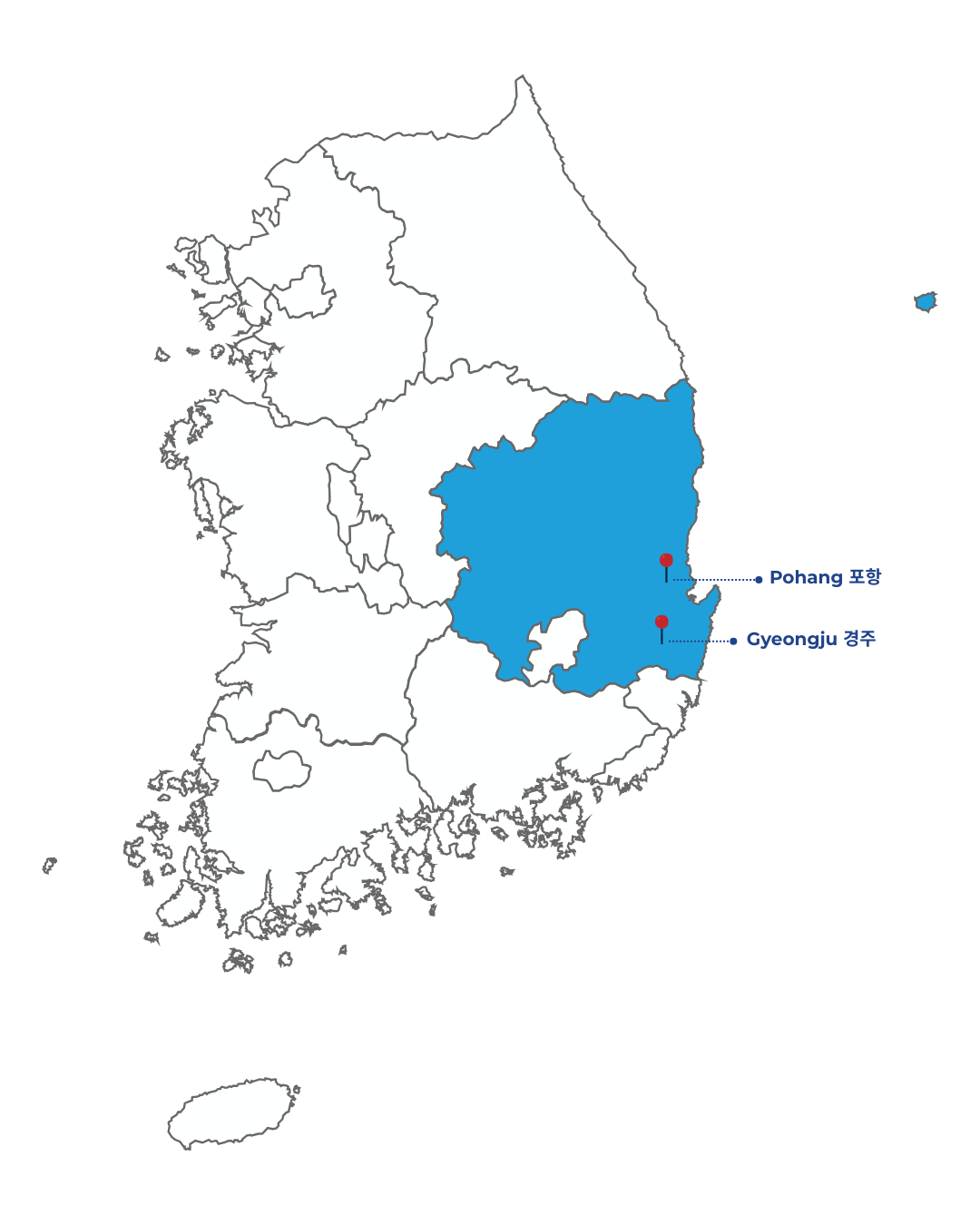
Gyeongju 경주
The museum without walls, a city without skyscrapers
As a UNESCO-designated city, Gyeongju is a rare place where the old and new come alive together. Once the capital of the Silla Dynasty for nearly a thousand years, the city is like a living library of Korea’s cultural heritage. Step into Gyeongju to experience its blend of past and present for yourself.
History You Walk Through
To truly understand Gyeongju’s “Newtro” spirit, look at how the city brings its long history into everyday life. Old neighbourhoods have transformed into lively cultural areas, where traditional hanok buildings meet modern cafés and shops. In Gyeongju, you don’t just see history, but you experience it while having coffee, shopping, and exploring. Here are some places where the past and present come together beautifully
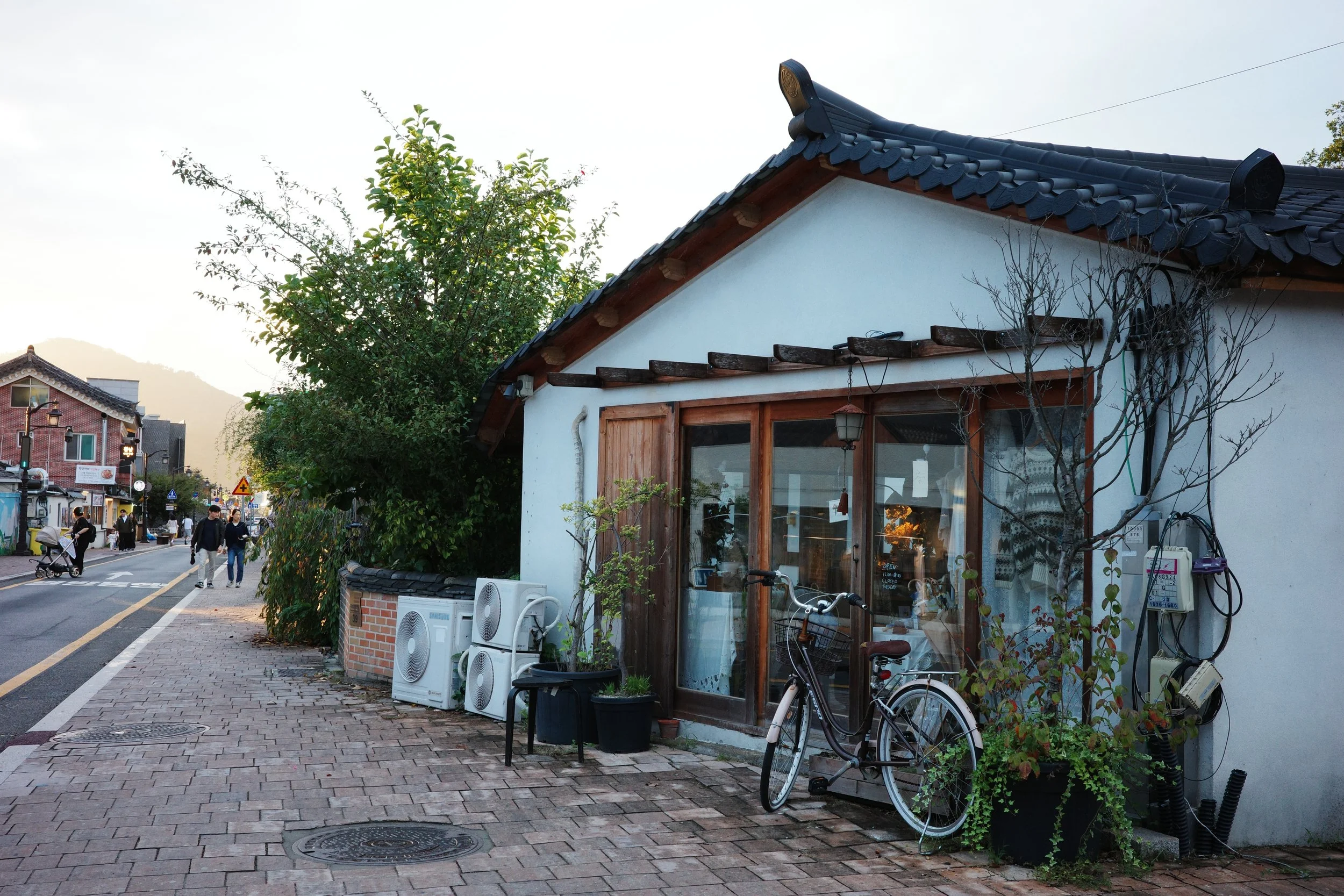
Hwangridan-gil Street
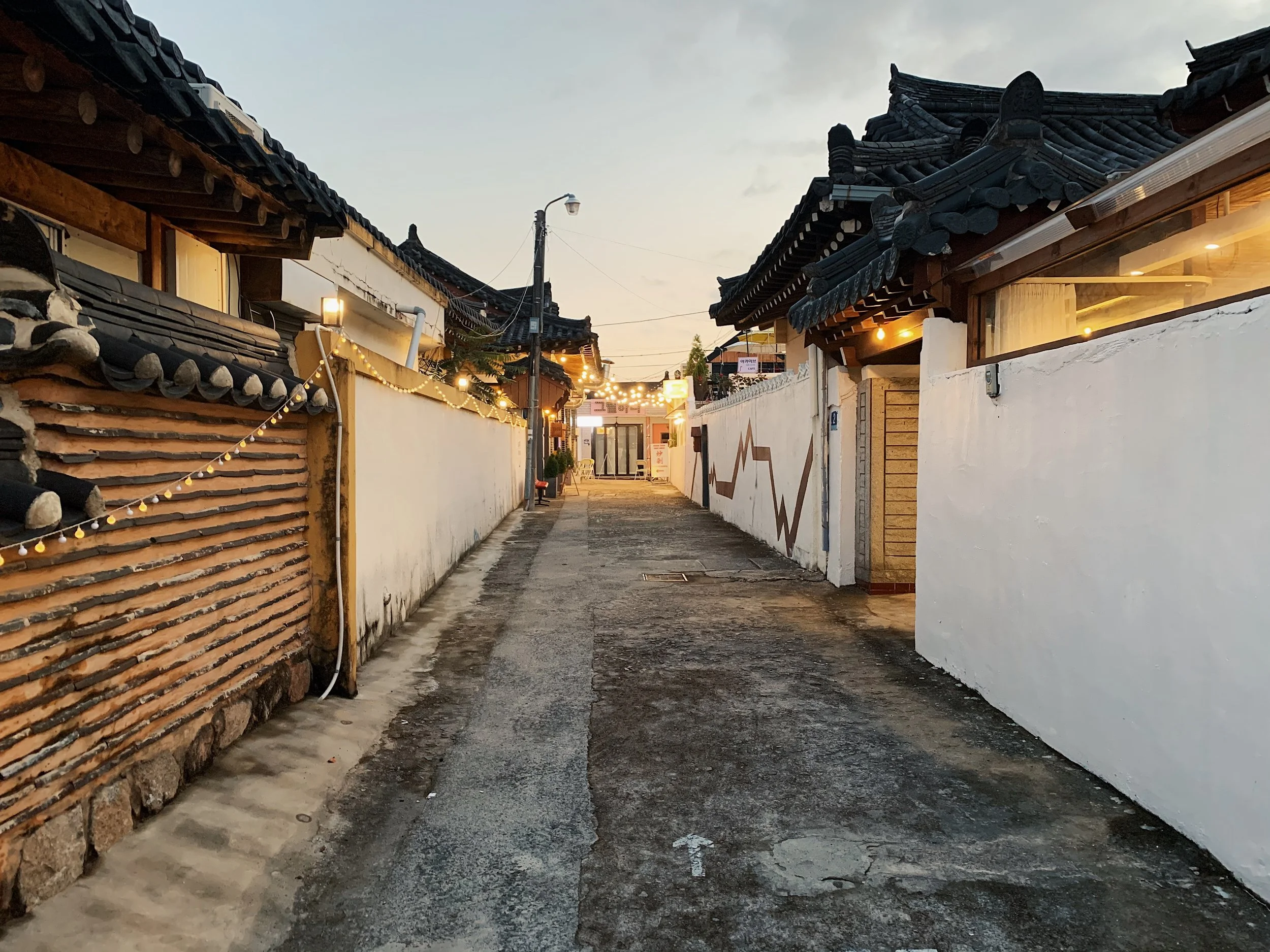
Hwangridan-gil is the heart of Gyeongju’s Newtro revolution. It’s a place where old buildings from the 1960s and 70s effortlessly harmonise with the new, creating a street that feels both nostalgic and totally “now.” Walking through the modern stores housed under traditional hanok roofs, you can truly feel the city’s trendiest hotspot. Don’t forget to try the famous 10 Won Bread (for that perfect cheese pull) and the addictive, spicy-sweet Hwangnam Jjondeugi!
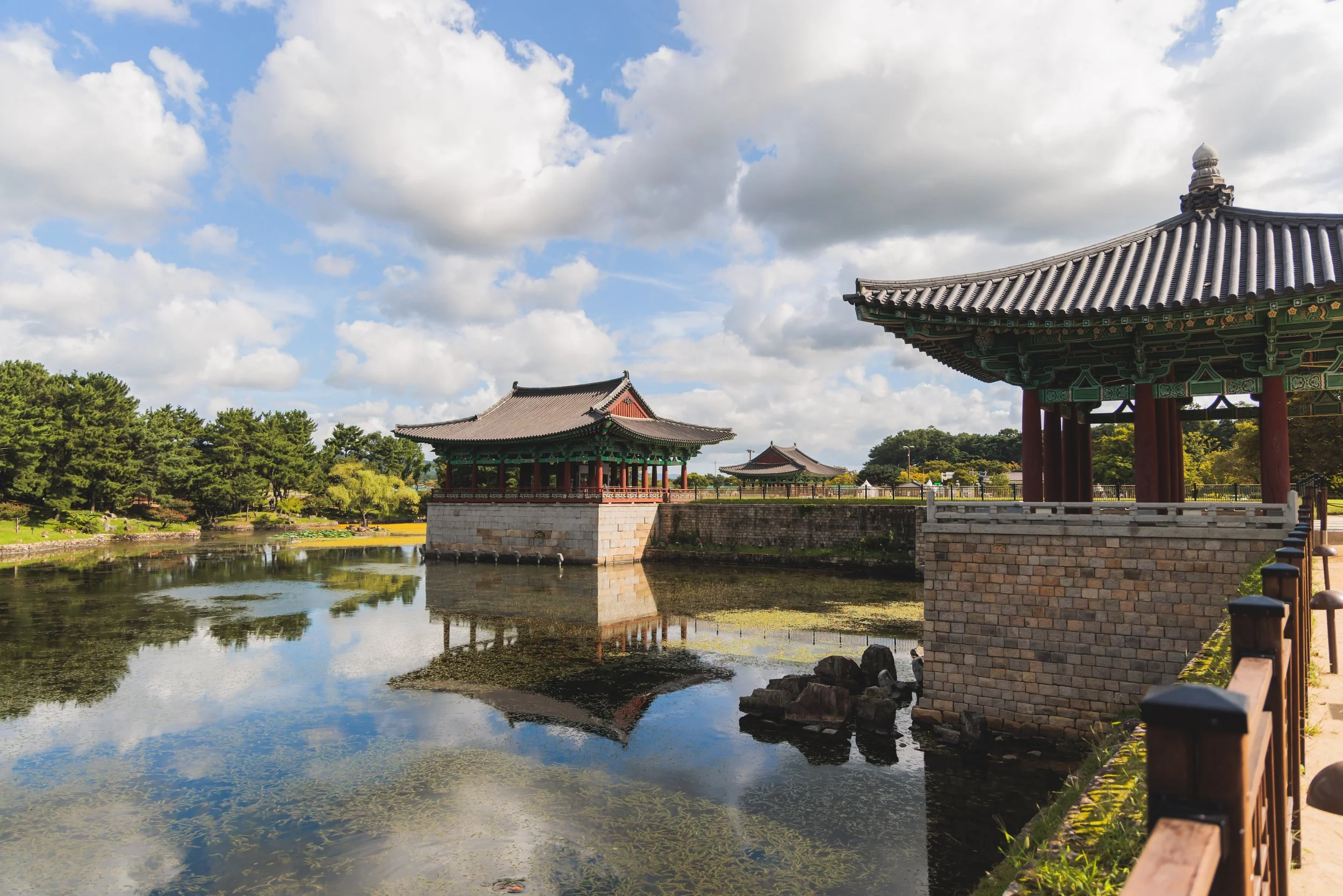
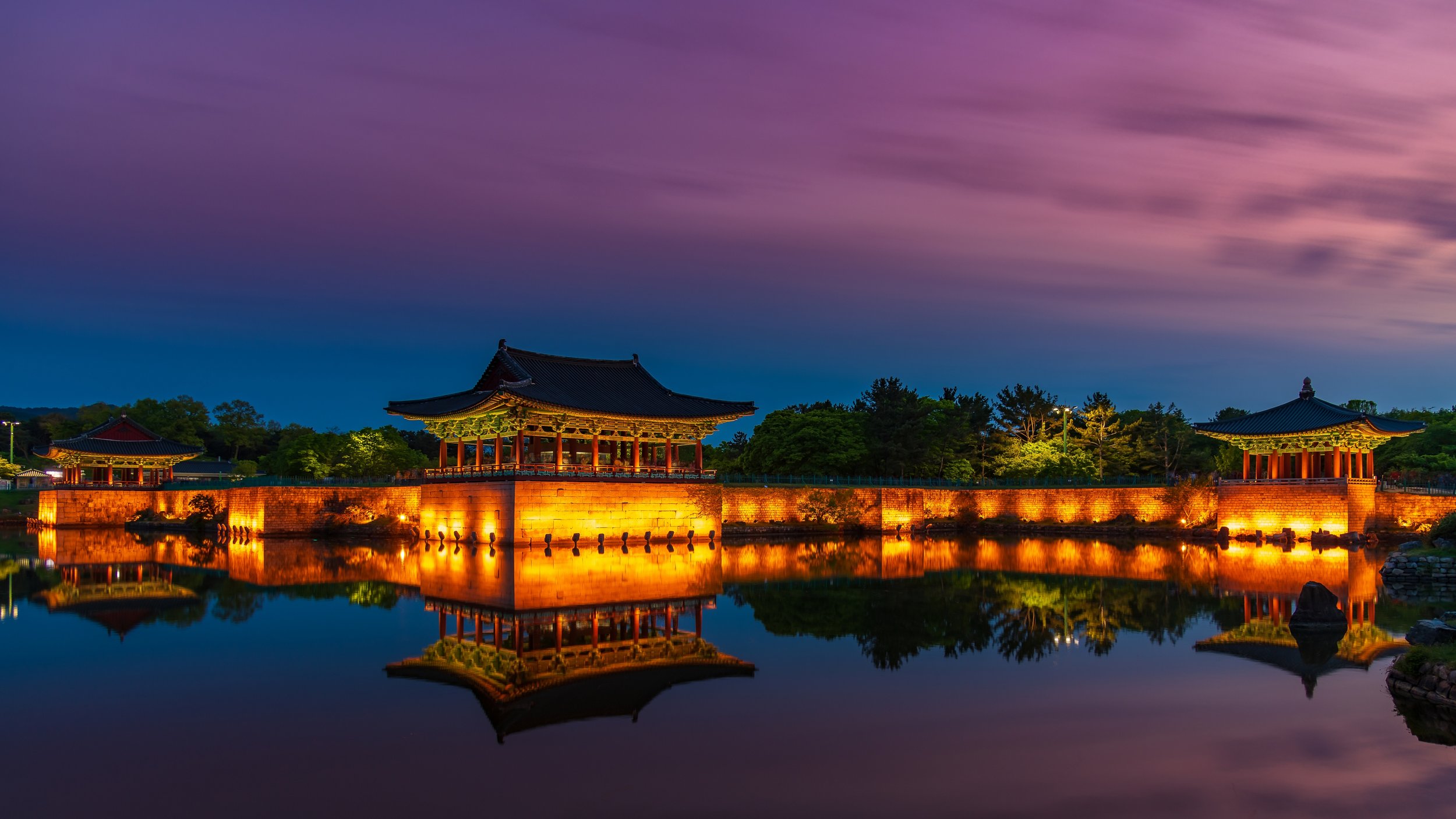
Donggung Palace and Wolji Pond
Donggung Palace once served as a secondary palace during the Silla Kingdom, where the crown prince lived. Today, the beautifully restored structures shine even more at night, thanks to soft LED lighting that creates a golden, cinematic atmosphere. The reflection of the palace on Wolji Pond is especially stunning, making this spot one of the most photogenic places in Gyeongju. Check out the mirror effect that reflects the palace perfectly!
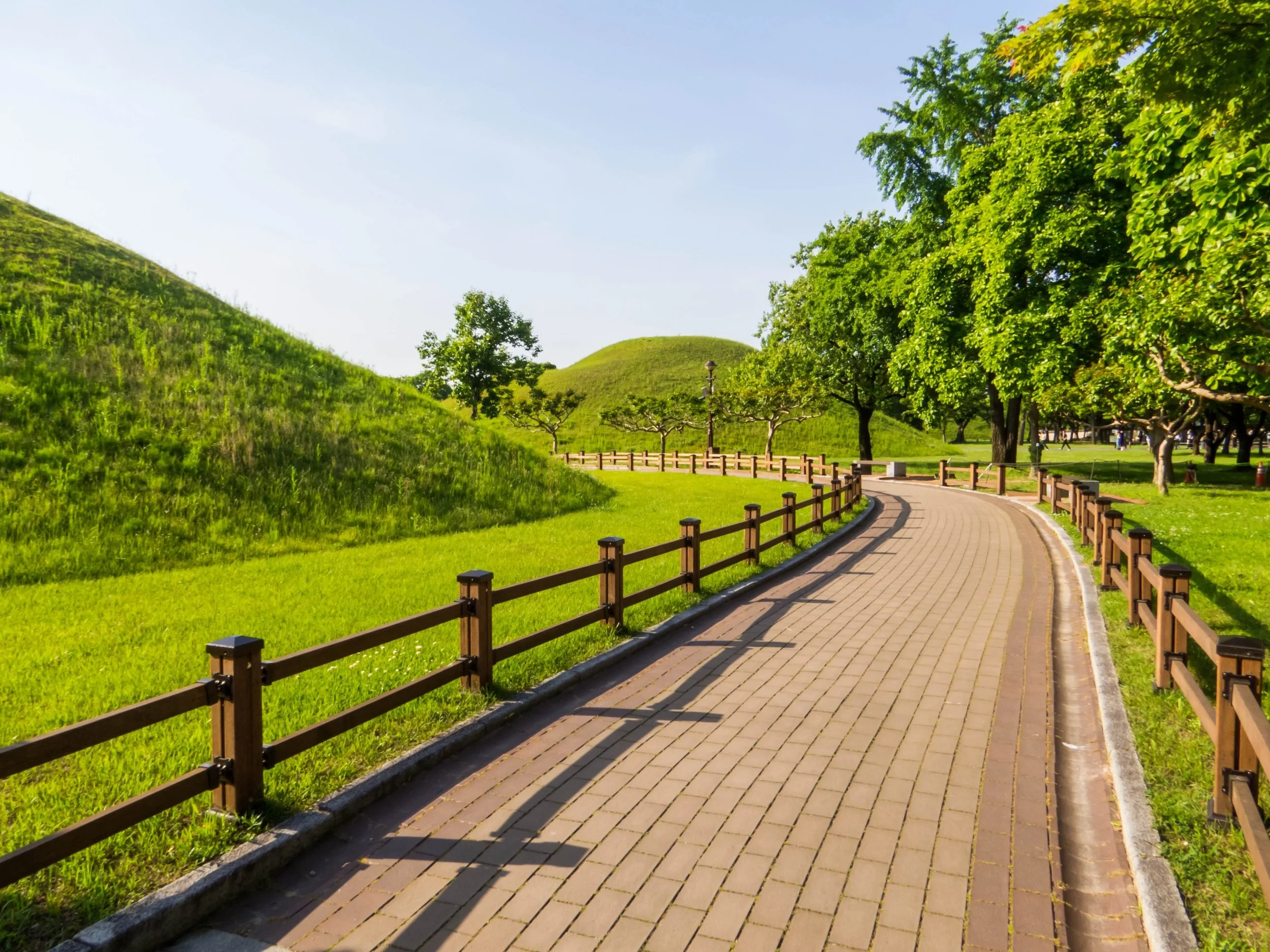
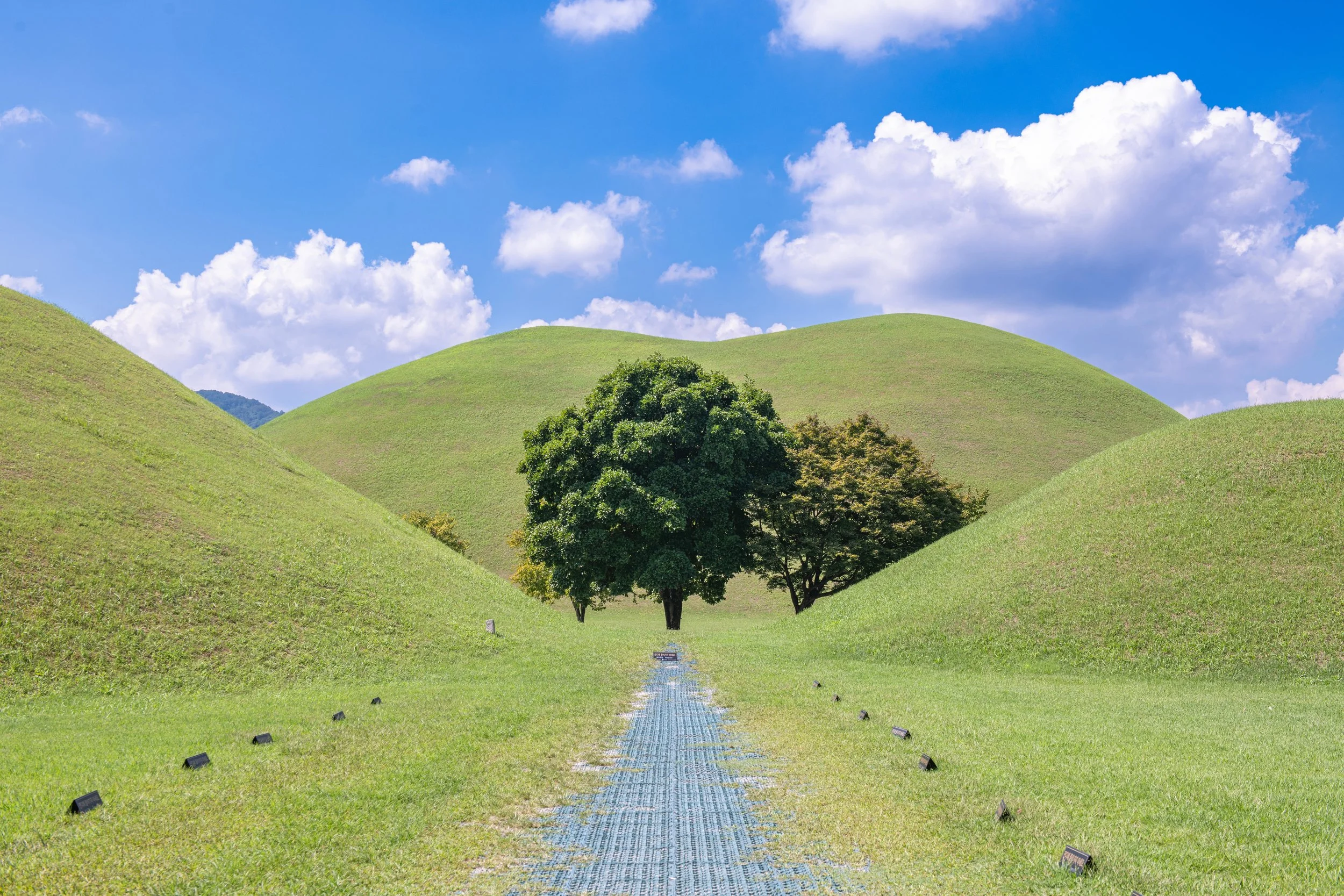
Daereungwon Tomb Complex
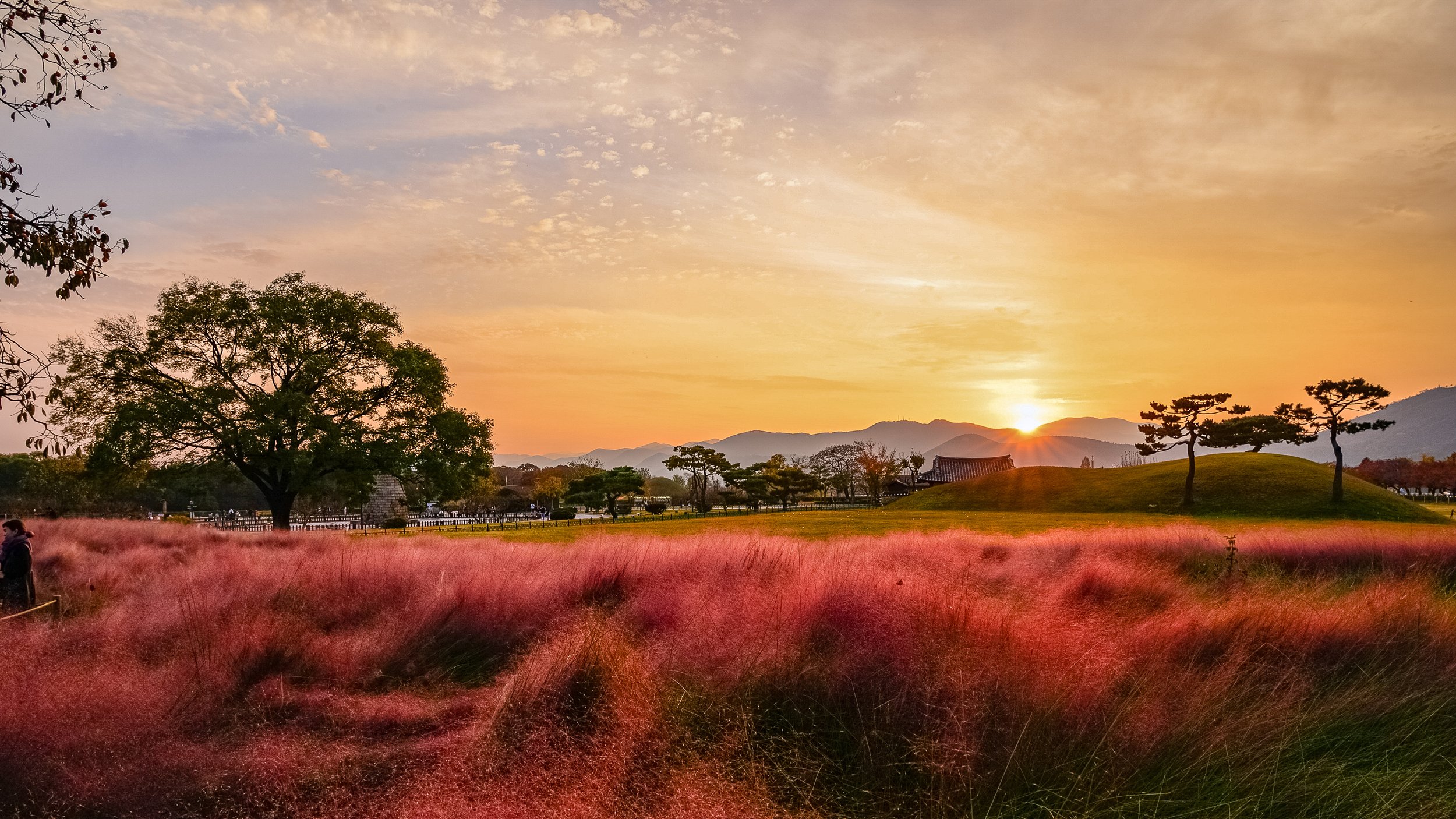
Daereungwon provides a unique way to experience Gyeongju’s royal past. Instead of museum walls and glass cases, history appears as gentle green hills spread across an open park. These grassy mounds are actually royal tombs, yet today they have become a popular place for walks, photos, and quiet breaks. At Cheonmachong, the only tomb open to the public, visitors can step inside and see its hidden treasures from the past.
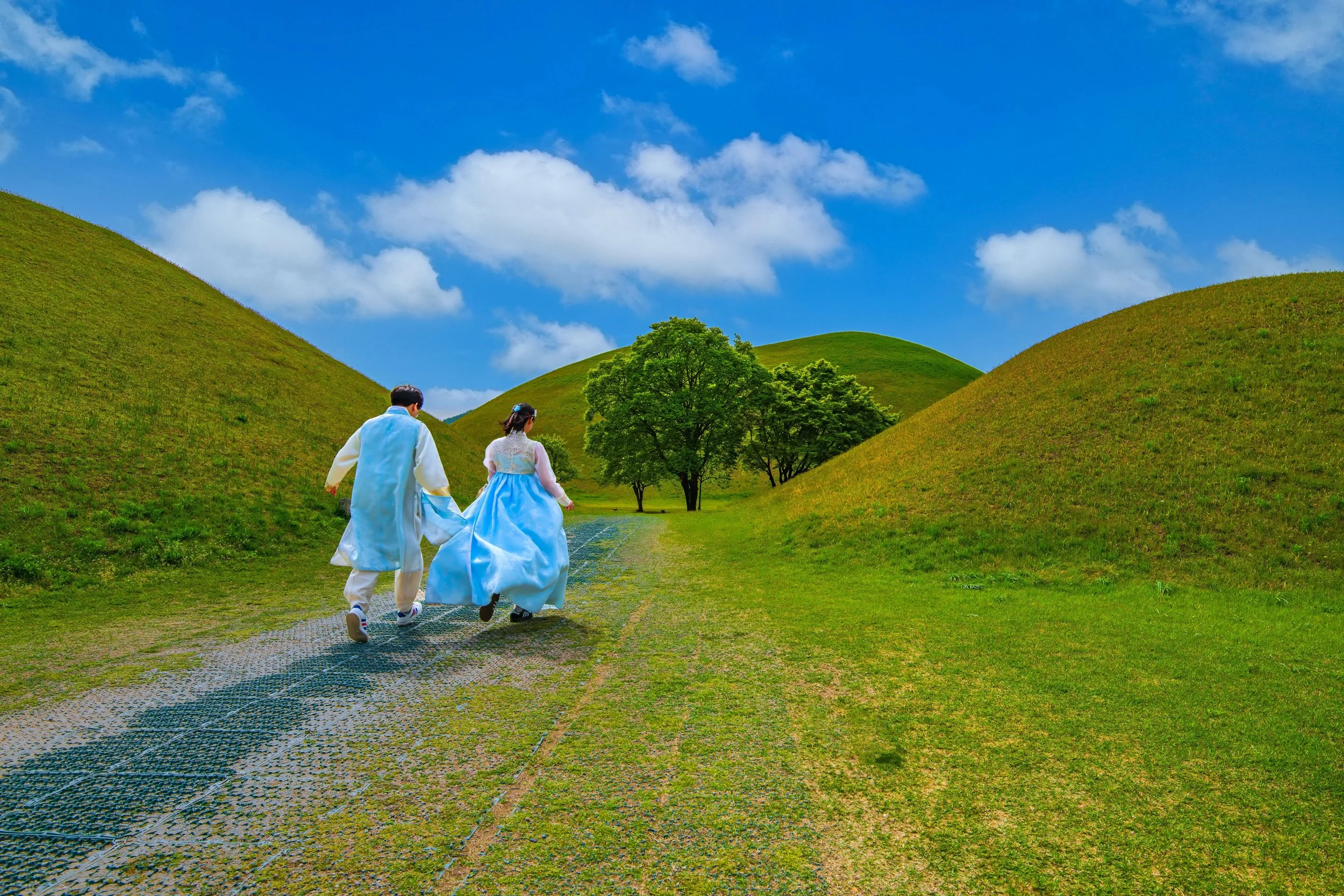
Complete your visit to Hwangridan-gil Street and Daereungwon Tomb Complex with:
Silla Hanbok Experience
Trying on hanbok is a popular activity in Korea, but in Gyeongju, you can enjoy a slightly different style. Here, many rental shops offer Silla-inspired hanbok, known for their simpler and more elegant designs compared to the familiar Joseon style. Of course, Joseon hanbok is also available if that’s what you prefer. With rental stores around Hwangridan-gil and Daereungwon, it’s easy to dress up, take photos, and wander through the city at your own pace.
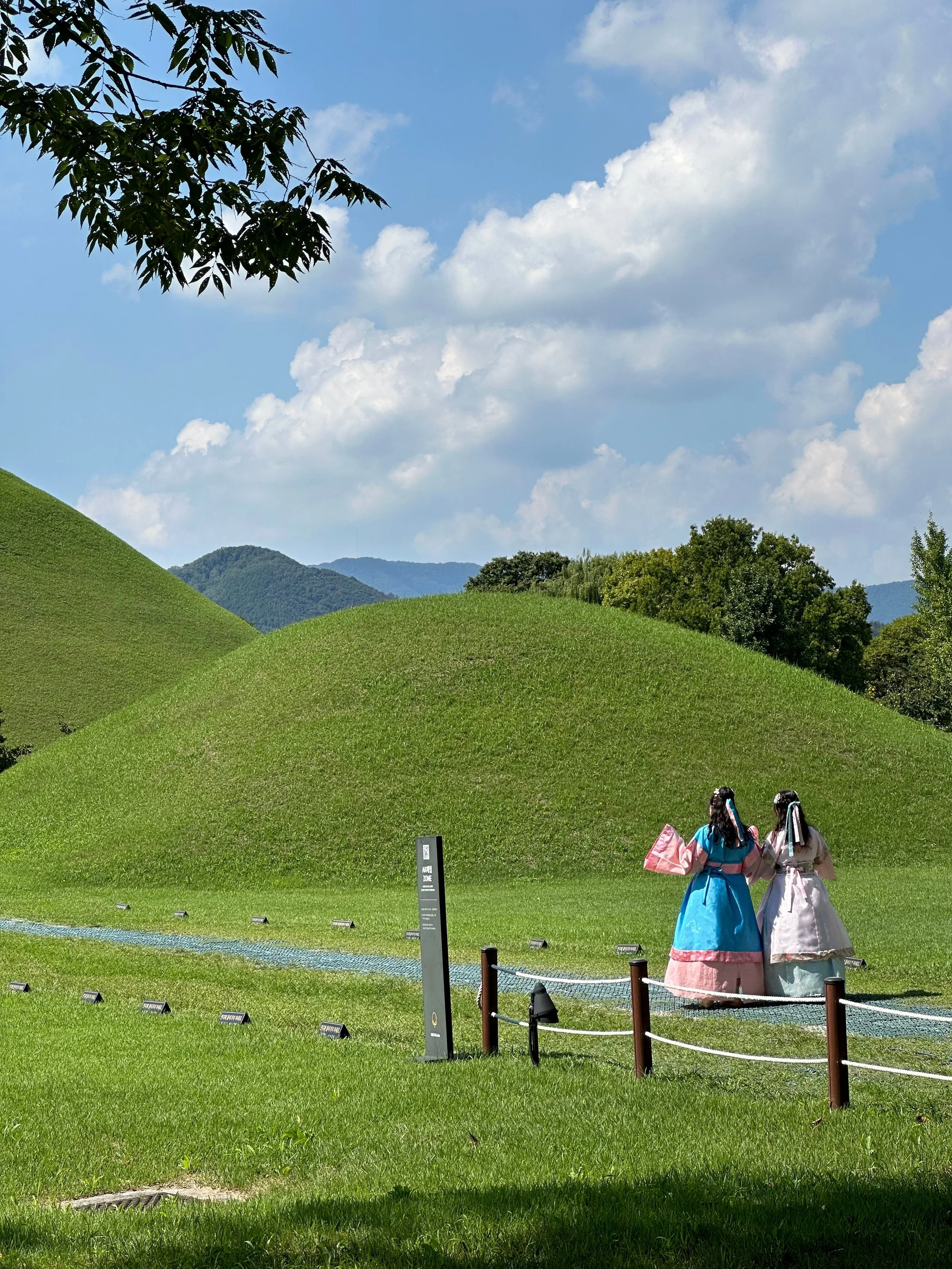
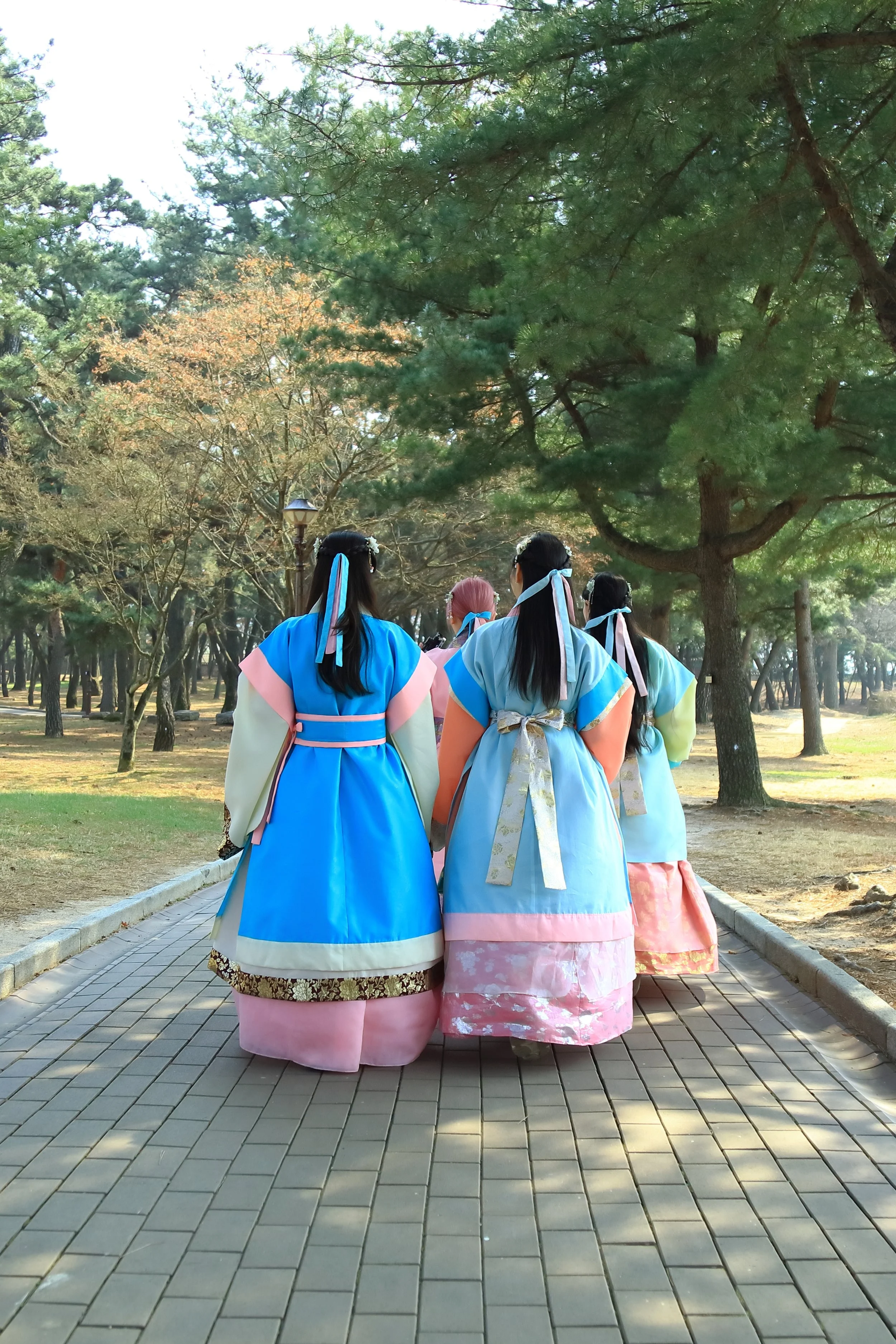
📍Popular Shops to Look For
Gyeongju Hanbokpan: Centrally located on Hwangridan-gil; known for a huge variety of modern and Silla styles.
Hanboknam: A nationally famous brand on Hwangnidan-gil Street, offering a vast selection of over 500 outfits and high-efficiency service.
Doldam-gil Hanbok: Very close to the stone wall paths of Daereungwon, making it convenient for immediate photos.
Ipgonnolja: A newer shop (opened in 2024) that focuses specifically on high-quality Silla-era costumes and fusion designs.
Kkot-gil Hanbok: Stand out for its specialized "Fusion" designs and its reputation for a more personalized, less rushed atmosphere.
There are several nearby places to walk through history in the Gyeongju Daereungwon Ancient Tomb Complex:
-
![]()
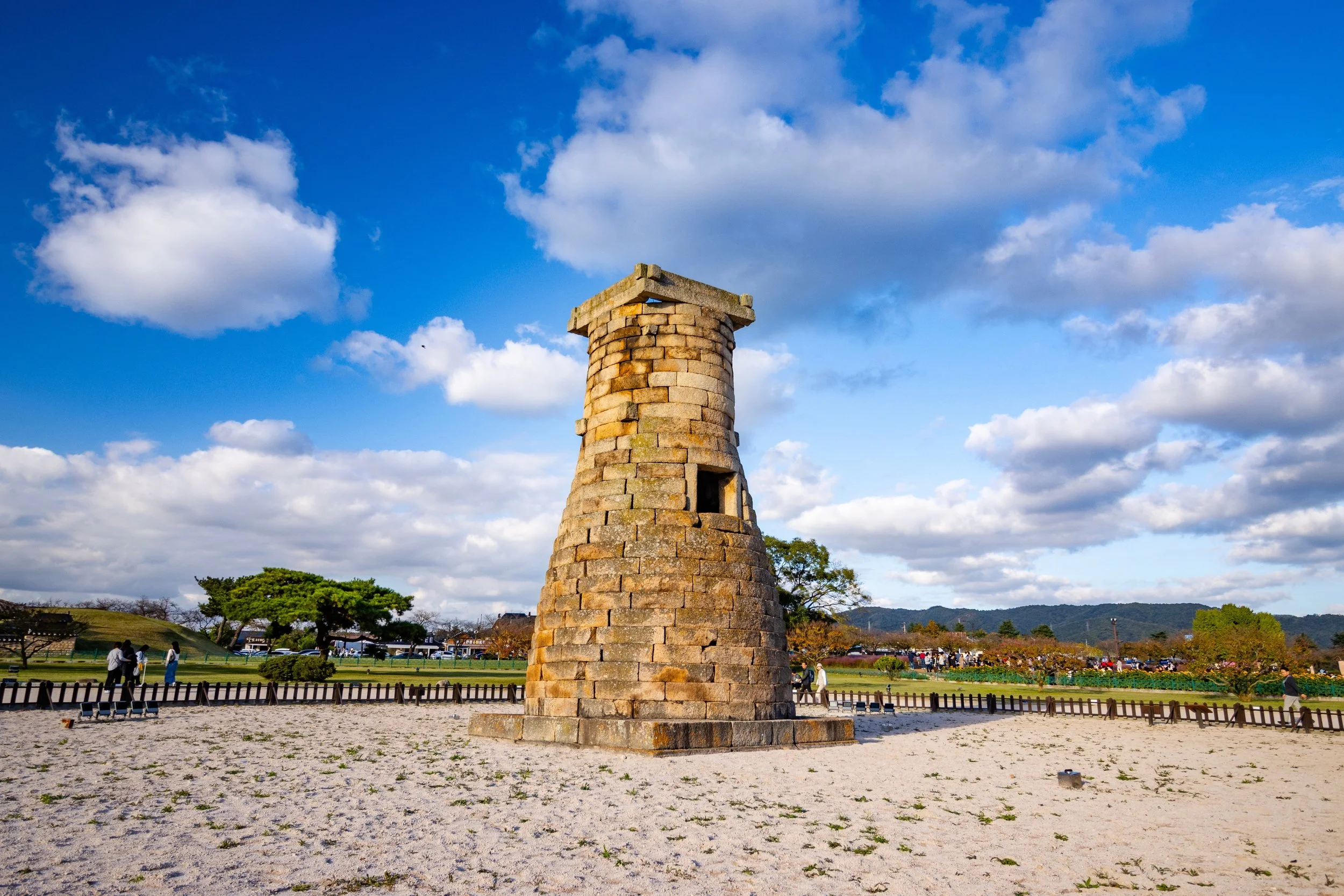
Cheomseongdae Observatory
Recognised as the oldest astronomical observatory in Asia, Cheomseongdae is a brilliant example of Silla-era engineering. Its design reflects the sophisticated scientific mind of the Silla people, where every stone layer and block carries a hidden symbolic meaning.
-
![]()
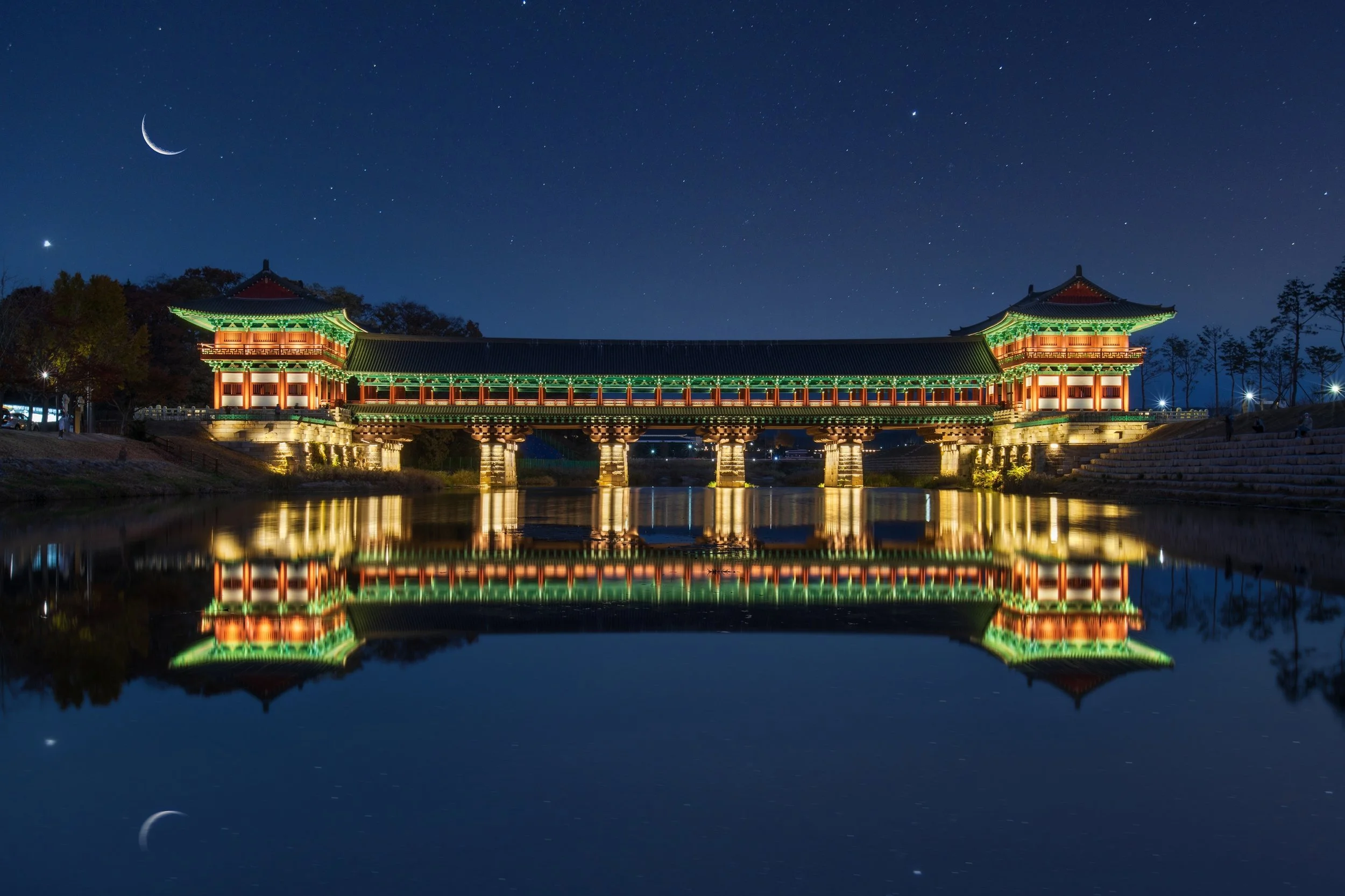
Woljeonggyo Bridge
Rather than simply crossing the bridge, many visitors choose to stay here at Woljeonggyo Bridge. As evening falls, people sit along the wide wooden structure or nearby riverbanks, waiting as the lights slowly turn on and stretch across the water. Once connecting the royal palace to Namsan Mountain, it is a place where people pause for a while, sit quietly, and simply let the moment pass.
-
![]()
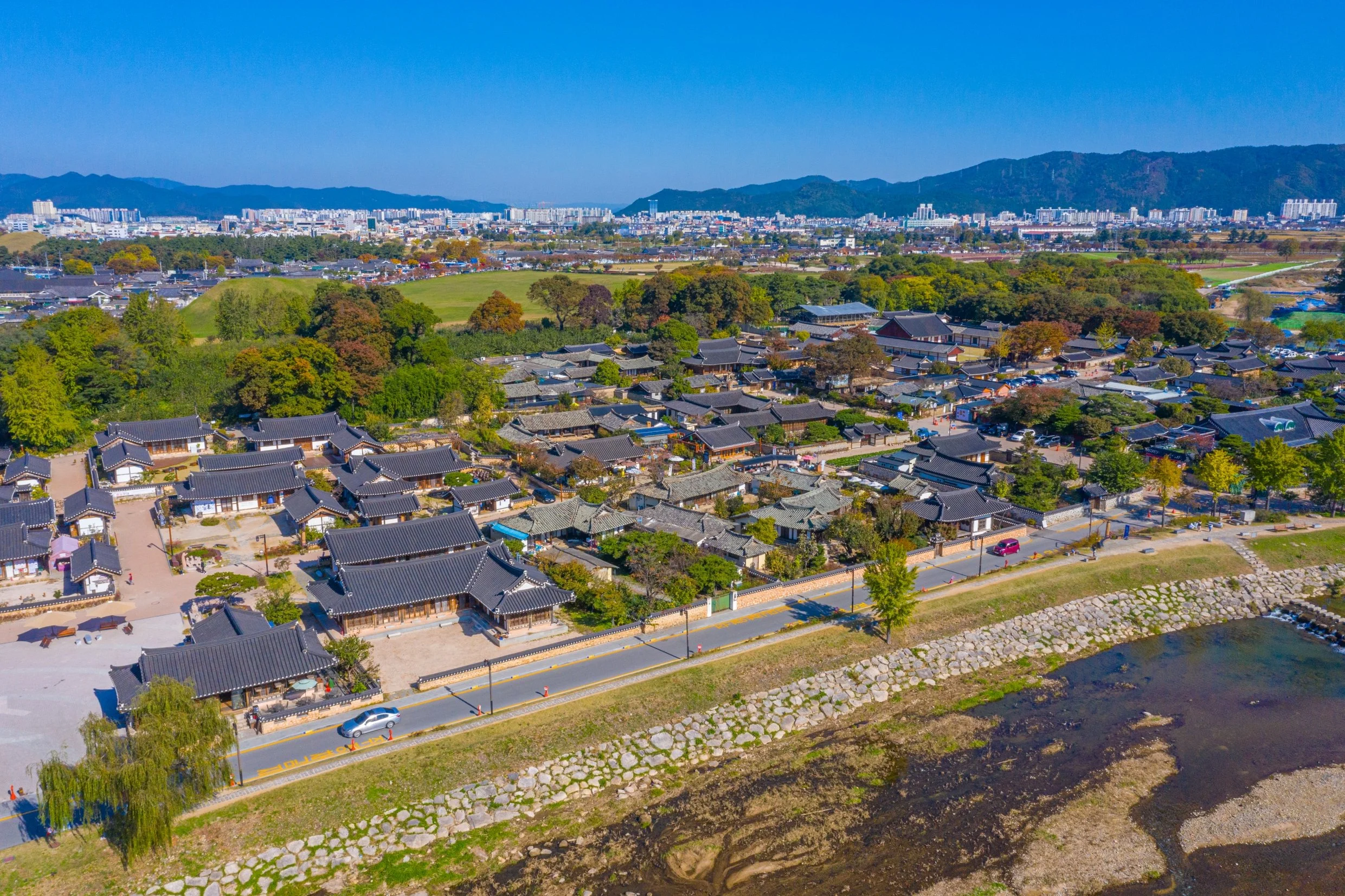
Gyochon Village
Gyochon Village was once home to a Confucian school and is now preserved as a folk cultural education space. Within the village stands the old house of the Choe family, known for its spirit of noblesse oblige. The quiet courtyards and modest structures reflect this spirit, offering visitors a peaceful place to slow down and reflect on what responsibility once meant.
-
![]()
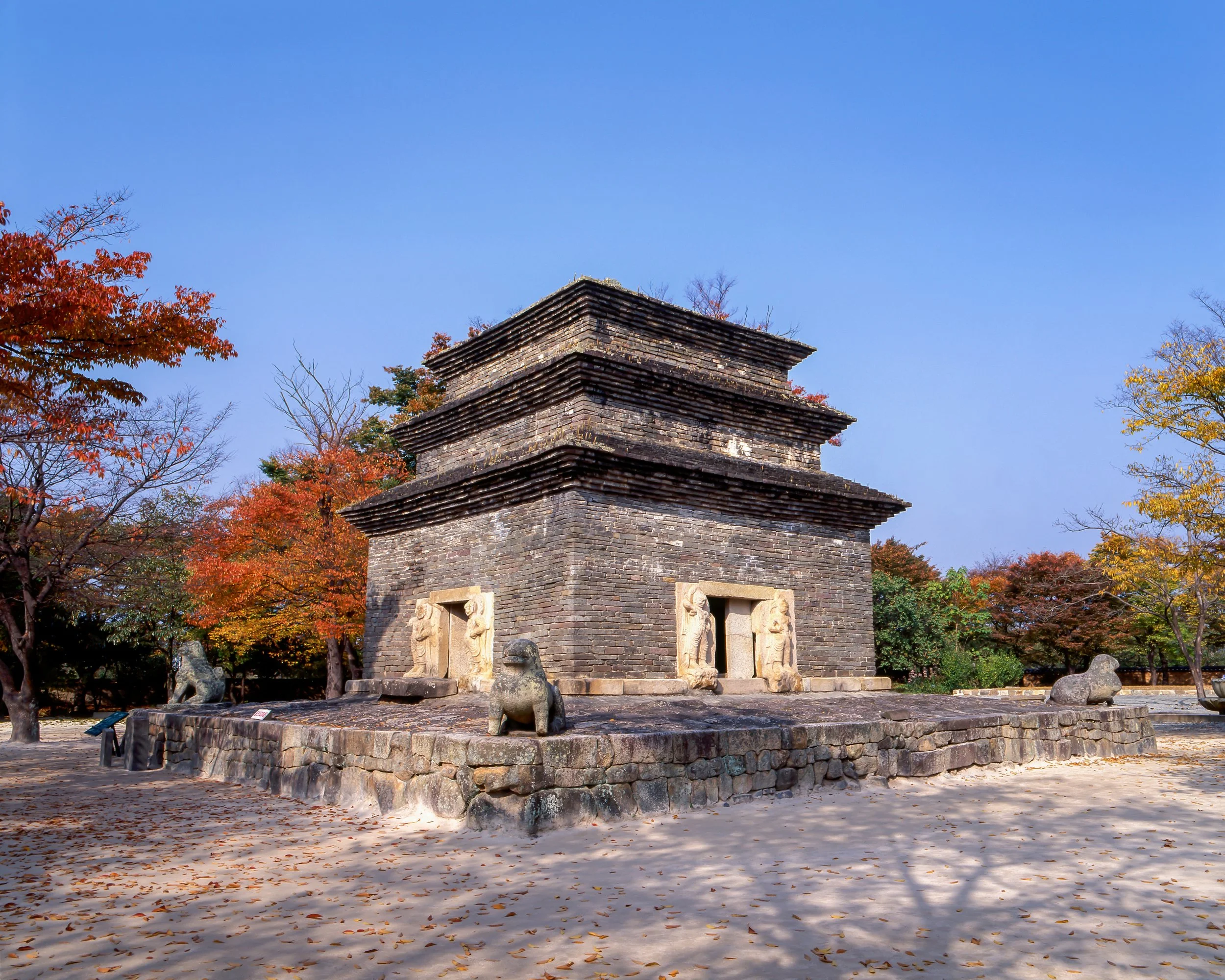
Bunghwangsa Temple
Established in 634 AD during Queen Seondeok’s reign, Bunhwangsa Temple was one of the major Buddhist temples of the Silla Kingdom. It was once a spiritual center for renowned monks such as Wonhyo and Jajang. The temple is home to National Treasure No. 30, the Stone Brick Pagoda—the oldest pagoda of the Silla era, crafted from stone to resemble brickwork. Today, Bunhwangsa stands as a lasting symbol of Silla’s religious devotion and artistic achievement.
-
![]()
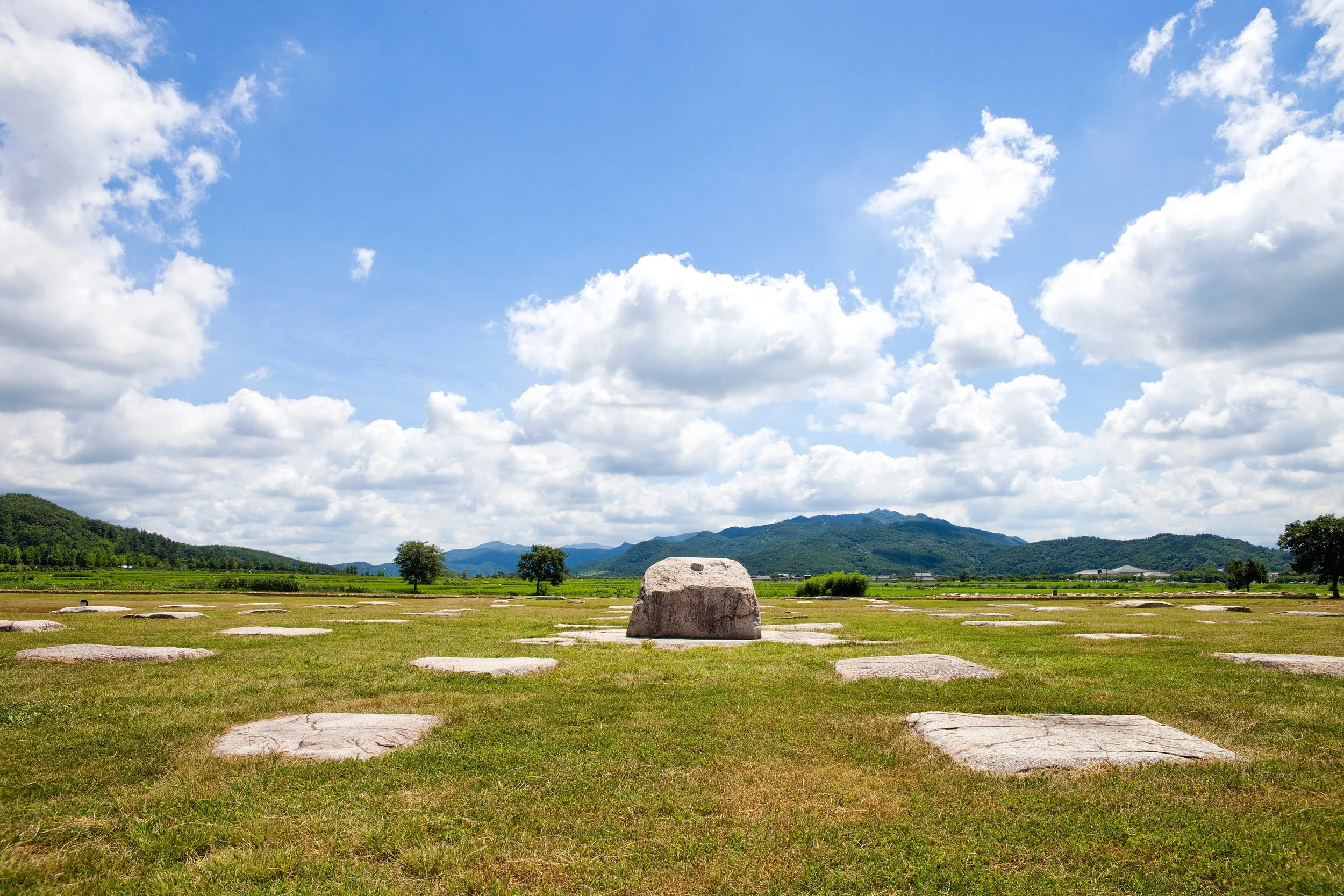
Hwangnyongsa Temple Site
The Hwangnyongsa Temple Site was once Korea (ROK)’s largest and most magnificent Buddhist sanctuary. Built between 553 and 645 AD, legend says a palace was originally planned for the site until a yellow dragon appeared, leading to the replacement of a Buddhist temple. It formerly housed two of Silla’s three greatest national treasures: the nine-story wooden pagoda and a sixteen-foot-high statue. Today, the site reflects the Silla belief that their kingdom was a sacred land of the Buddha.
-
![]()
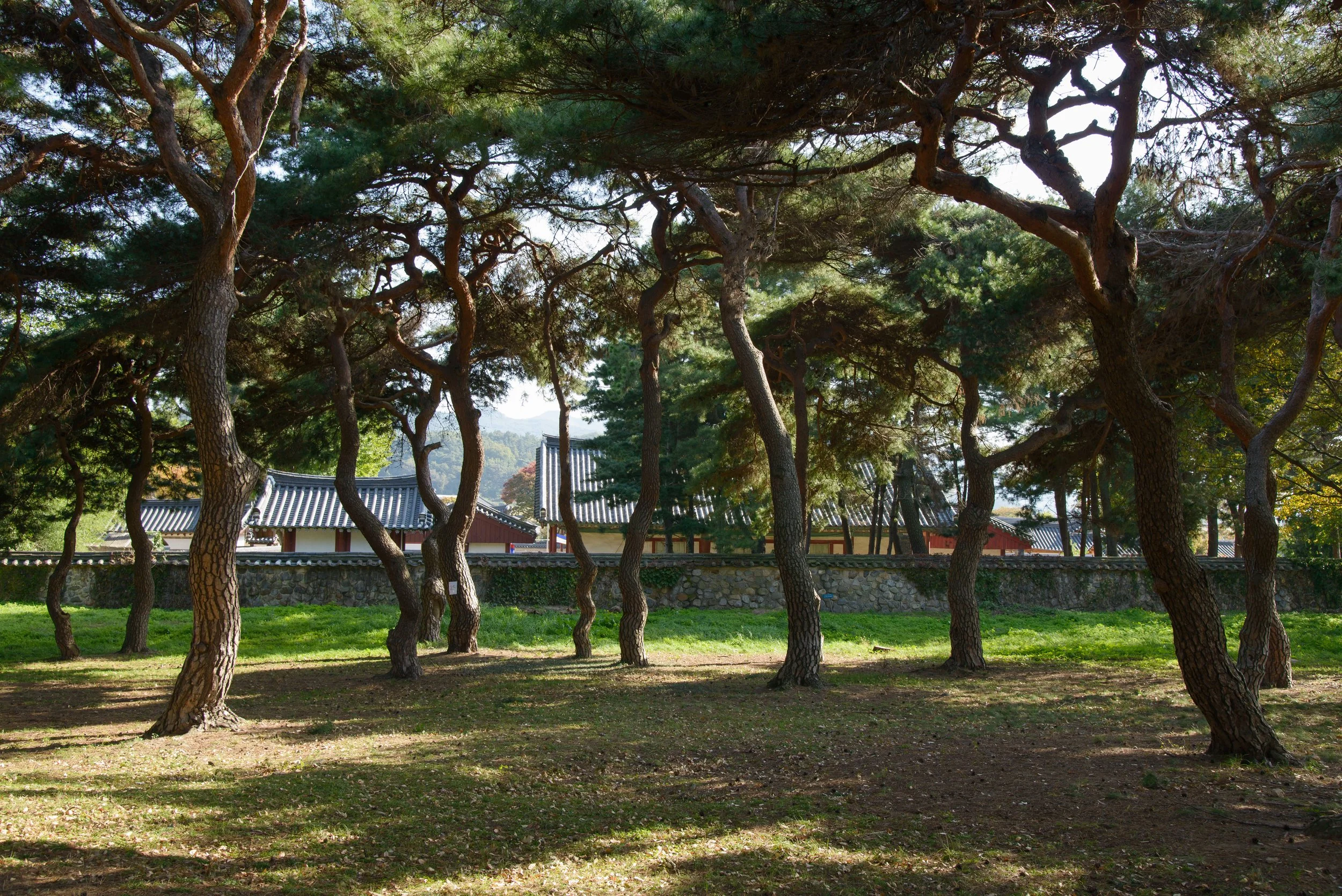
Gyerim Forest
Gyerim Forest is a mystical woodland with over 2,000 years of history. It is known as the legendary birthplace of Kim Al-ji, the progenitor of the Gyeongju Kim clan. According to legend, a golden chest was discovered hanging from a tree after a rooster’s crowing led someone deep into the woods. Inside was a young boy, Kim Al-ji, who later founded one of Silla’s most powerful royal lineages. Today, the forest’s ancient trees and tranquil atmosphere make it a peaceful escape for visitors.
-
![]()
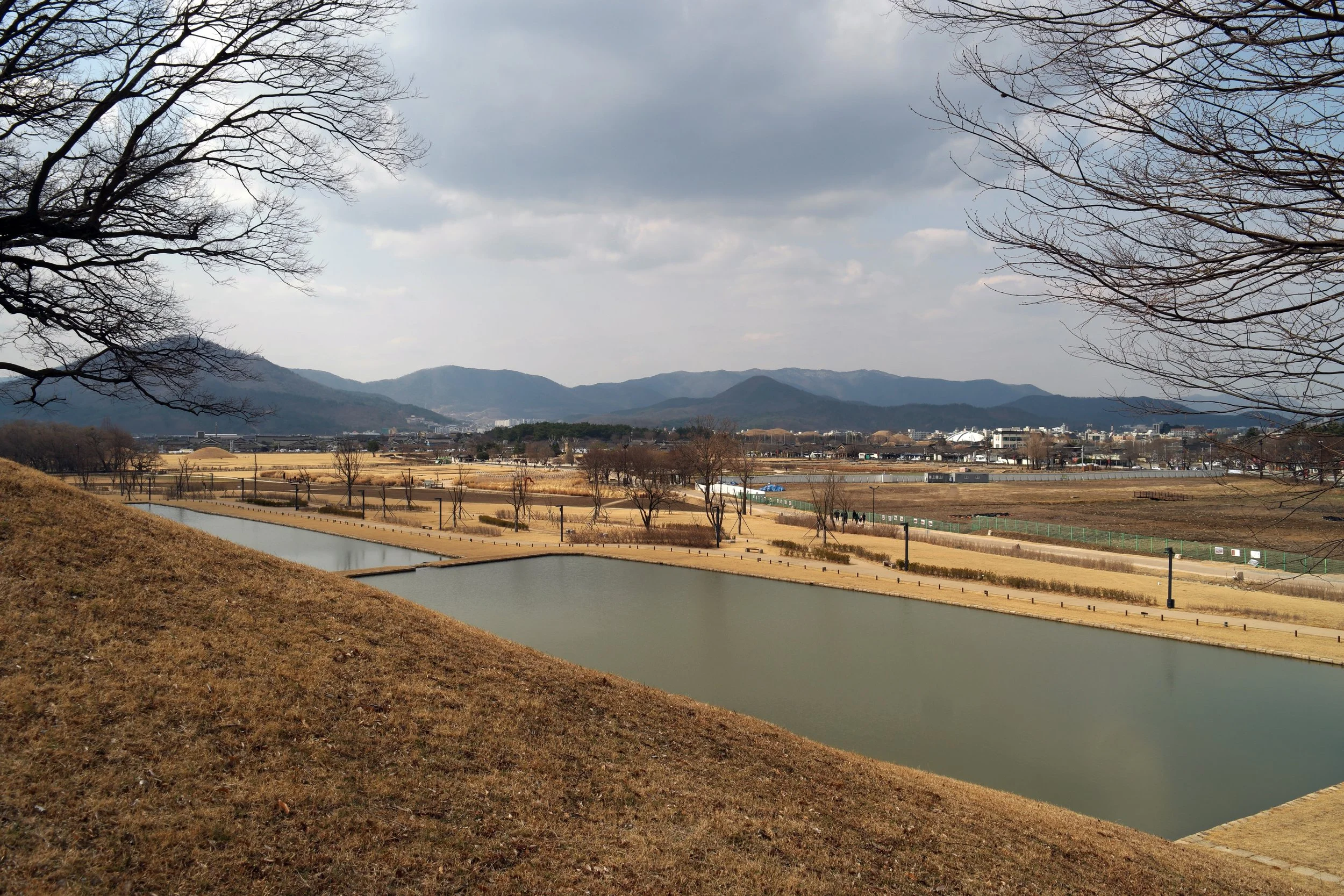
Wolseong Fortress
Once the royal heart of the Silla Dynasty, Wolseong Fortress served for centuries as the site of the magnificent king’s palace and was known by names such as Banwolseong, Sinwolseong, and Jaeseong. While the original palace structures have faded into history, the site still offers glimpses into the past. Remains include a stone ice storage facility built during the reign of Joseon’s King Yeongjo, sections of the natural fortress wall, and Haeja, a defensive pond that once surrounded and protected the royal palace.
-
![]()
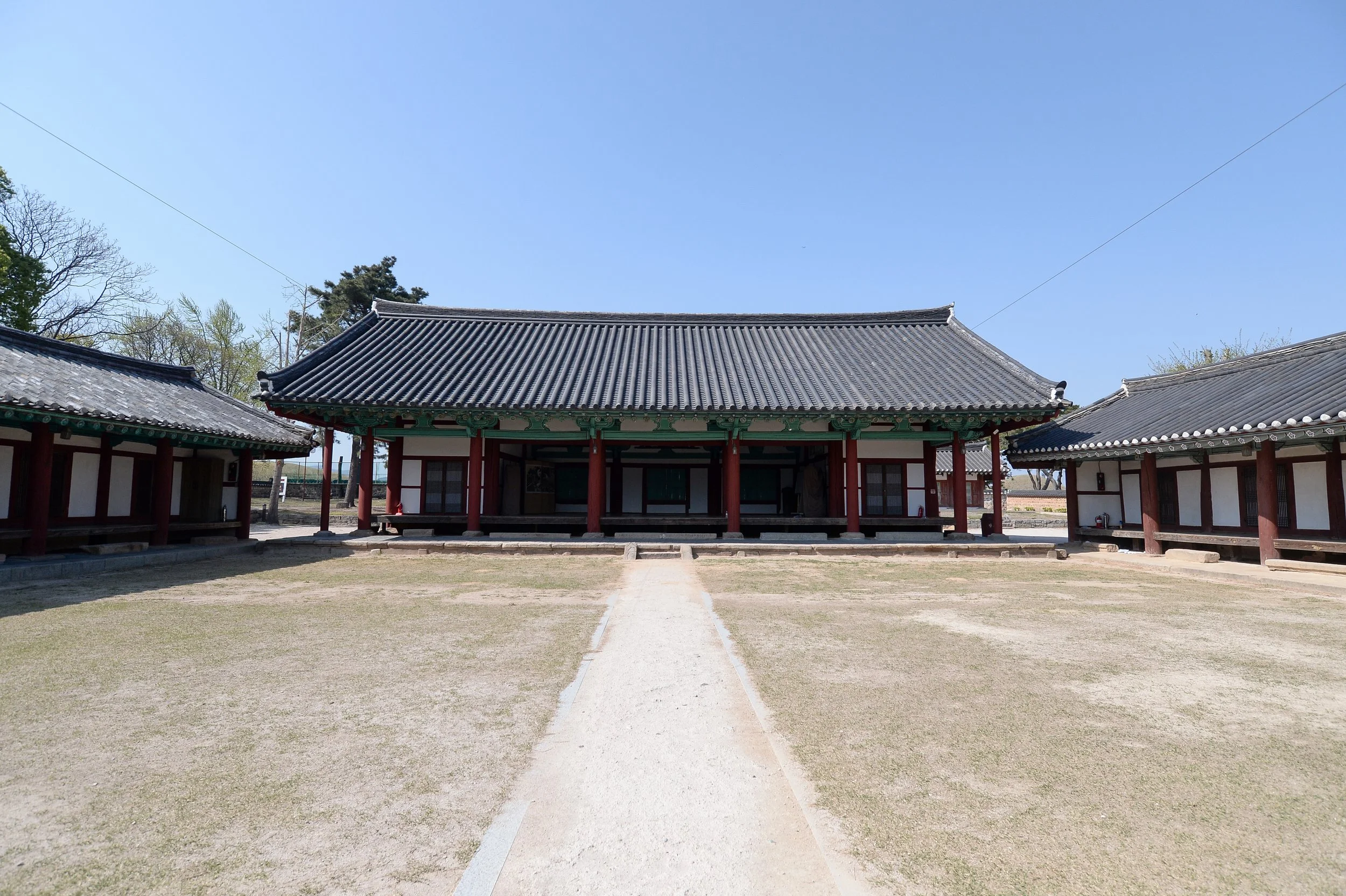
Gyeongjuhyanggyo Confusion School
The exact founding date of Gyeongjuhyanggyo Confucian School remains unclear. Historical records suggest it was restored in the 24th year of King Seongjong’s reign during the Joseon Dynasty, modeled after Seoul’s Seonggyungwan National Academy. Visitors can stay overnight on weekends and experience traditional etiquette, Confucian ceremonies, and classical Chinese learning in a traditional seodang (village school) setting.
Bulguksa Temple
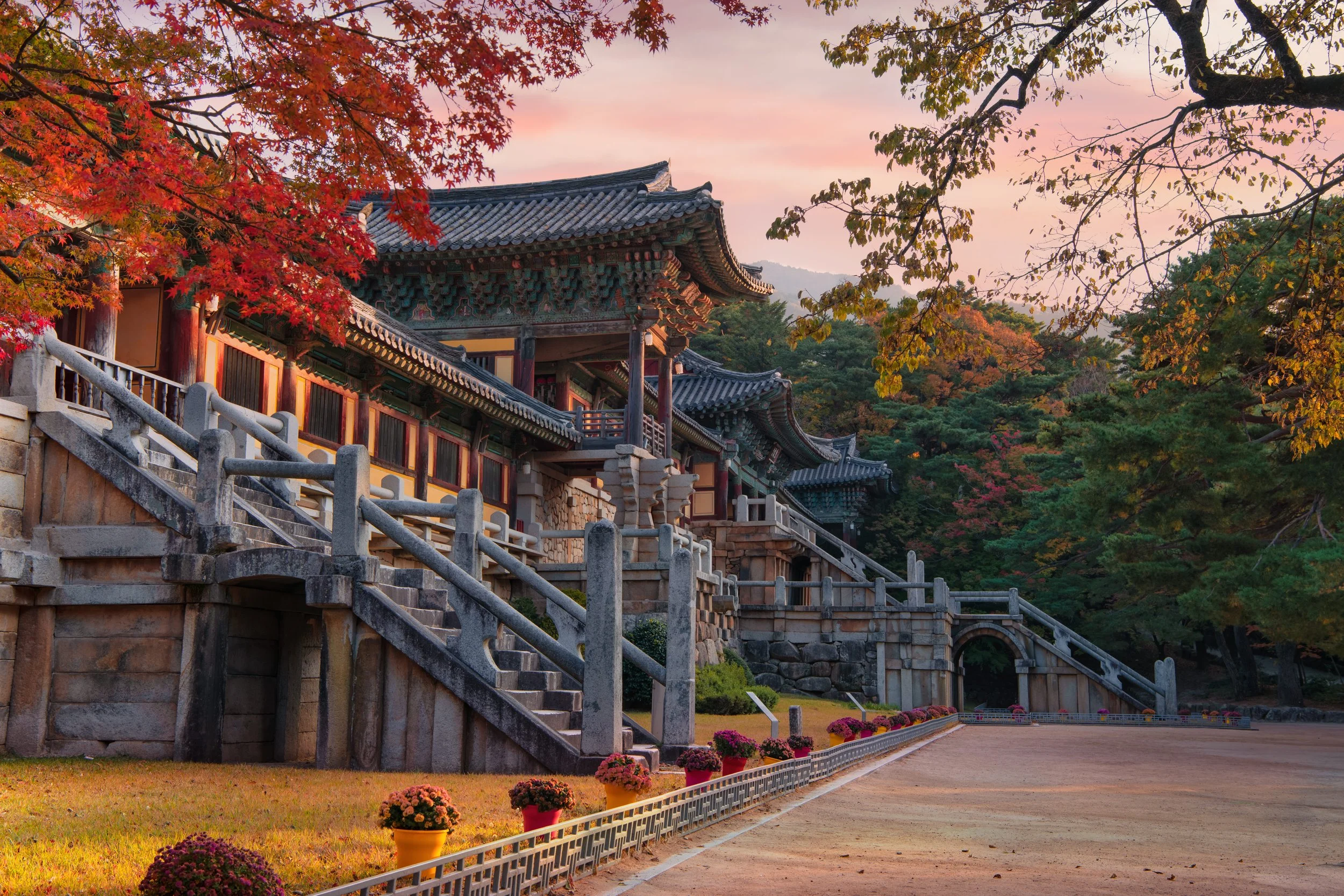
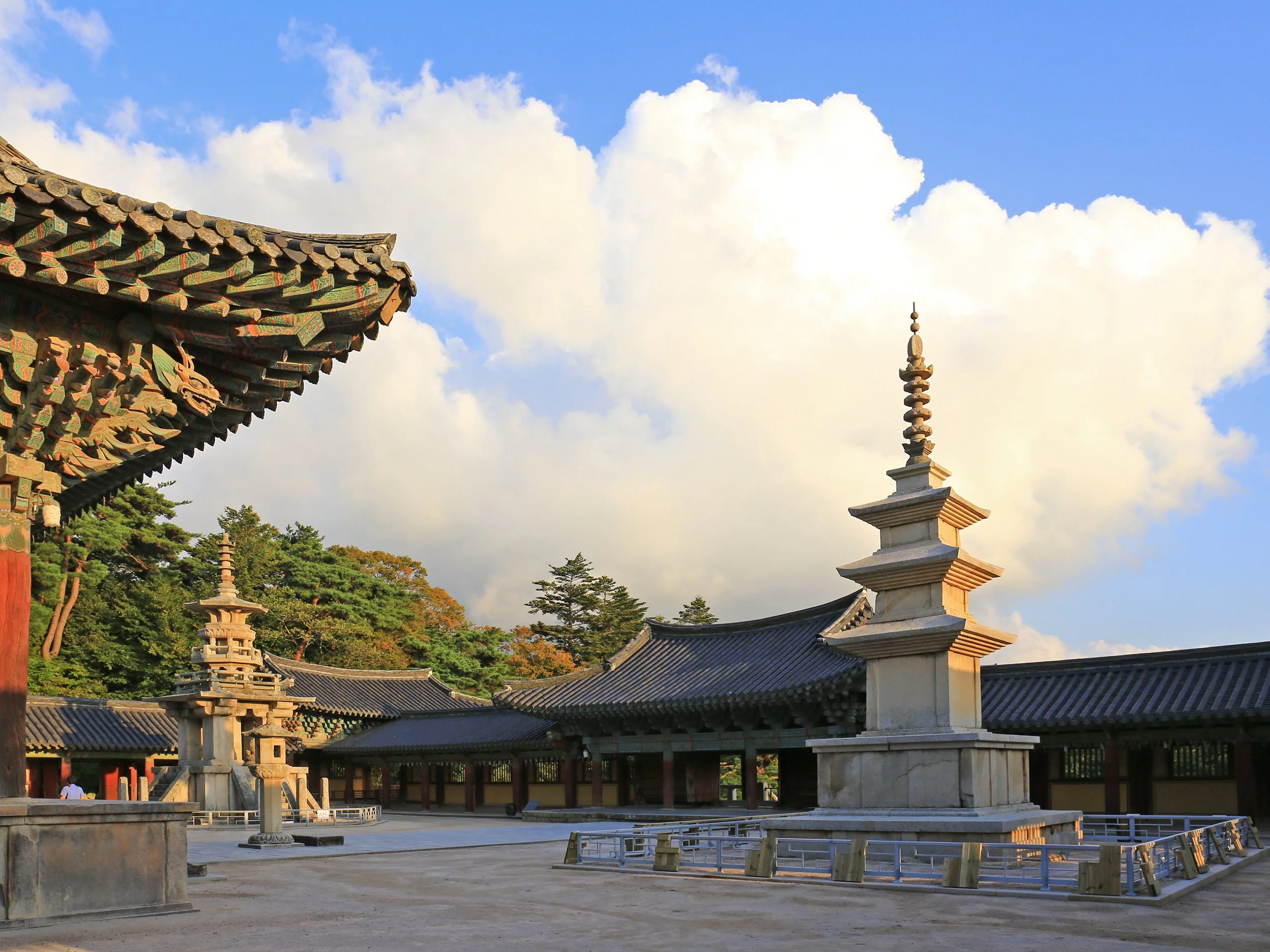
As one of Gyeongju’s most iconic landmarks, Bulguksa Temple offers a peaceful escape into Korea’s spiritual heritage. Stone stairways, wooden halls, and quiet courtyards guide visitors through the heart of the Silla Kingdom, creating a calm space where the past and present quietly meet. Home to seven national treasures, including the famous Dabotap Pagoda on the 10-won coin, Bulguksa invites visitors to slow down and appreciate history with every step.
Near Bulguksa Temple, Golgulsa Temple offers one of Gyeongju’s most unique experiences:
Kayaking at Kokmin Healing Park
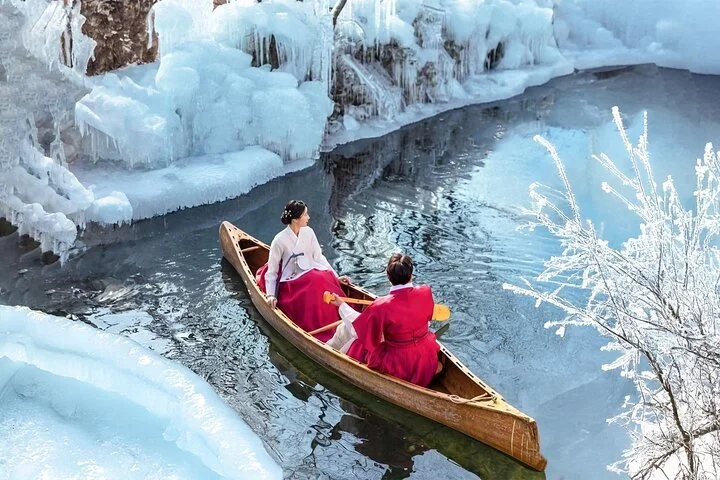
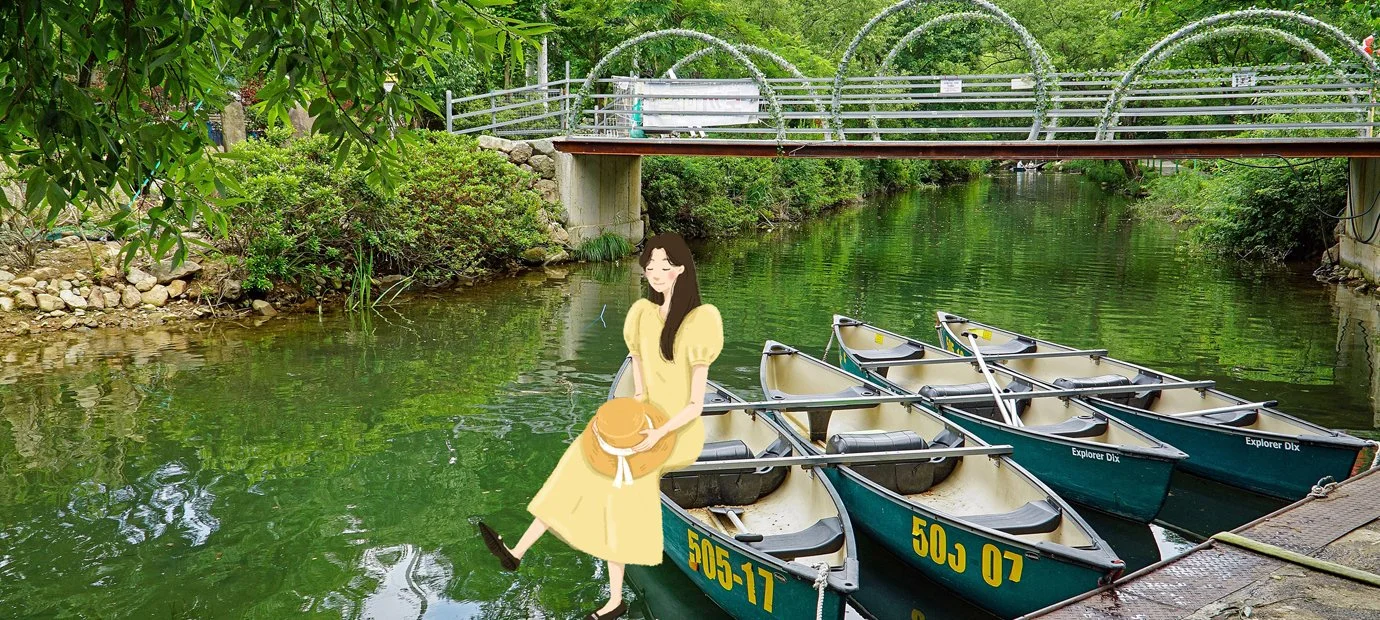
Kayaking at Kookmin Healing Park offers a peaceful way to experience Gyeongju from a different angle. The quiet lake is surrounded by trees and open green spaces, and in winter, the scenery can feel straight out of “Frozen”. Visitors can feed ducks by the water, enjoy gentle paddling, and even try snow sledding when the season allows. It’s a place where simple activities turn into memorable moments.
Just a 45-minute drive from Bulguksa Temple to experience:
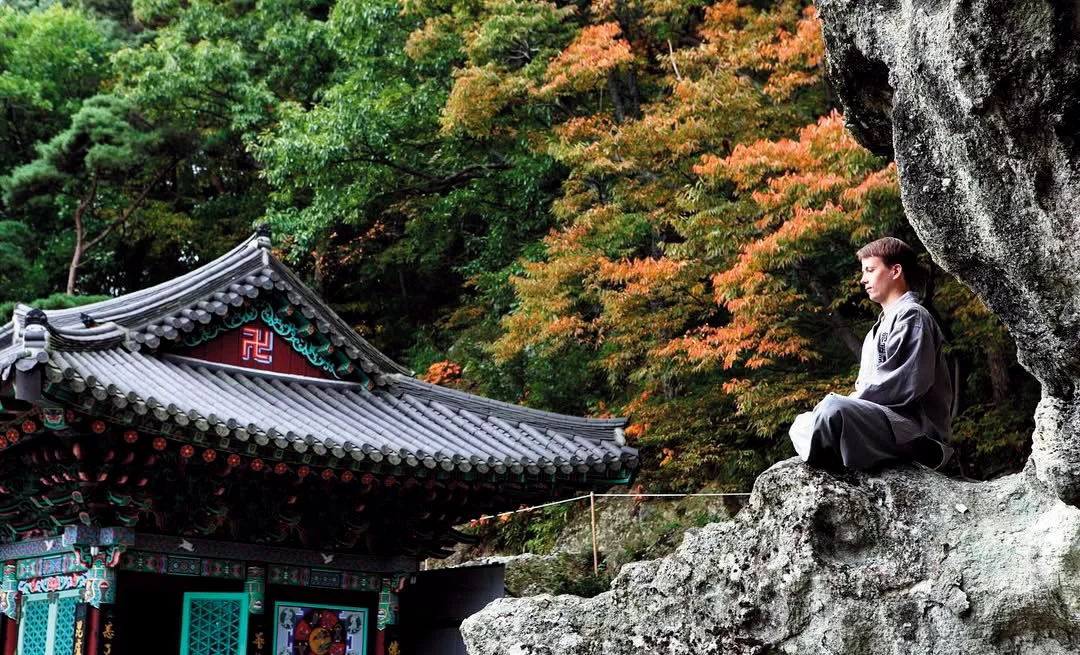
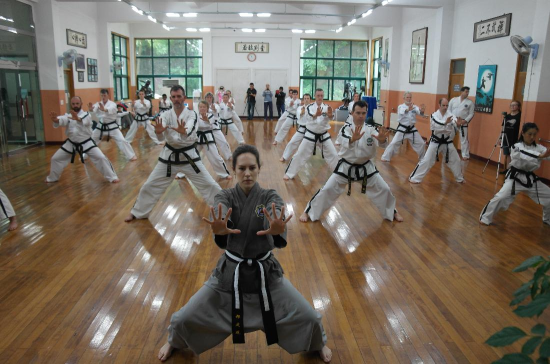
Golgulsa Temple stay
Golgulsa Temple Stay offers one of the most unique experiences in Gyeongju. As the world’s only temple dedicated to Seonmudo, a form of moving meditation and martial art, it gives visitors a chance to step away from daily routines and slow down. Surrounded by rocky cliffs and quiet forests, days here begin with temple bells, followed by meditation, gentle training, and simple meals shared with monks. Many visitors leave with a clearer mind and a quiet sense of balance, so don’t miss out on this rare experience you won’t easily find elsewhere.
More Explore Through History
Donghae Region
-
![]()
Girimsa Temple
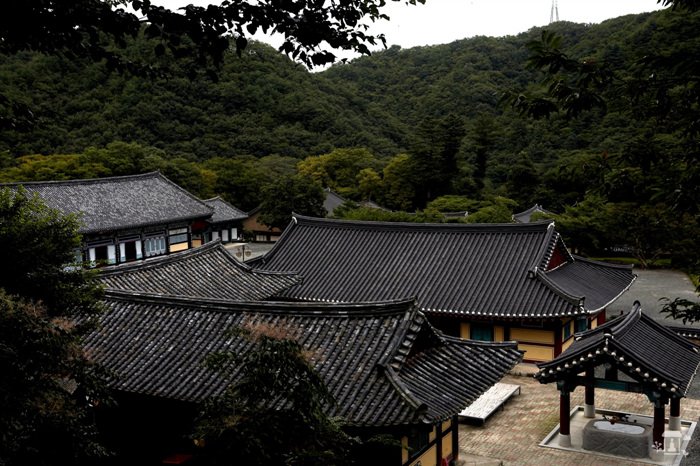
Established in 643 AD by an Indian monk and later expanded by the legendary Wonhyo, Girimsa is a serene sanctuary on Mount Hamwolsan. While quieter than the nearby Bulguksa, it boasts 16 traditional buildings and ancient stone pagodas. The temple is famous for the Ojongsu, a spring with "five tastes" believed to possess unique properties. With its calm atmosphere and historical depth, Girimsa is the perfect retreat for travellers seeking both tranquility and authentic Silla culture.
-
![]()
Gameunsa Temple Site
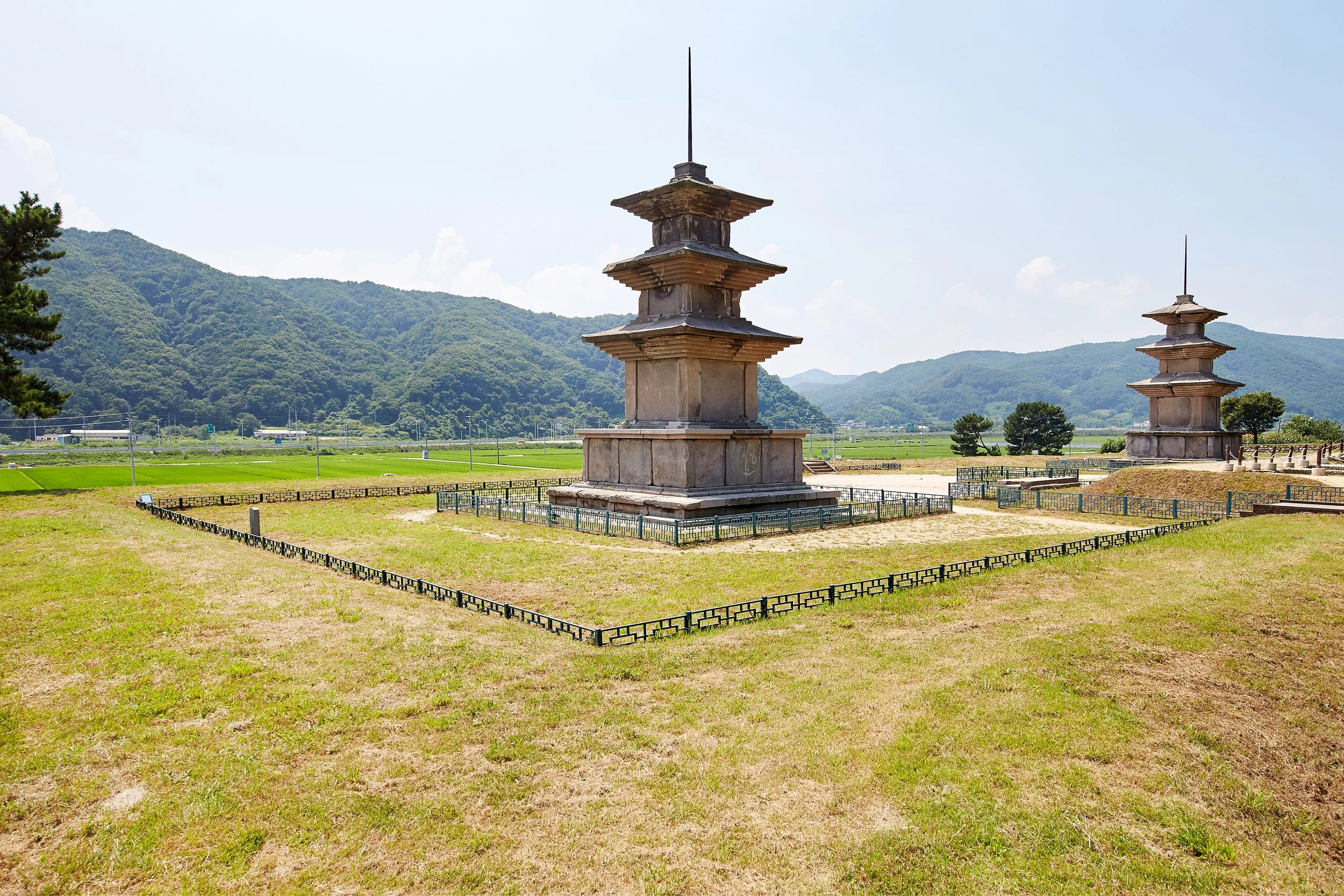
Built in 682 AD during the Unified Silla period, Gameunsa Temple was established to honor King Munmu and bring protective blessings for the kingdom. After unifying Korea’s Three Kingdoms, he wished to become a sea dragon guardian. The temple’s coastal location directly reflects this spiritual connection. Today, visitors can explore the expansive ruins and twin three-story stone pagodas. Overlooking the sea, this historic landmark offers a powerful sense of history and spirituality.
-
![]()
Tomb of King Munmu (Great King Rocks)
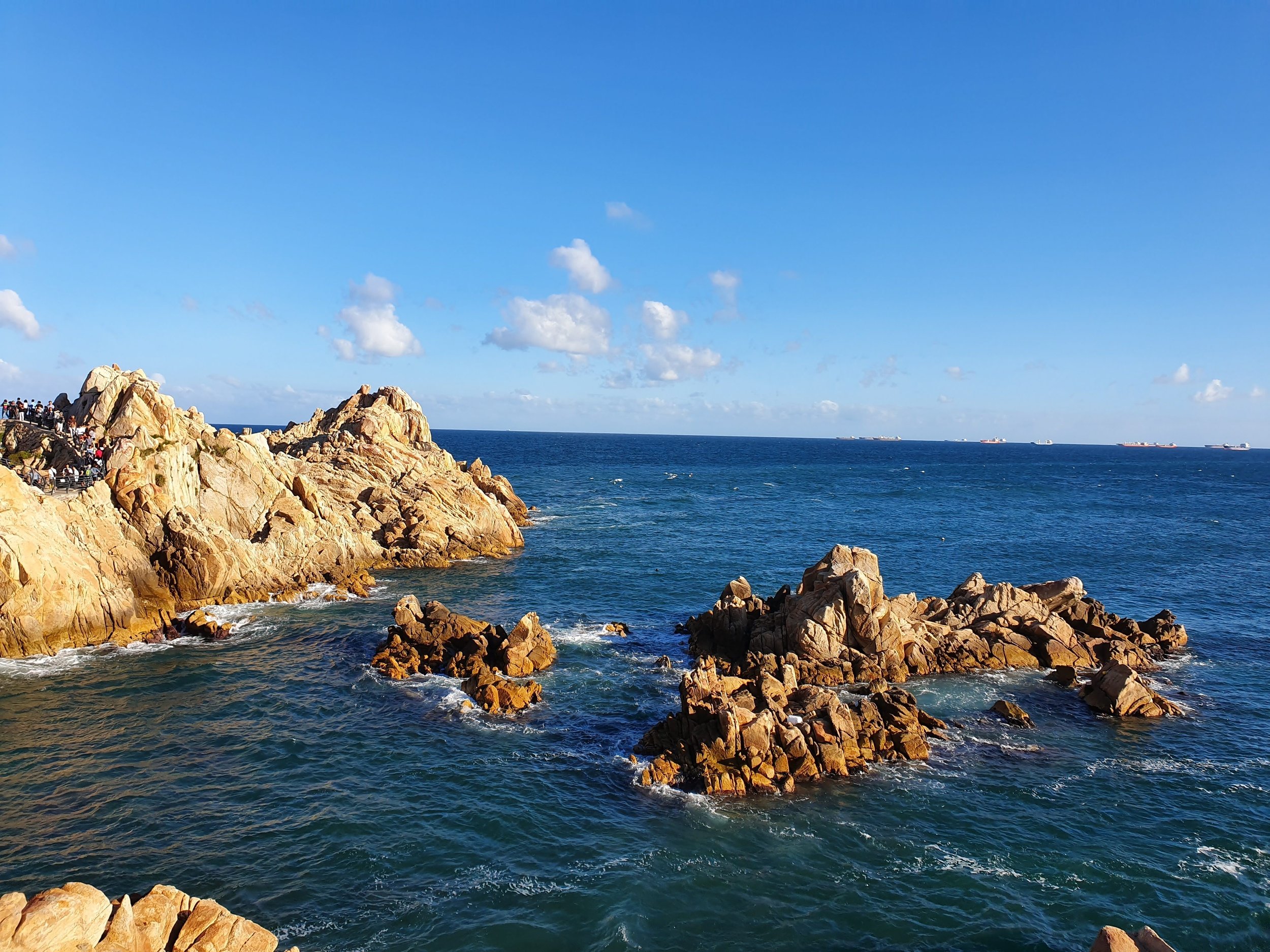
Located 200 meters offshore in the East Sea is the world's only underwater royal tomb and also a uniquely dramatic historic site in Gyeongju. The king chose this rocky islet burial so he could transform into a protective dragon and guard the Silla Kingdom after death. The dramatic scenery of this centuries-old cultural landmark captivates many visitors. With waves peacefully breaking against the stone tomb, the serene and powerful site offers a memorable experience.
-
![]()
Igyeondae Pavilion
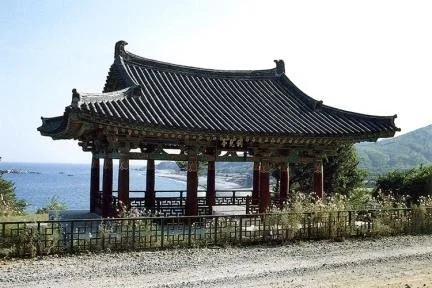
Built in 682 AD by King Sinmun, the Igyeondae pavilion offers the best views of King Munmu’s submerged tomb. According to legend, this is where King Sinmun first encountered sea dragons and received a magical pipe to protect the Silla Kingdom. Rebuilt on its original foundations, the pavilion stands near Gameunsa Temple, which features a sacred waterway designed for King Munmu’s spirit to return from the sea.
Gyeongju Namsan Region
-
![]()
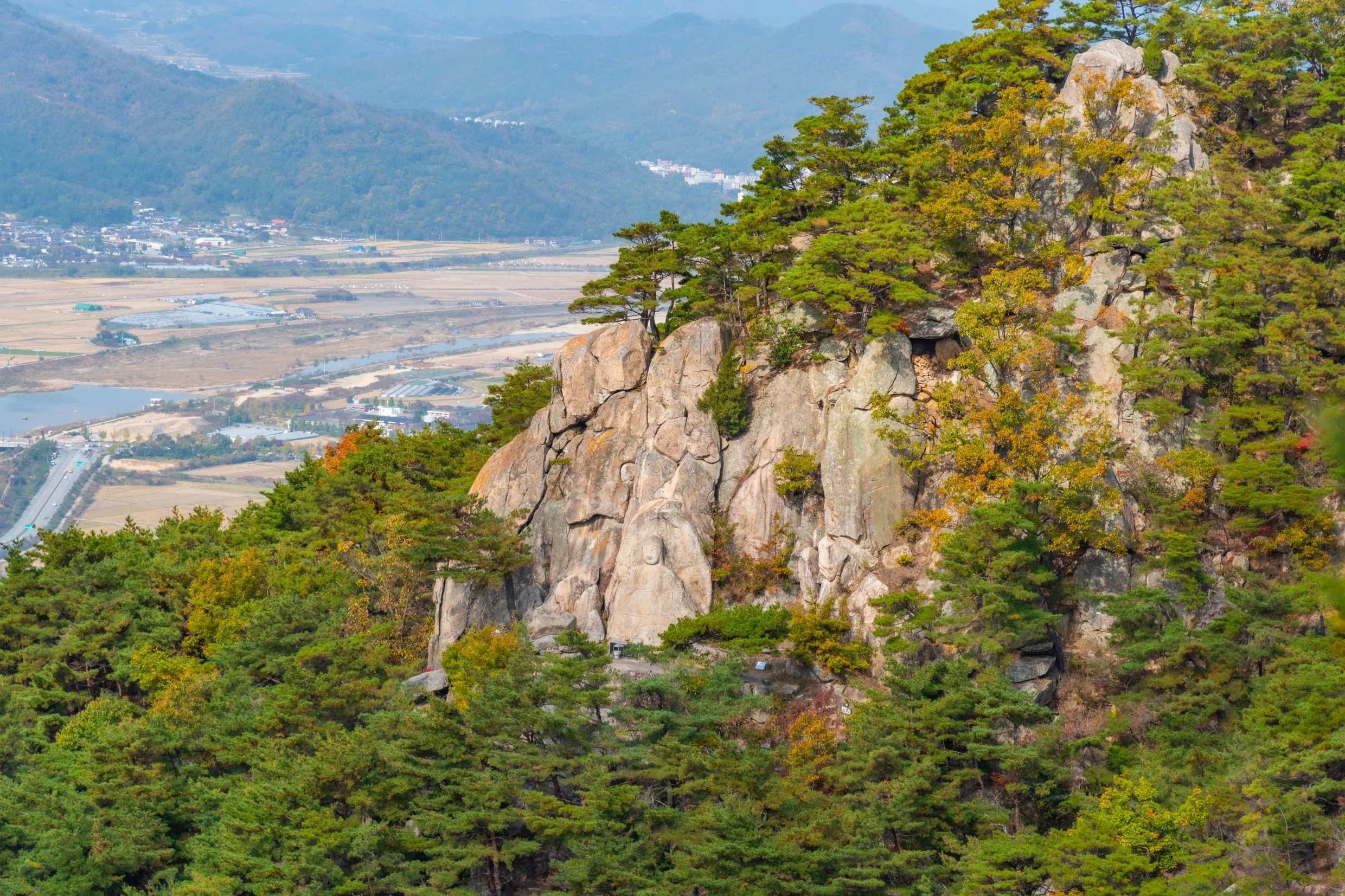
Rock-Curved Buddha in Tapgok Valley of Namsan Mountain
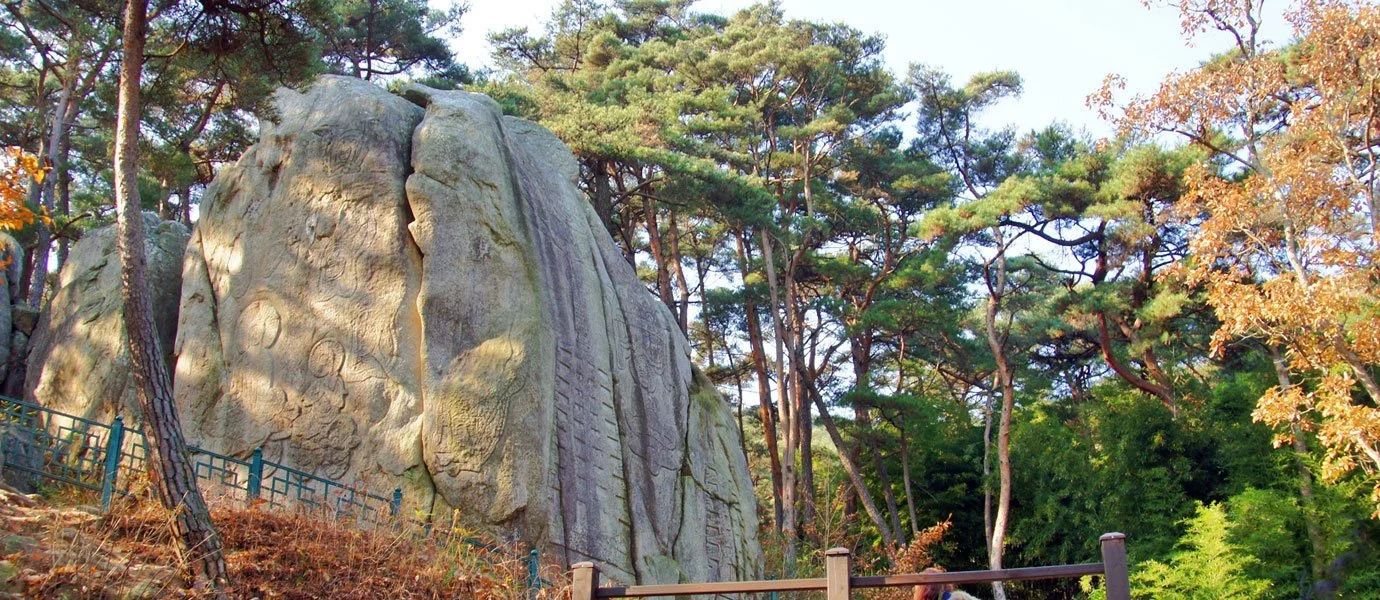
This nine-meter rectangular boulder stands on the former site of the Unified Silla-era Sinsinsa Temple. The rock’s north face features two unique carvings of seven and nine-story wooden pagodas, remarkably intact from base to tip. On the south and east faces, visitors can discover a Buddha Triad, independent Bodhisattvas, Buddhist monks, and a flying maid. This picturesque landmark serves as an essential resource for studying ancient Silla artistry.
-
![]()
Rock-Curved Pensive Bodhisattva at Sinseonam Heritage
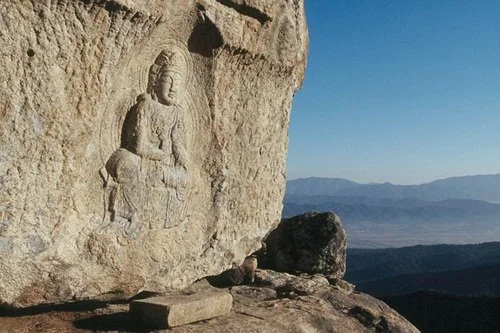
Standing 1.4 meters high, the Rock-Carved Pensive Bodhisattva at Sinseonam Heritage in Namsan Mountain appears to be descending from the cliff on a cloud. A three-sided bejeweled crown he’s wearing on his head, and a boundless smile plays upon his lips, while he comes down to the mundane world.
-
![]()
Rock-Curved Buddhas at Chiburam Heritage
Elevated to National Treasure No. 312, the Rock-Carved Buddhas at Chiburam Heritage stand out as the most representative ancient figures among the many Buddhas in Namsan Mountain.
-
![]()
Samneunggol Valley
Named for the three royal tombs at its entrance, Samneunggol Valley holds the highest concentration of Buddhist relics among the 40 valleys of Namsan Mountain. Its rich collection of historical monuments includes seated stone statues of Buddha, the Yukjonbul Carved Rock Surface, and the Stone Seated Buddha.
-
![]()
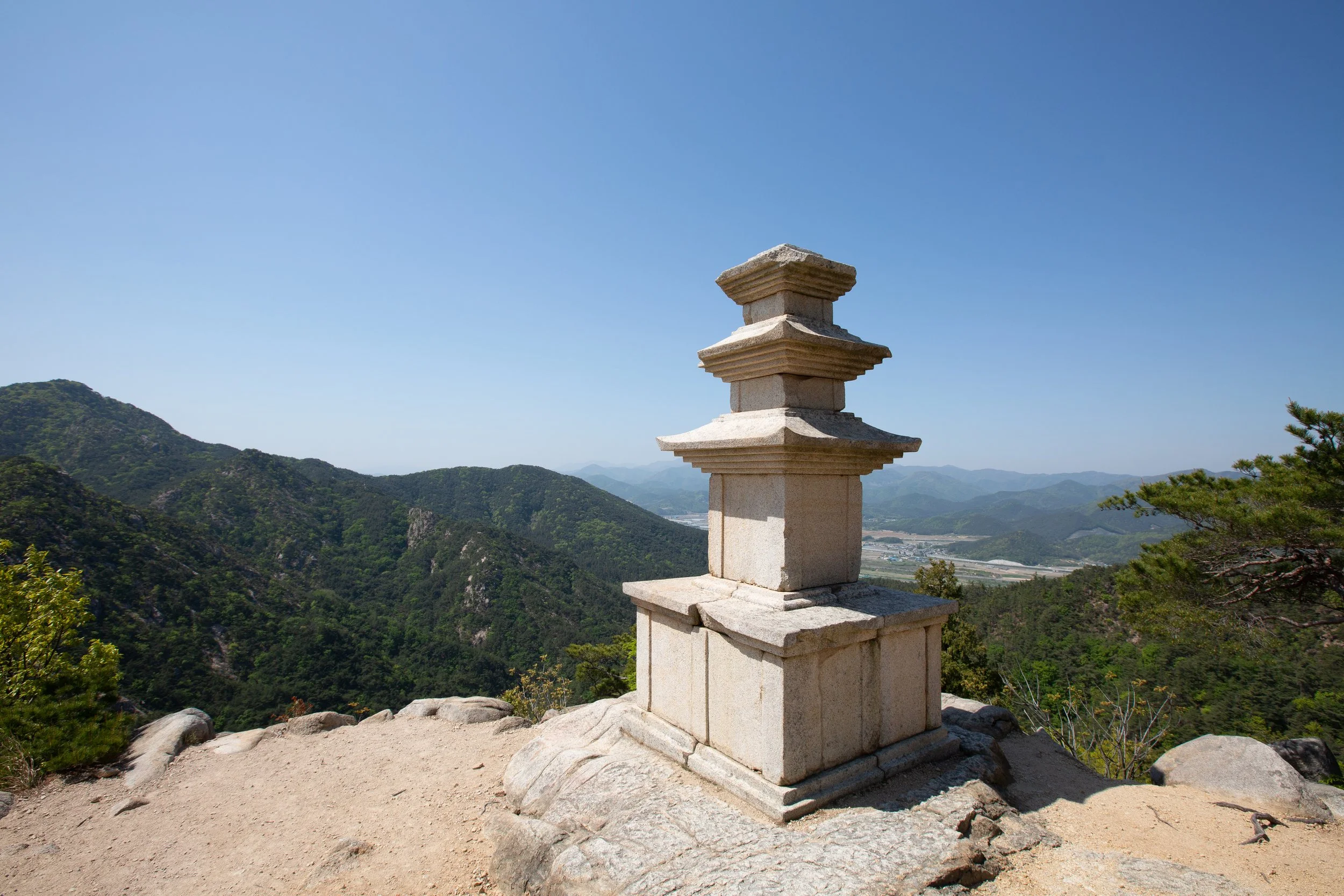
Yongjanggol Villey
Located between Namsan Mountain's Gowibong and Guemobong peaks is a site of deep historical mystery. Ancient works like the Three-story Stone Pagoda in Yongjangsagok enhance the historic scenery. This valley is famous as the palace where Maewoldang Kim Si-seup authored the first classical Korean novel, Guemosinhwa.
-
![]()
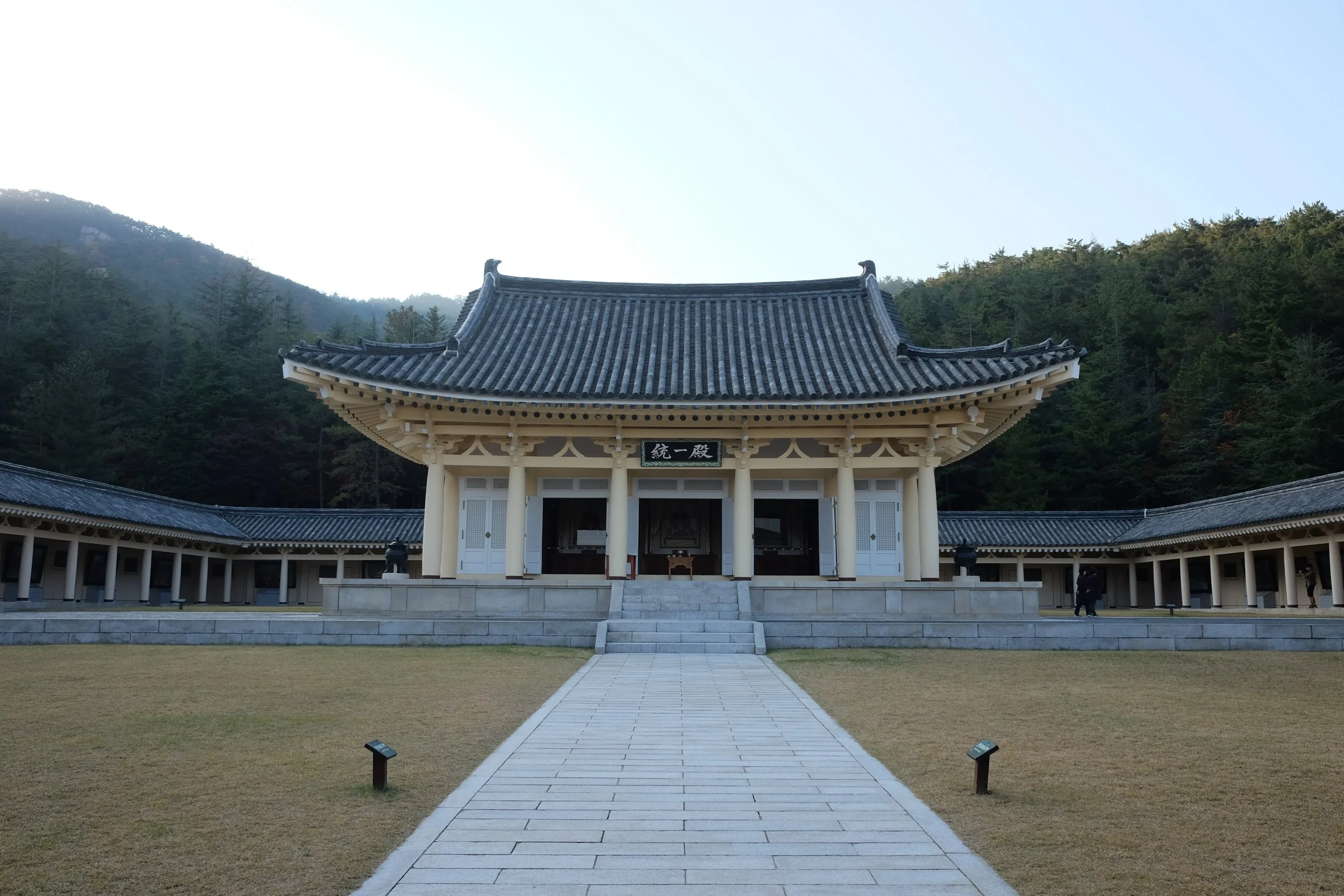
Tongijeon
Tongijeon is where the portraits of the main players of the Unification of the Three Kingdoms are enshrined. This grand hall honors King Taejong Muyeol, General Kim Yu-sin, and King Munmu for their historic roles. Record paintings are exhibited alongside the corridors to illustrate the history of the era.
-
![]()
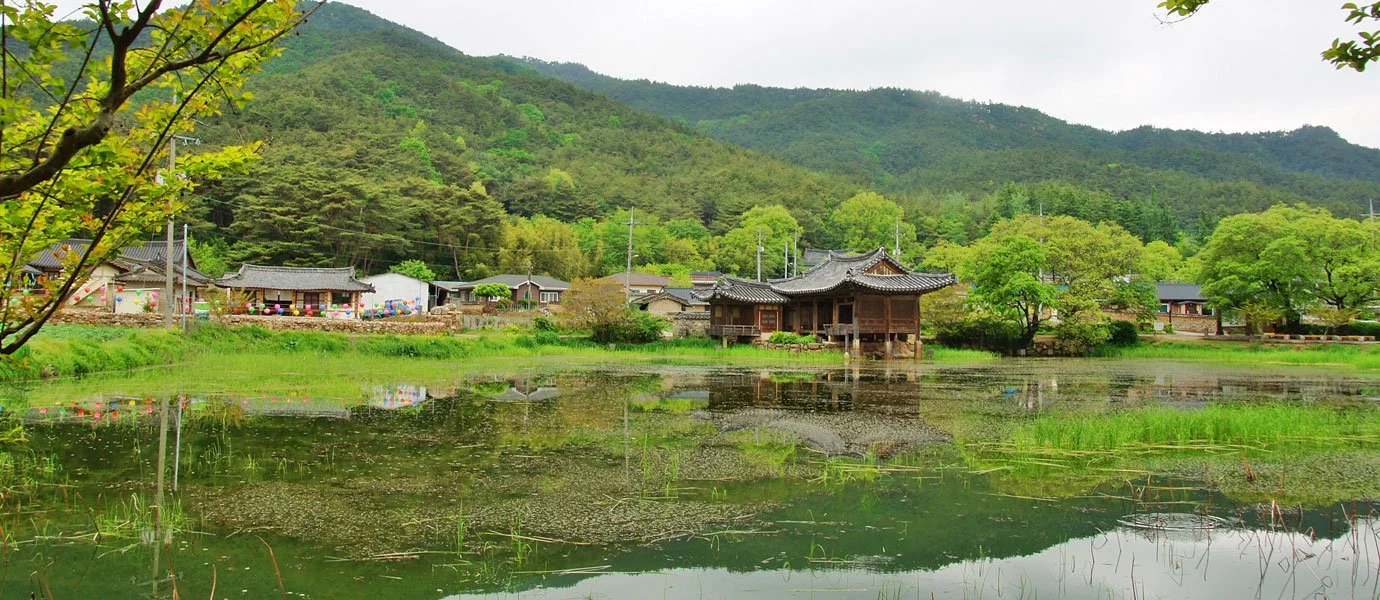
Seochulji Pond
Flowing since the Silla Dynasty, Seochuji Pond is named for a miraculous letter that surfaced from the water and saved King Soji’s life. Standing on a stone column within the pond, Iyodang Pavilion is uniquely designed to appear as if it burst forth from the depths. Half of the pavilion gracefully floats above the surface, forming the shape of the Korean letter "ㄱ" (giyeok).
-
![]()
Samneung Forest
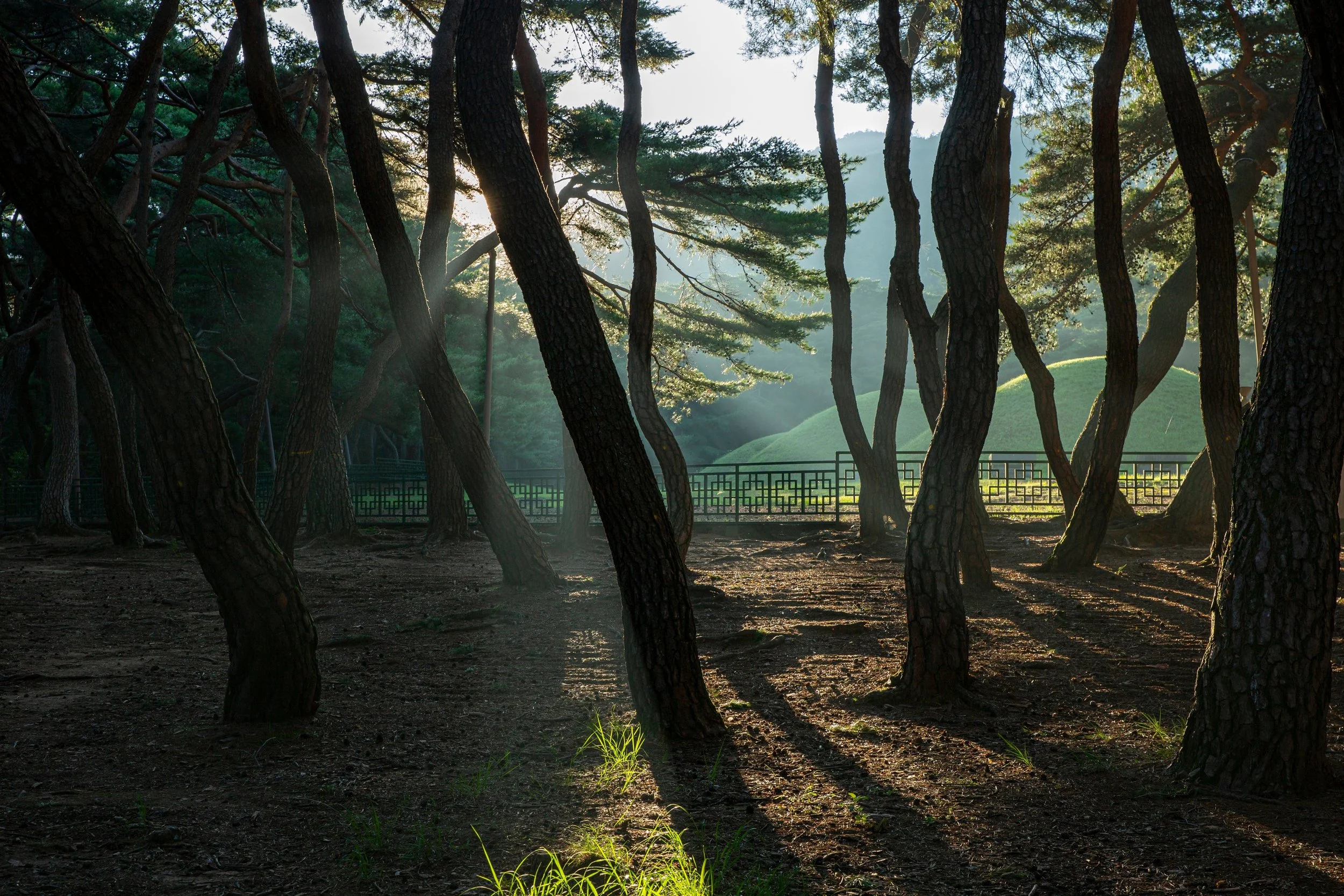
Situated west of Namsan Mountain, this majestic pine forest peacefully surrounds the three royal tombs known as Samneung. The trees harmonize beautifully around the site, creating the enchanting illusion of a graceful group dance.
-
![]()
Changnimsa Temple Site
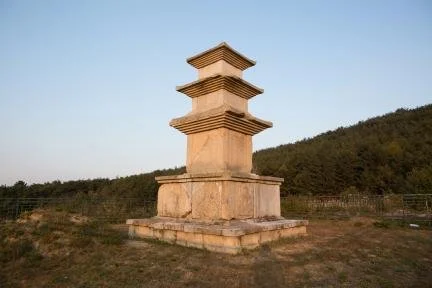
Though believed to be the location of Silla's very first palace, the site now quietly preserves only traces of Changnimsa Temple. Visitors can discover intriguing turtle-shaped monument bases alongside the largest three-story stone pagoda in Gyeongju's Namsan. In the stylobate, 4 of the 8 Buddhist guardian deities remain preserved on its stylobate, highlighted by a remarkably prominent Asura statue.
-
![]()
Poseokjeong Pavilion Site
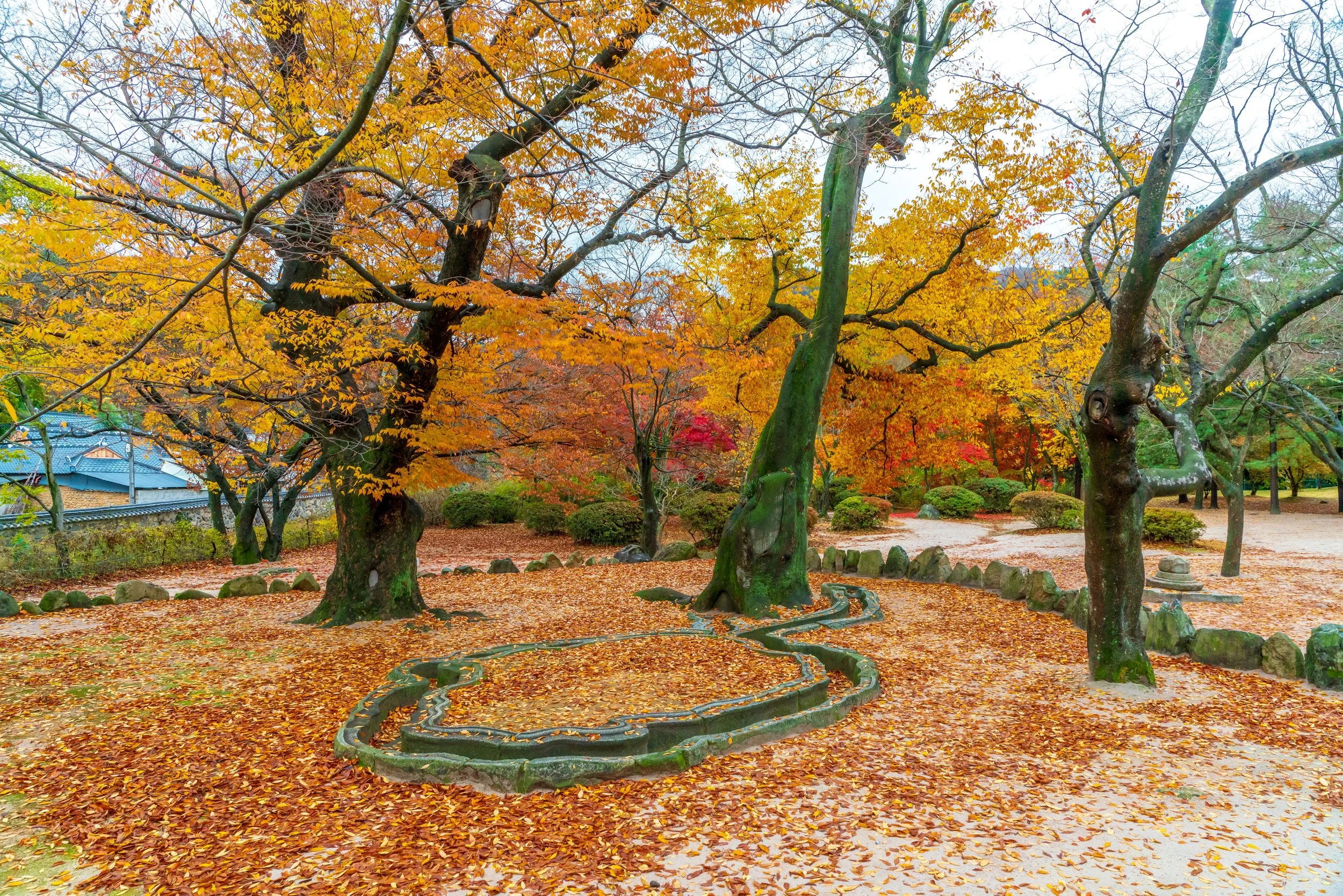
The Poseokjeong Pavilion was once a significant site where the Silla royal family performed their ancestral rites. Now, almost none of its original appearance remains except for a 22-meter water canal used for ‘Yusanggoksuyeon’. It is marked as the historic location where King Gyeongae met his end at the hands of Gyeon Hwon.

Other Places You Can Visit
-
![]()
Seokguram Grotto
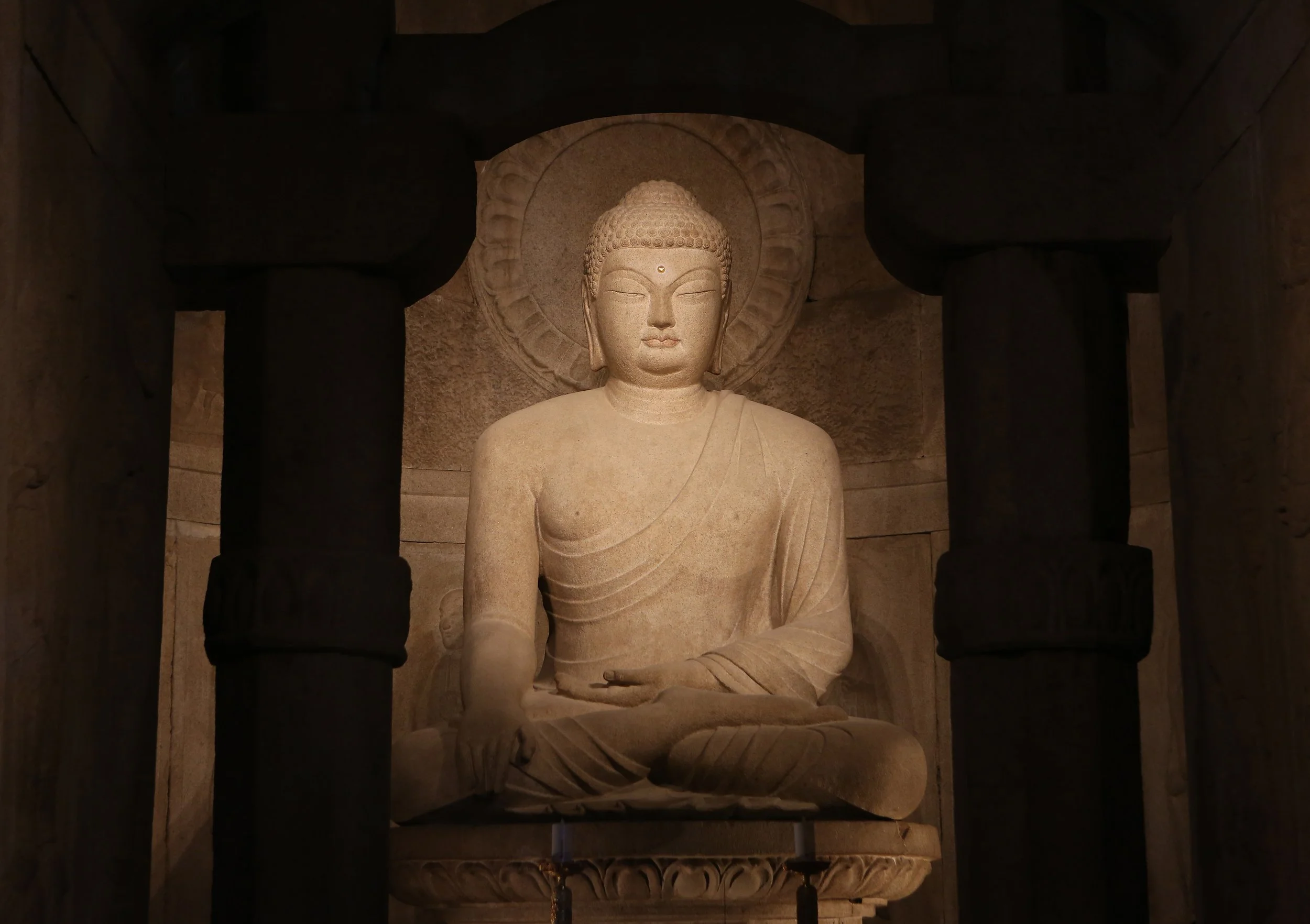
Located on Mount Toham, Seokguram Grotto is home to a calm and beautiful stone Buddha that has stood here for hundreds of years. Built with great care and skill, it shows the deep beliefs and creativity of the Silla Dynasty. In the quiet mountain setting, many visitors naturally slow down and enjoy a peaceful moment of reflection.
-
![]()
Bomunjeong Panvilion
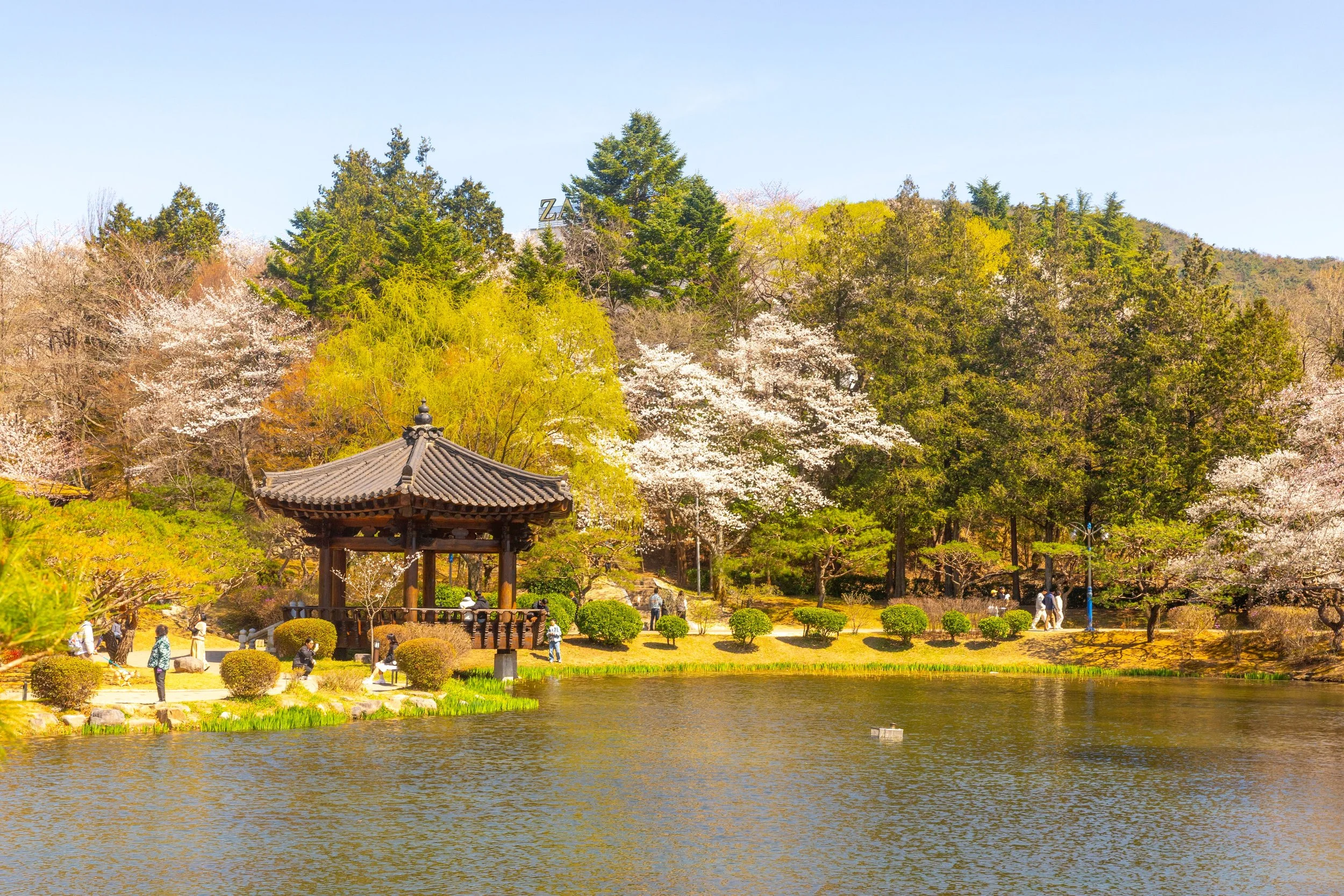
Listed on CNN’s “50 Beautiful Places to Visit in South Korea,” Bomunjeong Pavilion is a year-round masterpiece. This small octagonal structure sits between two ponds, creating a perfect mirror reflection that changes with the seasons. It’s a place where the scenery does most of the talking, leaving a quiet and lasting impression.
-
![]()
Gyeongju HICO
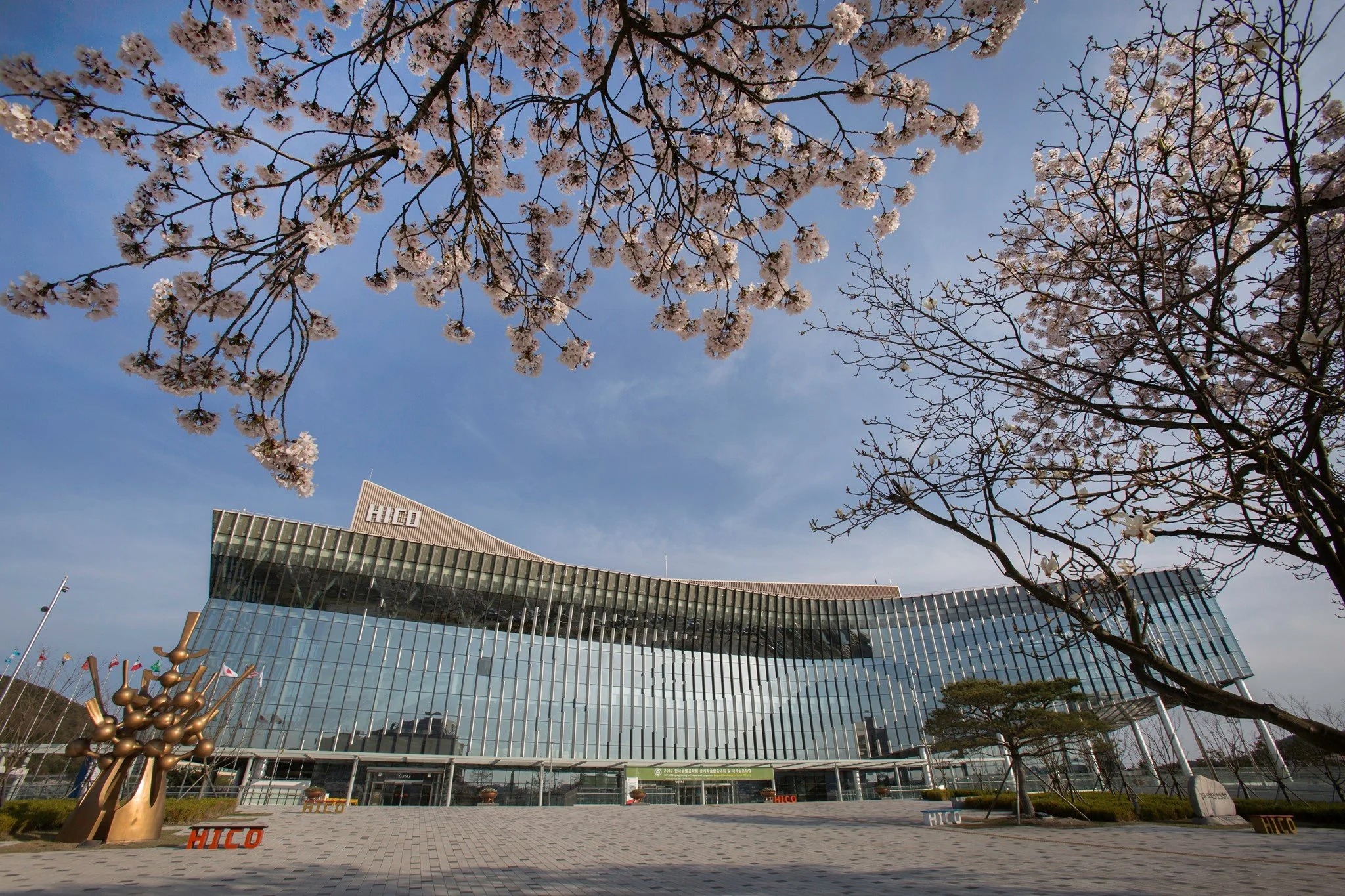
Capable of hosting over 3,500 people, the Gyeongju Hwabaek International Convention Center (HICO) is a premier international conference venue. Nestled in the center of the Bomun Tourist Complex, it offers beautiful scenery alongside excellent lodging and leisure facilities. Highly acclaimed by global and government sponsors, this center provides a perfect blend of professional convenience and outstanding Gyeongju's tourism appeal.
-
![]()
Gyeongju East Palace Garden
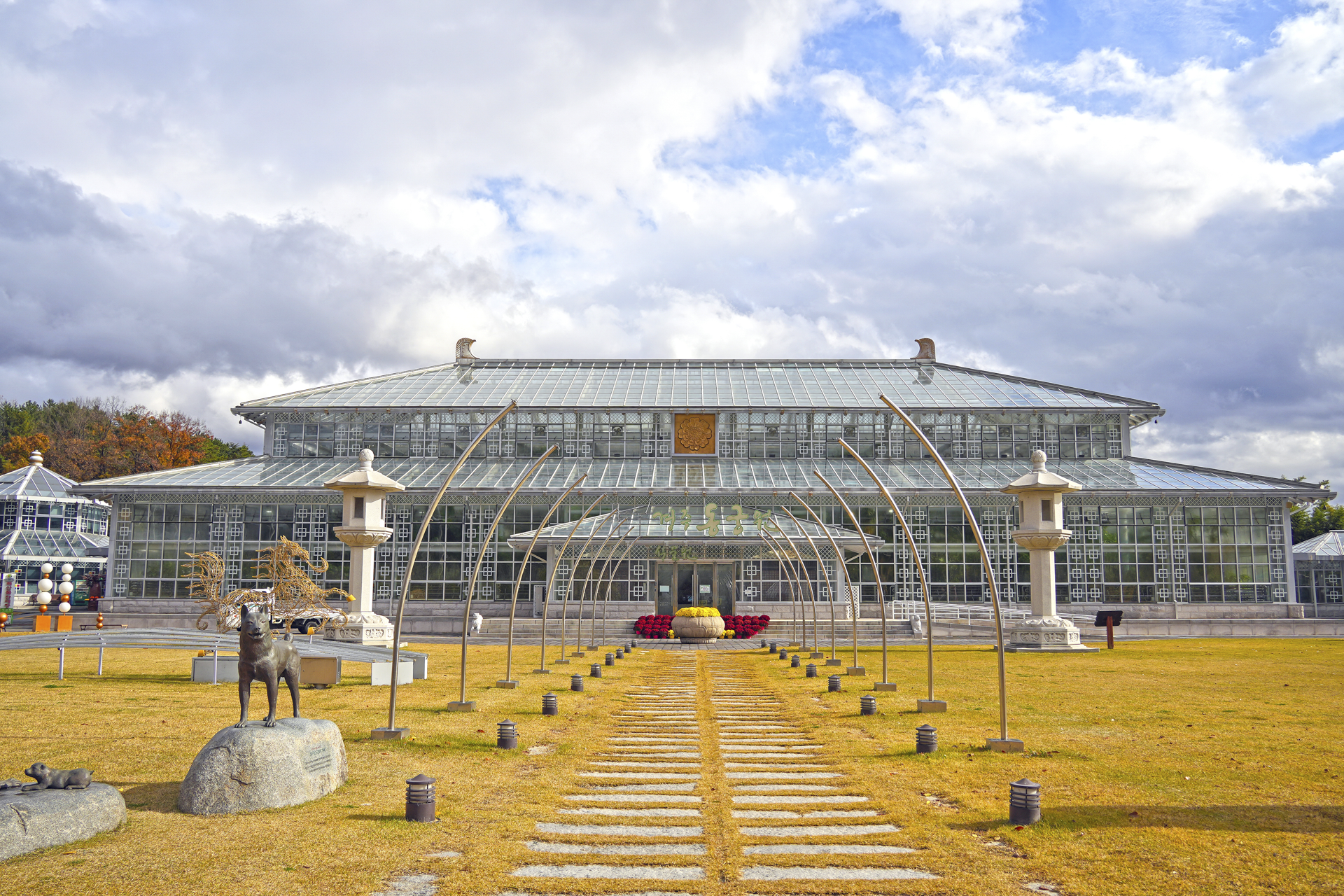
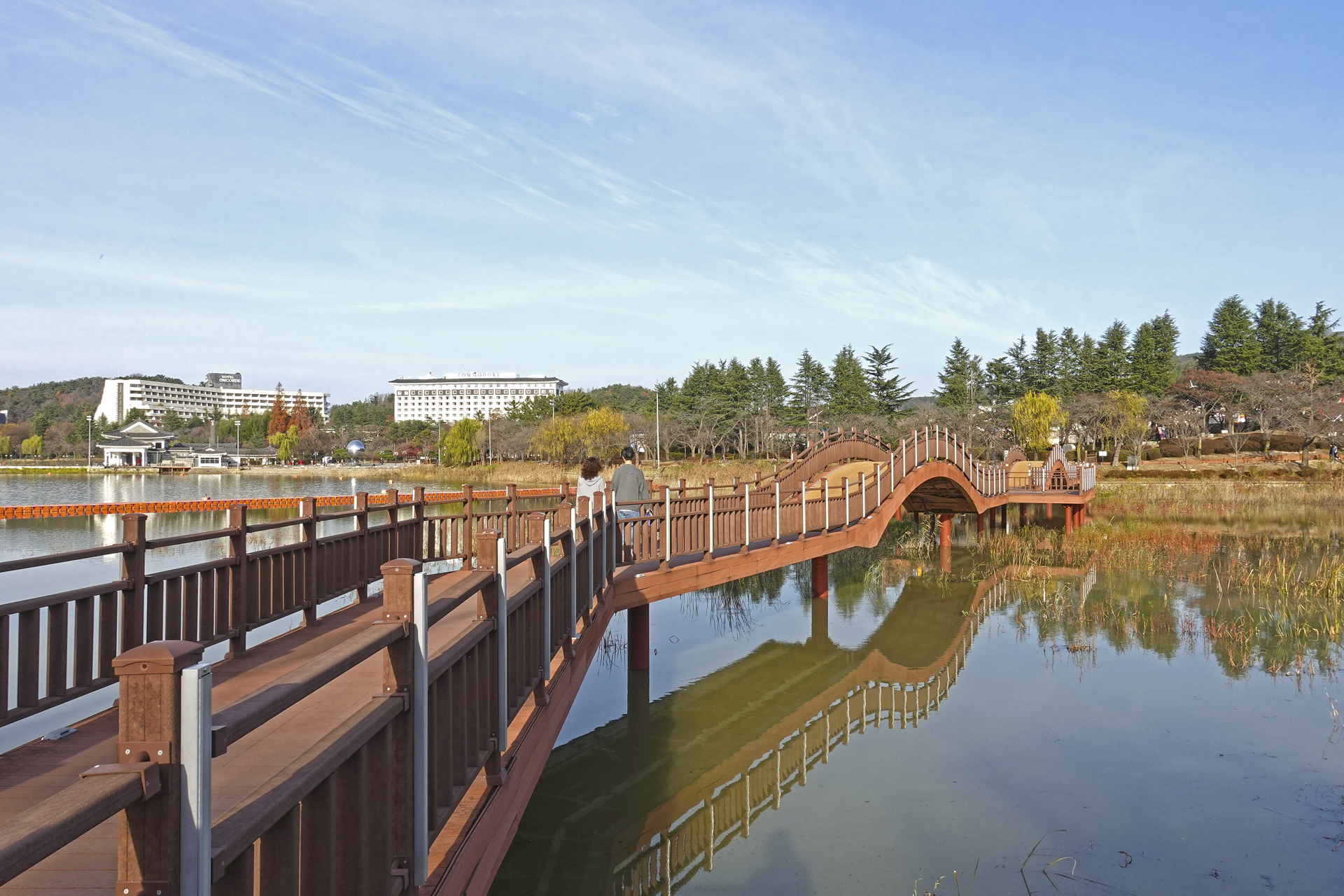
The beautiful modern reproduction of the Donggung Palace and Wolji Pond, Korea's first zoo and botanical garden. With a spanning of 64,830 m2, the main attractions are the zoo and botanical garden, and the Gyeongju Bird Park. The site also offers an Agriculture Experience Space with city residents; it is a highly recommended place for families.
-
![]()
Gyeongju Expo Grand Park
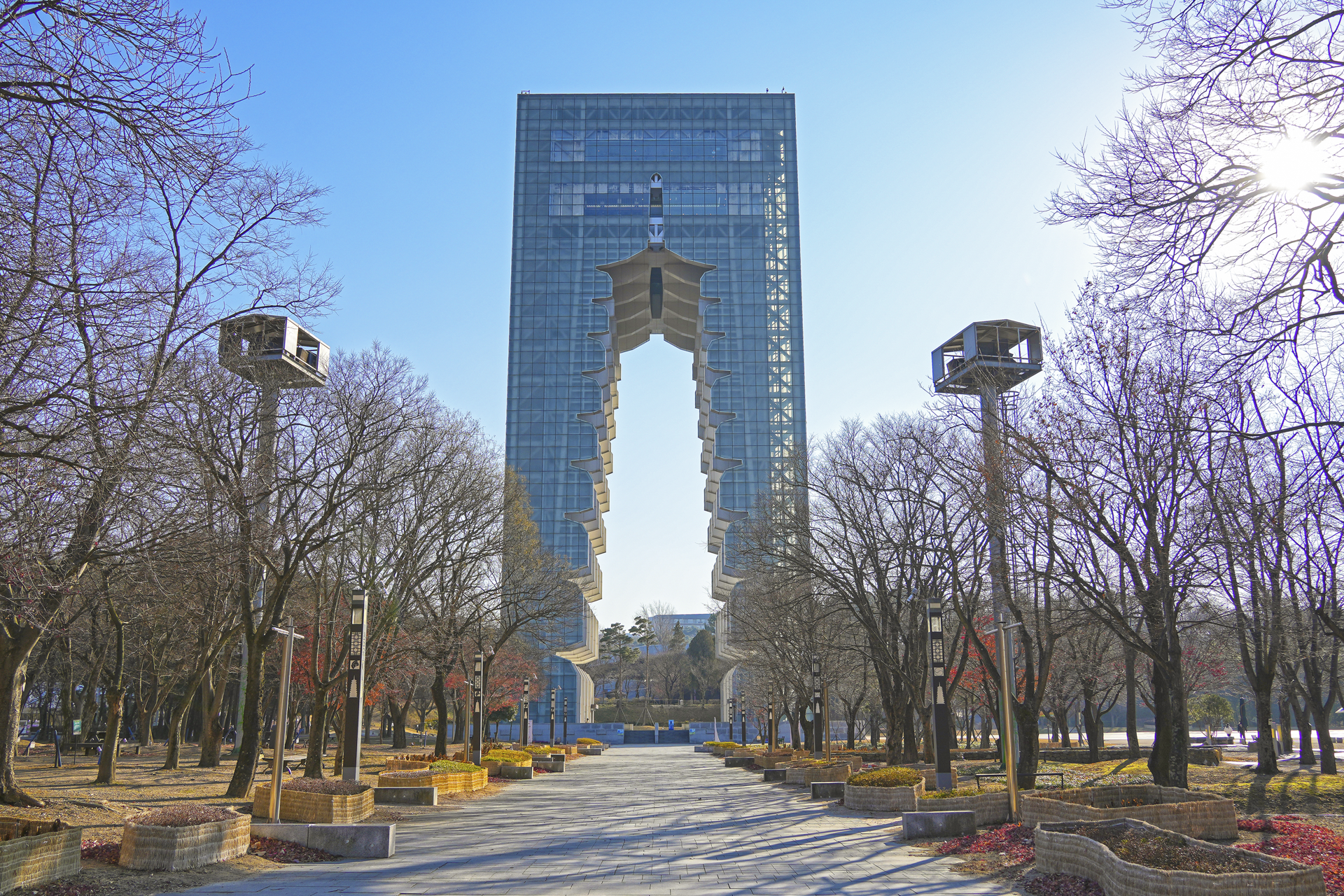
Opened in 1998, Gyeongju World Culture Expo Park is a premier cultural experience ground designed to unite the global villages. This expansive site consistently draws a vast number of international visitors, as a permanent destination for relaxation, culture, and experience. Today, it is widely celebrated as Korea’s Representative Culture Festival Ground and Korea’s Best Historical Culture Experience Park.
-
![]()
Bomun Lake Trail
Created alongside Korea (ROK)'s first tourist complex, Bomun Lake Trail offers a beautifully scenic and leisurely walk. The flat, seven-kilometer continuous path allows visitors to enjoy a comfortable and leisurely stroll along the water's edge. Travellers can take in the breathtaking, open lake views while easily completing the full scenic loop. For those seeking a shorter excursion, the path perfectly accommodates walking just a beautiful, picturesque portion of the trail.
-
![]()
Gyeongju World
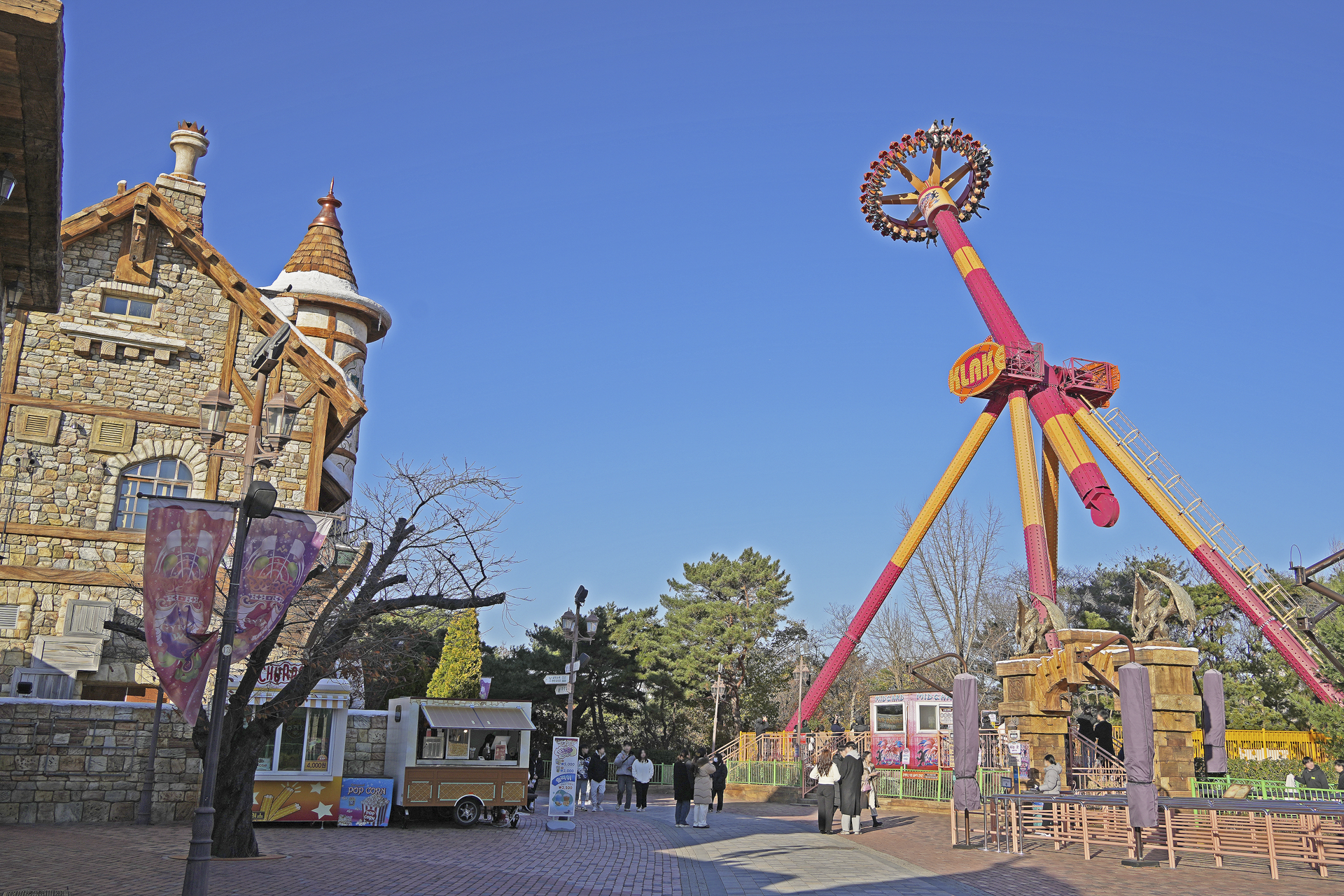
Originally opening as Dotourak World in 1985, this deeply historic amusement park was officially renamed Gyeongju World in 1991. The dynamic destination features a 30-attraction theme park, the California Beach water park, and Snow Park. It has built a massive, loyal fan base as it possesses an impressive lineup of extreme thrill rides. The park's signature experience is Draken, which famously operates as Korea(ROK)'s very first vertically dropping dive coaster.
-
![]()
Gyeongju Yangnam Columnar Joint Observatory
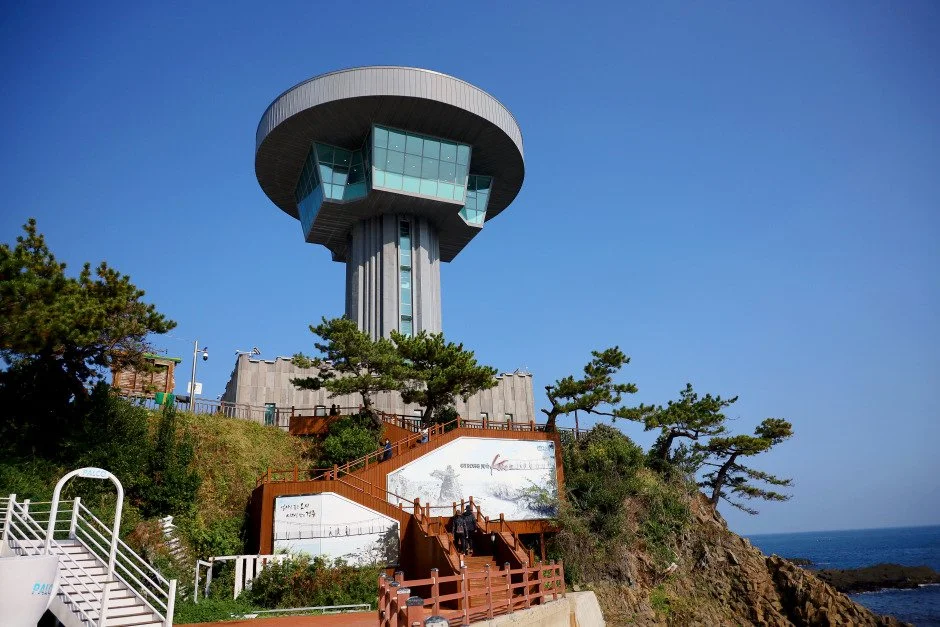
Built in 2017, this stunning observatory overlooks the Yangnam columnar joints, a national geopark along the Eupcheon-ri shoreline. Visitors are captivated by the diverse volcanic formations, especially the globally rare fan-shaped joints designated as a 2012 Natural Monument. The modern facility features rich informational exhibits detailing the area's incredible geographical resources, along with an on-site geology commentator who can provide a detailed guide.
-
![]()
Gyeongju National Museum
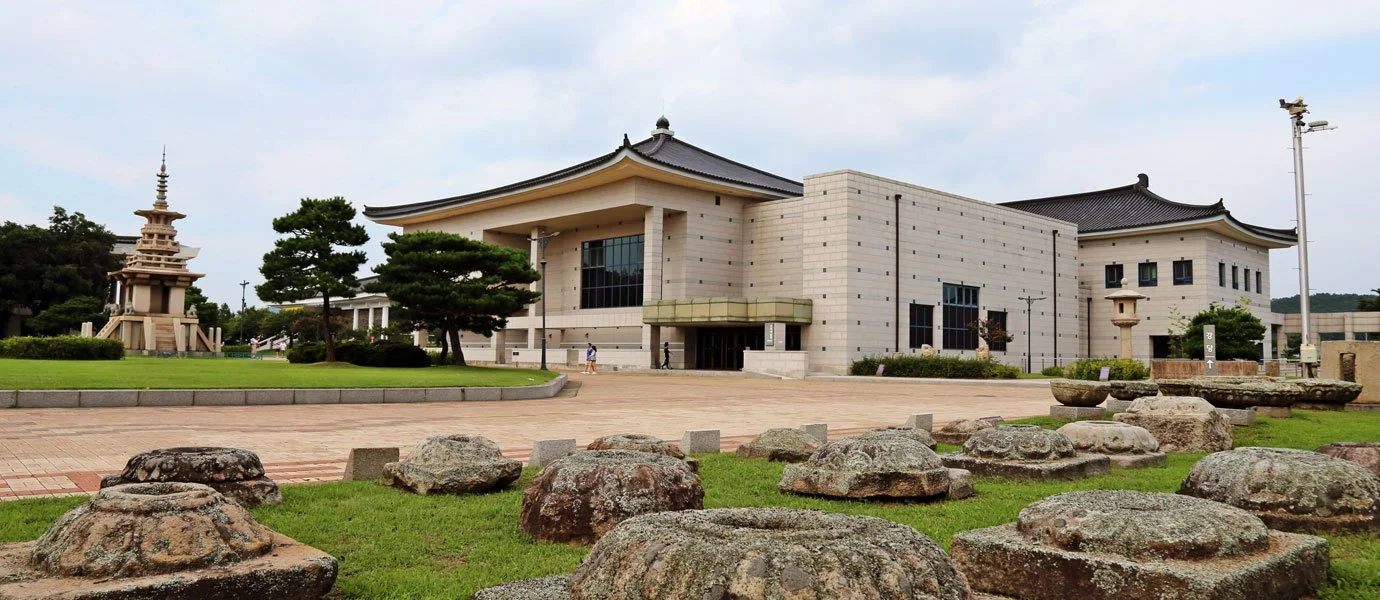
At Gyeongju National Museum, visitors can explore the history and art of the thousand-year Silla Dynasty. The museum displays over 3,000 relics unearthed around Gyeongju, including the Sacred Bell of Great King Seongdeok (also known as the Emille Bell), exquisite gold crowns, and Buddha statues. These treasures are showcased in the permanent exhibition galleries, outdoor displays, and special exhibitions.
Food to Taste
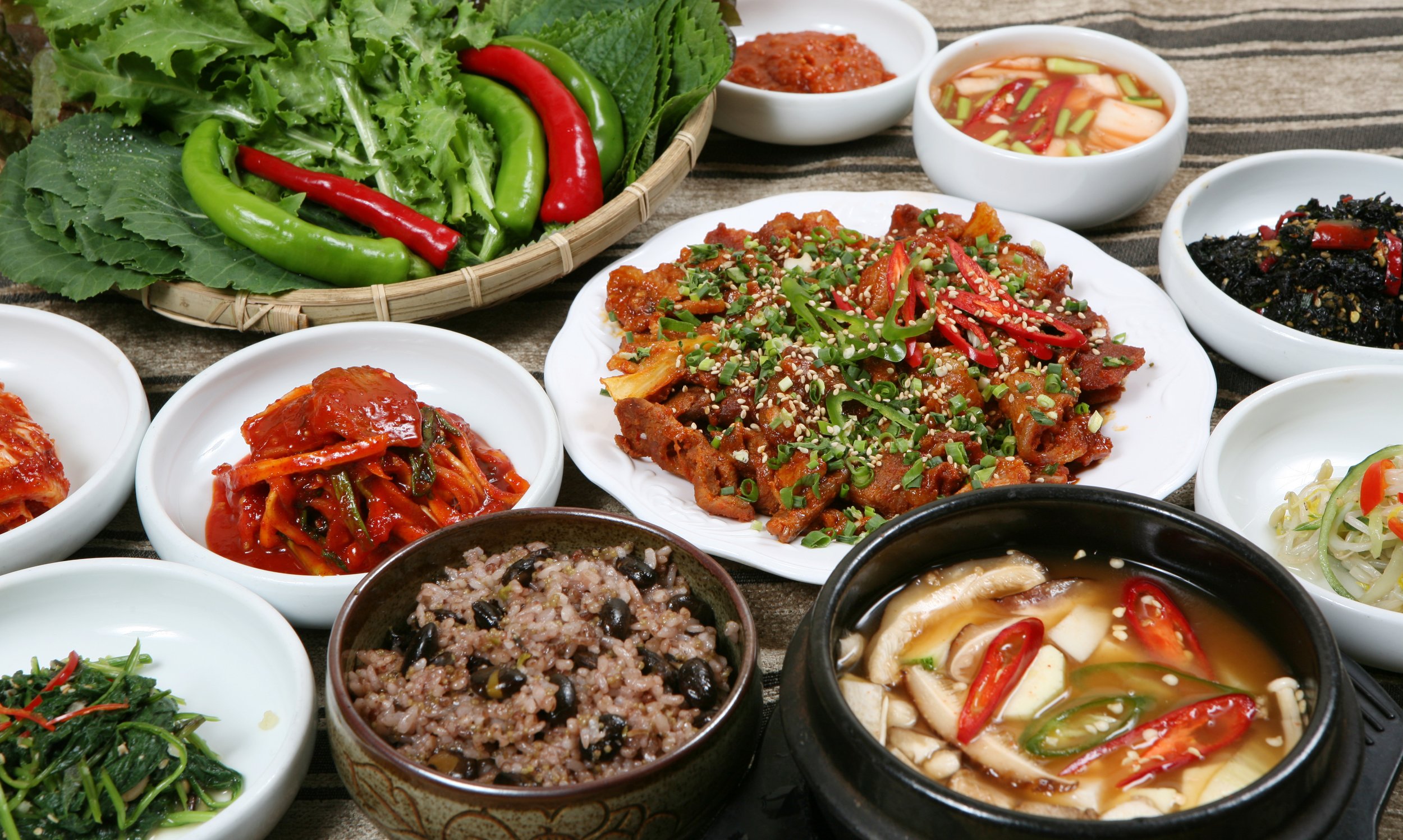
Ssambap
Served with grilled meat, rice, and dozens of side dishes, allowing diners to wrap each bite themselves in fresh leafy greens. Known for its generous portions and interactive style, making every meal both fun and filling.
The most popular place to experience authentic ssambap is Gyeongju Ssambap Street, a cluster of specialized restaurants where you can enjoy a wide variety of ssambap dishes.
📍Highly Recommended restaurants:
Gyodong Sssambap: A well-known local restaurant featured on several Korean TV programs, famous for its clean atmosphere and generous servings of about 25 side dishes.
Eepungnyeoguro Ssambap: Located near Cheomseongdae Observatory, this restaurant is known for using minimal chemical seasonings to preserve natural flavors.
Sigol Ssambap: Well known for its authentic, country-style ssambap, featuring a wide variety of side dishes and traditional Korean home cooking.
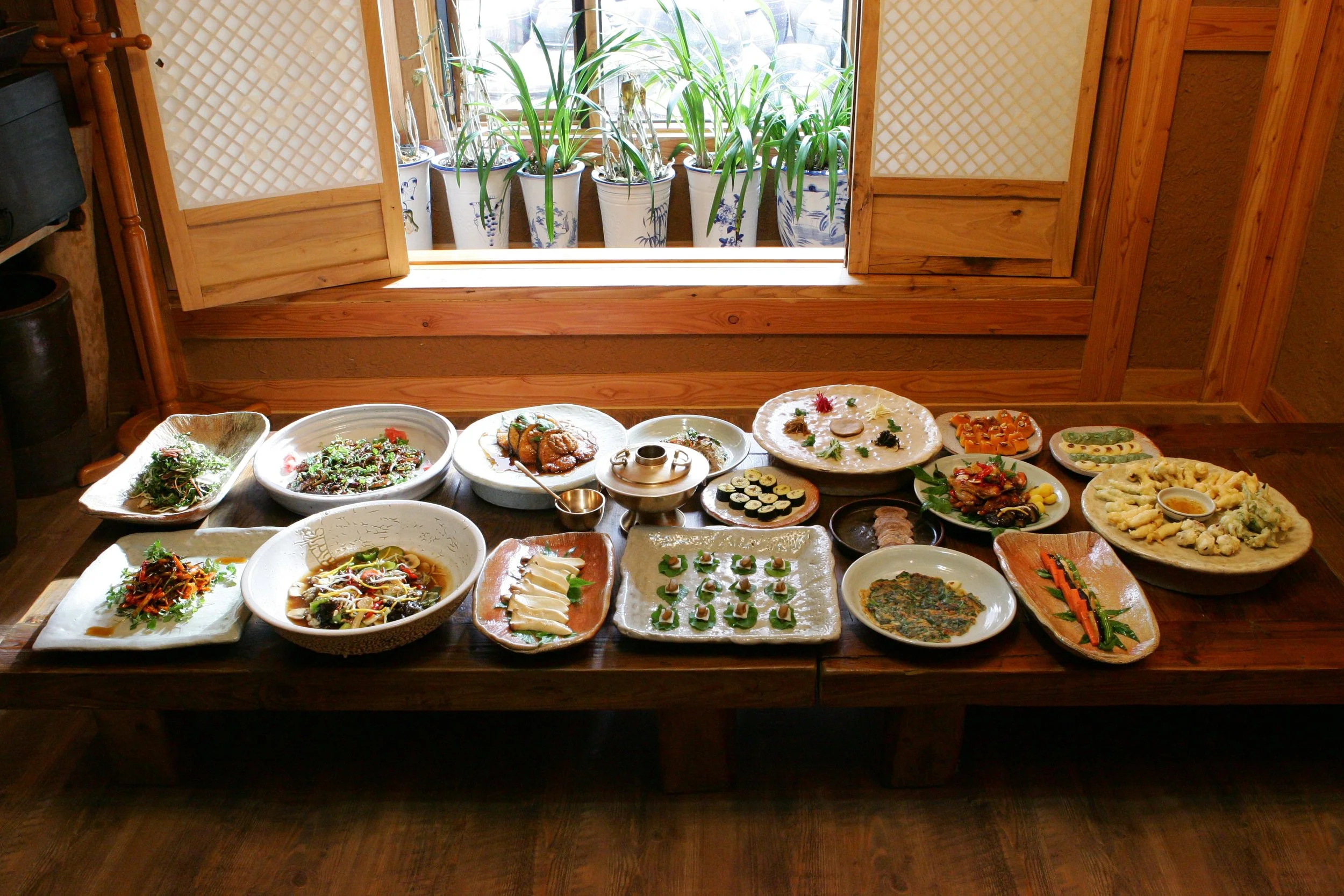
Hanjeongsik
A traditional Korean set meal featuring rice, soup, main dishes, and a wide variety of side dishes. Often served in calm, traditional settings, offering both a satisfying meal and a cultural experience.
📍Recommended Hanjeongsik Restaurants:
Hongsi Hanjeongsik: Renowned for its extensive spread of up to 7 appetizers, 17 main dishes, and 2 desserts, it is also praised for its flavorful dishes and unique 10-herb medicinal tea.
Dosol Maeul: A popular spot in the Hwangridan-gil area, known for its authentic flavors and reasonably priced set meals.
Sanjuk Hanok Village Han Jeongsik: Offers a refined royal cuisine experience within a hanok village, perfect for dining amid traditional architecture.
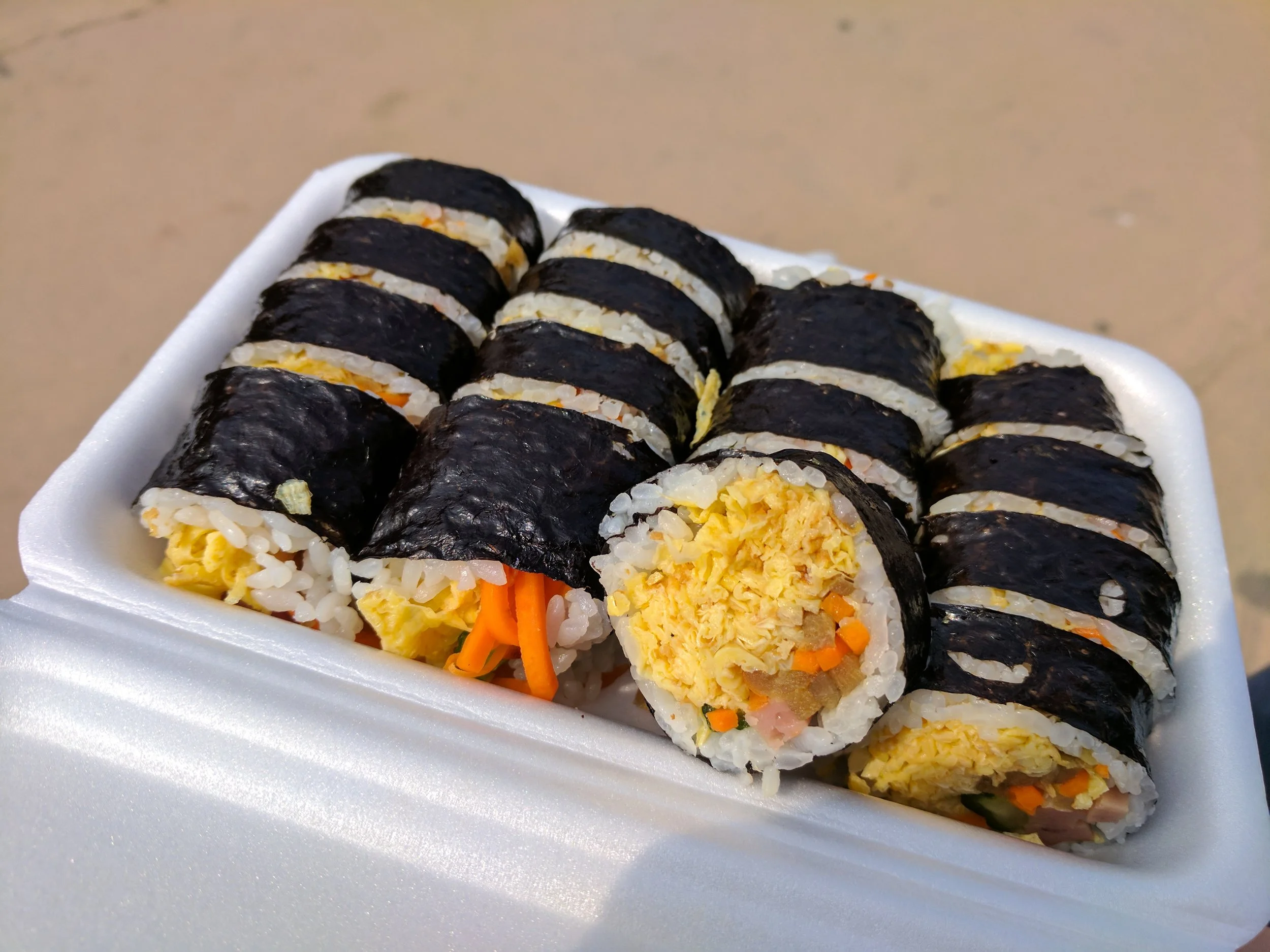
Gyori Gimbap
Made with thin egg sheets and finely chopped fillings, giving it a softer and lighter taste than regular gimbap. A well-known local classic that has been loved for generations since 1960.
📍Gyori Gimbap Locations in Gyeongju
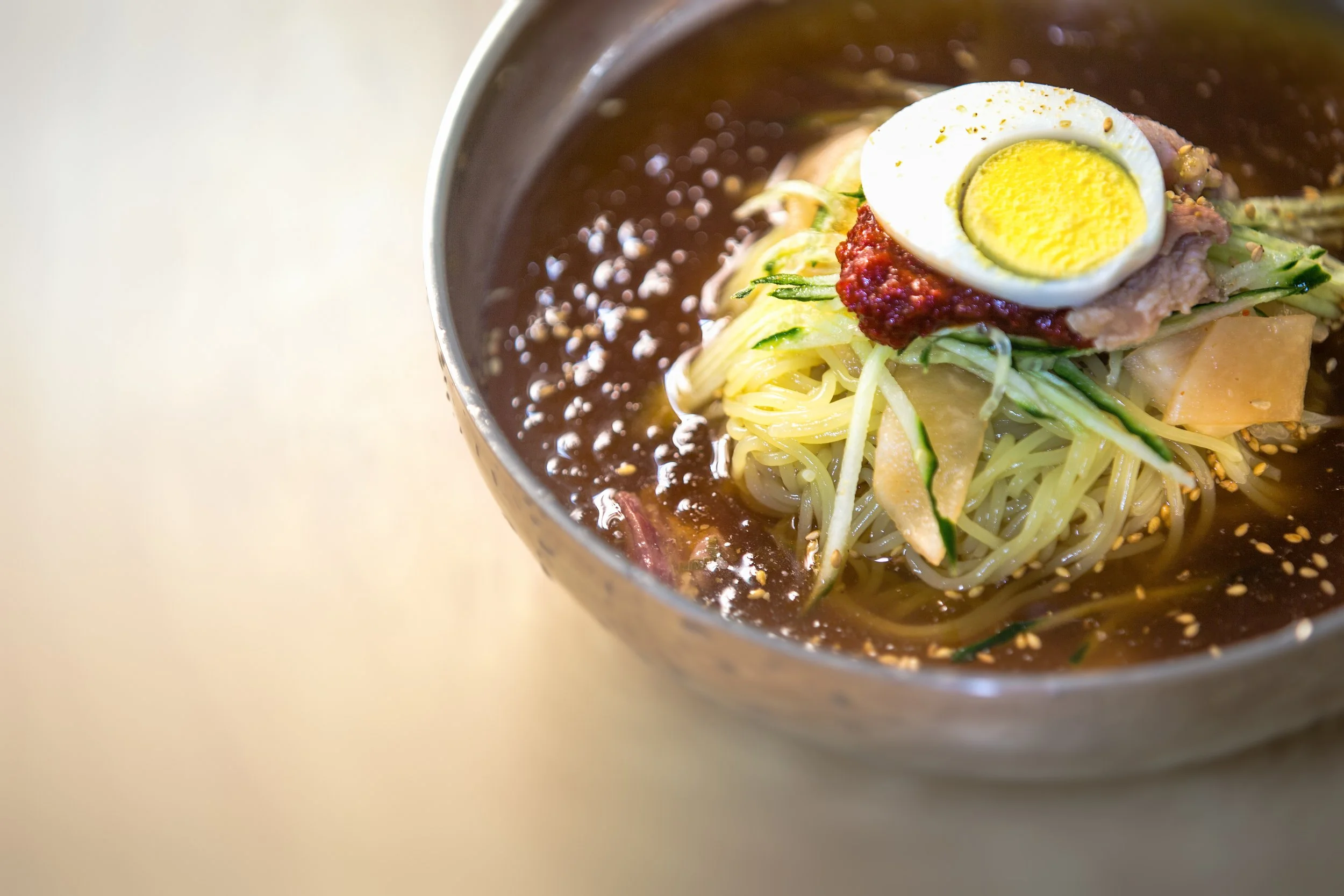
Gyeongju Milmyeon
A cold noodle dish made with chewy wheat noodles, chilled broth, and spicy-sweet sauce, topped with sliced meat and vegetables. Its refreshing temperature and bouncy texture make it especially popular during hot summer days.
Snackies
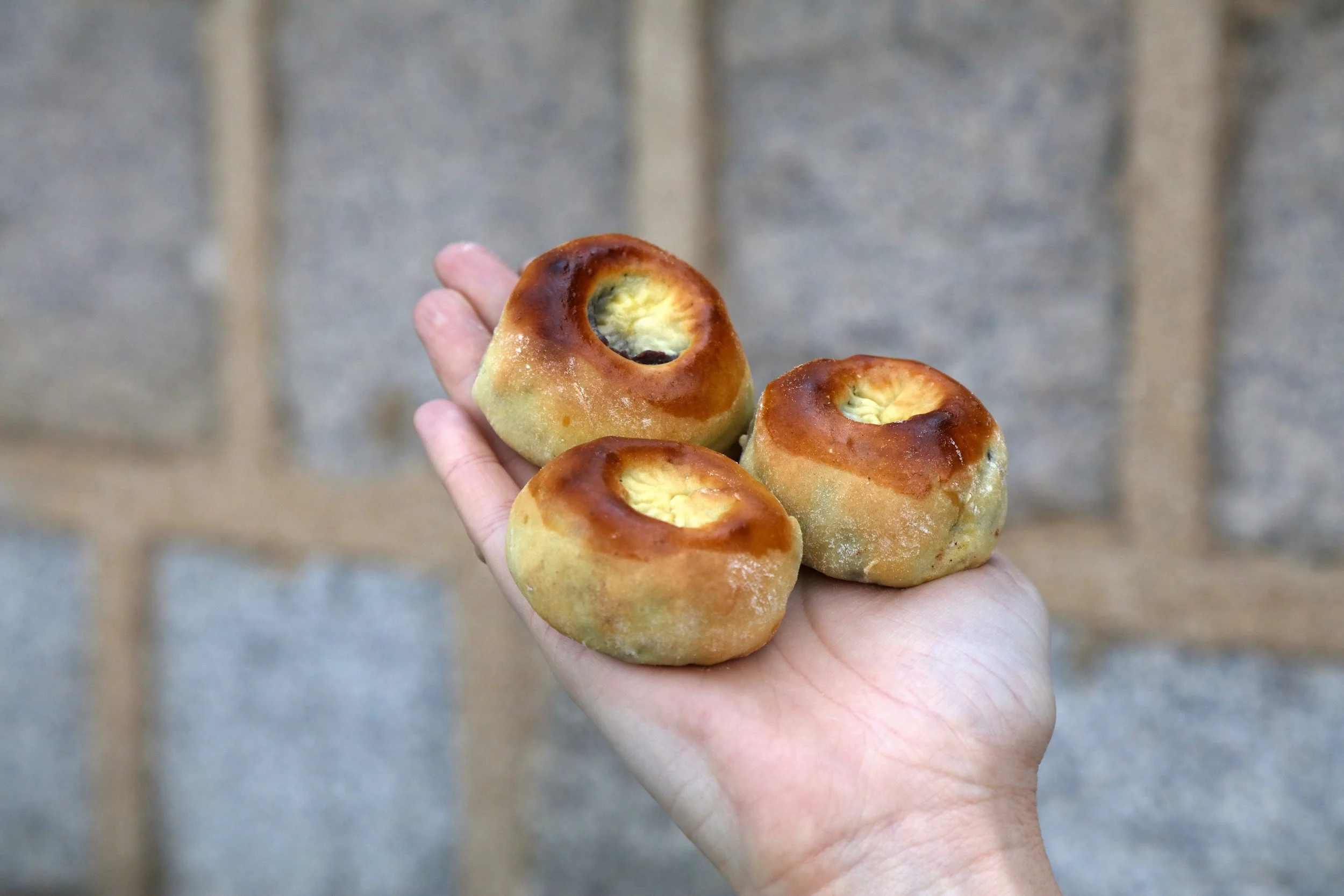
Hwangnam Bread
A small pastry filled with smooth red bean paste and wrapped in a soft, lightly baked crust. Freshly made and neatly packaged, it’s one of Gyeongju’s most famous snacks and souvenirs.

Hwangnam Jjondeugi
A grilled rice snack with a chewy texture and sweet-spicy glaze. Often enjoyed warm on the street, it’s a nostalgic treat that many visitors try while exploring.
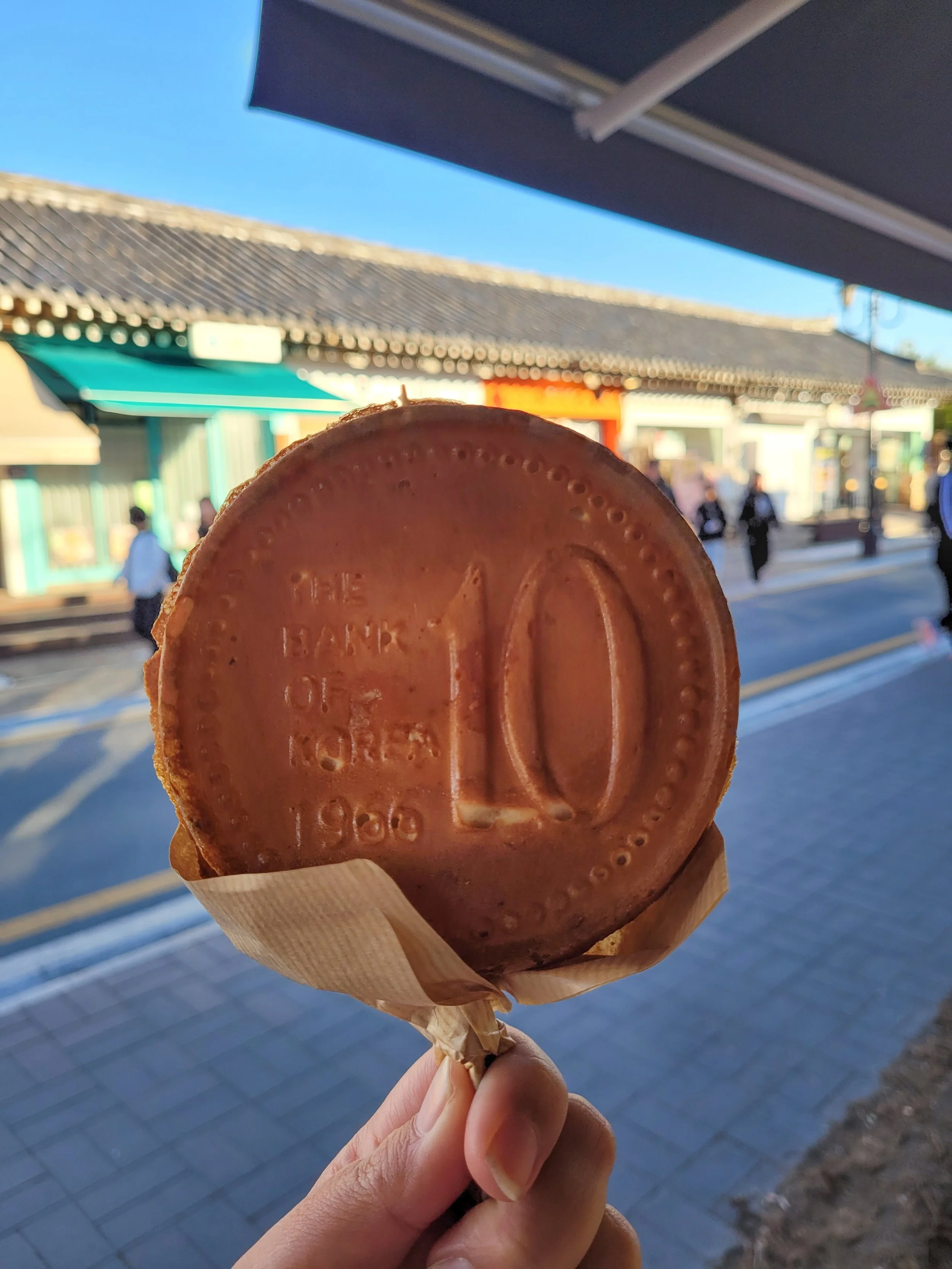
10 Won Bread
A coin-shaped waffle filled with melted cheese and lightly sweet batter. Popular around Hwangridan-gil, it’s loved for its fun design and satisfying cheese pull.
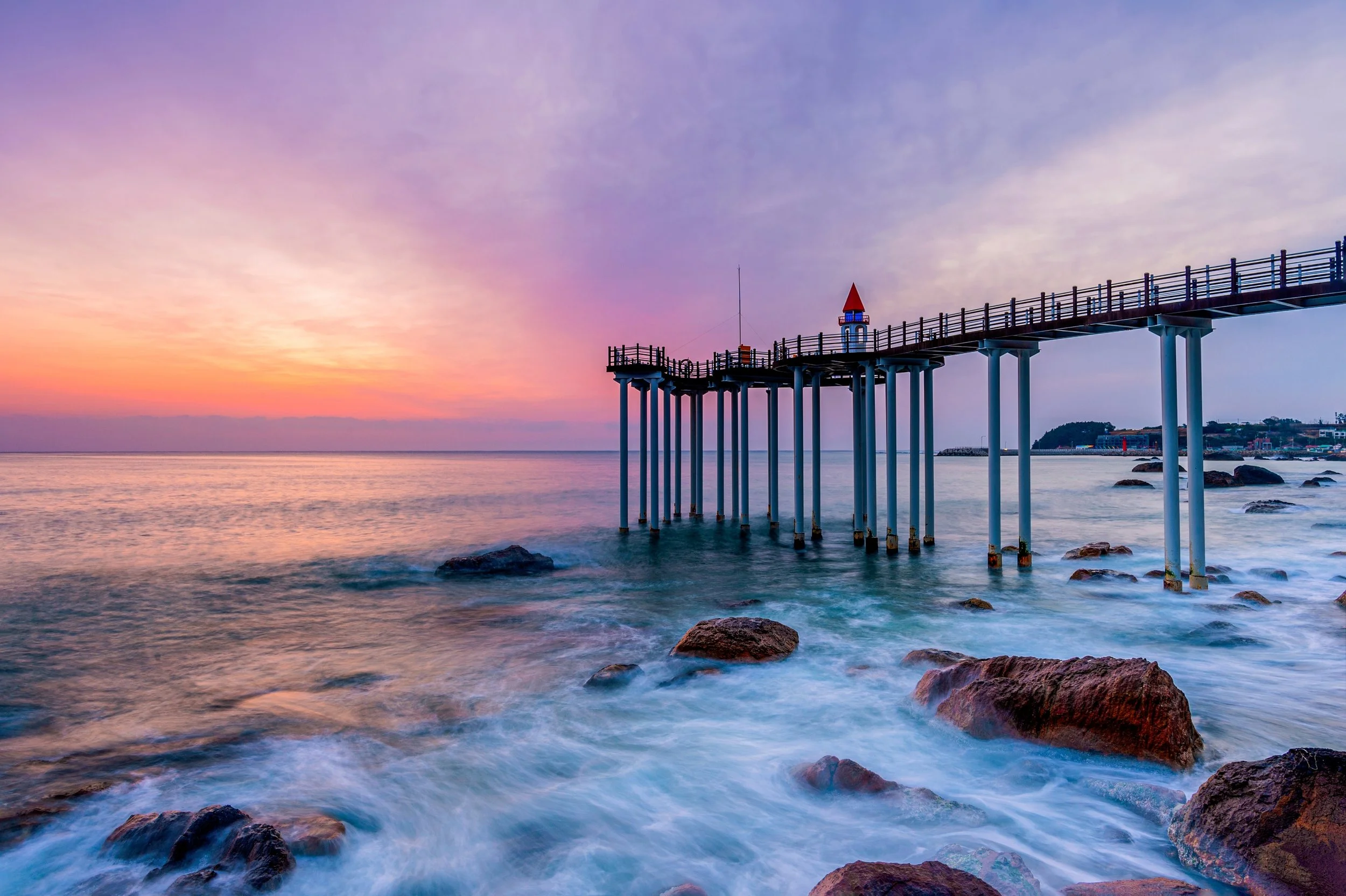
Pohang 포항
A Symphony of Steel and Nature
As the first city in Korea (ROK) to welcome the rising sun, Pohang offers a balance of coastal nature and industry heritage in perfect harmony. Ascend the iconic Space Walk to take in a panoramic view spanning the city’s landscape. Discover the hidden charm of Pohang, where sea, steel, and sunrise come together.
A Steel Meets Nature
Step into a city of unexpected harmony, where industrial heritage meets natural splendour. It is a landscape where the rugged coastline frames the city’s metallic heart. From the lively rhythms of local markets to the serenity of the beach, Pohang rewards the curious travellers with a journey full of surprises. Explore the places that make Pohang truly unforgettable.
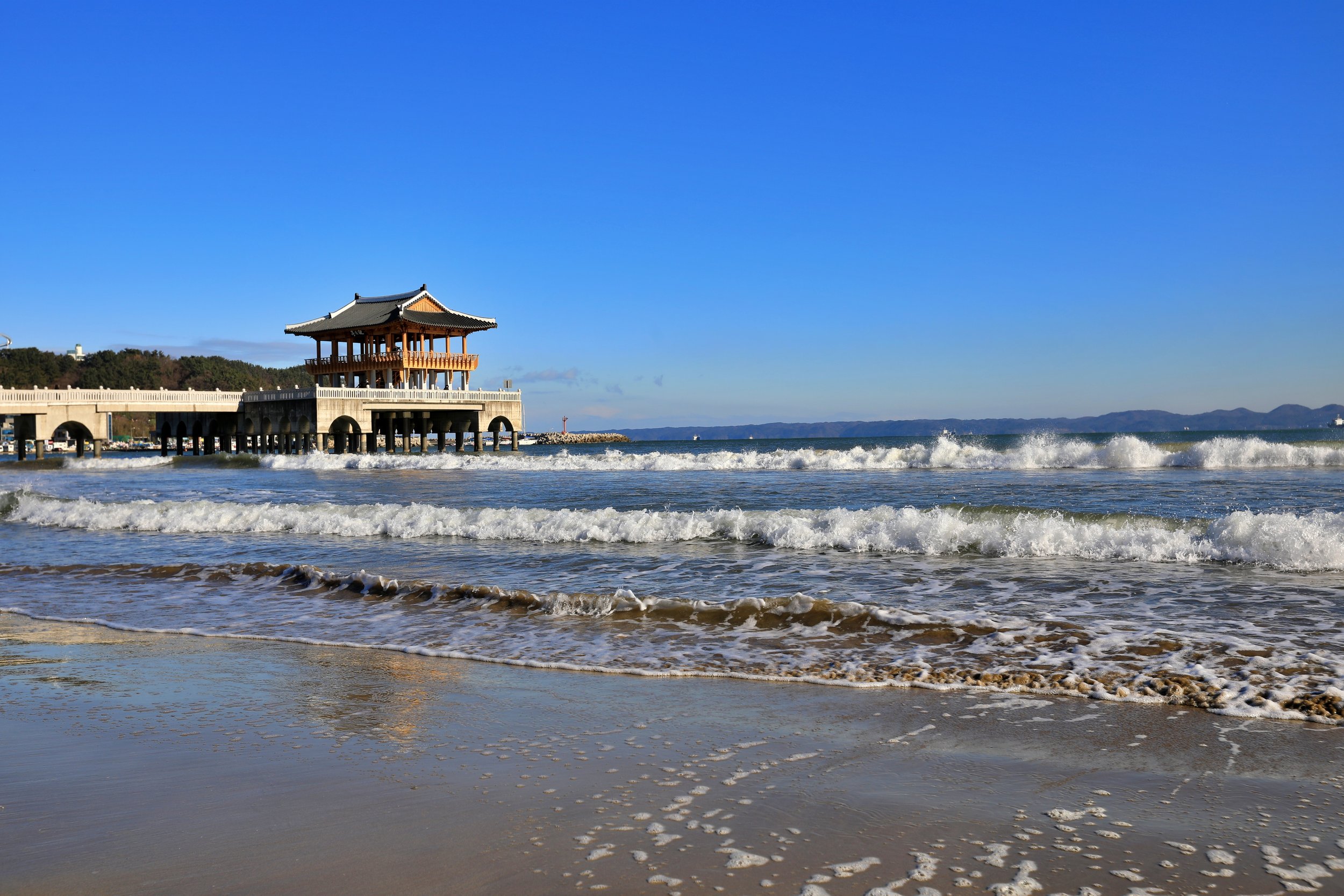
Yeongildae Beach
Yeonggildae Beach is known for its soft white sand and the stunning scenic coastal walk. As day turns to night, the area comes alive with seafood restaurants, cafés, and shops set against stunning night views. Step onto the iconic Yeongildae Pavilion, an oceanfront observation deck offering sweeping views of Pohang’s coastline, where the gentle rhythm of rolling waves completes your experience.
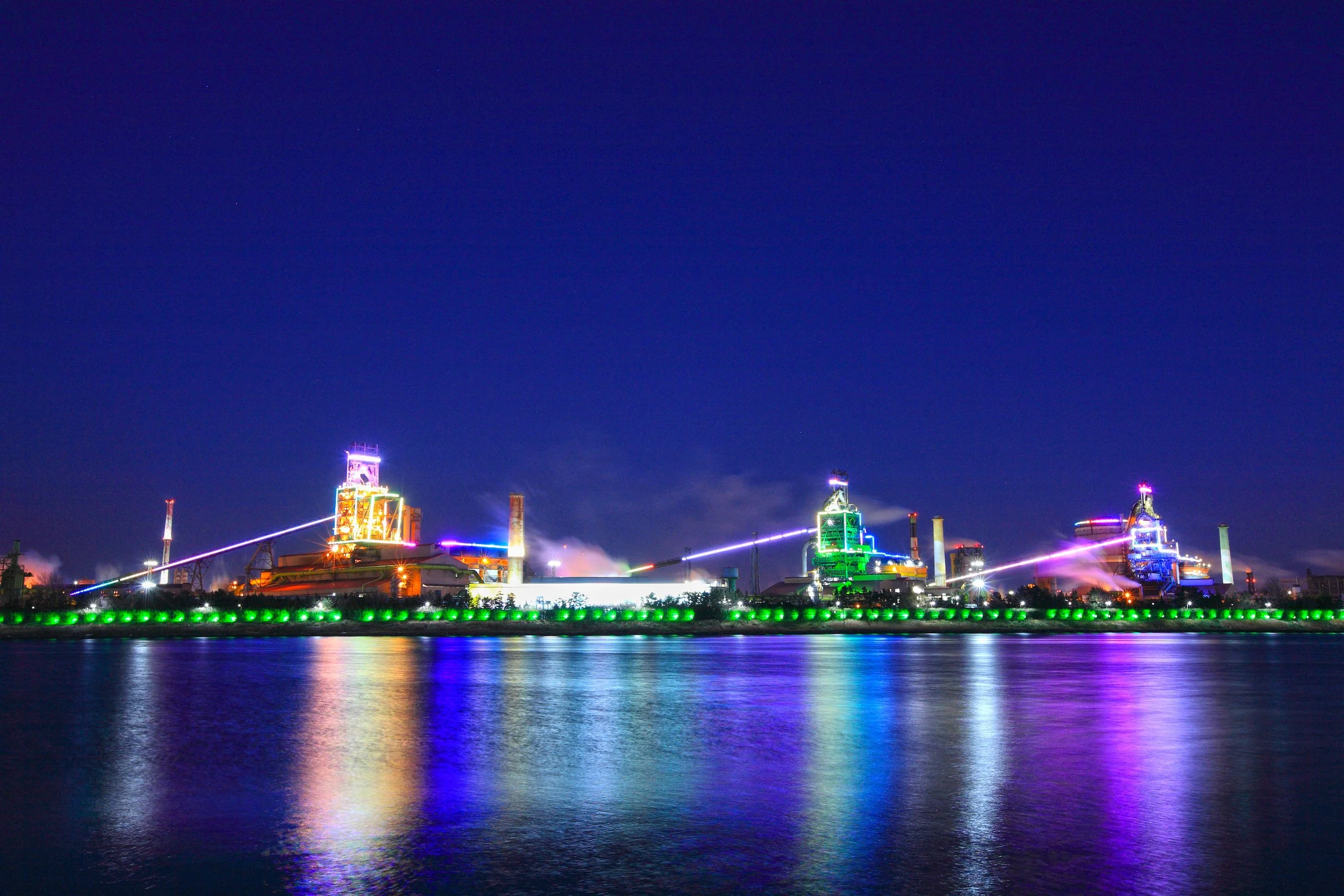
POSCO Night View
POSCO Night View is a fusion of industry, light, and nature. As night falls, the POSCO plants bring the night to life with brilliant LED displays, transforming the steelworks into a dynamic symbol of energy and light. You can experience this unique nightscape from Songdo Beach, Yeongildae Beach, or Haedo Park, each offering a different perspective and charm after dark.
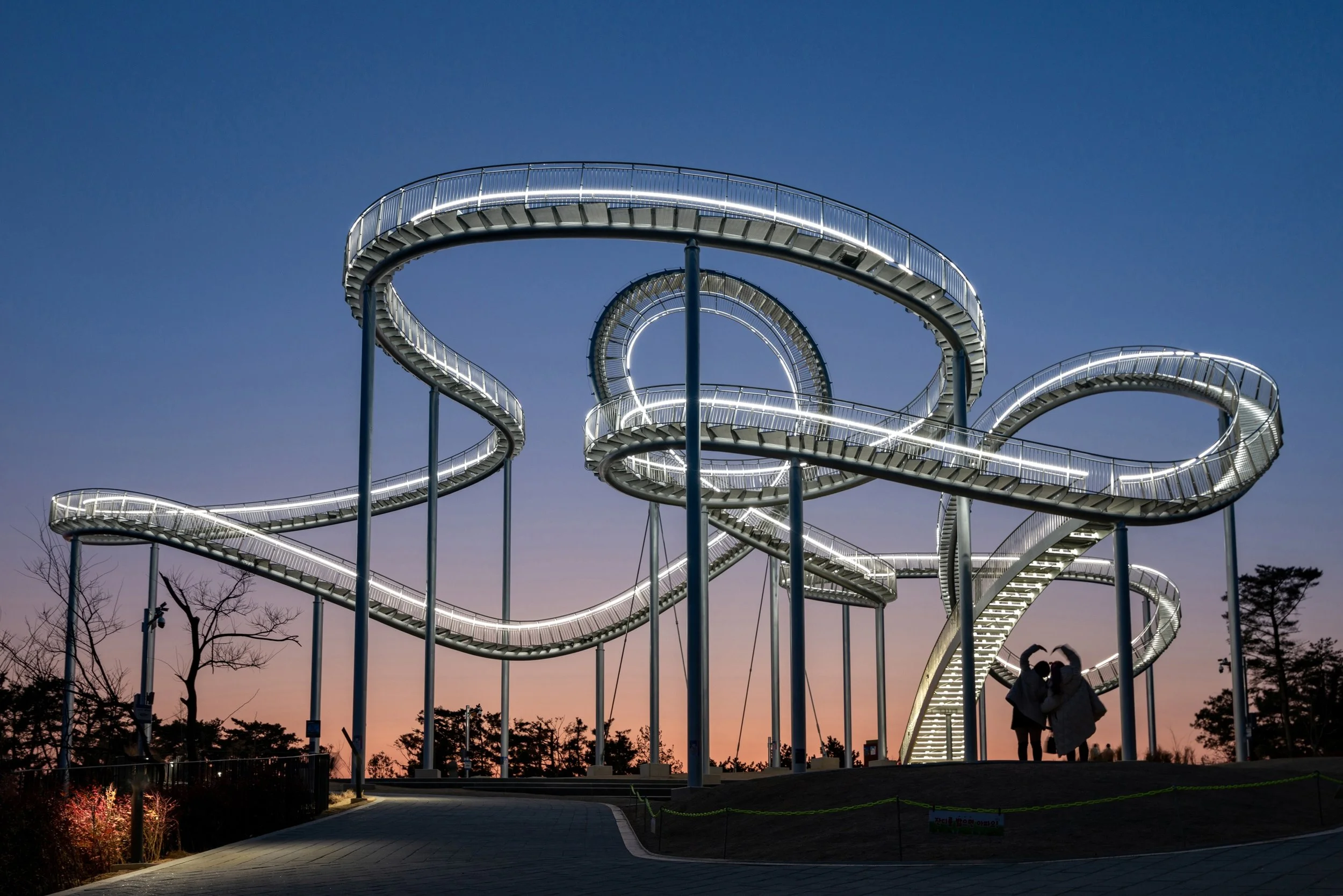
Space Walk
Space Walk symbolises Pohang as a “city of steel and light”, defined by elegant steel curves and radiant night illumination. Stretching 333 metres in length and rising 25 metres above the ground, this walkable art installation offers a full 360-degree view spanning the city skyline, glowing steel mills, and the golden hues of sunrise and sunsets over Yeonggil Bay. Spend around 30 minutes taking in the scenery and capturing unforgettable moments from every angle.
There are downtown area neighborhoods to explore:
-
![]()
Pohang Maritime Sky Walk
Discover the thrill of Korea's longest ocean skywalk. Located at the very tip of Yeonam Port, this striking structure features a transparent glass floor that makes you feel as if you are walking on the sea. With sweeping panoramic views of Yeongil Bay's precipices and a unique 1.2-meter-deep sea pool, it is the perfect spot to take in the breathtaking beauty of the Pohang coastline.
-
![]()
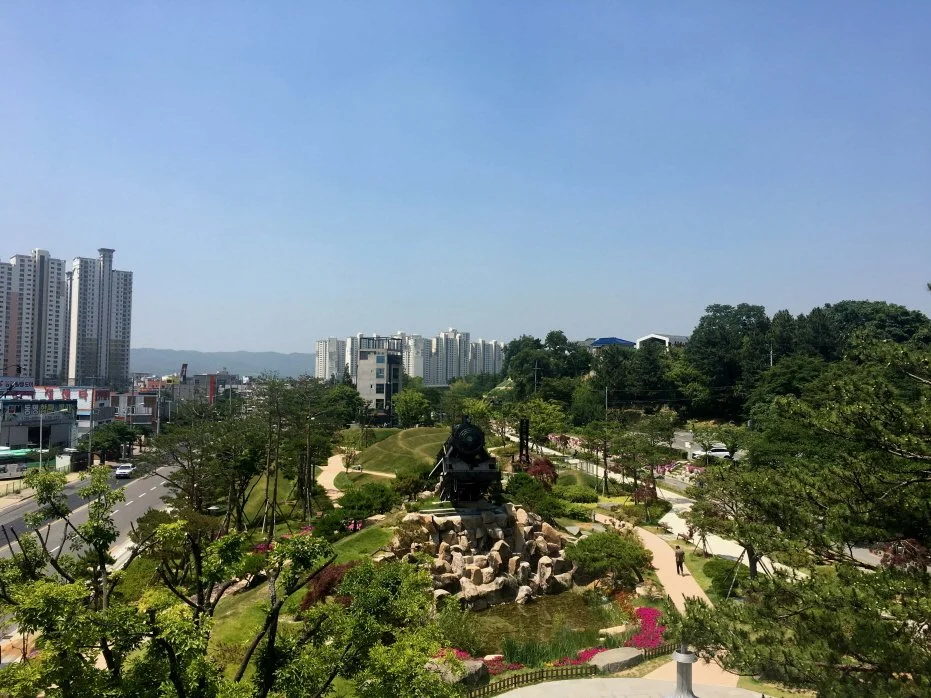
Pohang Railroad Forest & Fire Garden
Following the relocation of the KTX station, this once-abandoned railway site was transformed into a vibrant urban park. Now recognized as one of Korea's premier examples of urban regeneration, it invites visitors to stroll along forested paths lined with wall fountains, music fountains, and steel artworks. During its construction, an excavation drill struck a natural gas pocket 200 meters underground, sparking a fire that has been burning continuously ever since. Officially named the 'Fire Garden' in 2017, this never-ending flame offers a truly unforgettable sight.
-
![]()
Jukdo Market
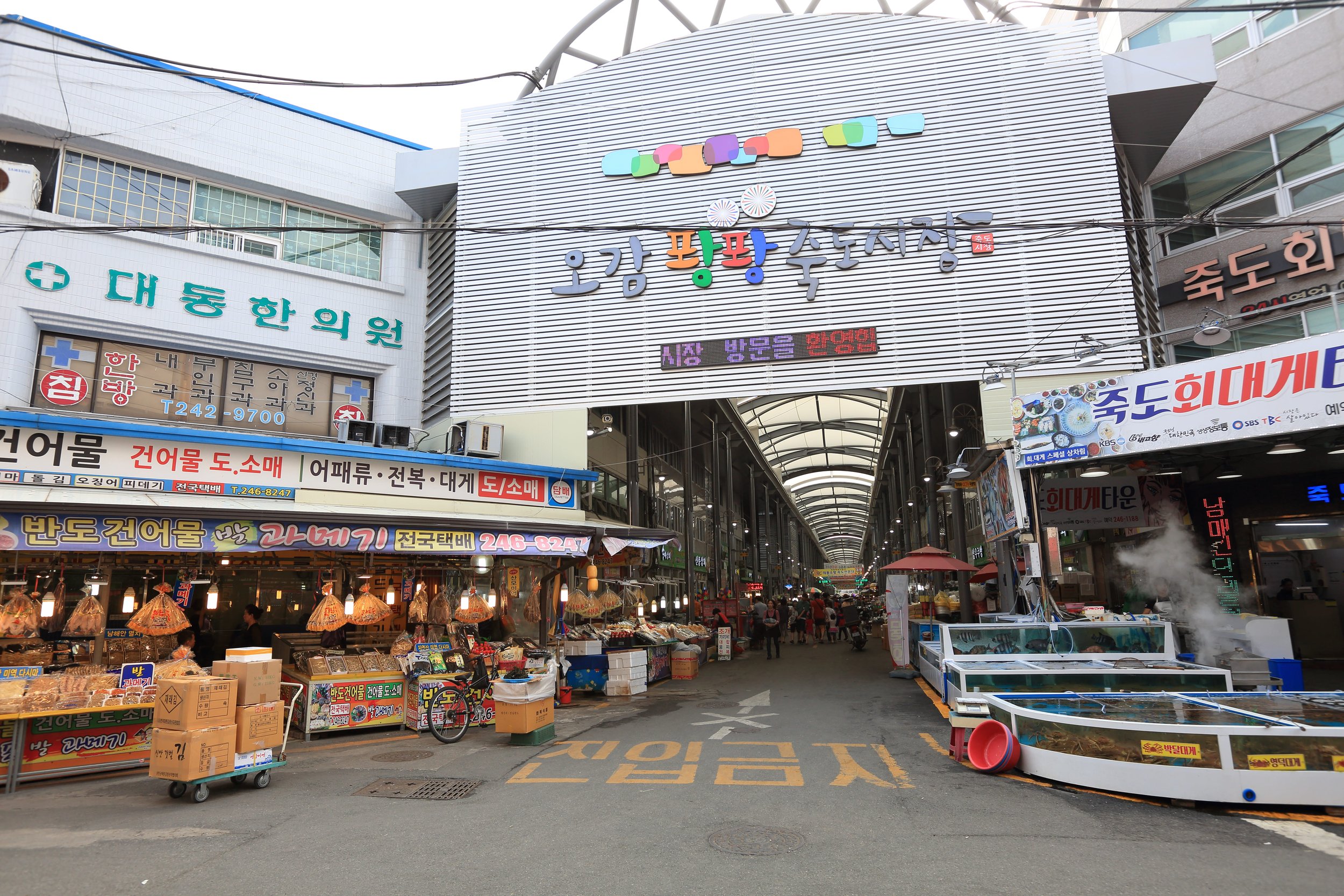
Experience the authentic taste of Pohang at its signature traditional market, home to over 2500 stores offering a vast array of products, including seafood, agricultural products, clothing, toys, and tableware. It is the ultimate destination to sample local favorites like Mulhoe, fresh Snow Crab, and the Winter Gwamegi. With bustling alleys packed with diverse delicacies and rich aromas, the market offers a delicious journey into the heart of Pohang.
-
![]()
Pohang Canal & Cruise
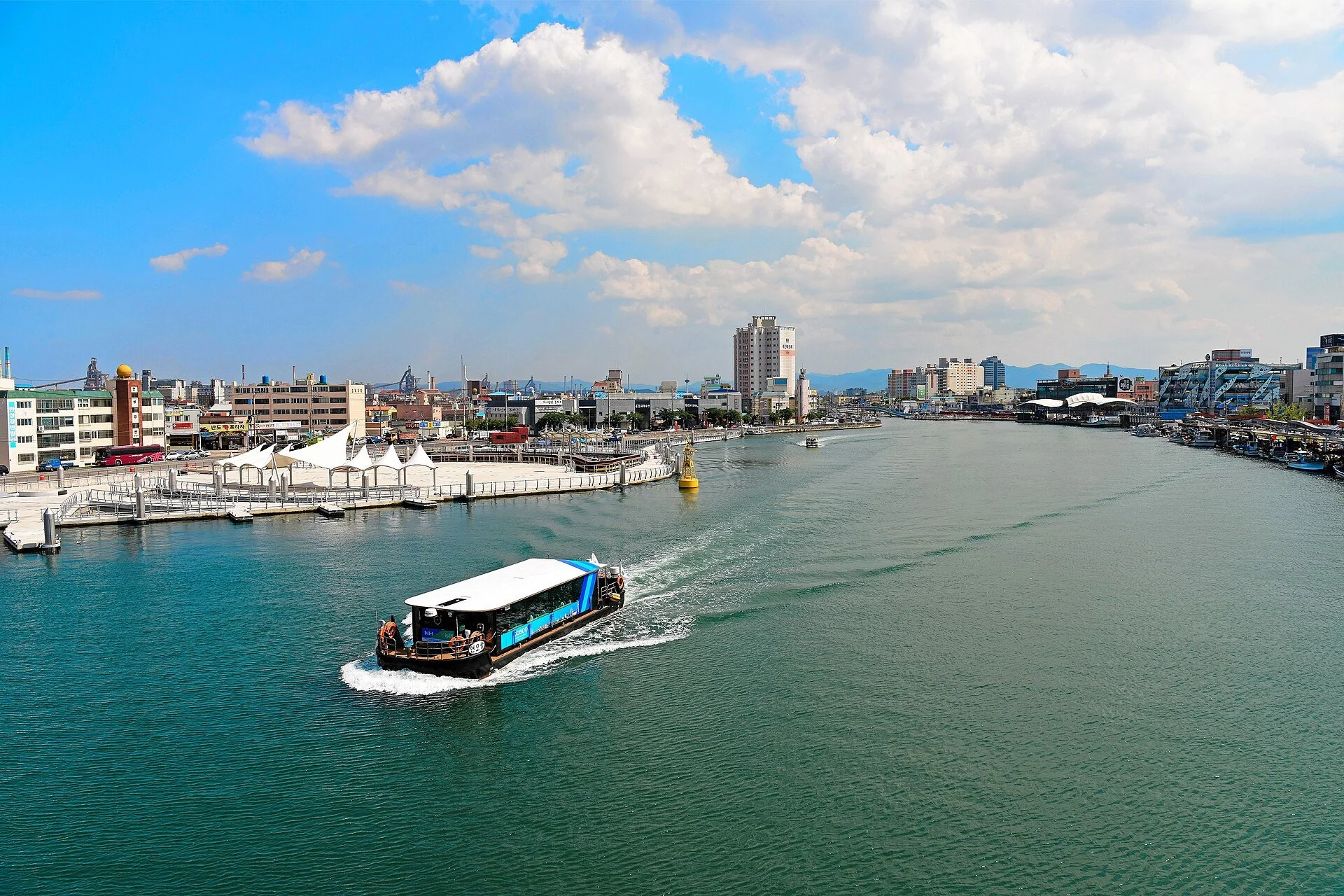
As Korea (ROK)’s only restored urban waterway, the Pohang Canal connects the river to the ocean, breathing new life into the city centre. You can enjoy a scenic cruise through the heart of Pohang, sailing from the river out to the East Sea while passing major landmarks like the Pohang Naval Ship and the POSCO steelworks. Before leaving, stop by the Pohang Canal PR Hall to learn the incredible story of how this waterway was brought back to life.
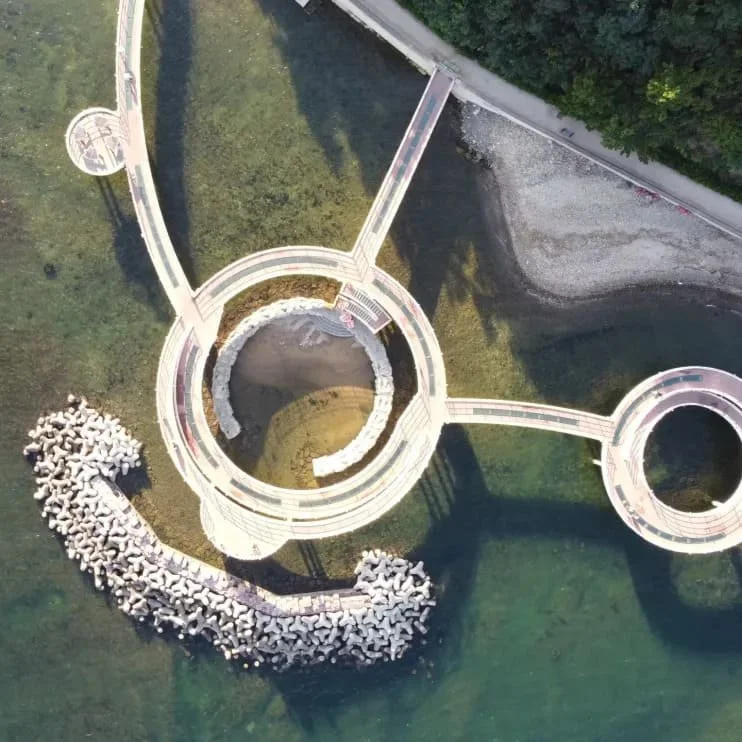
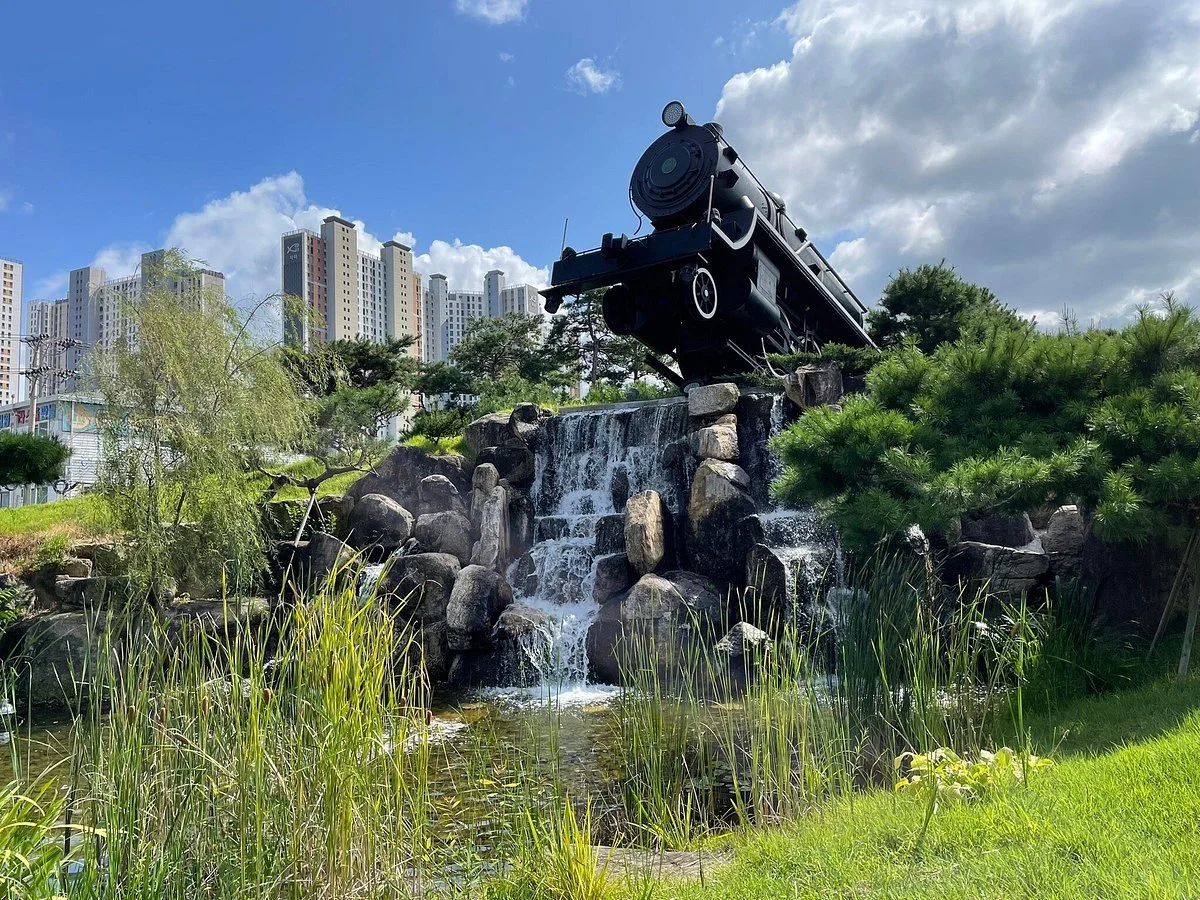
Homigot Tourism Complex
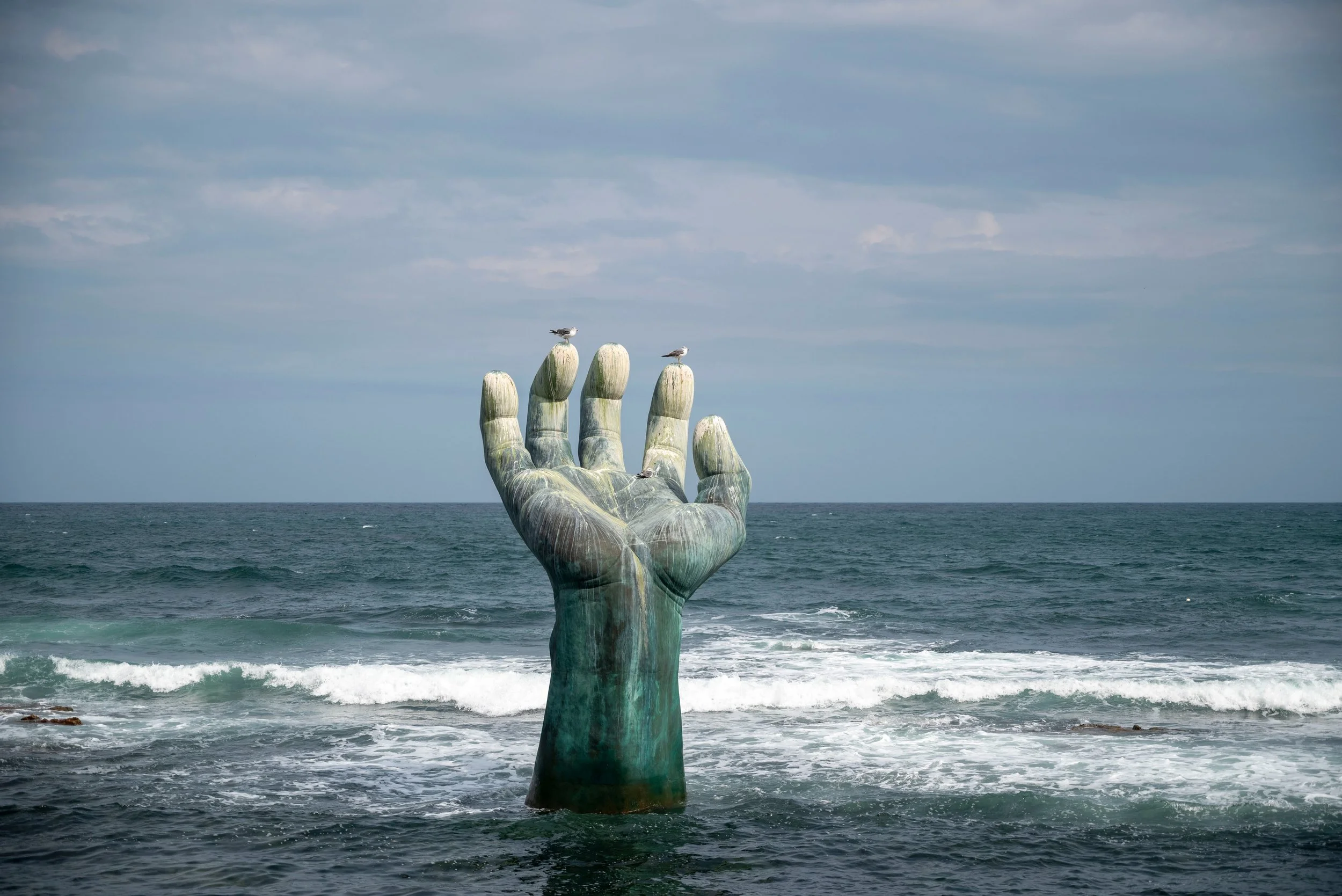
Situated at the 'tail' of the tiger-shaped Korean Peninsula, the Homigot Tourism Complex is famous for its breathtaking sunrise views. Rising from the sea, the iconic “Hand of Harmony” symbolises hope and unity, marking the dawn of the new millennium. The surrounding Sunrise Plaza, where the ocean hand faces its land-based counterpart, is the famous gathering place for the annual New Year’s Day Sunrise Festival.
Beyond the iconic 'Hand of Harmony,' you can visit these nearby coastline spots, which offer a tranquil escape to take in the coastal beauty, explore local history, and the perfect atmosphere to rest your mind:
-
![]()
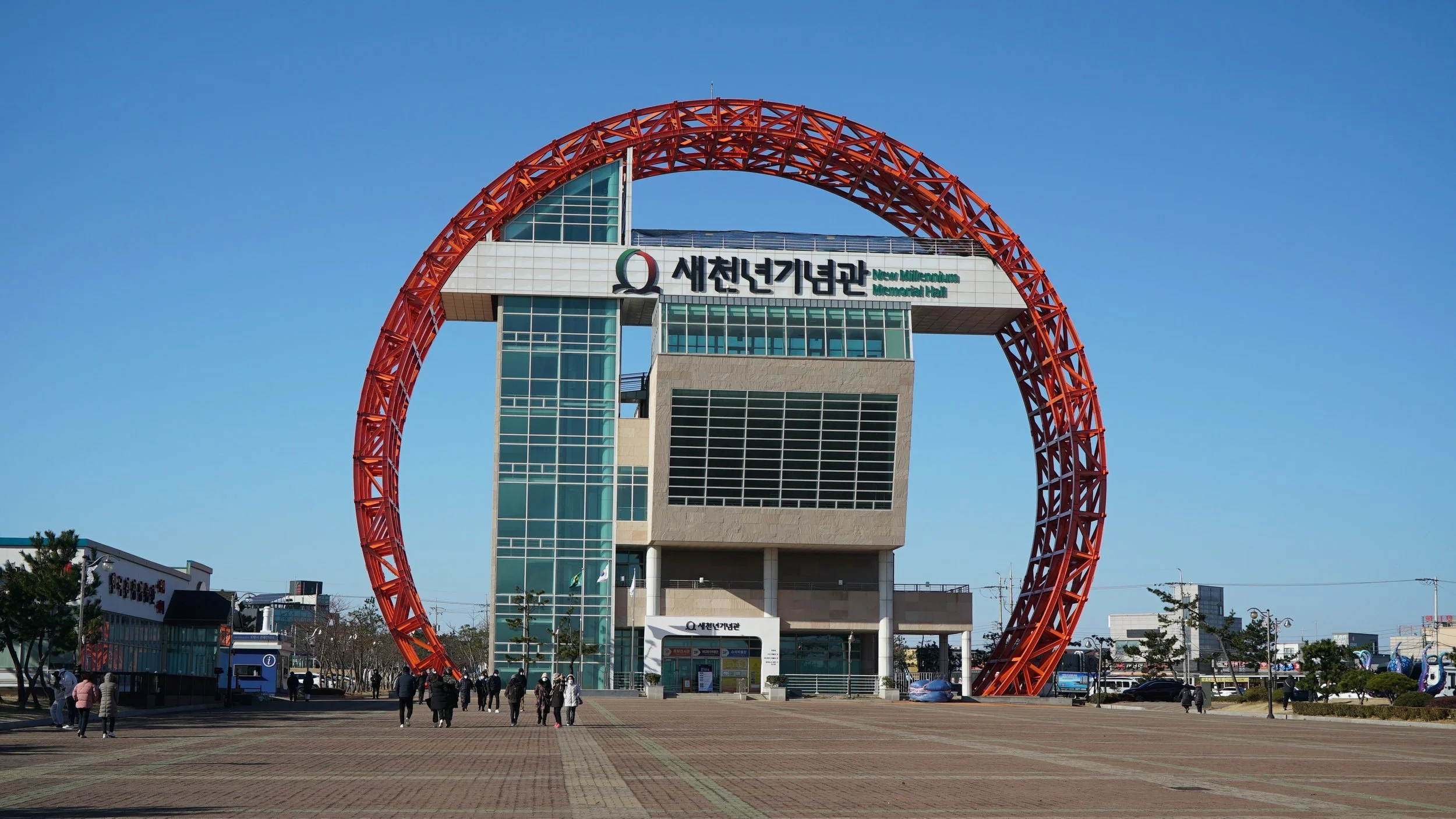
New Millennium Memorial Hall
The New Millennium Memorial Hall offers a comprehensive look into the past, present, and future of Pohang. Inside, visitors can explore the city's rich history, culture, and industry, alongside unique attractions like a sea fossil museum, a suiseki (viewing stone) exhibit, and an interactive VR zone. The crowning jewel of the hall is its rooftop observatory, providing the perfect vantage point to take in the panoramic beauty of the East Sea and the majestic sunrise over Homigot.
-
![]()
Homigot Peninsula Coastal Trail
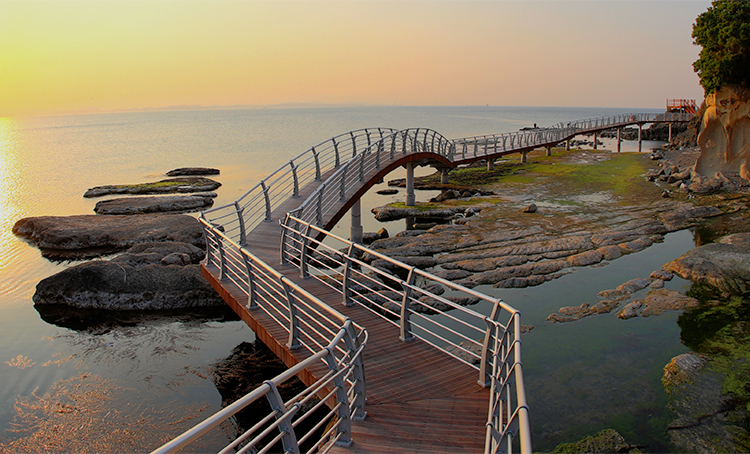
This coastal trek extends to the east along Yeongilman Bay; the trail is divided into four distinct courses that begin in Cheongrim. As you follow the rugged coastline, the paths will guide you through scenic highlights like Dogu Beach, the dramatic rock formations of Seonbau-gil, and the lively port of Guryongpo, all leading toward the breathtaking destination of Homigot Sunrise Square.
-
![]()
Yeonorang and Seonyeo Theme Park
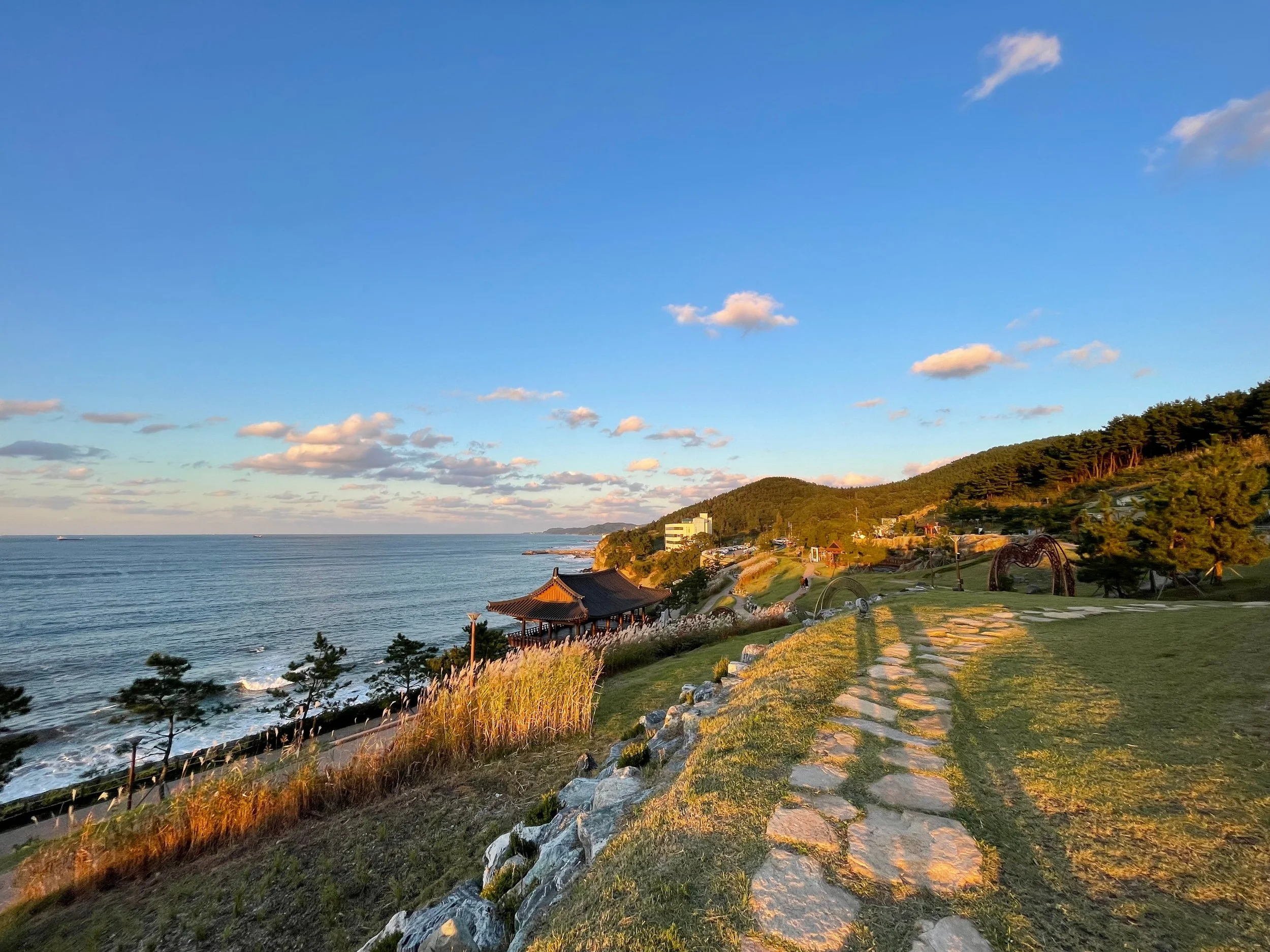
Yeonorang Seonyeo Theme Park is a cultural destination that brings the legend of the sun and moon to life through traditional gardens and cultural exhibitions. Start your visit at the Ilwoldae Pavilion for panoramic ocean views, then stroll along the connected Homibando Coastal Trail. The experience peaks at dusk, when the sunset glows between the rugged cliffs and blends seamlessly with the industrial nightscape of the Pohang Steelworks.
-
![]()
Janggi-eup Fortress & Janggi Exile Culture Experience Village
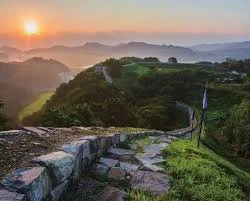
During the Joseon Dynasty, over 200 people were exiled here, including renowned scholars Song Si-yeol and Jeong Yak-yong. Instead of fading away, they educated locals and fostered a unique academic culture. Today, visitors can explore the Exile Culture Experience Village alongside the historic Janggi-eupseong Fortress built to deter foreign invasions, and the scenic Janggicheon Stream flowing toward the East Sea.
-
![]()
National Lighthouse Museum
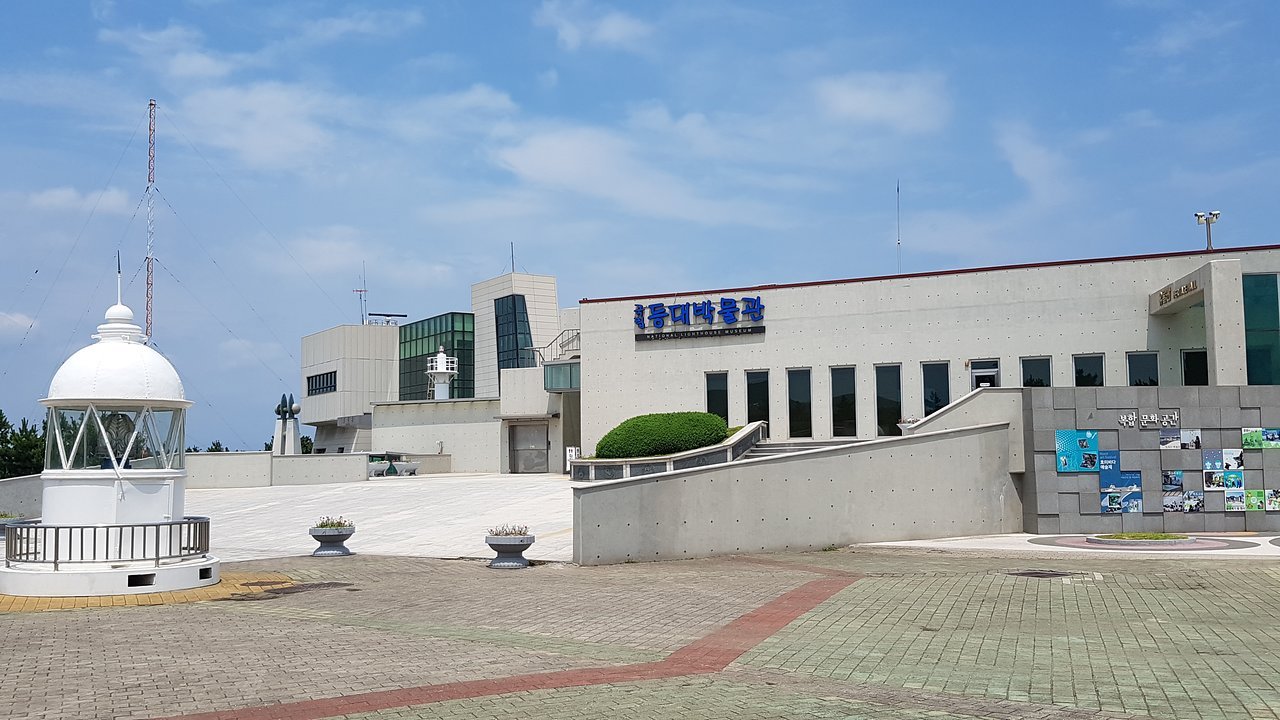
As Korea (ROK)'s one and only National Lighthouse Museum, it is dedicated entirely to the guardians of the sea. This Museum was established to share the profound "philosophies of the ocean" with the public, highlighting the crucial role these beacons play in safely guiding mariners home. Designated as Gyeongsangbuk-do’s Local Cultural Heritage No. 39, this fascinating site beautifully preserves the historical and cultural legacy of the coast.
Let’s Go Hiking
This destination is defined by much more than just the sea and modern marvels; it also boasts some of the most stunning hiking paths in the country. Designed for casual explorers seeking scenic beauty and avid hikers seeking a rewarding challenge, these sites offer a truly unforgettable outdoor adventure featuring thousand-year-old temples and dramatic mountain panoramas.
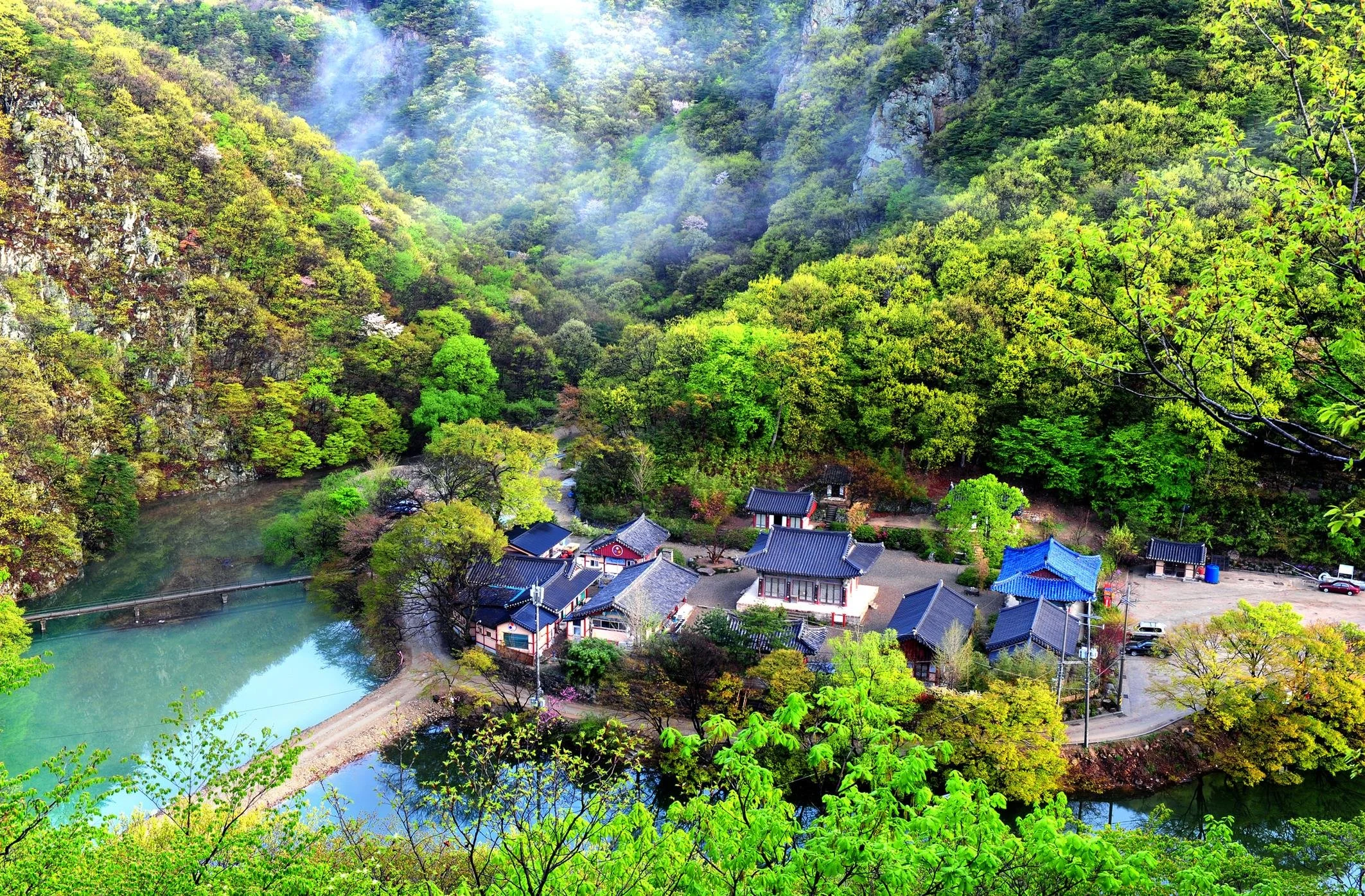
Oeosa Temple
Located on the Unjesan Mountain and built during the reign of King Jinpyeong of the Silla Dynasty, Oeosa Temple offers a tranquil atmosphere where you can relax and explore at a leisurely pace. The temple is home to significant treasures, including a Silla-era Bronze Bell surrounded by coins for good fortune, and the iconic straw hat of the legendary Master Wonhyo in the museum. Don’t miss the suspension bridge, Oeoji Dulle-gil Trail next to the temple; it becomes a stunning spectacle when decorated with lotus lanterns for Buddha’s Birthday, offering a peaceful path to take in the calm of the mountainous temple.
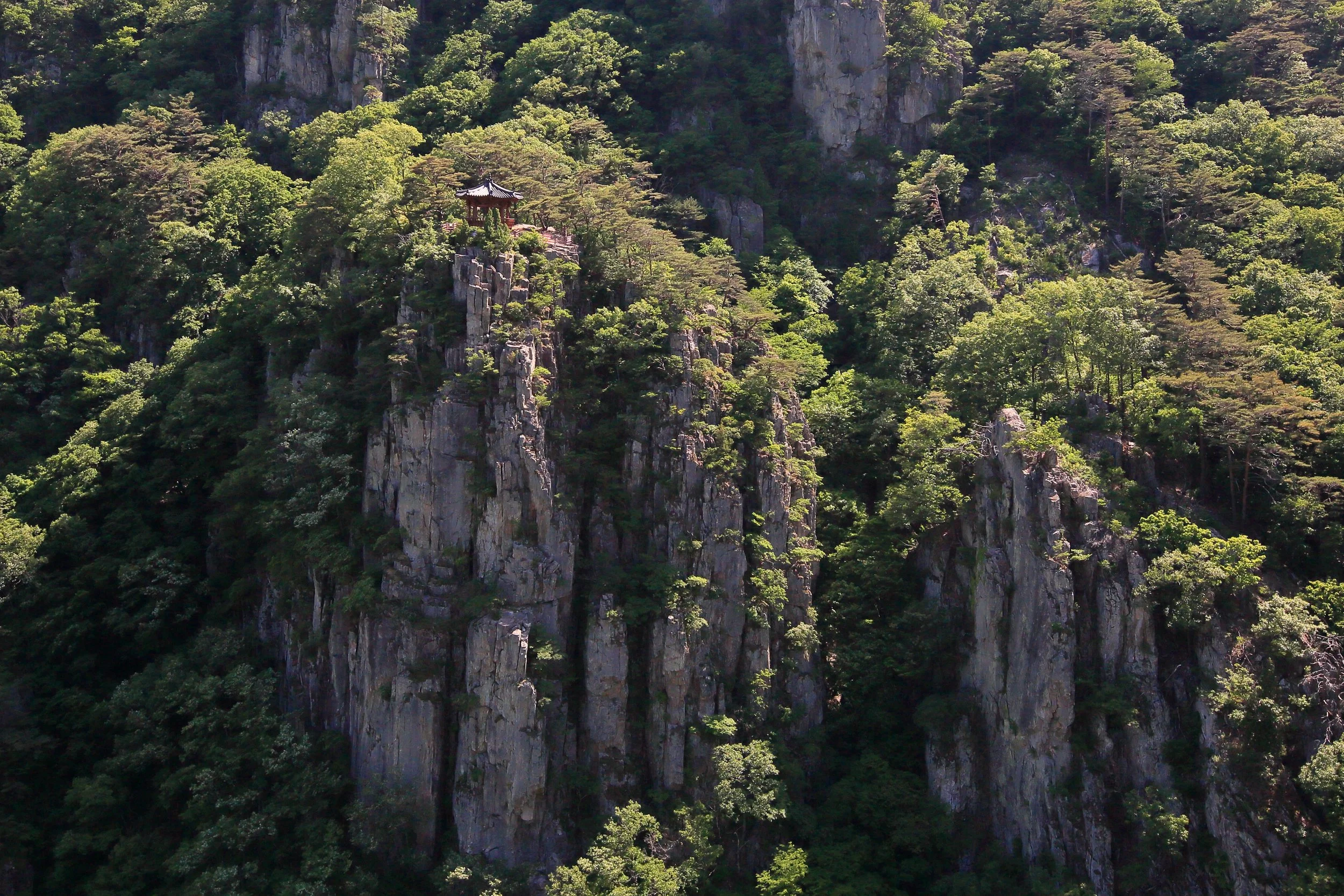
Naeyeonsan Mountain
Selected as one of the '100 Most Famous Mountains' by the Korea Forest Service, Naeyeonsan Mountain is a year-round destination favored by hikers and tourists. It is home to Bogyeongsa Temple, a thousand-year-old Buddhist sanctuary, and the stunning Sibipokpo Falls (12 Waterfalls), which offer beautiful, ever-changing scenery in every season. The mountain offers diverse hiking options, from a gentle trekking course along the Gapcheon Valley to a challenging trail leading to the mountaintop.
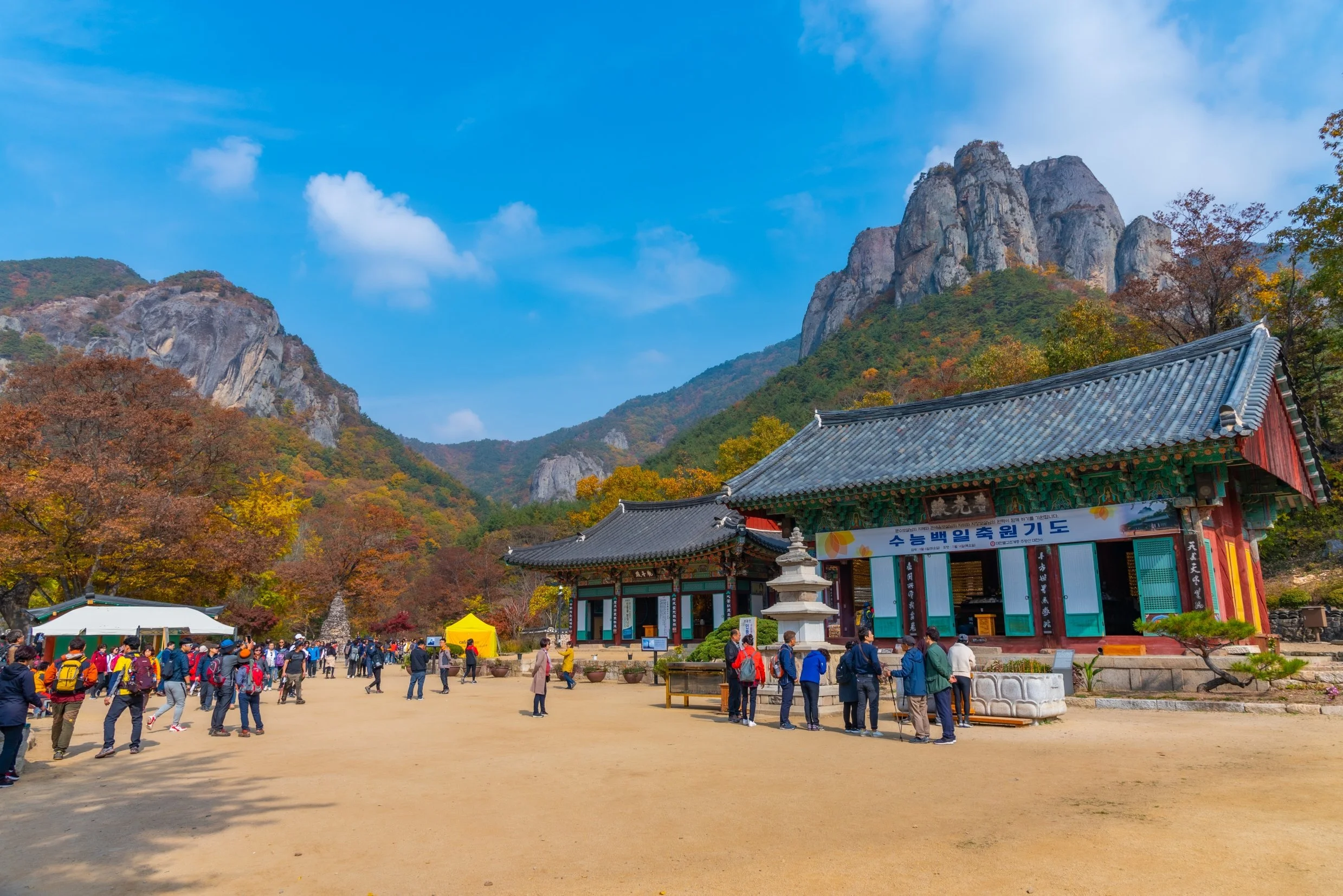
Juwangsan National Park
Designated as Korea (ROK)’s 12th national park and a UNESCO Global Geopark, Juwangsan is celebrated as one of the country’s three major rocky mountains alongside Seoraksan and Wolchulsan. Formed by volcanic activity 70 million years ago, the park features spectacular geological sites like Giam Cliff, Yongchu Gorge, and Jusanji Reservoir. The landscape comes alive with wild azaleas in spring and vibrant maple leaves in autumn. You can explore ancient history at Daejeonsa Temple, built during the Silla Dynasty, or take on the challenging hike to Gamebong Peak for breathtaking views of the Yeongdeok coast and the sea of clouds.
Other Places You Can Visit
-
![]()
Cheolgil Forest
Selected as one of the ‘50 Most Beautiful Urban Forests’ by the Korea Forest Service, this green sanctuary stretches right through the heart of the city. With its mature black pine paths, a 3 km barefoot trail, and a children’s playground, it offers a quiet escape for all generations. Come evening, soft lighting illuminates the trees, transforming the park into a romantic nightspot.
-
![]()
Robo Life Museum
Korea (ROK)'s top robot experience centre is a hub for cutting-edge robotics, AI, and automation. Start at the KIRO PR Centre to see the latest innovations developed by the Korea Institute of Robot and Convergence. Continue your journey by exploring advanced technology in the Robot Training Room and 3D Printing Zone, then wrap up your visit with a futuristic coffee served by a robot barista at the Robot Café.
-
![]()
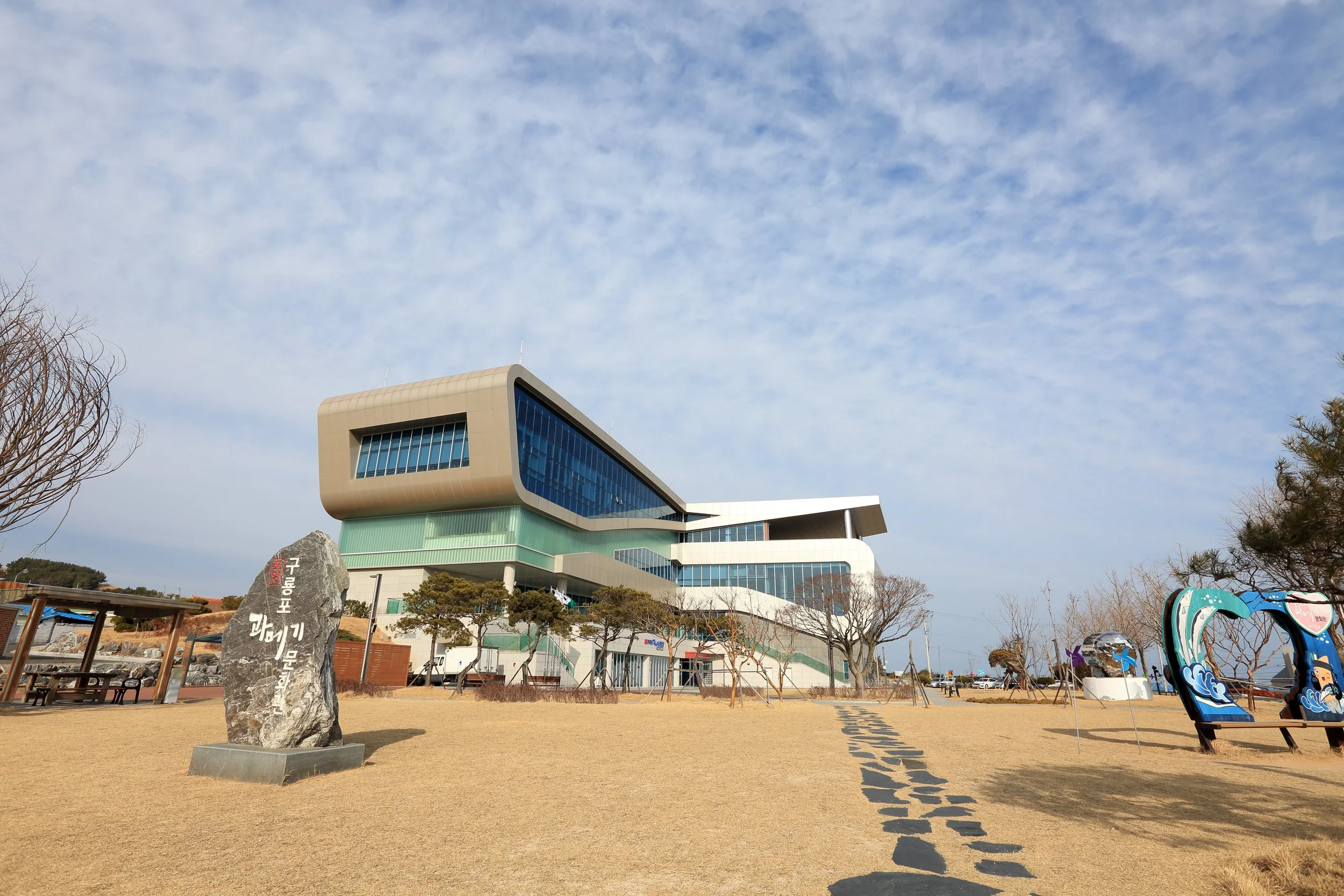
Guryonpo Gwamegi Culture Museum
This museum was established to celebrate the excellence of half-dried herring (Gwamegi), one of Pohang’s most famous winter foods. It promotes the research and preservation of this local specialty, offering an engaging experience to visitors that seamlessly blends culinary tradition with high-tech multimedia systems.
-
![]()
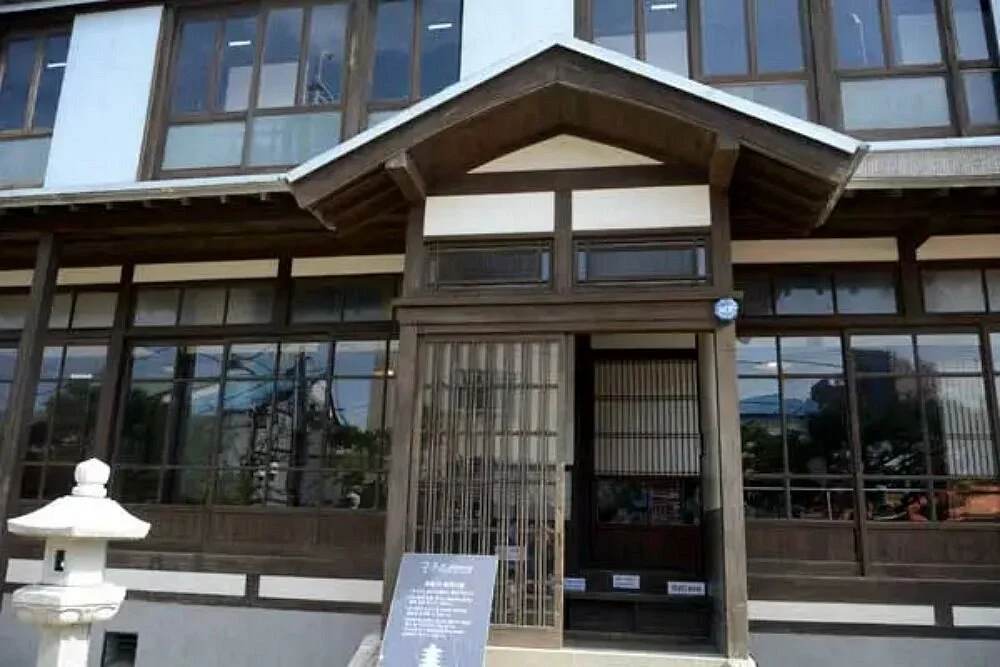
Guryonpo Modern Culture and History Museum
The Guryongpo Modern Culture and History Museum offers a unique glimpse into the early 1900s. Featuring beautifully restored Japanese wooden houses and historic streets, the area feels as though time has stood still. It is a captivating destination that invites you to directly experience the living history of the region.
-
![]()
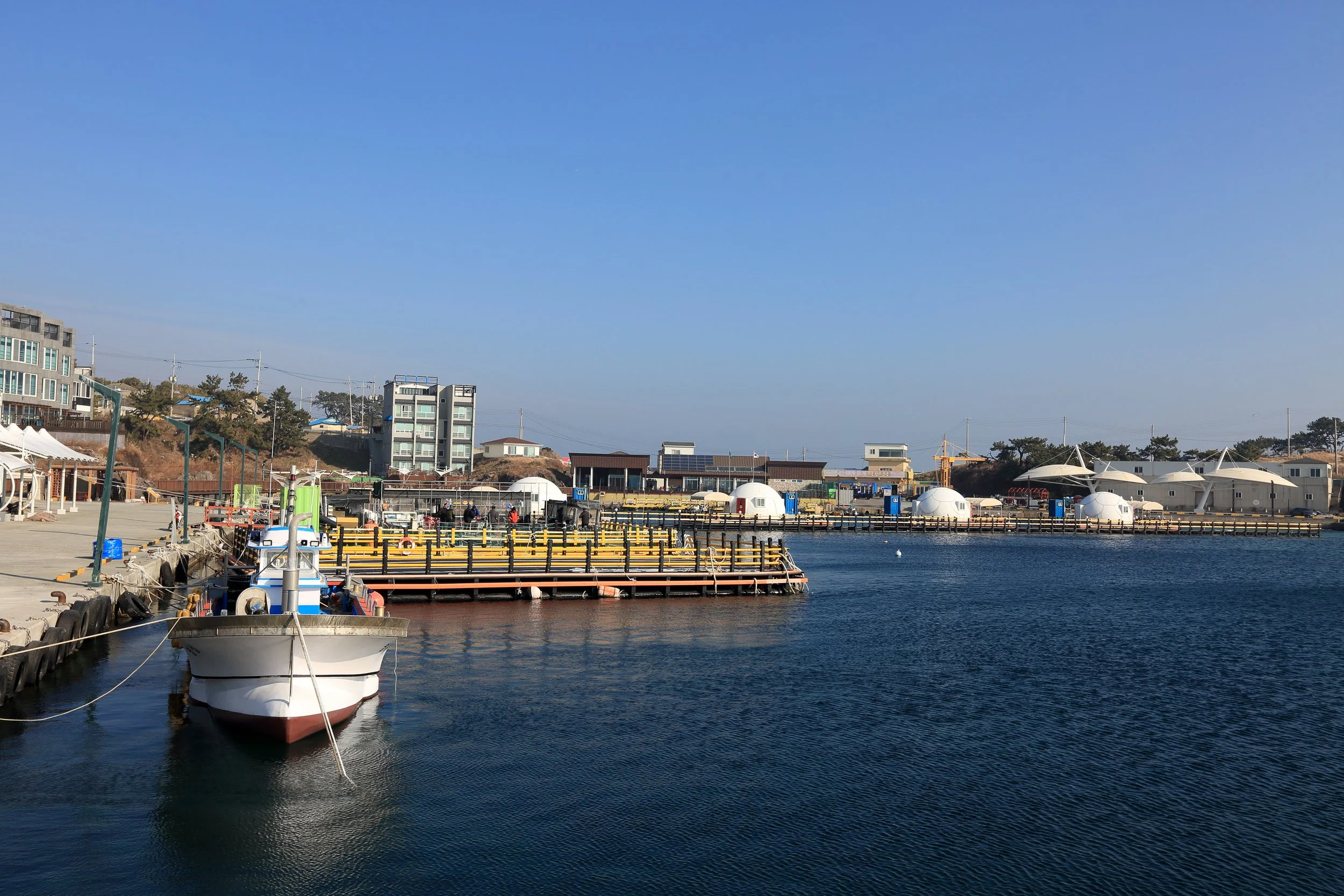
Janggil-ri Fishing Park
Set against clear blue waters and picturesque scenery. Fully equipped with an open deck promenade, relaxing parks, and floating fishing platforms, this destination is a nationwide favorite among anglers due to the abundant marine life brought in by intersecting ocean currents.

K-Drama Stories Come to Life
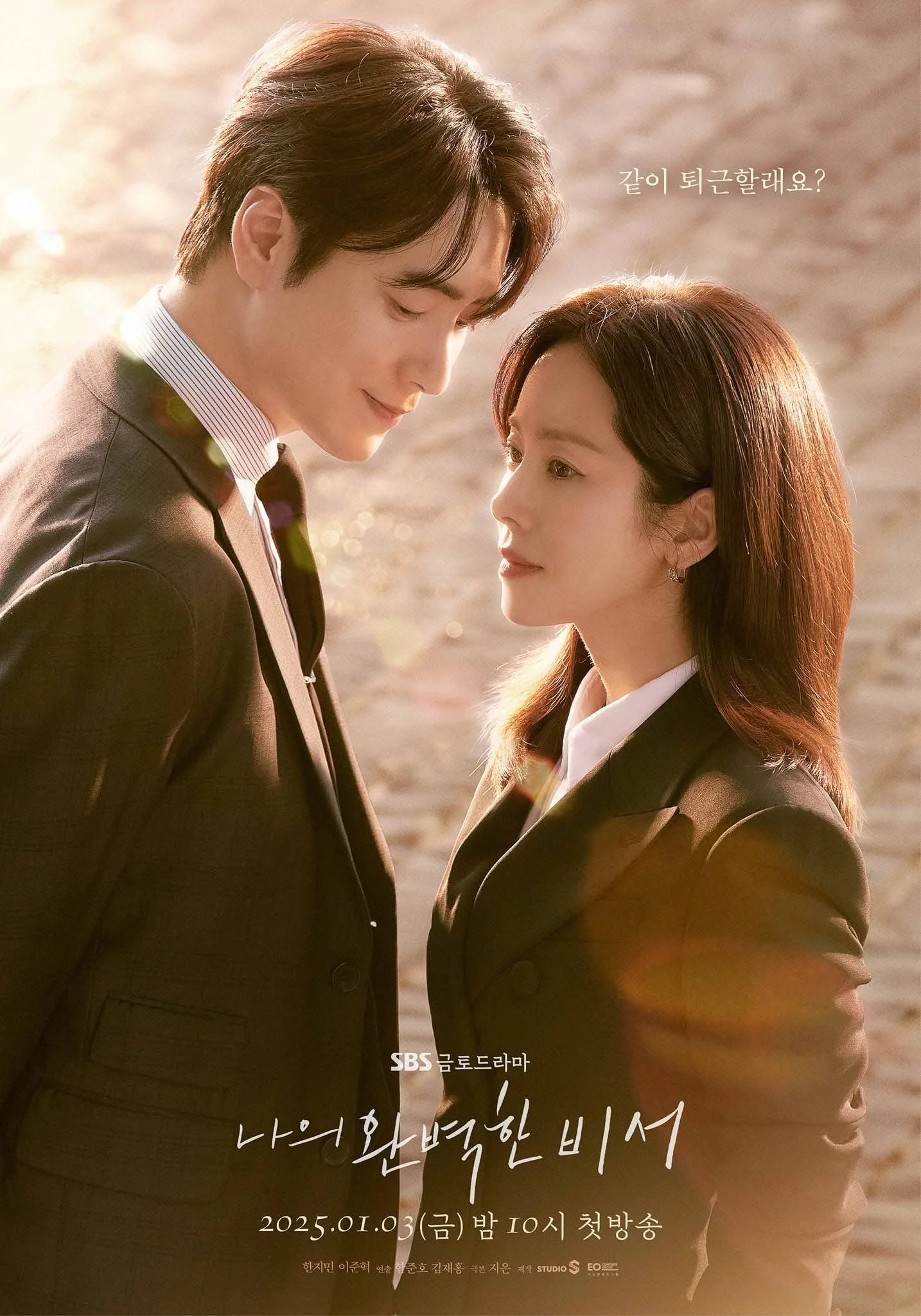
#Love Scout
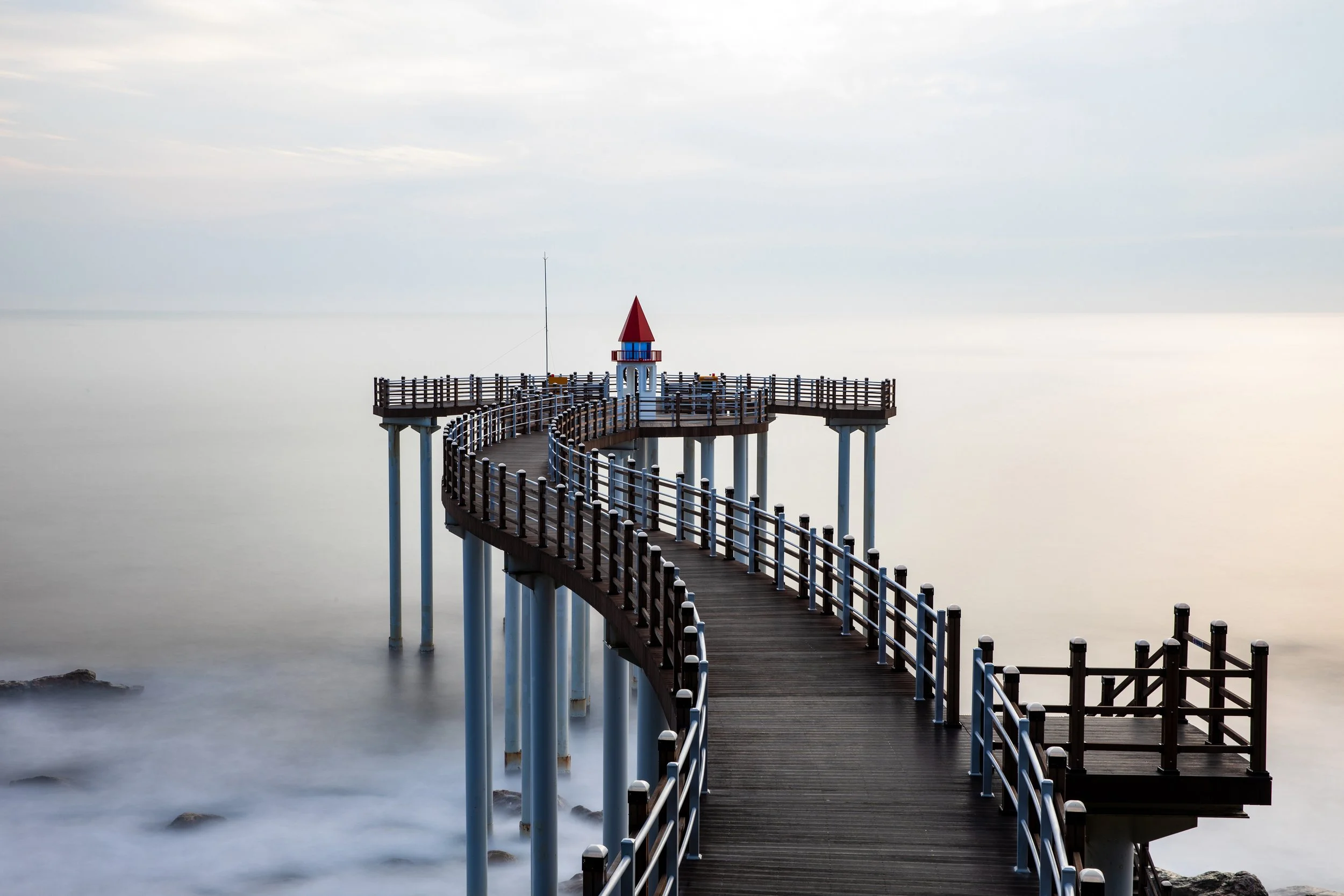
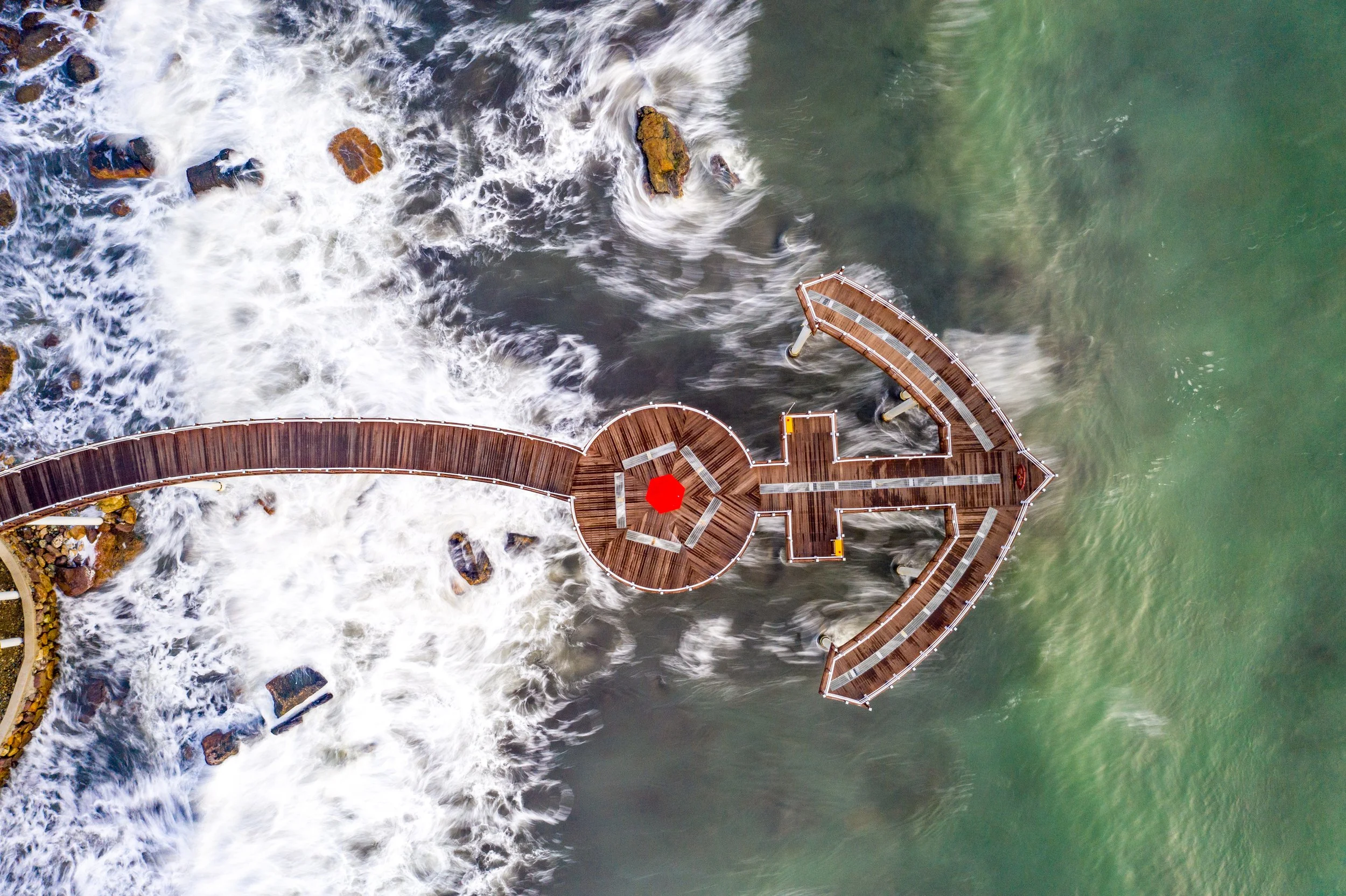
Drift into a memorable scene from Love Scout at Igari Anchor Observatory, where the gentle rhythm of the sea provides a serene escape from everyday life. Extending 102 metres over the water and rising 10 metres above the surface, this floating-style observatory reveals sweeping coastal panoramas and the heart of the East Sea’s natural beauty. Framed by windswept pine trees, it even offers a rare, distant view towards Dokdo, creating a naturally cinematic and deeply soothing atmosphere. Whether you arrive as a K-drama enthusiast or a lover of coastal scenery, this tranquil lookout invites you to slow down and embrace the sea.
Igari Anchor Observatory
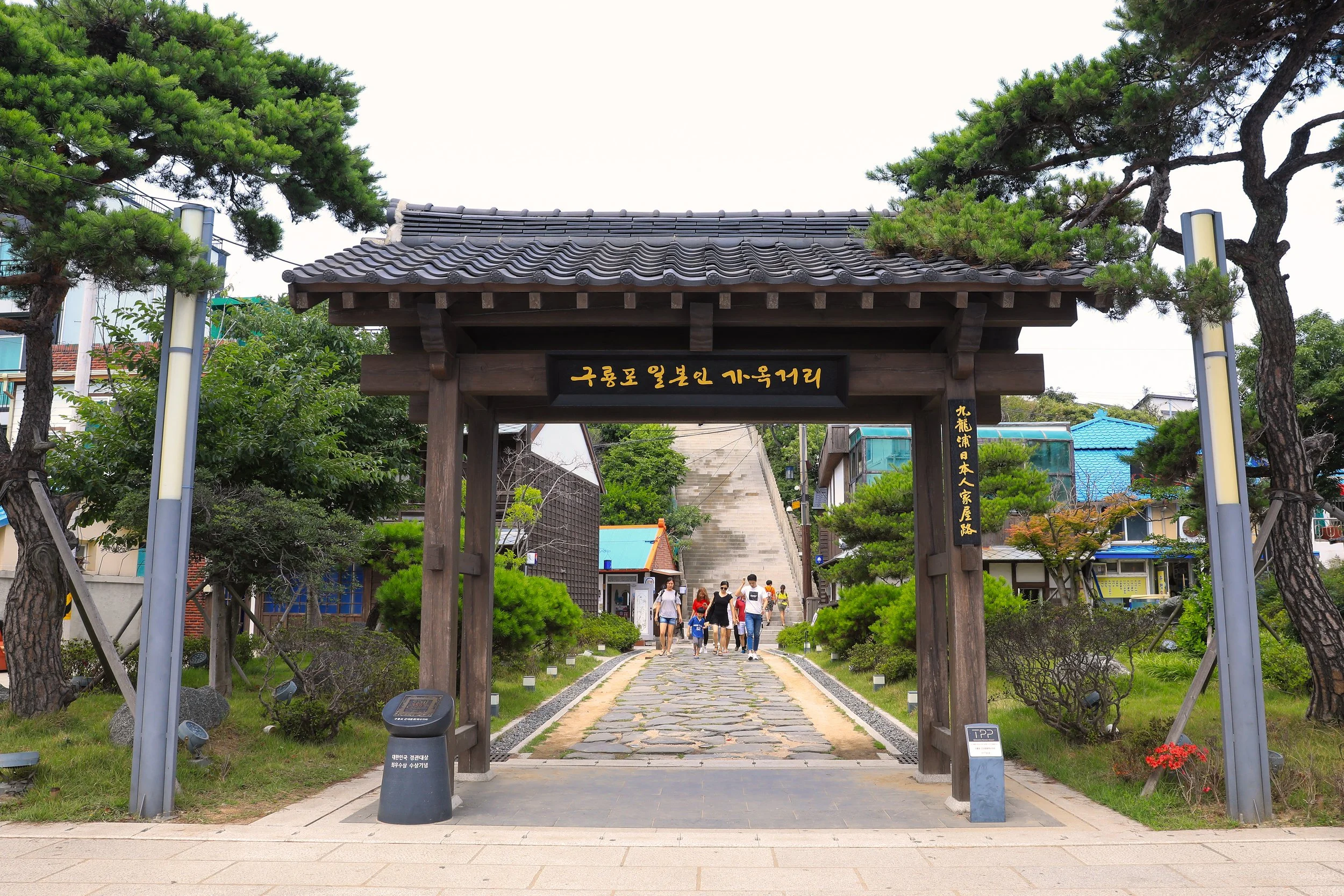
Guryongpo Japanese House Street
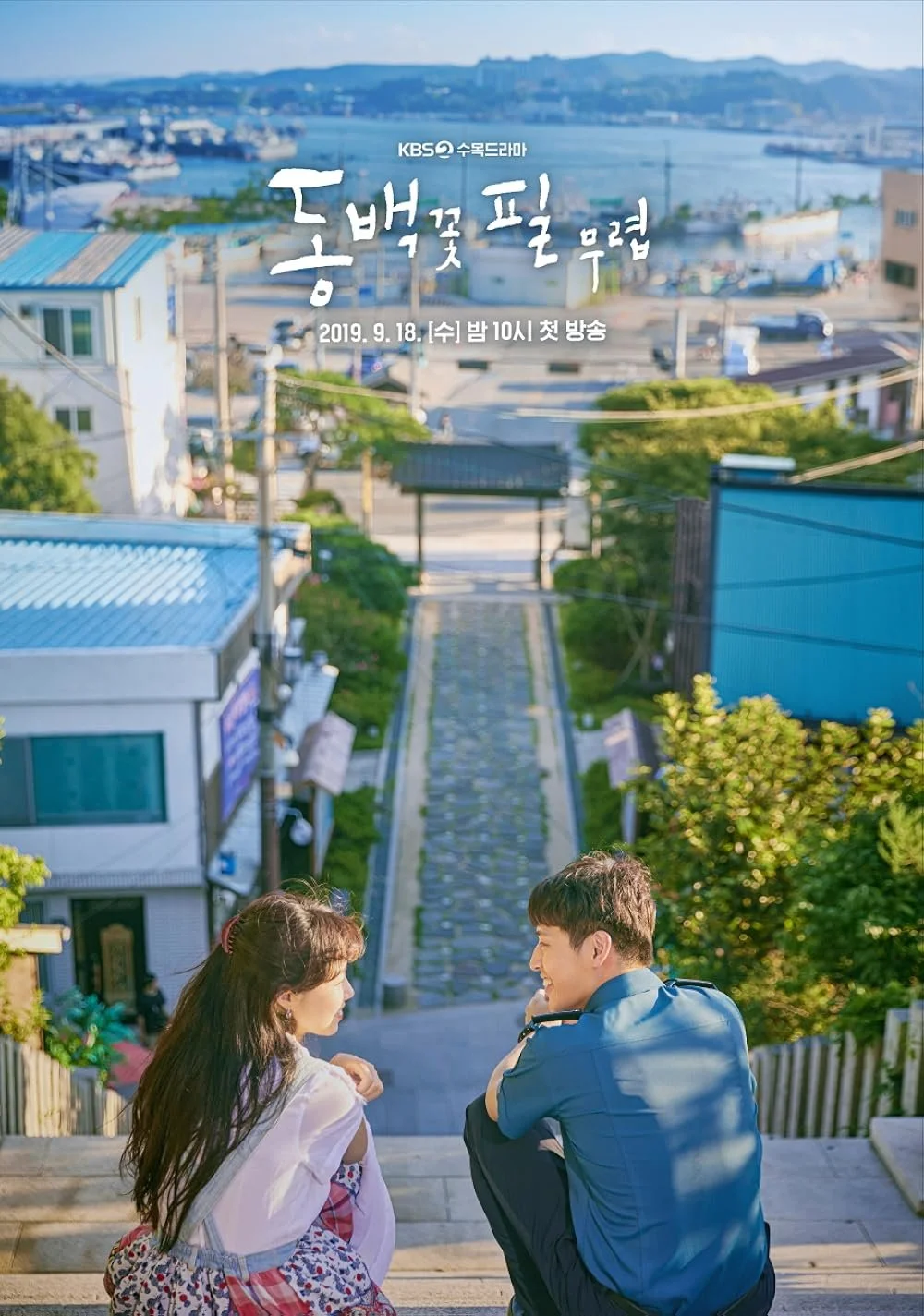
#When the Camellia Blooms
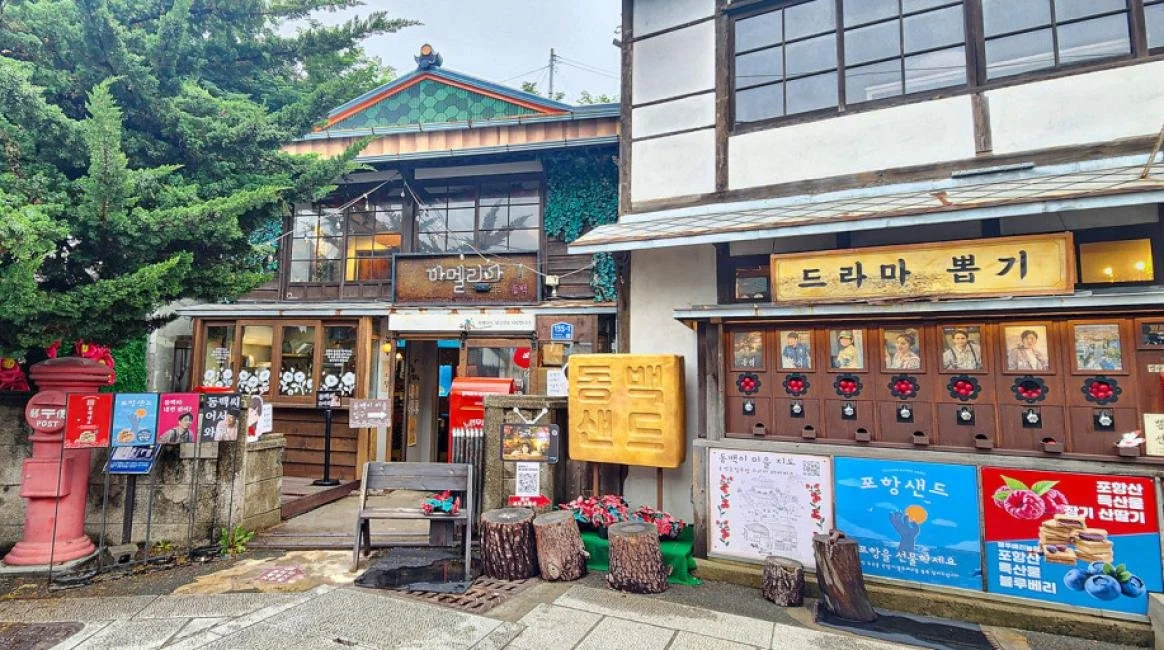
Discover the nostalgic charm of Guryongpo Japanese House Street. This well-preserved district features traditional wooden houses from the colonial period, creating a unique fusion of Japanese architecture and Korean coastal scenery. Now famous as the setting for the drama ‘When the Camellia Blooms’, the beautifully renovated street now invites visitors to explore its stylish cafés, galleries, and historic atmosphere. Don't miss the chance to visit Munhwa Masil, Camellia (Dong-Baek’s shop), now turned into a charming drama-themed café and souvenir store. For the perfect keepsake photo, head to the stairs at Guryongpo Park Art Village Alley, the iconic backdrop for the drama’s main poster. Come step into the world of ‘Ongsan’ in real life!

Cheongha Gongjin Market
#Hometown Cha-Cha-Cha
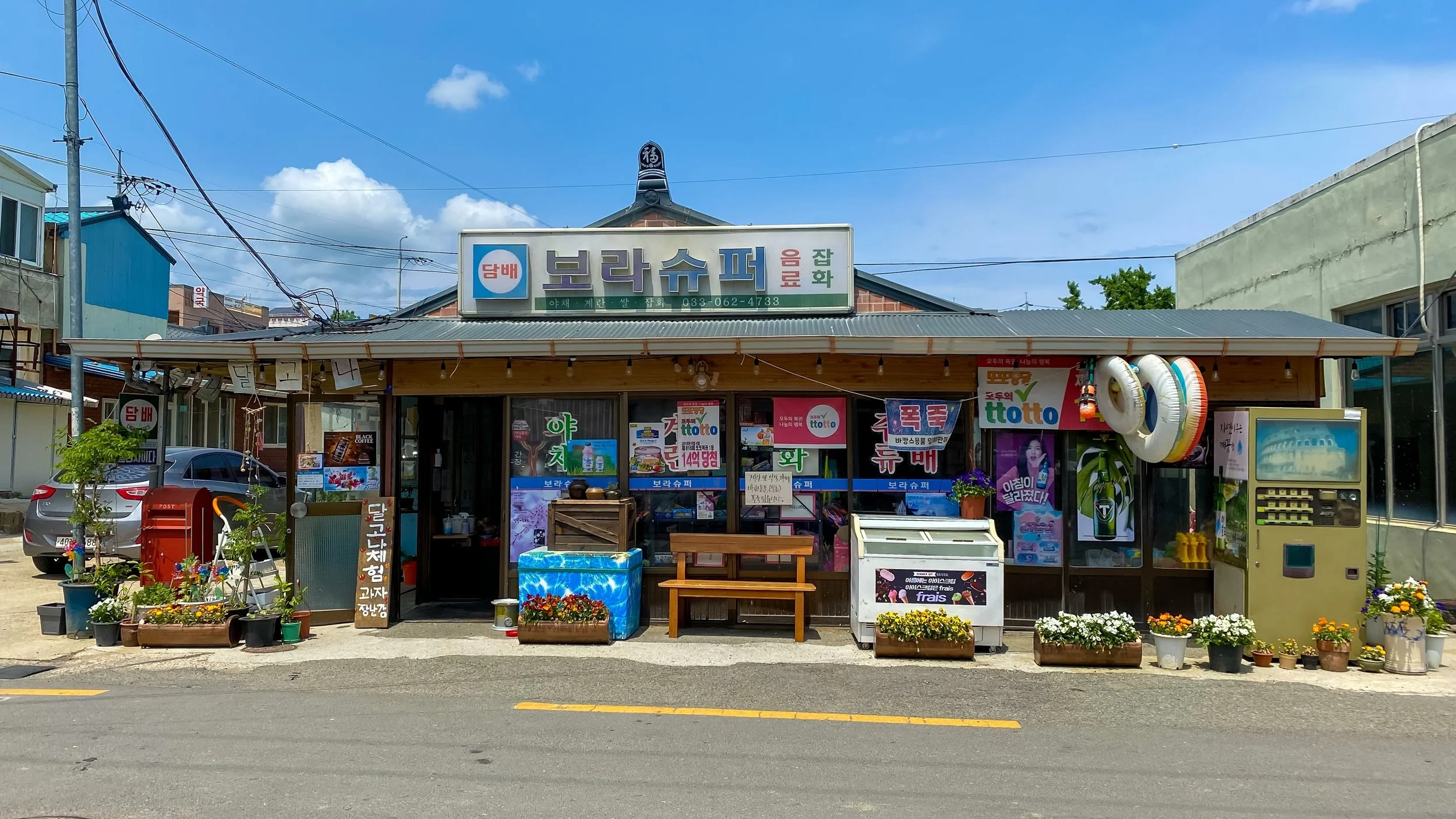
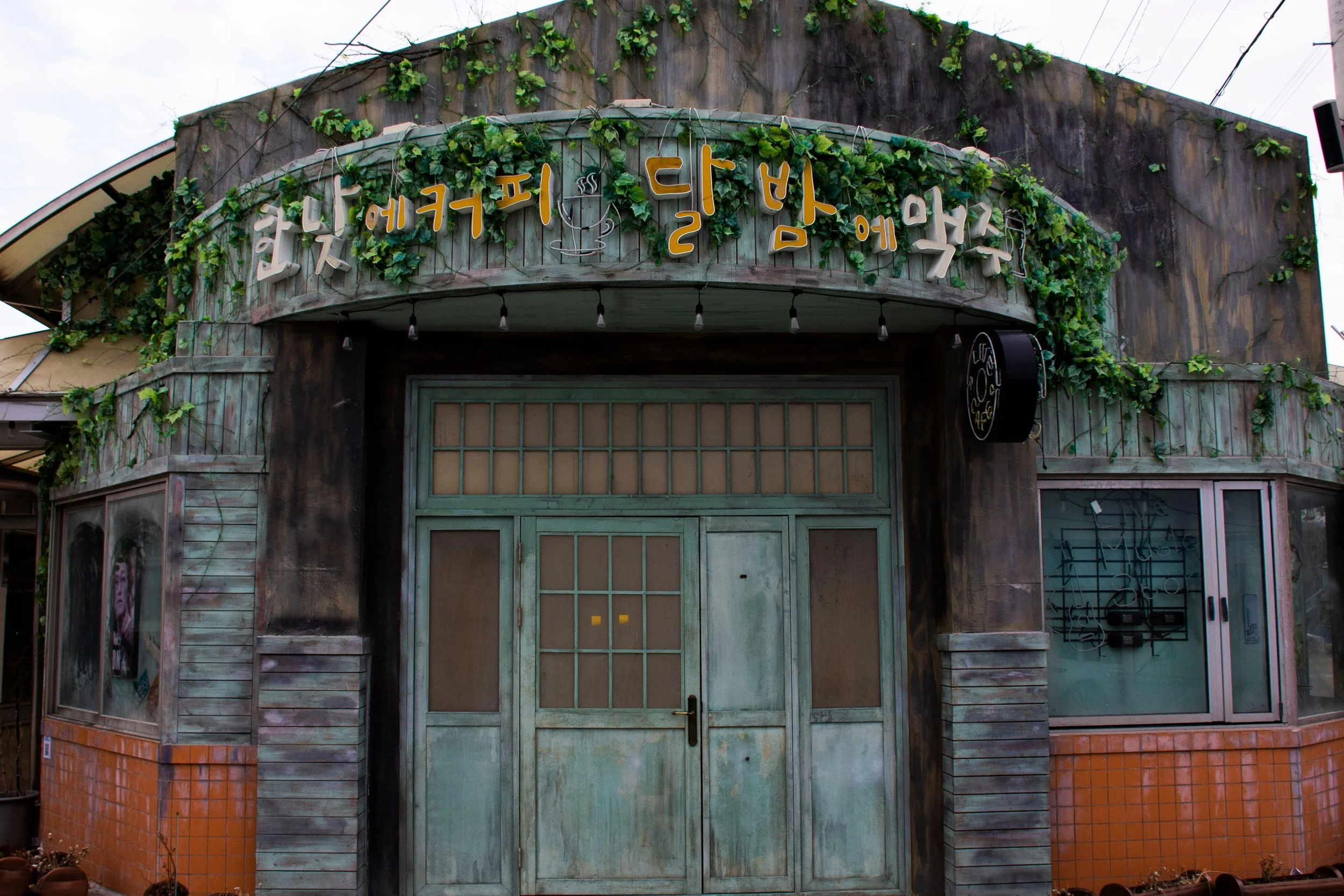
Immerse yourself in Cheongha Gongjin Market, where the everyday moments of Hometown Cha-Cha-Cha come to life. A dream destination for K-drama fans, this real-life filming location is filled with warmth, character, and the authentic rhythm of local life. Begin nearby at the Wolpo Beach, the iconic setting where Hye-jin and Chief Hong first met. Then, visit Bora Supermarket, which invites you to step back in time, capturing the nostalgic atmosphere of a traditional Korean grocery shop. And don’t miss The Live Café & Pub, a famous photo spot and the perfect place to pause before leaving with lasting memories of the Gongjin trail.
Songdo Beach
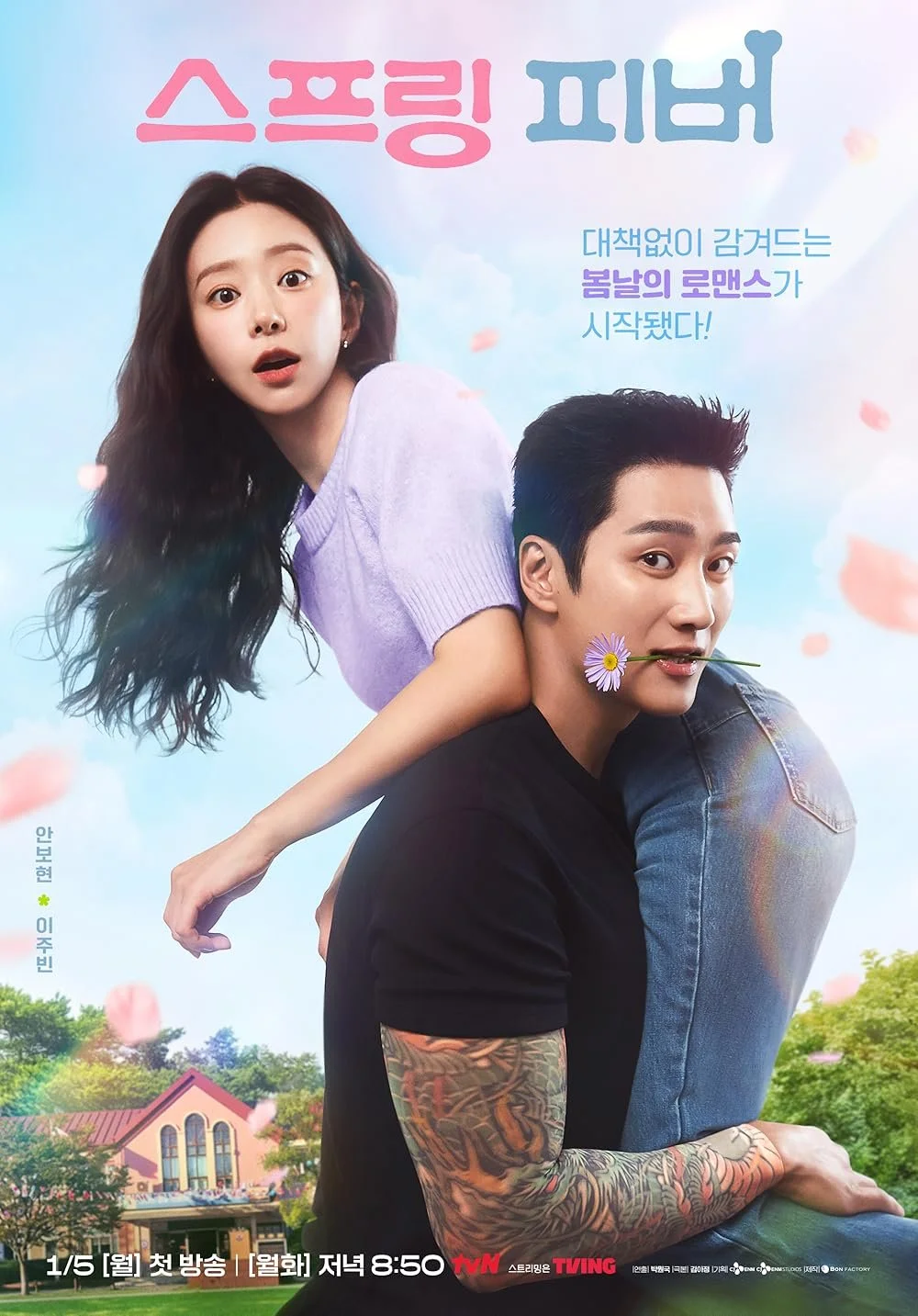
#Spring Fever
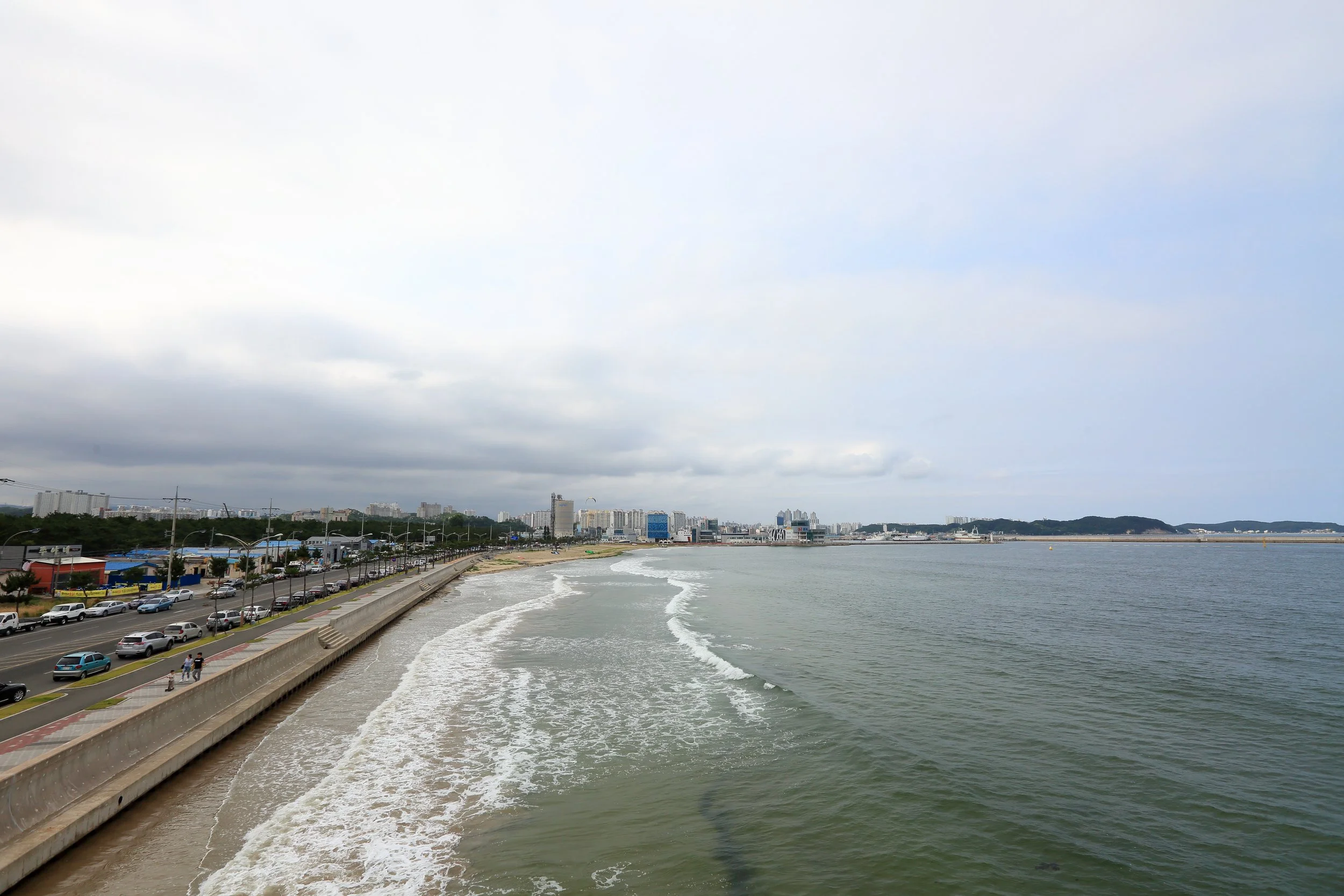
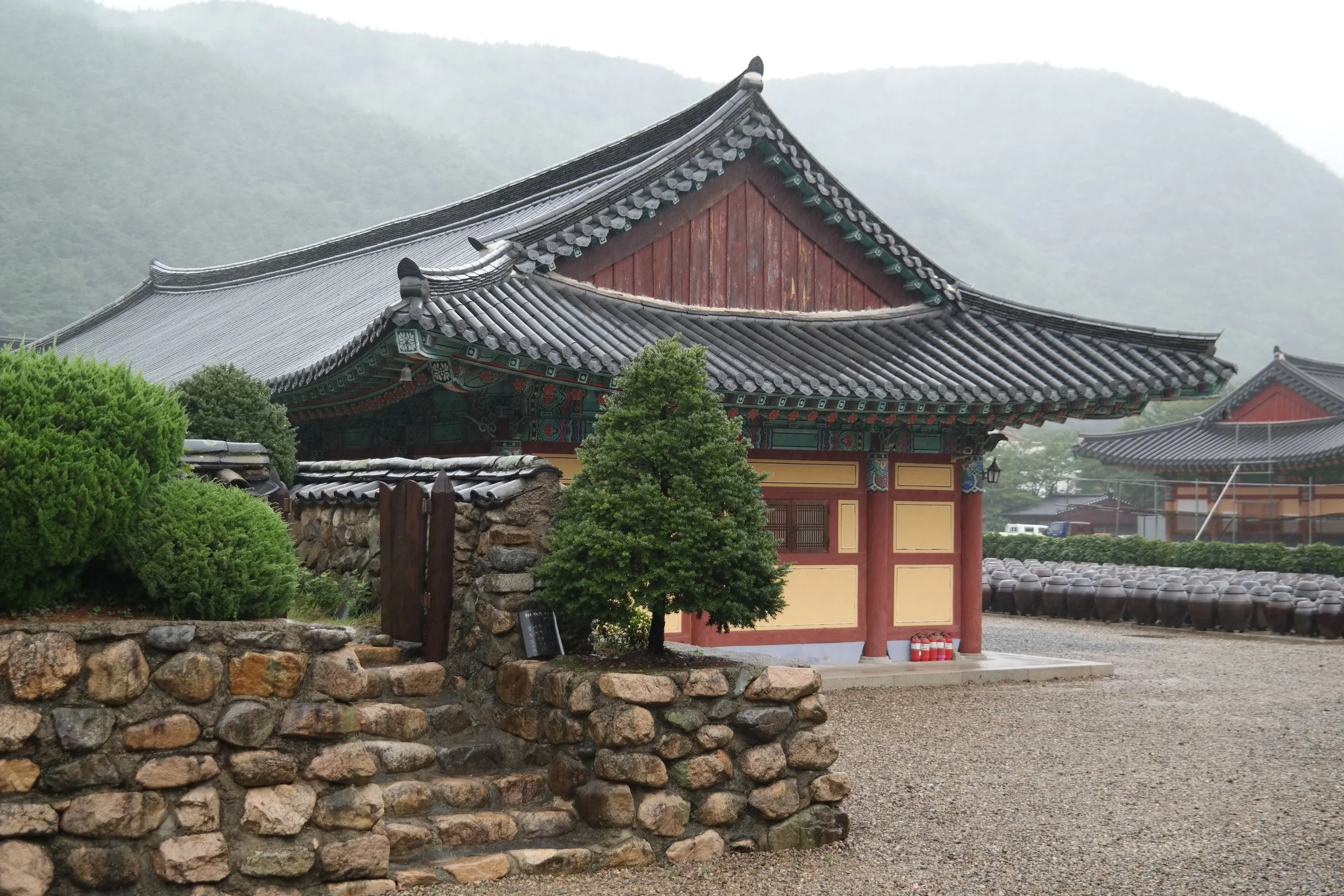
Heal your heart in the real-life world of ‘Sinsu’ in Pohang, the setting for the drama ‘Spring Fever.’ Start with Songdo Beach, a hidden gem with clear waters and pristine coastline that offers a peaceful escape from the city. Don’t miss the romantic ‘golden sky’ at sunrise—the perfect moment to rest your mind. Visit Bogyeongsa Temple, a thousand-year-old Buddhist sanctuary built during the Silla period. Enveloped by the Naeyeonsan Mountains, it provides a unique tranquility. Then, explore and soak in the scent of nature around the stunning 12 Waterfalls. Recharge yourself and get ready to start a new chapter here!
Taste of Pohang
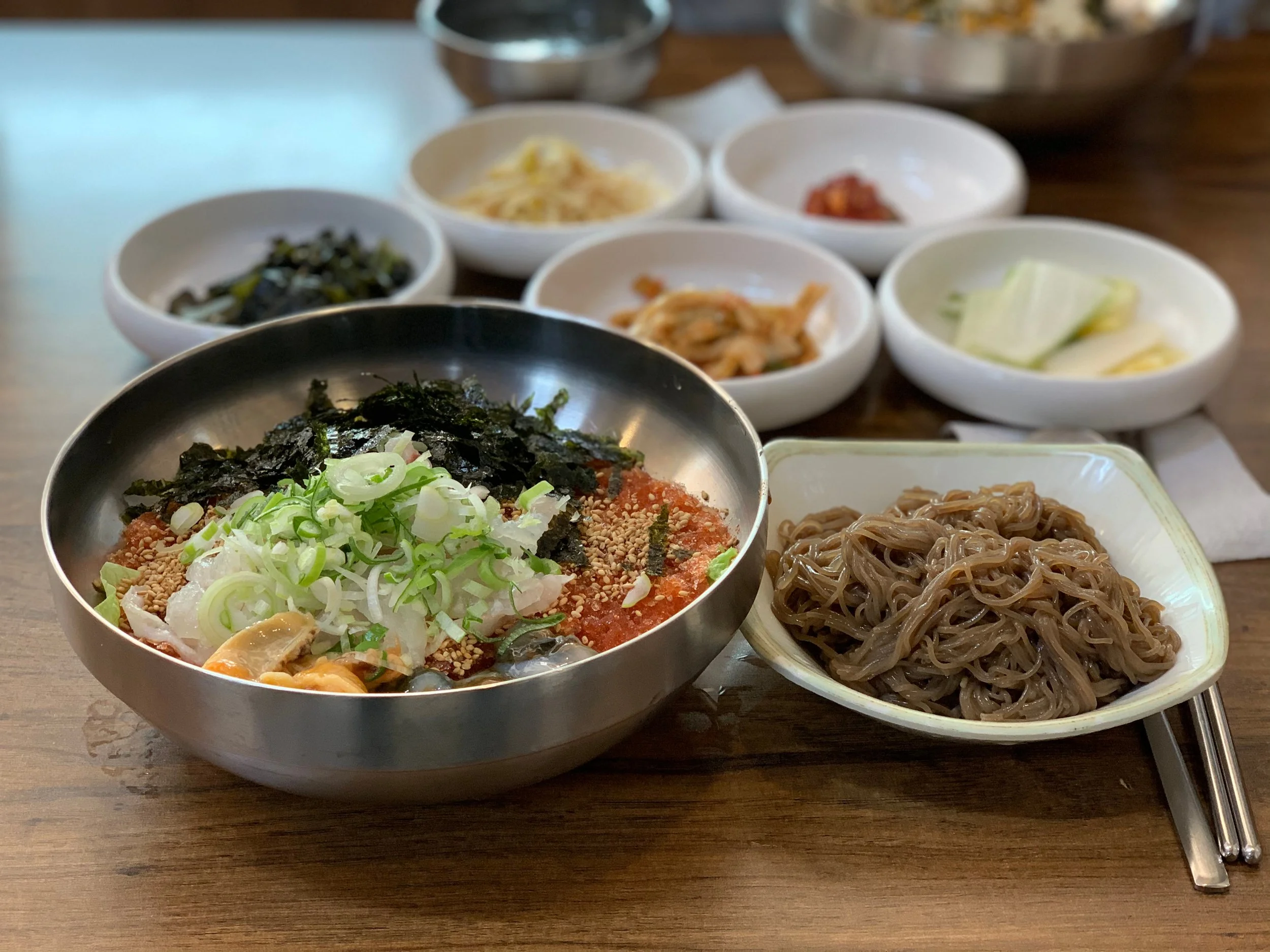
Mulhoe
A local dish of thinly sliced fresh fish served over crushed ice and topped with tangy-spicy broth. This is one of Pohang's signature summer specialties, designed to deliver a burst of flavor and the fresh aroma of the sea. For the ultimate experience, visit Seolmeori Mulhoe Street in lively Yeongildae, where specialized restaurants offer the freshness and the authentic taste of Mulhoe.
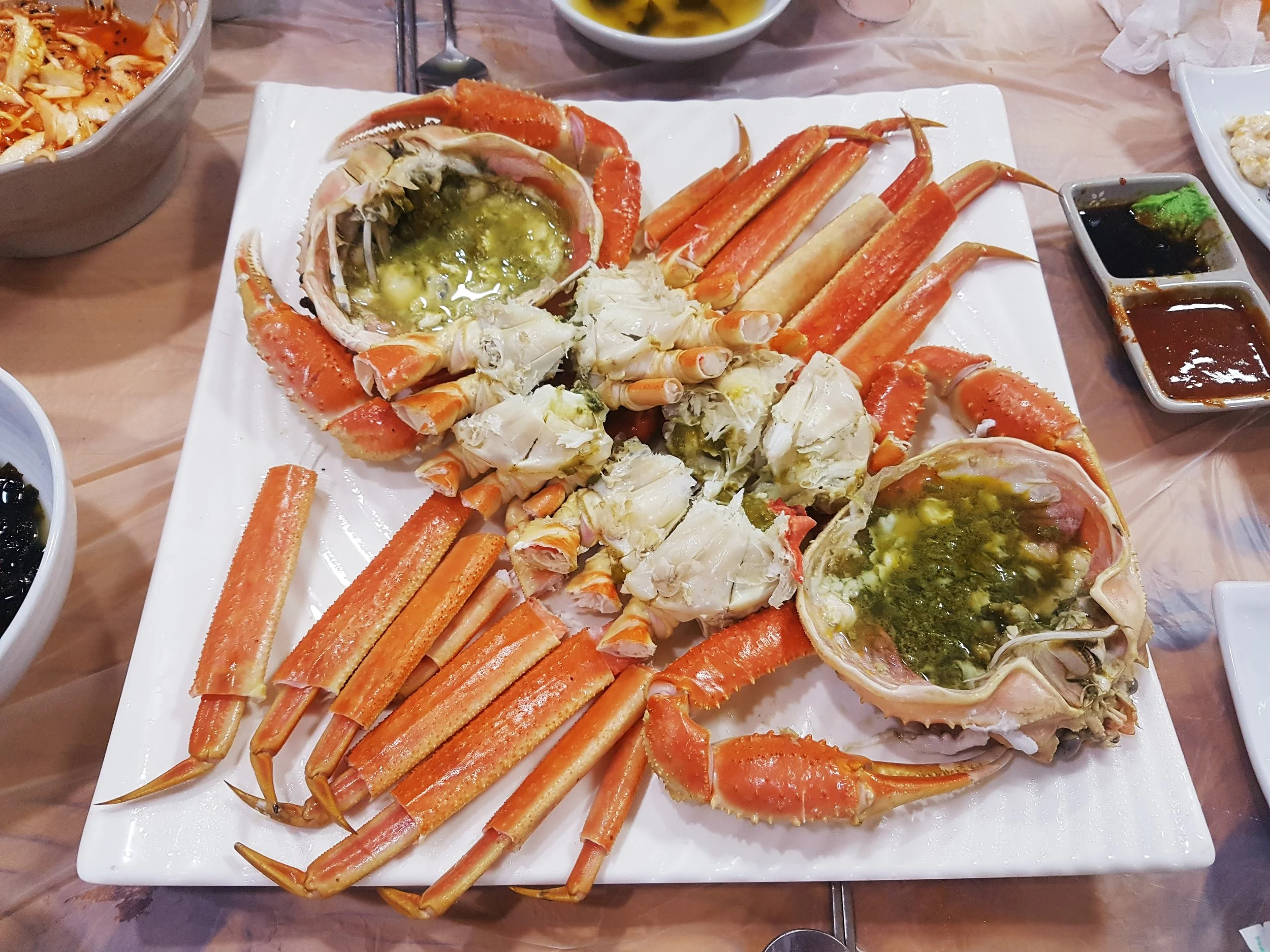
Guryongpo Snow Crab
Guryongpo Port is Korea (ROK)’s premier destination for fresh snow crab, offering the finest catch harvested from the pristine deep water surrounding Ulleungdo and Dokdo. Reaching their peak from winter to spring, these crabs are renowned for their succulent meat and delicate flavor. It is a seasonal delicacy that is truly worth the journey.
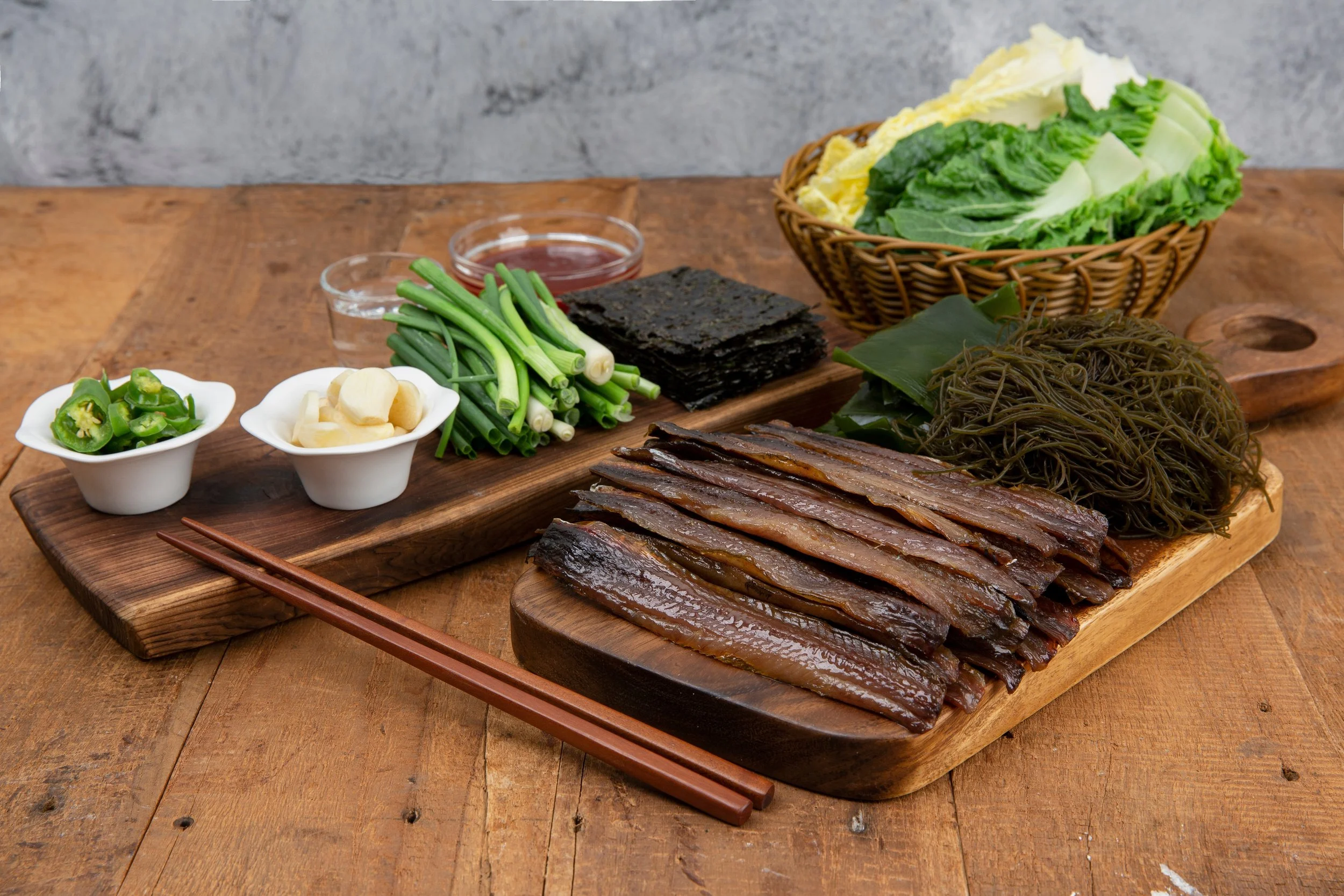
Gwamegi
Gwamegi is a signature local winter delicacy of Guryongpo, Pohang, traditionally made by repeatedly freezing and air-drying Pacific herring or saury in the coastal breeze. Renowned for its chewy texture and deep, savory flavor, it is best experienced the local way, wrapped in seaweed with fresh vegetables and spicy sauce for a flavorful bite of the sea.
Snackies
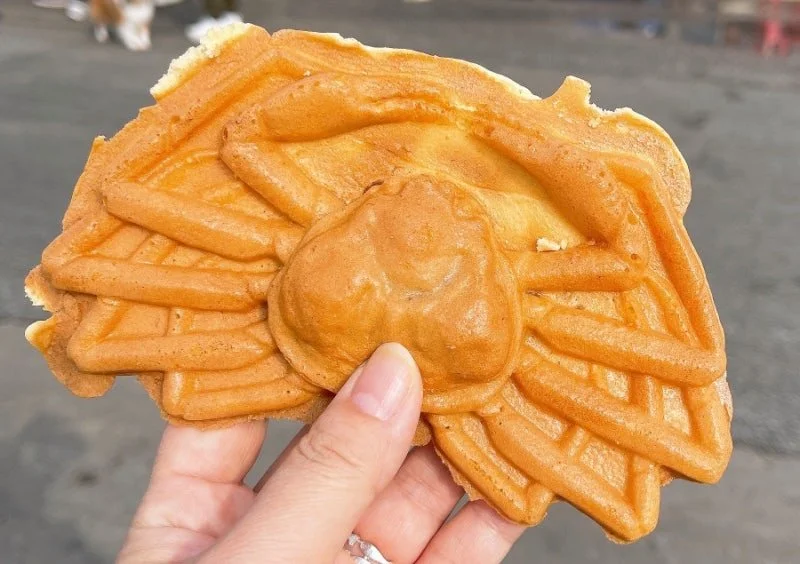
Snow Crab Bread
Snow crab bread, also known as Dangeppang, is shaped like the region’s iconic snow crab. Made with a blend of rice powder and real snow crab meat, it features a sweet red bean filling. Every bite brings a sweet with light bread, gentle flavours, and the fragrance of red snow crab meat.
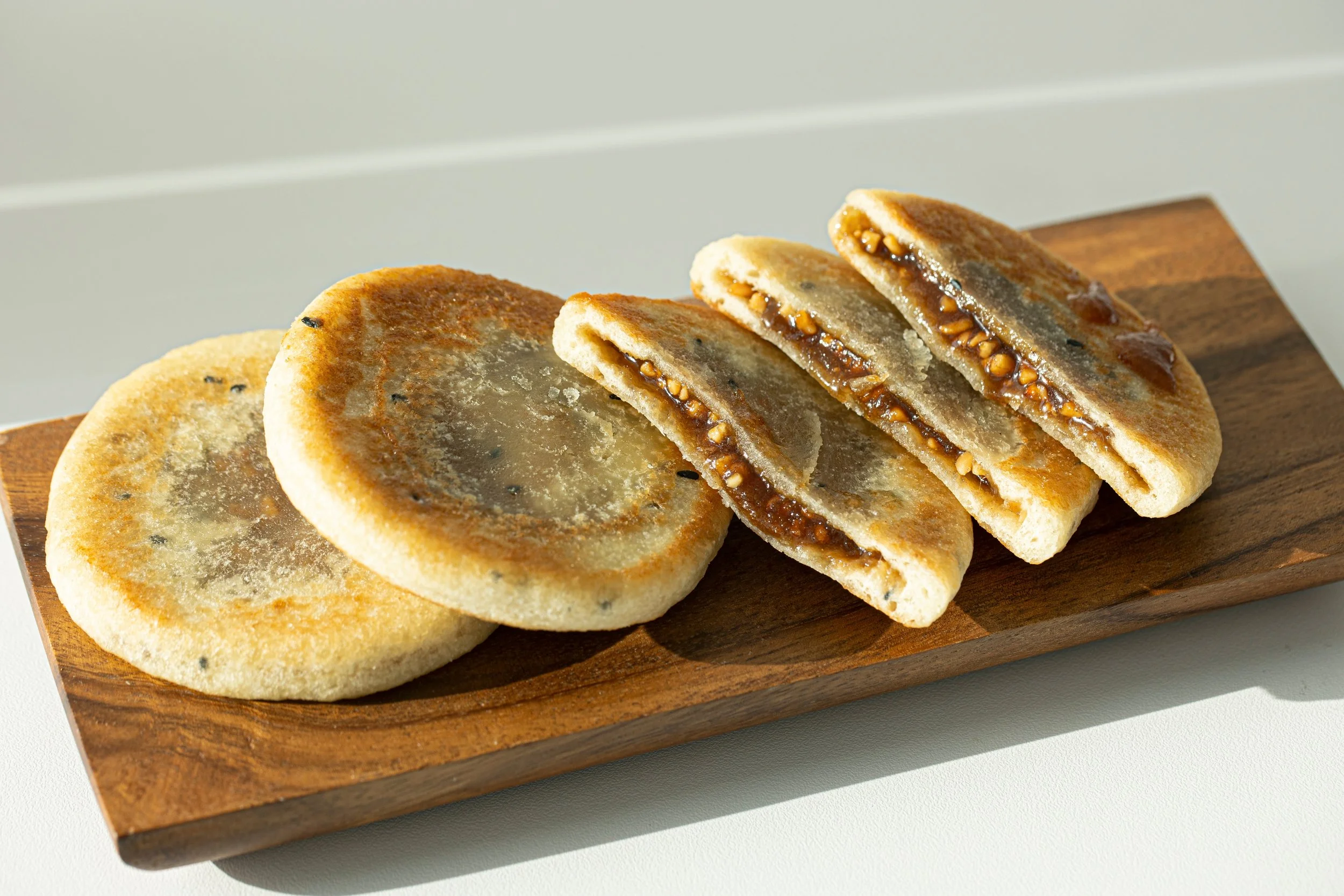
Hotteok
Hotteok is a traditional Korean pancake, basically a pan-fried yeast pancake filled with cinnamon, brown sugar, and peanuts. Each mouthful offers a perfect harmony of chewy dough, peanuts, sweetness, and the scent of cinnamon. For now, many modern street food vendors offer a variety of Hotteok filled with different flavours such as creamy green tea, bulgogi, and japchae.
Travel Tips
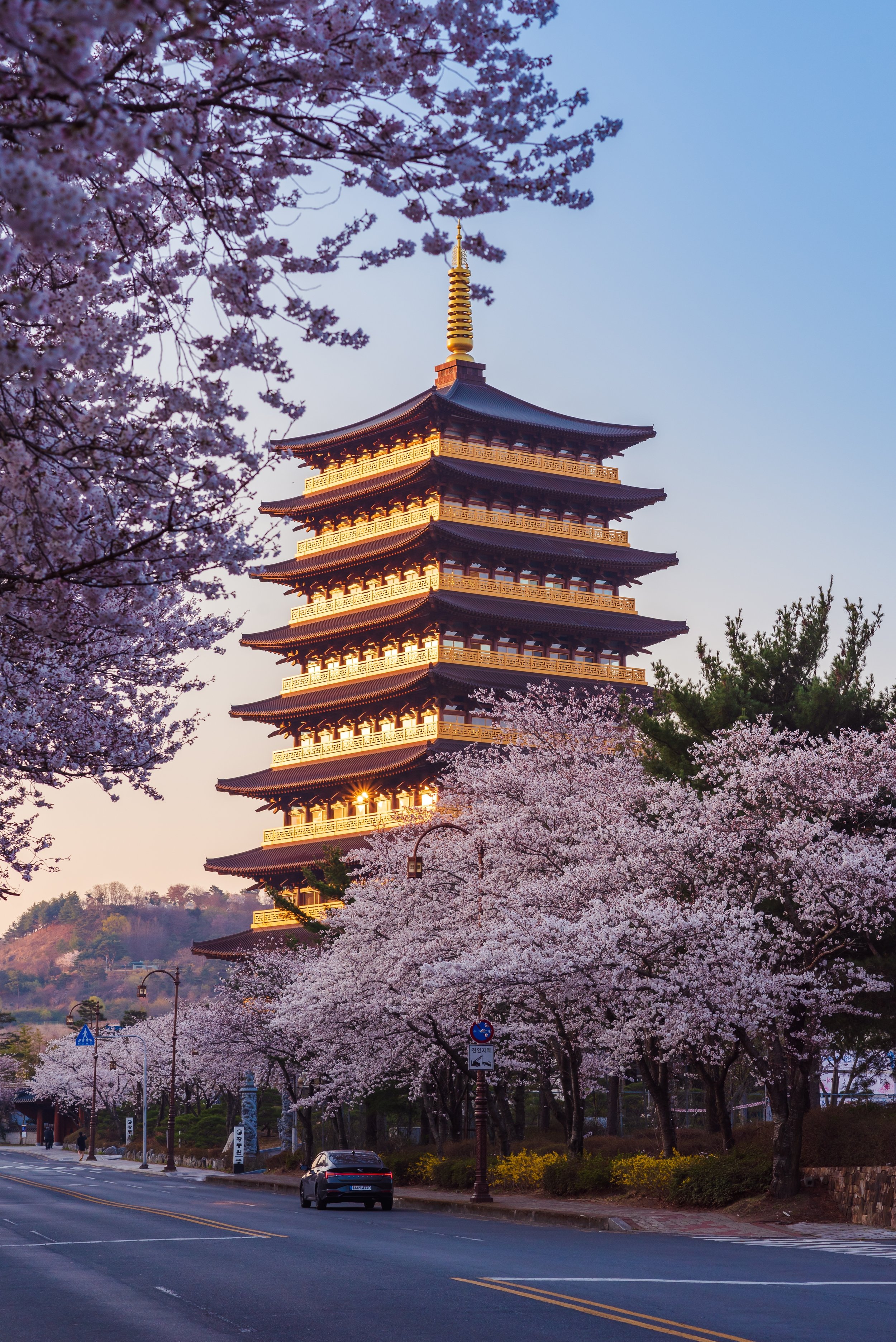
Travelling in Korea is much easier when you know a few basic tips. From finding your way around to using public transportation and ordering food, small preparations can make a big difference. With a little planning, you can save time, avoid confusion, and enjoy your trip more comfortably.
One of the easiest ways to prepare is by having the right apps on your phone. Here are a few must-have ones for a smooth and stress-free trip.
Naver Map/ Kakao Map ⭐️⭐️⭐️
Google Maps is limited in Korea, so it’s better to use Naver Map or Kakao Map. These apps give accurate directions and show real-time bus and subway schedules, which makes traveling much easier.
Kakao T⭐️⭐️
You can easily call a taxi through this app. It’s much more convenient than trying to catch one on the street, especially in quiet areas or late at night.
Delivery apps⭐️⭐️
Korea is known for its fast and convenient food delivery. With apps like Baemin or Yogiyo, you can order almost anything to anywhere. It’s a great option if you want food delivered straight to your hotel.
Papago⭐️
Papago is a useful translation app that works especially well for Koreans. It often gives more natural results than other translators and is great for reading menus, signs, and having simple conversations with locals.
In addition to these apps, you will also need a convenient way to pay for public transportation.
T-money Card ⭐⭐⭐
T-money is a rechargeable transportation card that makes getting around Korea much easier. You can use it on buses, subways, and even taxis without needing cash or buying tickets each time. It also offers small fare discounts compared to single-ride tickets, which helps you save money over time. Please note that T-money is mainly for intercity transportation and cannot be used directly for long-distance buses or trains.
You can buy a T-money card at convenience stores like GS25 or CU, subway stations, and airport kiosks, and top it up easily at machines or stores. If you download the T-money app, checking your balance and recharging your card becomes even more convenient. Once you have one, travelling becomes faster, simpler, and much more convenient.