



The PATA Youth Symposium 2026 (PYS 2026), organised by the Pacific Asia Travel Association (PATA) supported by Gyeongsangbuk-do Culture and Tourism Organization (GCTO), Pohang City, and PATA Thailand Chapter, will take place alongside the PATA Annual Summit 2026 in Pohang, Korea (ROK).
The symposium will feature keynote speeches, interactive panel discussions, and student-led dialogues and activities designed to spark meaningful exchange between industry leaders and youth participants. Aligned with the Summit theme, Navigating Towards a Resilient Future, PYS 2026 will examine how the public and private sectors are collaborating in response to rapidly evolving global realities. Key discussions will highlight best practices in sustainability initiatives, the advancement of heritage tourism through effective stewardship of cultural assets, and how young tourism professionals can actively prepare for and shape their future career pathways.
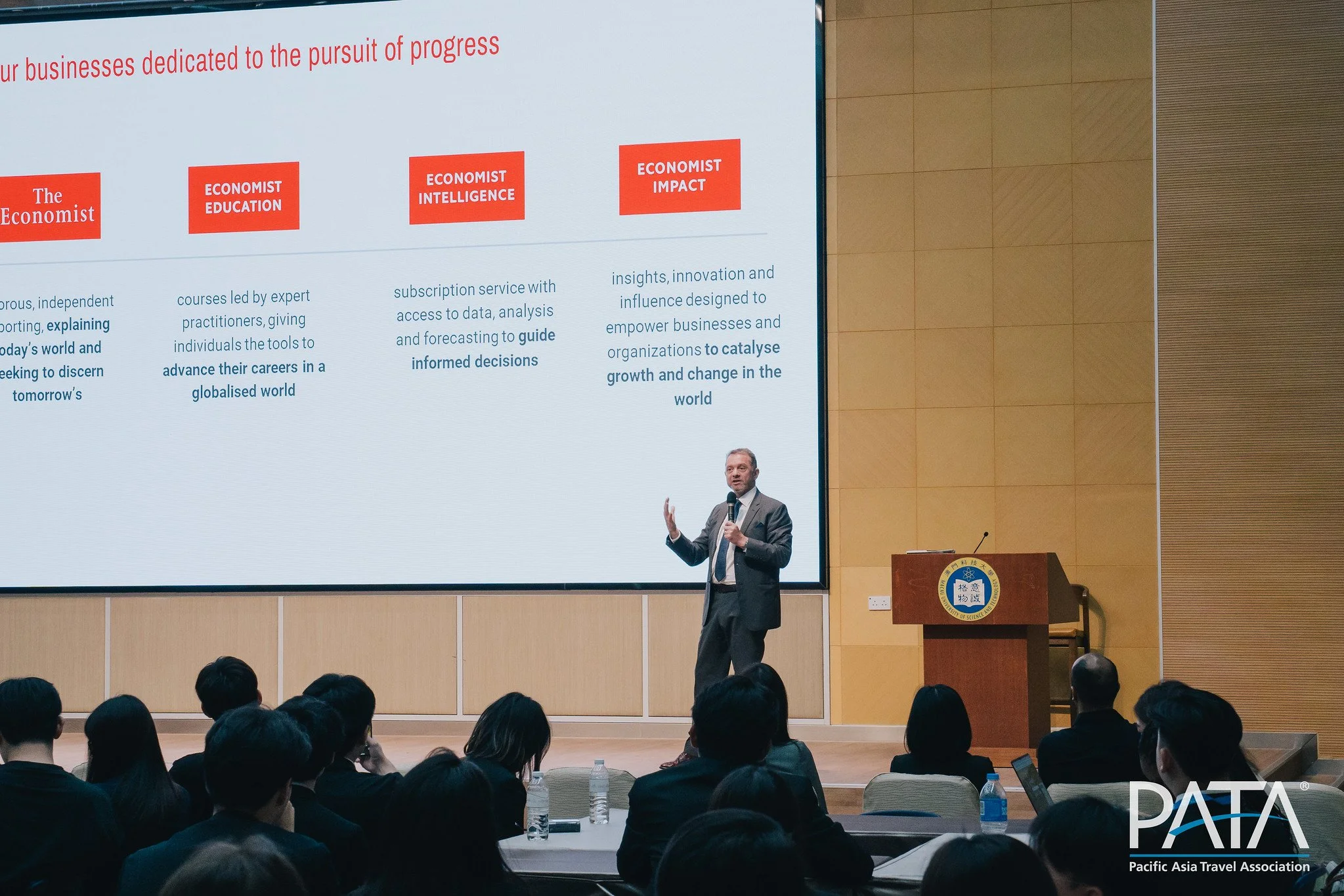
Keynote Speeches
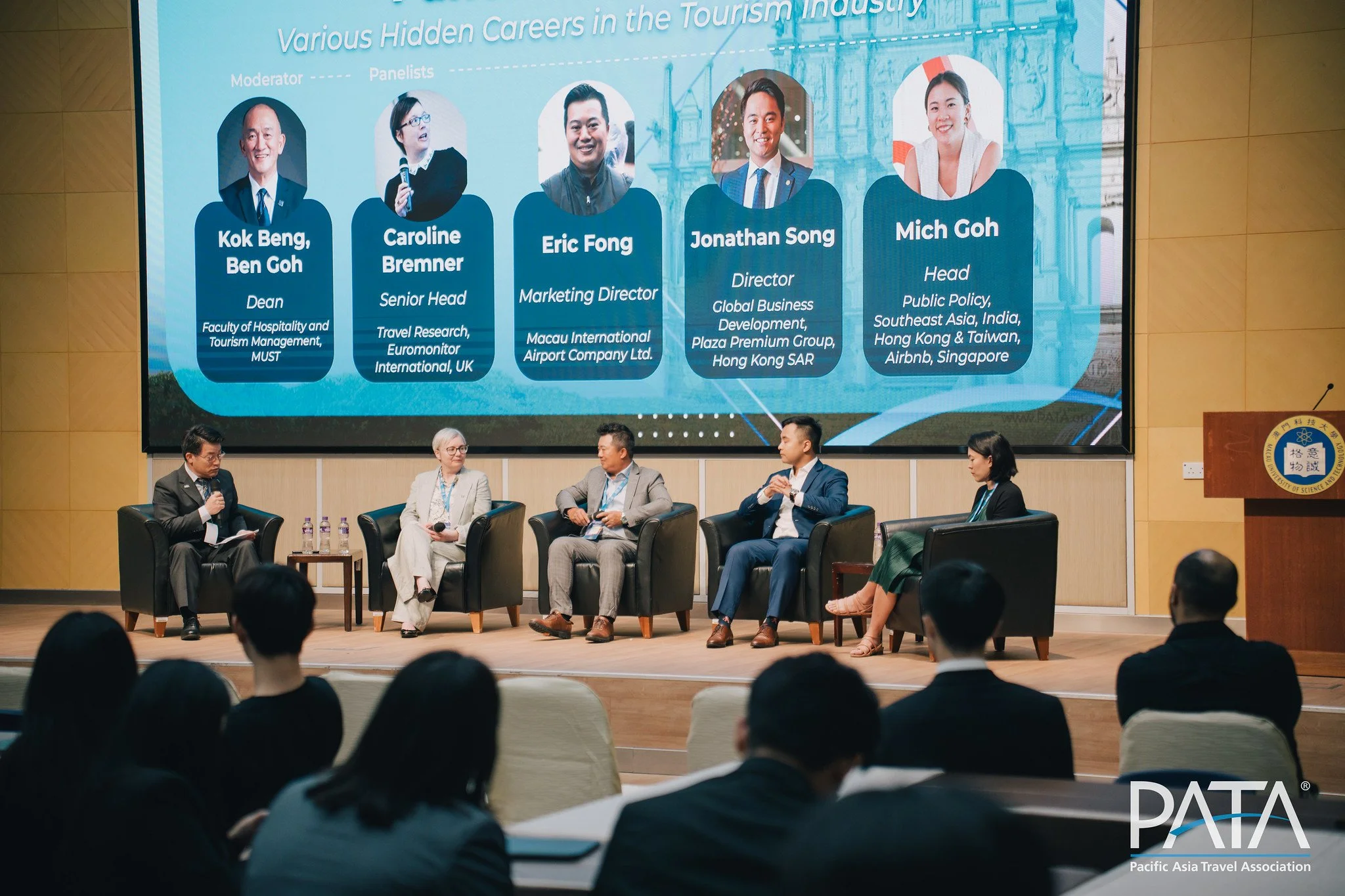
Interactive Panel Discussions

Student-led Dialogues
Registration
Open and complimentary for all
Registration is on a first come first served basis due to limited capacity.
Please note that the registration only includes access to the PATA Youth Symposium. To attend PATA Annual Summit 2026, please visit the event page here.
E-certificate will be provided to all participants
Programme
0900-0905
Welcome by Master of Ceremony
0905-0925
Opening Remarks by PATA & Pohang City
Youth Leadership and Community Empowerment
Driving resilience in tourism begins with investing in the next generation of leaders. This session showcases Sarawak’s innovative approach to youth-led engagement and human capital development through the Rainforest Youth Summit (RAYS) 2026, where emerging changemakers from across ASEAN shaped discourse on sustainability, climate action, and community advocacy. Sarawak also invites all delegates to PATA Youth Symposium at PATA Travel Mart 2026.
1150-1200
Sharzede Datu Haji Salleh Askor
CEO, Sarawak Tourism Board

Voices of the Next Generation
Putting students at the center of the conversation—offering a platform for young voices to share their perspectives on the challenges, opportunities, and emerging trends shaping the future of the tourism industry. By bringing their insights to the forefront, we aim to foster a more inclusive and forward-thinking dialogue that reflects the realities and ambitions of the next generation.
0925-0935
Keynote: Navigating Towards a Resilient Future
Setting the tone for the Symposium, this keynote offers a big-picture view of the current and future landscape of tourism resilience. It will examine global trends shaping the industry, including sustainability, climate adaptation, shifting traveller expectations, and long-term sector resilience.
0935-1010
Jules Shin
Area Manager for South Korea and New Zealand, Booking.com

Breaking Barriers, Building Careers
This session explores the growing importance of diversity in today’s evolving career landscape, highlighting how inclusive workplaces drive innovation, resilience, and long-term success. Participants will gain insights into how diversity—across culture, gender, background, and perspectives—shapes career opportunities and organizational performance, particularly in global industries such as tourism.
1010-1025
Dr Bella Vongvisitsin
Assistant Professor (Hospitality and Tourism Management), Hong Kong Metropolitan University

From Intern to Industry: Stories That Shape Careers
In this fireside chat, intern alumni come together to unpack the transition from classroom to career, sharing candid stories of uncertainty, growth, and pivotal decisions. Moving beyond polished success narratives, the conversation explores the realities of navigating first jobs, shifting aspirations, and finding direction in a fast-evolving tourism industry. Through honest reflections and practical insights, this session offers a grounded look at what it takes to build a meaningful career. So, what does your journey look like after the internship—and are you ready for it?
1025-1035
Eunkyu Chun (Nick)
Manager-Membership & Youth Programme, PATA

Mengfei Yu
PhD Candidate, Sejong University; 2024 PATA Intern

Suyeong Kim
Manager, Korea Tourism Organization; 2023 PATA Intern

Yujin Choi
Manager, Busan Tourism Organization; 2023 PATA Intern

Maritime Sustainability and Ocean Conservation
Focused on the vital role of oceans and coastal environments in tourism, this segment explores maritime sustainability and ocean conservation efforts. It will highlight how responsible tourism practices can protect marine ecosystems while supporting coastal and island communities.
1035-1055
Jessie McComb
Senior Tourism Industry Specialist, Asian Development Bank (ADB)

Julinus Jeffery Jimit
CEO, Sabah Tourism Board

Jennifer Chun
Director of Tourism Research, Hawaii Tourism Authority

Dong-Gwang Son
CEO, Stay Hotel; Former Chairman, Yeongil Bay Tourism Special Zone Council

In Conversations with AirAsia MOVE
A forward-looking session connecting the morning’s insights to careers in tourism, exploring emerging pathways, future-ready skills, and how young professionals can prepare for a rapidly evolving industry—followed by an intimate fireside chat with an industry leader sharing candid perspectives on the challenges and opportunities shaping the future of travel and tourism.
1055-1125
Eunkyu Chun (Nick)
Manager-Membership & Youth Programme, PATA
Ben-Jie Lim
Chief People & Partnerships Officer, AirAsia MOVE

PATA Youth and Internship Programme
1125-1155
Lunch hosted by Gyeongsangbuk-do Culture and Tourism Organization (GCTO)
1200-1300
Gyeongsangbuk-do’s largest city, Pohang, is a charming coastal destination known for distinctive landmarks such as the Hands of Harmony sculpture and the Hwanho Park Space Walk, a curving walkway which provides panoramic views of the city, coastline, and surrounding nature. To the south, Gyeongju is a UNESCO World Heritage Site and is often referred to as "the museum without walls" due to its wealth of historical sites. Once the capital of the ancient Silla Kingdom, Gyeongju is now home to key landmarks such as the Royal Tombs, Cheomseongdae—the world’s oldest surviving astronomical observatory—and Gyeongju Tower.
PATA Youth Symposium 2026 is proudly supported by


