
Podcast Season 6 Report 2026
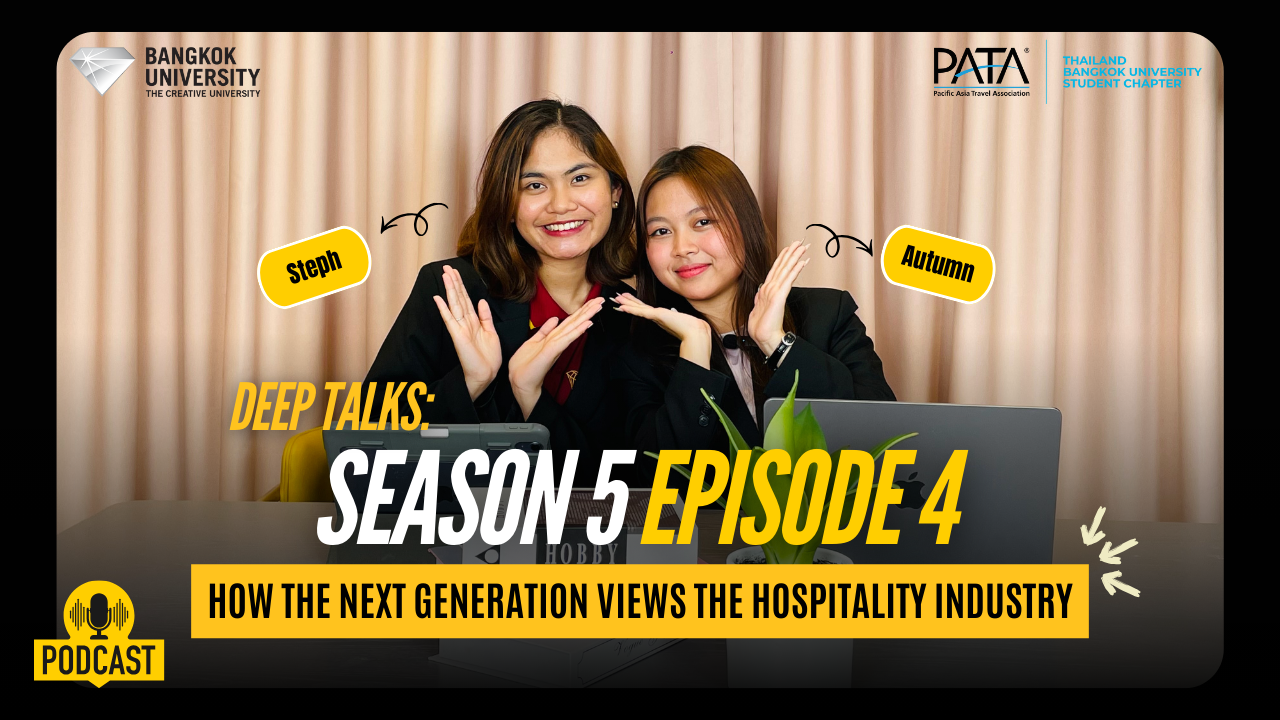

The tourism and hospitality industry is currently facing a period of rapid transformation driven by technological advancement, changing consumer expectations, and increasing concerns regarding environmental sustainability. As these developments continue to shape the future of travel, it has become increasingly important for industry professionals to remain informed about emerging trends and challenges affecting the sector.
This report has been prepared to present the work undertaken and to communicate the key insights obtained from three episodes of PATA Podcast Season 6. The selected episodes address several contemporary issues relevant to the tourism industry, including the transformative impact of artificial intelligence, the enduring importance of human capabilities and emotional intelligence, and the environmental challenges posed by waste and its implications for tourism sustainability.
The purpose of this report is to provide headquarters with an overview of the knowledge acquired from these discussions and to summarize the perspectives shared by industry experts. Collectively, the episodes highlight the need to embrace technological innovation while preserving the human values and sustainable practices that are essential to the continued growth and resilience of the tourism and hospitality industry.
Season 6 Episode 1: AI in Tourism: Innovation or Threat?
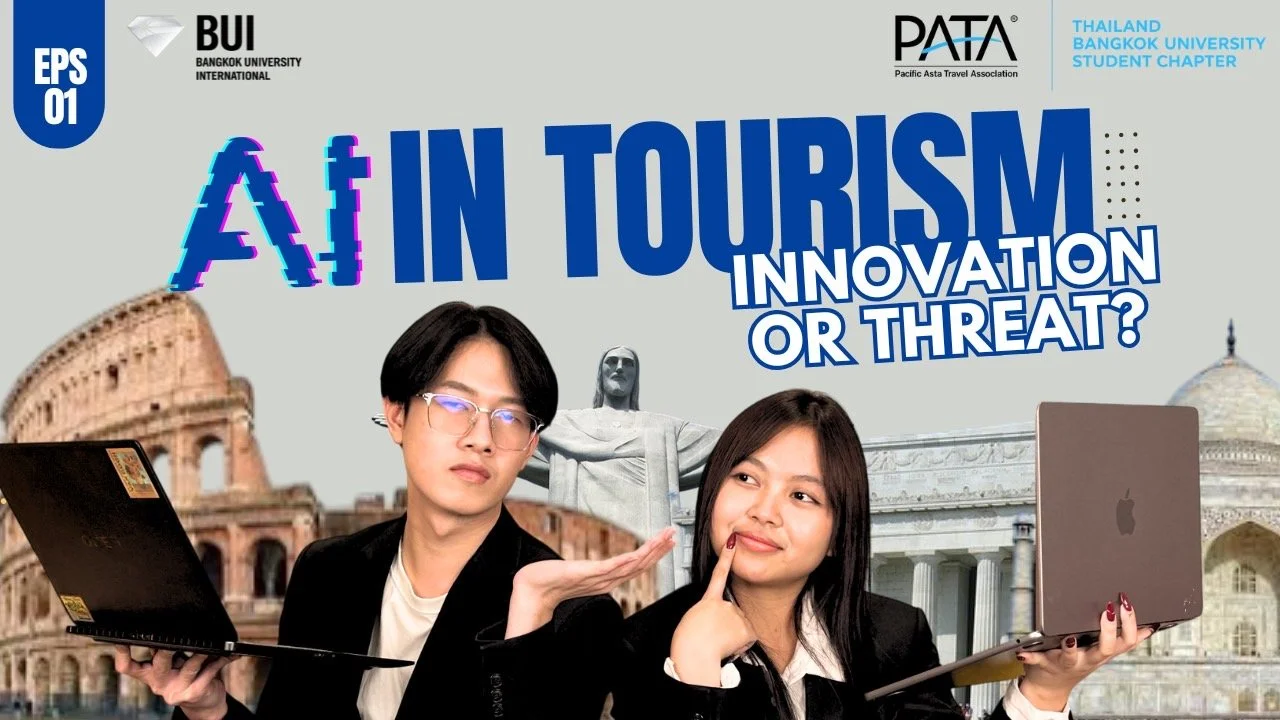
The first episode explores the growing influence of artificial intelligence (AI) on the tourism industry and its potential to reshape the way organizations operate and engage with customers. The discussion highlights the ability of AI technologies to enhance efficiency, support decision-making processes, and deliver more personalized experiences for travelers.
AI-powered tools are increasingly being utilized to automate repetitive tasks, process large amounts of information, and provide customized recommendations based on individual preferences. These capabilities enable tourism organizations to improve service quality and optimize operational performance.
Despite the rapid advancement of AI, the speakers emphasize that technology should be viewed as a complementary tool rather than a replacement for human expertise. Human creativity, empathy, and interpersonal skills continue to play a crucial role in delivering authentic and memorable experiences, suggesting that the future of tourism will depend on effective collaboration between technology and people.
Season 6 Episode 2: AI vs Human
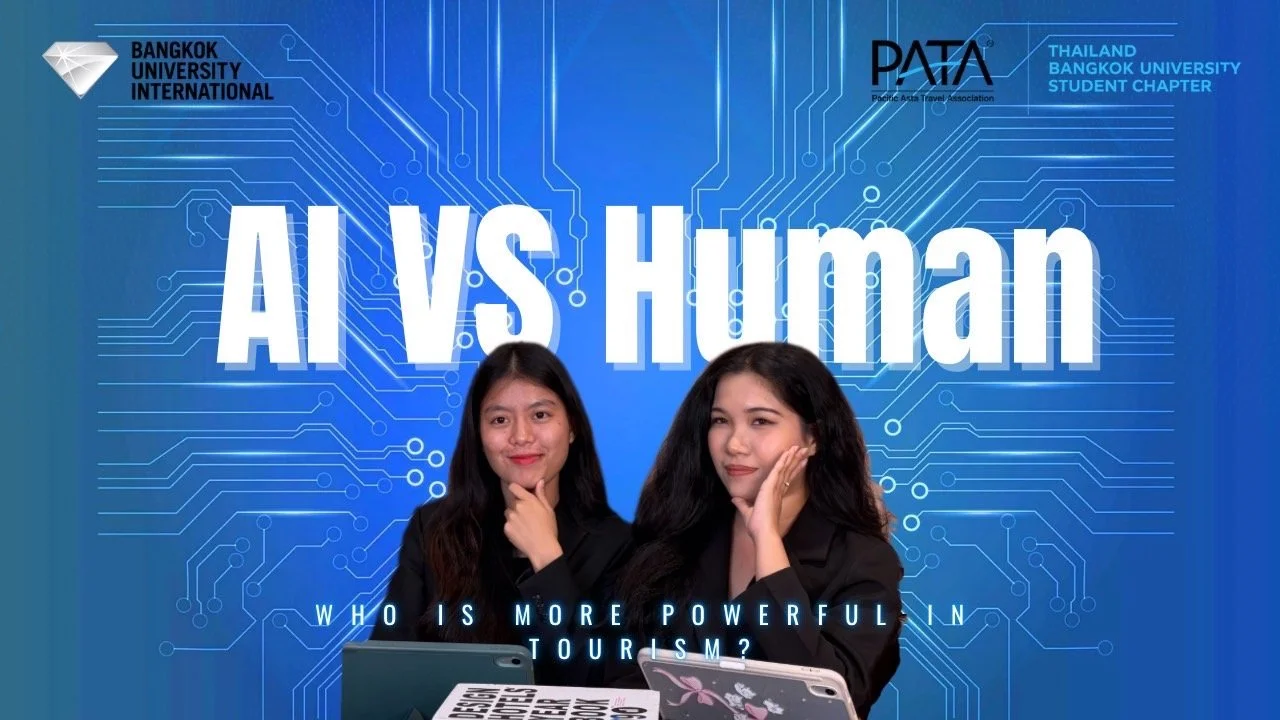
The second episode focuses on the significance of emotional intelligence and the unique capabilities that distinguish human beings from artificial intelligence. While AI has demonstrated remarkable technological capabilities, the speakers argue that qualities such as empathy, creativity, communication, and emotional understanding remain essential within the tourism and hospitality industry.
The discussion highlights that meaningful relationships and personalized interactions are central to customer satisfaction and loyalty. Unlike machines, human beings possess the ability to understand emotions, adapt to complex situations, and create genuine connections with guests.
Consequently, emotional intelligence is identified as a critical competitive advantage in an increasingly digital world. Rather than competing with artificial intelligence, tourism
professionals are encouraged to embrace technological advancements while strengthening the human-centered skills that contribute to exceptional service experiences.
Season 6 Episode 3: How Food Waste Affects Tourism

The third episode explores the impact of waste management and environmental sustainability on the tourism industry. The discussion highlights the growing concern over the increasing amount of waste generated by tourism activities and its implications for destinations, local communities, and the overall visitor experience.
The speakers emphasize that improper waste management can lead to environmental degradation, pollution, and the deterioration of natural and cultural attractions that are essential to tourism. Issues such as plastic pollution, excessive food waste, and inadequate waste disposal systems have become significant challenges for many destinations around the world.
Furthermore, the episode discusses the importance of adopting sustainable practices to minimize the negative environmental impacts associated with tourism. Governments, businesses, and travelers are encouraged to collaborate in promoting responsible consumption, reducing waste generation, and implementing effective recycling and waste management strategies.
Conclusion
The three episodes of PATA Podcast Season 6 collectively demonstrate the diverse opportunities and challenges currently shaping the tourism and hospitality industry. The discussions highlight the transformative role of artificial intelligence in enhancing operational efficiency and customer experiences, while also emphasizing that human qualities such as empathy, creativity, and emotional intelligence remain indispensable in delivering meaningful and memorable interactions.
In addition, the episodes underscore the importance of environmental sustainability, particularly in addressing waste-related issues that may affect the attractiveness and long-term viability of tourism destinations. The growing emphasis on responsible tourism reflects the industry's increasing commitment to balancing economic growth with environmental stewardship.
Overall, the insights gained from these episodes reinforce the importance of embracing innovation while preserving the human and environmental values that underpin the tourism and hospitality industry. As the sector continues to evolve, achieving a balance between technological advancement, human-centered service, and sustainable practices will be essential in ensuring the resilience and long-term success of tourism destinations and organizations.
Student Chapter Social Media
https://bit.ly/PATABUSC_Facebook
https://bit.ly/PATABUSC_Instagram
https://bit.ly/PATABUSC_Youtube
https://bit.ly/PATABUSC_LinkedIn
For More Information
Gyung Maw Seng (President of PATA Thailand Bangkok University Student Chapter)
Email: gyungmaw.seng@bumail.net